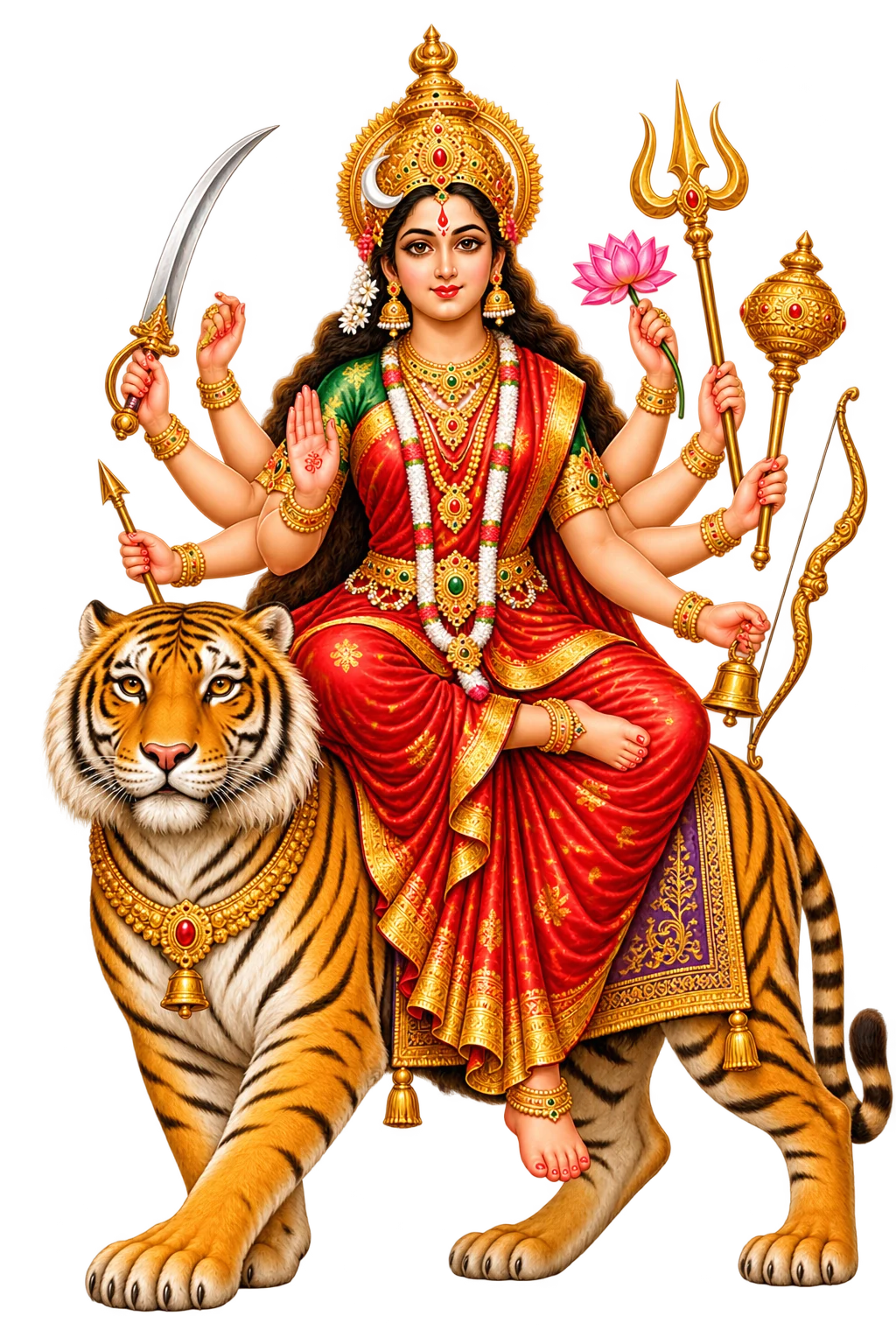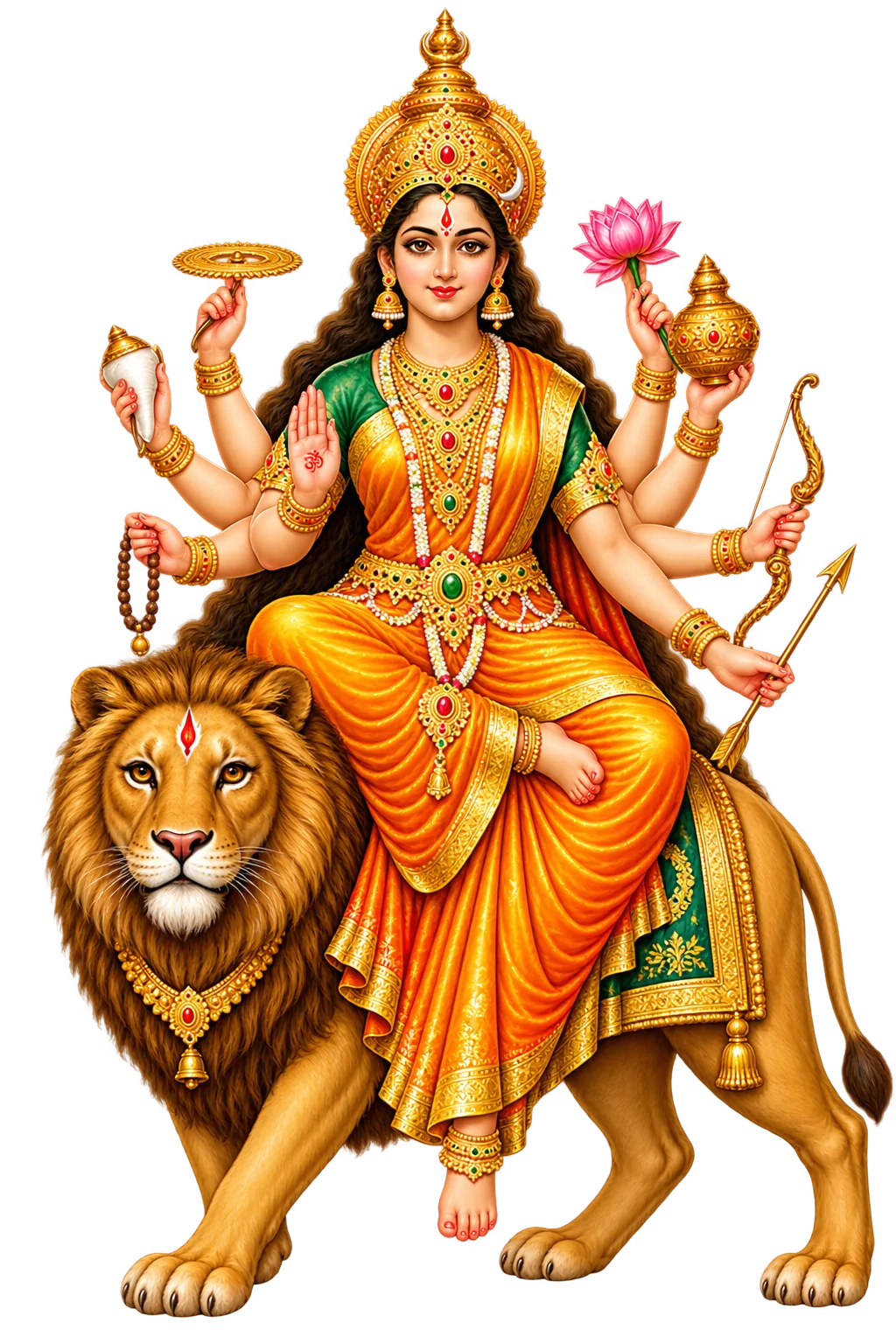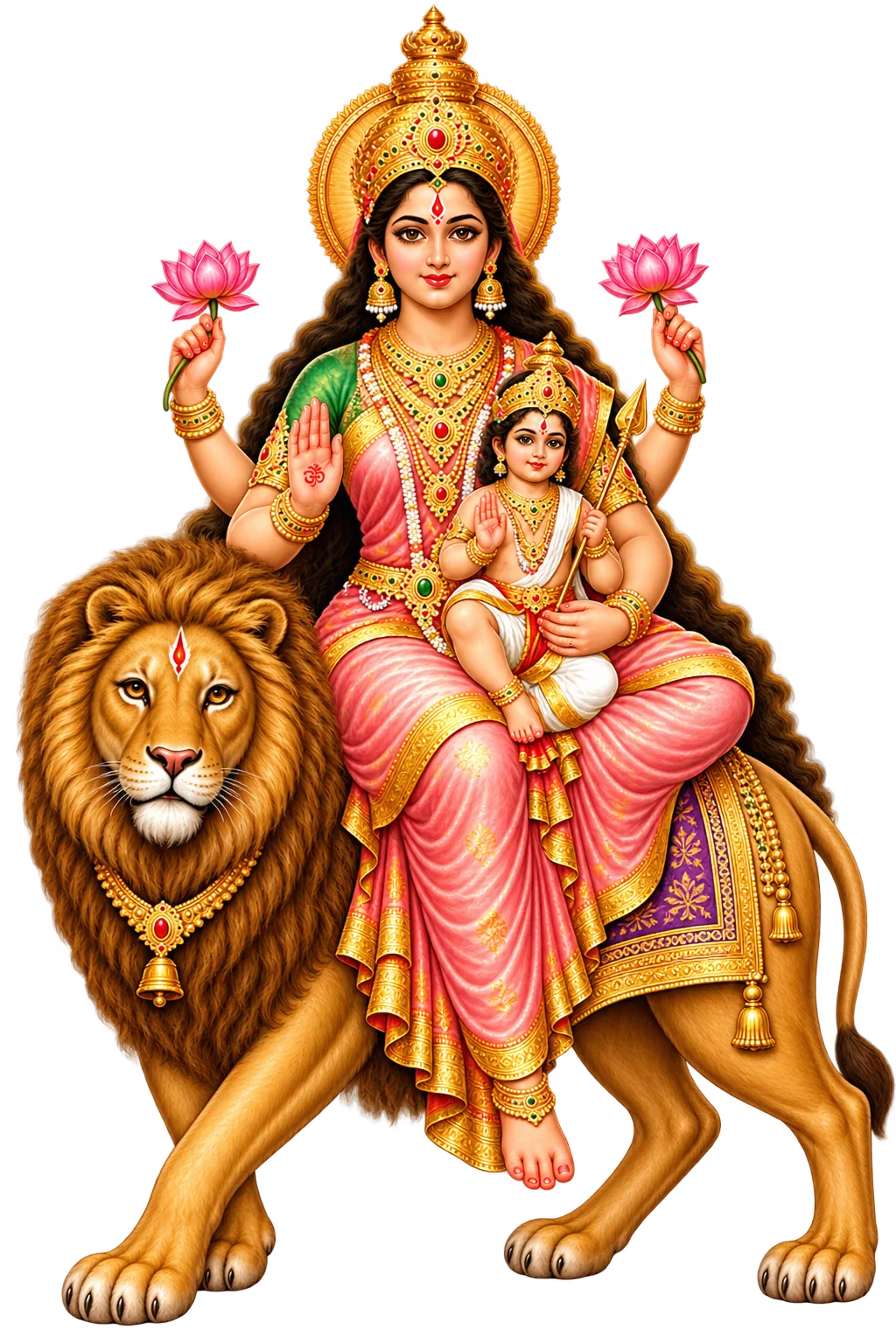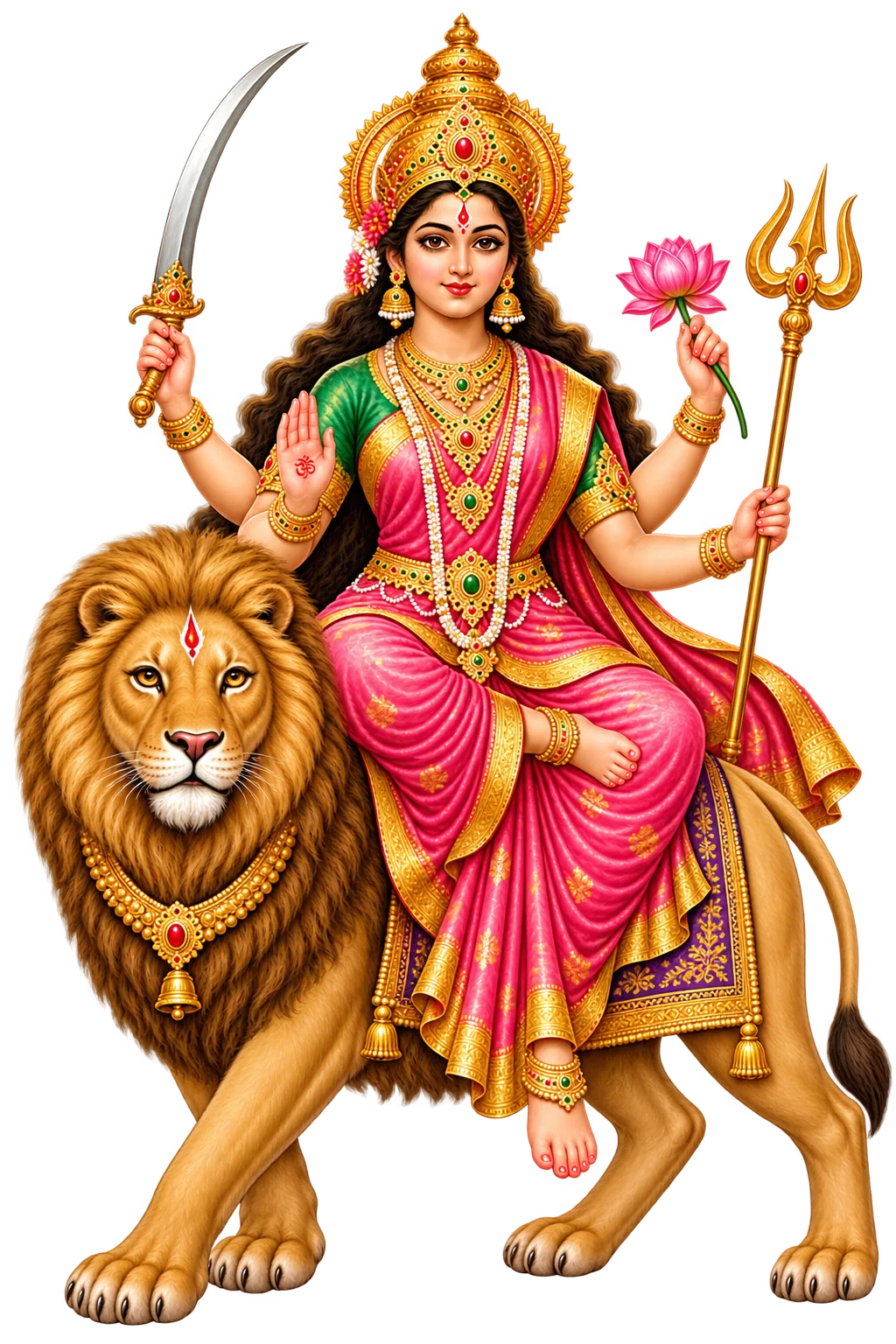
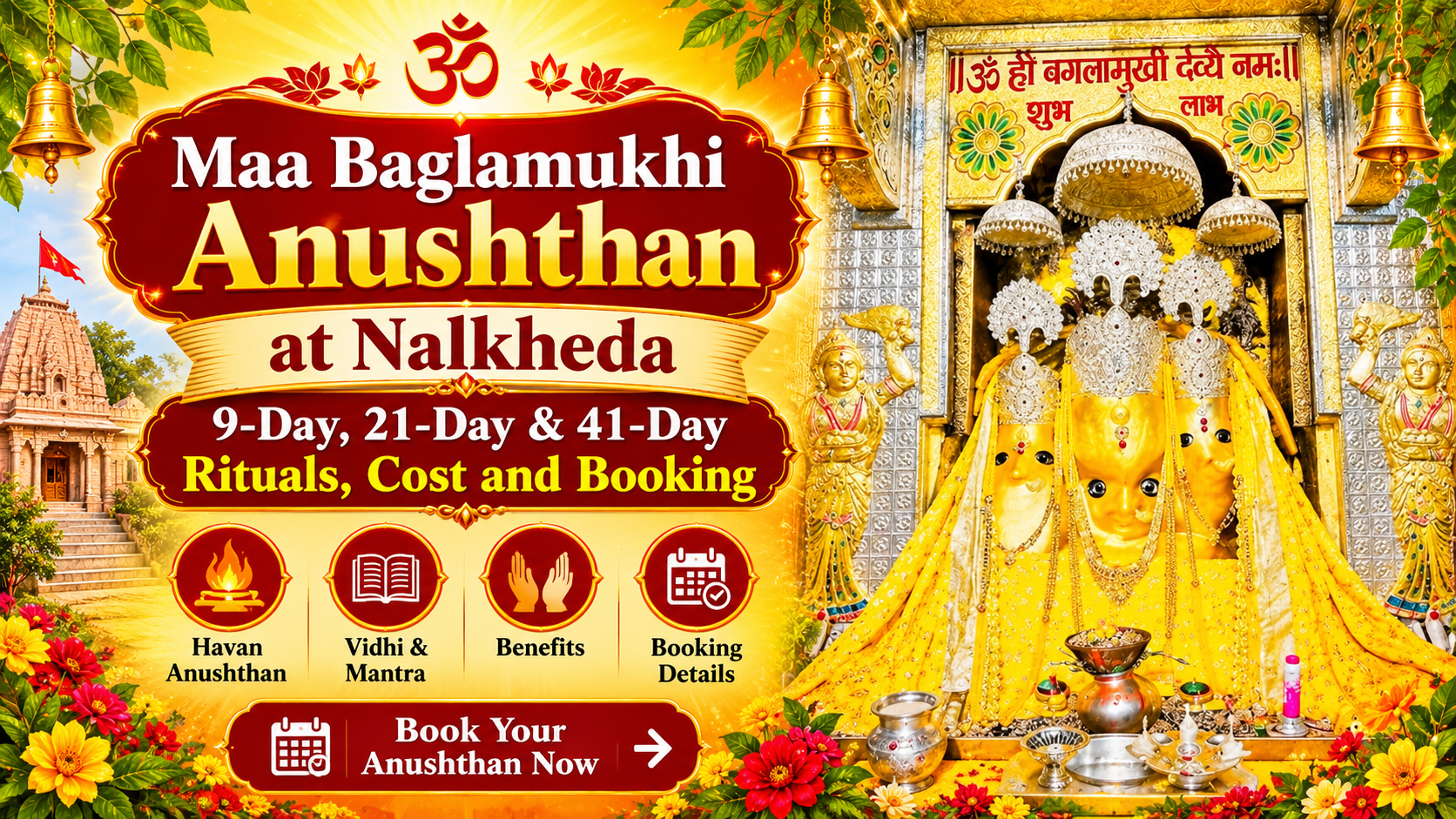
Devotees who search for Maa Baglamukhi Anushthan at Nalkheda usually have a few practical questions. What is an Anushthan, and how is it different from a one-day puja? How many days does it run? What does it cost? And how can someone arrange it if they cannot spend weeks in Madhya Pradesh?
Nalkheda, a town in the Agar Malwa district on the banks of the Lakhundar river, is home to one of the best-known temples of Maa Baglamukhi, also called Pitambara Devi. You can read more on our Nalkheda temple page. Many devotees who cannot stay there look for a structured, multi-day prayer performed on their behalf after a Sankalp in their name.
This guide explains the traditional meaning of Anushthan and the usual flow of the ritual. It covers what 9-day, 21-day and 41-day durations mean, which formats the Maa Baglamukhi Anushthan service page lists, what affects cost, and how to enquire. If you only want a short overview first, our earlier note on Maa Baglamukhi Anusthan at Nalkheda is a good start. Nothing here promises outcomes. Where a detail has to be confirmed with the team, we say so.
Quick Answer: What Is Maa Baglamukhi Anushthan?
Maa Baglamukhi Anushthan is a vowed, multi-day sadhana in which a fixed count of Pitambara Devi’s mantra is chanted in daily portions after a Sankalp, usually ending with a Havan. Duration varies by tradition and practitioner. The service page currently lists 11-day, 21-day and 36-day formats with online participation. Ask directly about 9-day and 41-day arrangements. Prices are not published, so confirm duration, inclusions and cost through the booking page.
Explore Maa Baglamukhi Anushthan Services | Enquire About Anushthan in Nalkheda
What Is Maa Baglamukhi Anushthan?
The word Anushthan means a vowed, systematic spiritual undertaking. In Baglamukhi worship, a set number of mantra repetitions is divided into daily portions and chanted without a break for the chosen number of days. The daily discipline is what separates it from ordinary worship.
A regular Baglamukhi puja or Havan can be finished in one sitting. An Anushthan is spread over many days and is generally closed with a Havan. The usual parts are:
Sankalp: a spoken vow with the devotee’s name, gotra and intention
Mantra Jaap: the daily chanting quota, counted on a mala
Daily worship: offerings such as turmeric, yellow flowers and a lamp
Havan and Purnahuti: the closing fire offering
Traditional guides often link Anushthan to a 1,25,000-mantra count, called “sava lakh”. One popular devotional article says devotees may take 11, 21, 36 or 40 days to complete it. That is one tradition’s description. It is not a rule that fits every lineage.
According to the commonly cited list, Maa Baglamukhi is the eighth of the ten Mahavidyas. Devotees associate her with Stambhan, the stilling of harmful forces, and with the colour yellow. You can read the background in our story of Maa Baglamukhi and the Dasha Mahavidyas and on the about page.
Why Is Nalkheda Associated With Maa Baglamukhi Anushthan?
Nalkheda is a tehsil town in Agar Malwa, Madhya Pradesh. The Baglamukhi temple stands beside the Lakhundar river, a tributary of the Narmada. Devotees regard it as a Siddha Peeth and one of the three historic Baglamukhi seats. Local tradition links the temple to the Mahabharata era and to worship by the Pandavas. Devotional accounts describe the image as self-manifested (swayambhu) and three-faced. These are traditional beliefs, not independently dated history.
A government tourism portal places the temple about 165 km from Indore. The state government has also announced a “Maa Baglamukhi Lok” corridor for the town. Check current news before travelling, because construction can change access.
Maa Baglamukhi Guru says its Acharyas perform rituals at Nalkheda. Devotees who want to know how that relates to the temple’s own administration should ask the team. It is better to ask than to assume.
Maa Baglamukhi Anushthan Vidhi
The exact Vidhi depends on the tradition, the type of Anushthan and the practitioner. The sequence below follows the general outline described on the service page.
Muhurat and Sankalp: the opening day starts with a chosen muhurat. The Sankalp is spoken with your name and gotra, and Ganesh smaran comes first.
Daily Jaap: the fixed daily quota is chanted with a mala in unbroken sequence. Our guide to Baglamukhi mantra Jaap and the Jaap method and rules article explain the basics.
Daily worship: a lamp, turmeric, yellow flowers and archana accompany the Jaap. The best time and rules for chanting covers timing and discipline.
Final day: the completed Jaap is offered in a Havan, followed by Purnahuti, aarti and blessings. Our Havan guide describes the fire ritual in more detail.
For the general shape of Baglamukhi worship, see the step-by-step puja Vidhi guide. The beej mantra guide covers the seed syllable. Initiated sadhaks often practise at home under a guru’s guidance, so read Baglamukhi sadhana at home before deciding.
Enquire About Ritual Arrangements
9-Day Maa Baglamukhi Anushthan
Many devotees say “9-day Anushthan” because nine days feel natural, especially around Navratri. The service page does not list a 9-day format. Treat it as a duration you can enquire about, not a confirmed service.
If a mantra total is fixed, a shorter span means larger daily portions or more people chanting. Whether that suits a given tradition is for the practitioner to explain. Before enquiring, ask:
How many mantras will be chanted each day?
Who will perform the Jaap?
Will there be a closing Havan?
The site also has a guide to a 9-day Anushthan in the context of Gupt Navratri. It is tied to that observance, so check dates before using it.
21-Day Maa Baglamukhi Anushthan
The 21-day format is the one duration in your title that the service page lists. The page describes it with these details:
Two Pandits keeping an unbroken daily Jaap
A Sankalp framed around the devotee’s circumstances
Daily turmeric abhishek and yellow flower archana
Live darshan on request during the Jaap days
A concluding Homa, with prasad sent by courier or with guidance on receiving it
Traditionally, 21 days is one of the spans mentioned for completing a larger mantra count. A longer Anushthan differs from a shorter one mainly in the time spread and the daily rhythm. It does not mean a stronger result.
Do not invent the schedule yourself. Ask which mantra count applies, what the daily timings are, how a missed day is handled and what happens on the final day.
41-Day Maa Baglamukhi Anushthan
A 41-day Anushthan is not listed on the service page. In several Hindu traditions, a period of roughly 40 to 48 days is used for sustained observance. The 40-day span also appears in popular guides on completing the sava lakh count.
Nobody should treat 41 days as compulsory or as better than a shorter format. If you want this length, ask whether it is available. Ask who will perform it and what a missed day means for the Sankalp. The details depend on the practitioner and tradition.
Durations Listed on the Maa Baglamukhi Guru Service Page
As of 3 November 2026, the service page lists three formats:
11-day: one dedicated Pandit, a Sankalp on the opening morning, photo and video updates after each day’s Jaap, and a closing-day Hawan with Purnahuti. The page describes it as a suitable first Anushthan.
21-day: described above.
36-day (Sava Lakh Jaap): the full 1,25,000 mantra count, senior Pandits of the Nalkheda tradition, a conversation before and after, special daily offerings and a Maha Purnahuti.
These are the formats you can book against. For 9-day and 41-day, ask first.
Comparison: 9-Day vs 21-Day vs 41-Day Anushthan
A longer ritual is not a better one. This table compares duration only. It says nothing about power, effectiveness or results.
Maa Baglamukhi Anushthan Cost in Nalkheda
As of 3 November 2026, the service page does not publish a fixed Anushthan price. Do not rely on a number you read elsewhere. Confirm the actual charge through the team.
Cost can depend on:
the type and duration of the Anushthan
the mantra count and number of Pandits
Havan arrangements and samagri
ritual complexity and the muhurat
prasad courier charges, if any
The booking page says no advance payment is needed and you pay after the puja. A different line on the same page says payment depends on the ritual type. So ask for the payment terms in writing, and read the refund and cancellation policy before you book.
For a broader look at pricing logic, see our guide to Maa Baglamukhi puja cost in Nalkheda.
Confirm Anushthan Duration and Cost
What Is Included in Maa Baglamukhi Anushthan?
These items are described on the service page:
Sankalp in the devotee’s name, with a live video call for the opening Sankalp
Daily mantra Jaap in fixed portions
Daily worship offerings such as turmeric, yellow flowers and a lamp
Photo and video updates, with live darshan on request in the 21-day format
A closing Havan or Homa with Purnahuti
Prasad by courier or with guidance on receiving it
These details are not specified, so ask:
the exact samagri list
who chants on each day
whether courier cost is included
what happens if a day is missed
Not every duration has the same inclusions. The number of Pandits differs between the 11-day and 21-day formats, for example.
Maa Baglamukhi Anushthan Online Booking Process
Open the service page and read the duration you are considering.
Send an enquiry. Each duration has an enquiry button on the service page. You can also submit the form on the booking page, which asks for your name, phone, email and a description of your Sankalp. The contact page is another route.
Prepare your details. Have your name, gotra and the intention for the Sankalp ready. A family Sankalp can include several names.
Confirm duration, muhurat and mantra count in writing.
Ask about cost, inclusions and payment terms before you pay anything.
Join the opening Sankalp by video call and follow the daily updates.
Attend the closing Havan live if you wish, and ask about prasad delivery.
Devotees abroad can also read about online Baglamukhi puja and NRI puja arrangements. For a view of home participation, see performing Anushthan from home. The FAQ page answers common booking questions, and the Acharya profile introduces the person leading the rituals.
Who Can Enquire About Maa Baglamukhi Anushthan?
Any sincere devotee can ask about an Anushthan. It is a form of prayer, and nobody should be told they must perform one because of a personal circumstance. No duration is “necessary” for any particular problem.
Some devotees take a Sankalp for family peace, others to honour a vow, and some simply want a deeper discipline of prayer. A family can also share a Sankalp. Understand the ritual and the booking details first and decide without pressure. Spiritual practice does not replace medical, legal, financial or other professional advice, and the site’s own disclaimer says the same.
Important Questions to Ask Before Booking
Which Anushthan is being performed, and what is the exact duration?
How many mantras will be chanted each day, and what is the total?
Who will chant, and how many Pandits will there be?
Is Havan included, and with what samagri?
What is the total cost, and are there extra charges such as courier?
When is payment due, and what is the cancellation or refund position?
What happens if a day is missed?
What happens on the final day?
How will updates reach me, and how often?
Can I take part by video if I cannot visit Nalkheda?
Can family members be included in the Sankalp?
How is the relationship with the temple described, if I am asking about the temple itself?
Ask for the answers in writing, and keep the message thread.
Frequently Asked Questions
1. What is Maa Baglamukhi Anushthan?
A vowed, multi-day sadhana in which a set count of the Devi’s mantra is chanted in daily portions after a Sankalp, usually ending with a Havan.
2. Where can devotees enquire about Anushthan in Nalkheda?
Use the service page or booking page. For matters about the temple itself, ask the temple’s own administration.
3. What is the traditional Vidhi?
Commonly a muhurat, Sankalp, daily Jaap with worship, and a closing Havan with Purnahuti and aarti. The exact sequence varies by tradition.
4. What is the difference between puja and Anushthan?
A puja or Havan can be done in one sitting. An Anushthan is a vow kept across several days.
5. What is a 9-day Anushthan?
A shorter vowed span that devotees sometimes link to Navratri. It is not listed on the service page, so enquire first.
6. What is a 21-day Anushthan?
A longer span listed on the service page, with two Pandits, daily worship and a concluding Homa.
7. What is a 41-day Anushthan?
A longer span of discipline used in some traditions. It is not listed on the service page, so ask whether it is available.
8. Is a 41-day Anushthan compulsory?
No. No duration is mandatory for every devotee, and sources describe several durations.
9. What is the cost?
No fixed price is published. Confirm it with the team.
10. What is included?
Sankalp, daily Jaap, worship, updates and a closing Havan are described. Confirm the exact samagri and any extra charges.
11. Is Havan included?
The page describes a closing Havan or Homa for each listed duration. Confirm the details before booking.
12. Can I enquire online?
Yes. The site describes online participation by video and WhatsApp updates.
13. How do I book?
Submit the booking form, use the enquiry button, or use the contact page, then confirm duration, cost and muhurat in writing.
14. Can devotees outside India enquire?
Yes. The site describes time-zone-friendly arrangements for the Sankalp and final Havan. Confirm the slot with the team.
15. What should I confirm before booking?
Duration, mantra count, Pandits, Havan, total cost, payment terms and what happens if a day is missed.
16. Does a longer Anushthan guarantee better results?
No. Duration is a feature of the ritual plan, not a guarantee. Outcomes cannot be promised.
17. Is there a specific day for Maa Baglamukhi worship?
The service page says Tuesdays, Thursdays, Ashtami and Navratri are held auspicious, and the Pandits consult the Panchang for a muhurat.
18. What is the role of mantra Jaap?
It is the core of the Anushthan. The daily repetition is the vow itself, and the Havan closes it.
Conclusion
Maa Baglamukhi Anushthan is a sustained, vowed form of prayer, and its details matter. Duration, mantra count, who performs it and what is included can all vary, so ask clearly before committing. The service page currently lists 11-day, 21-day and 36-day formats. For a 9-day or 41-day arrangement, ask directly. Never assume that a longer ritual is better. Treat the Anushthan as a devotional undertaking, and take professional advice for medical, legal or financial matters.
Interested in learning more about Maa Baglamukhi Anushthan in Nalkheda? Explore the available puja services and contact the team to confirm the ritual details, duration, cost and booking arrangements.