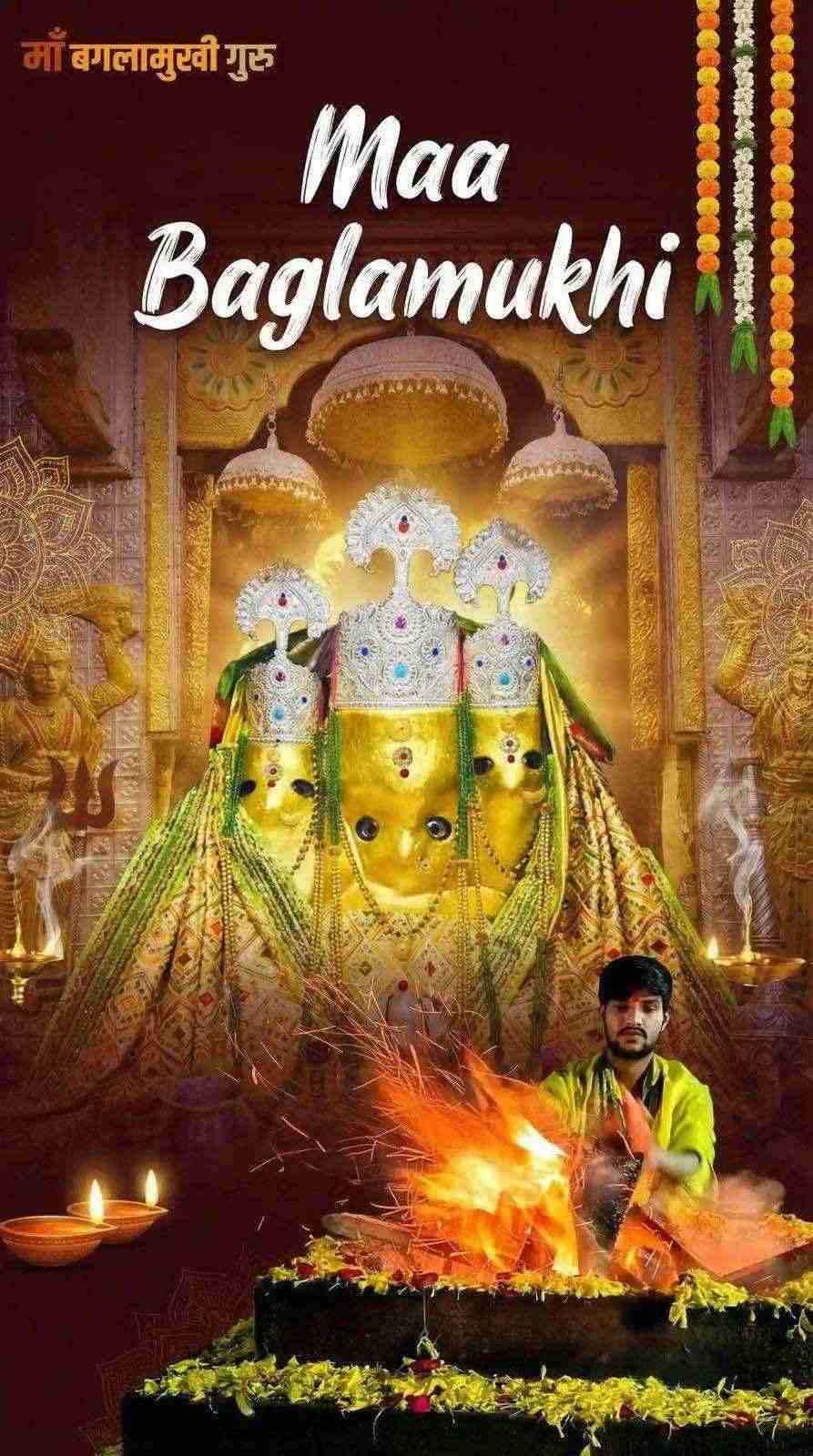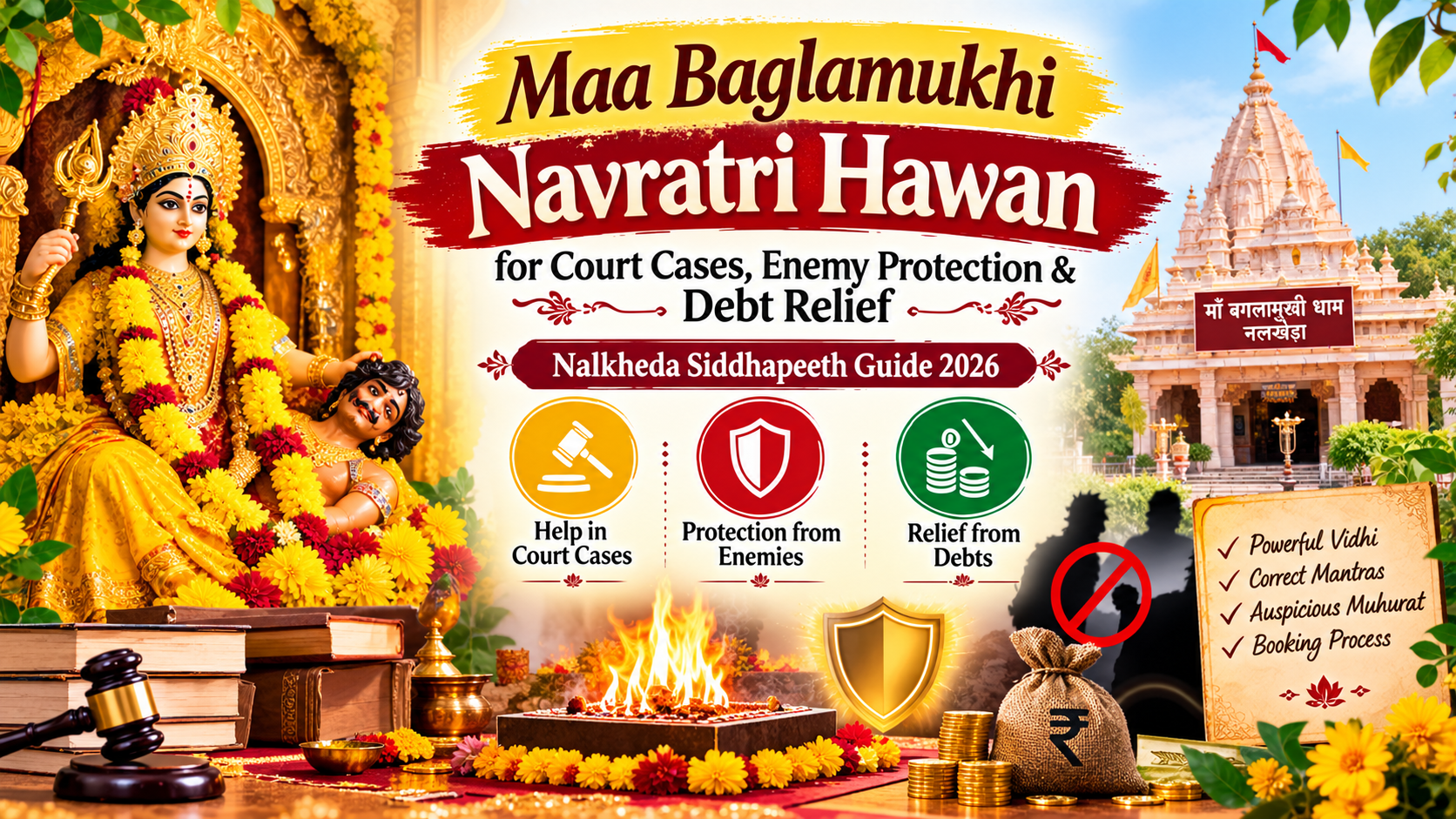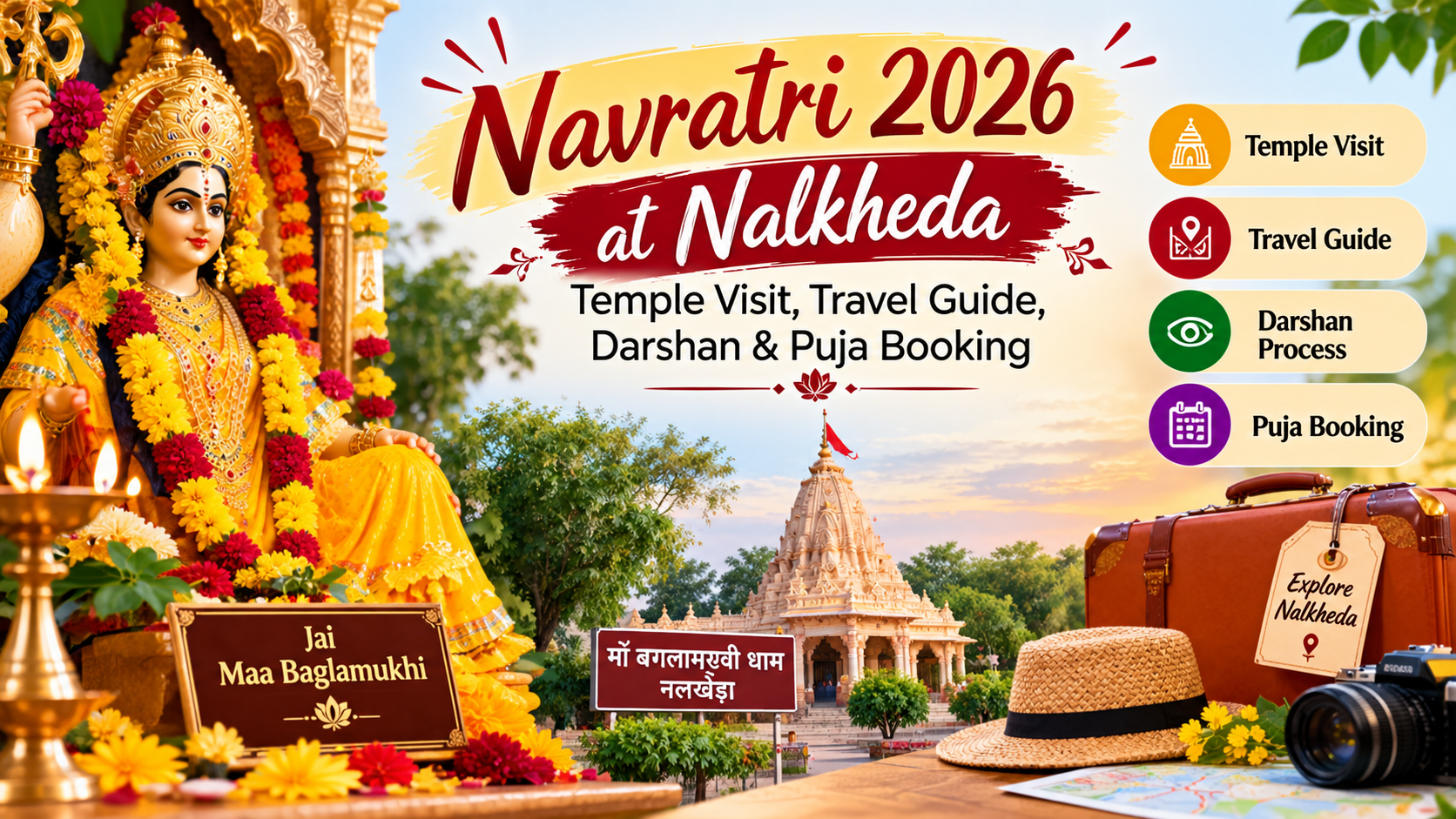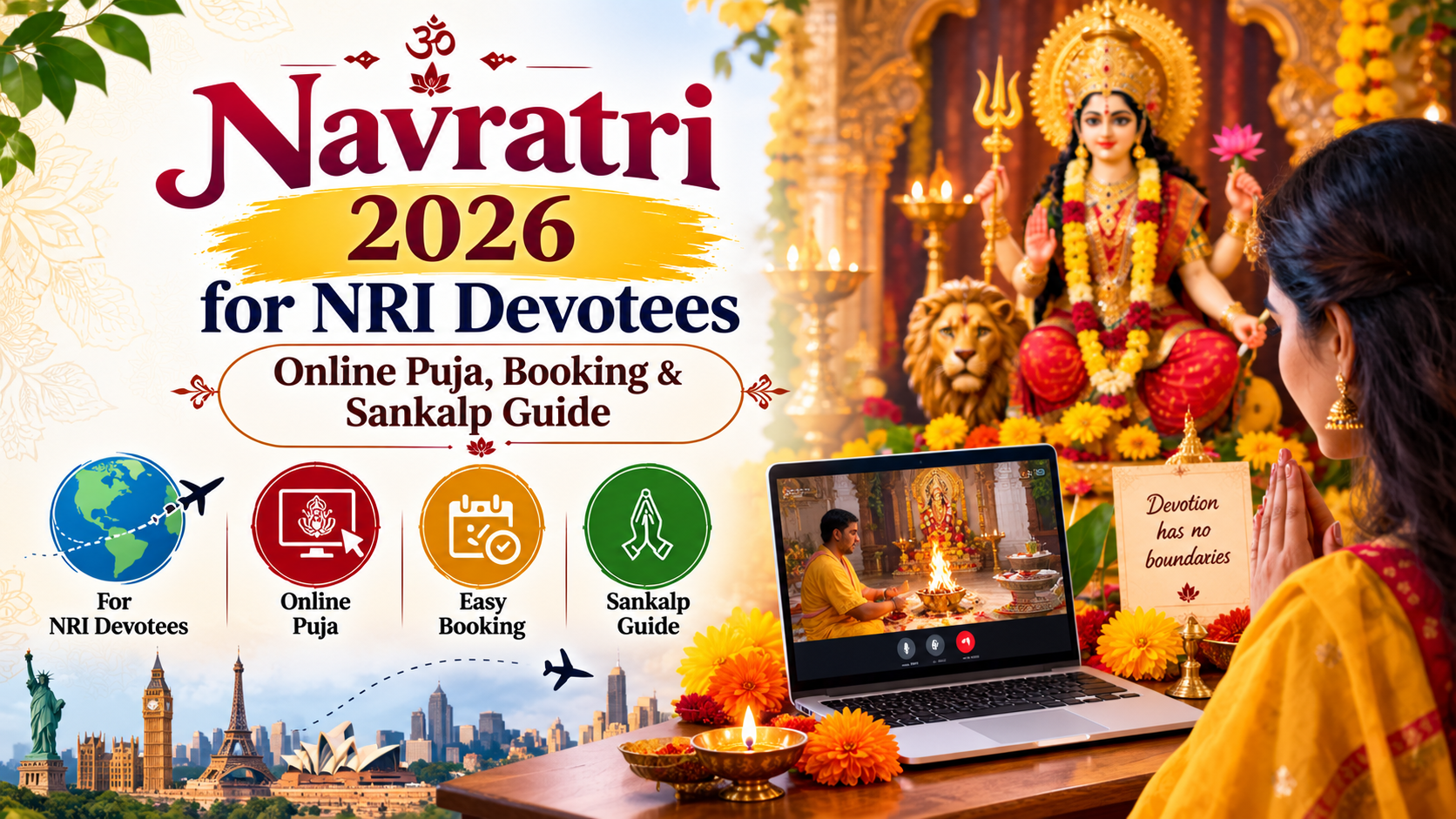
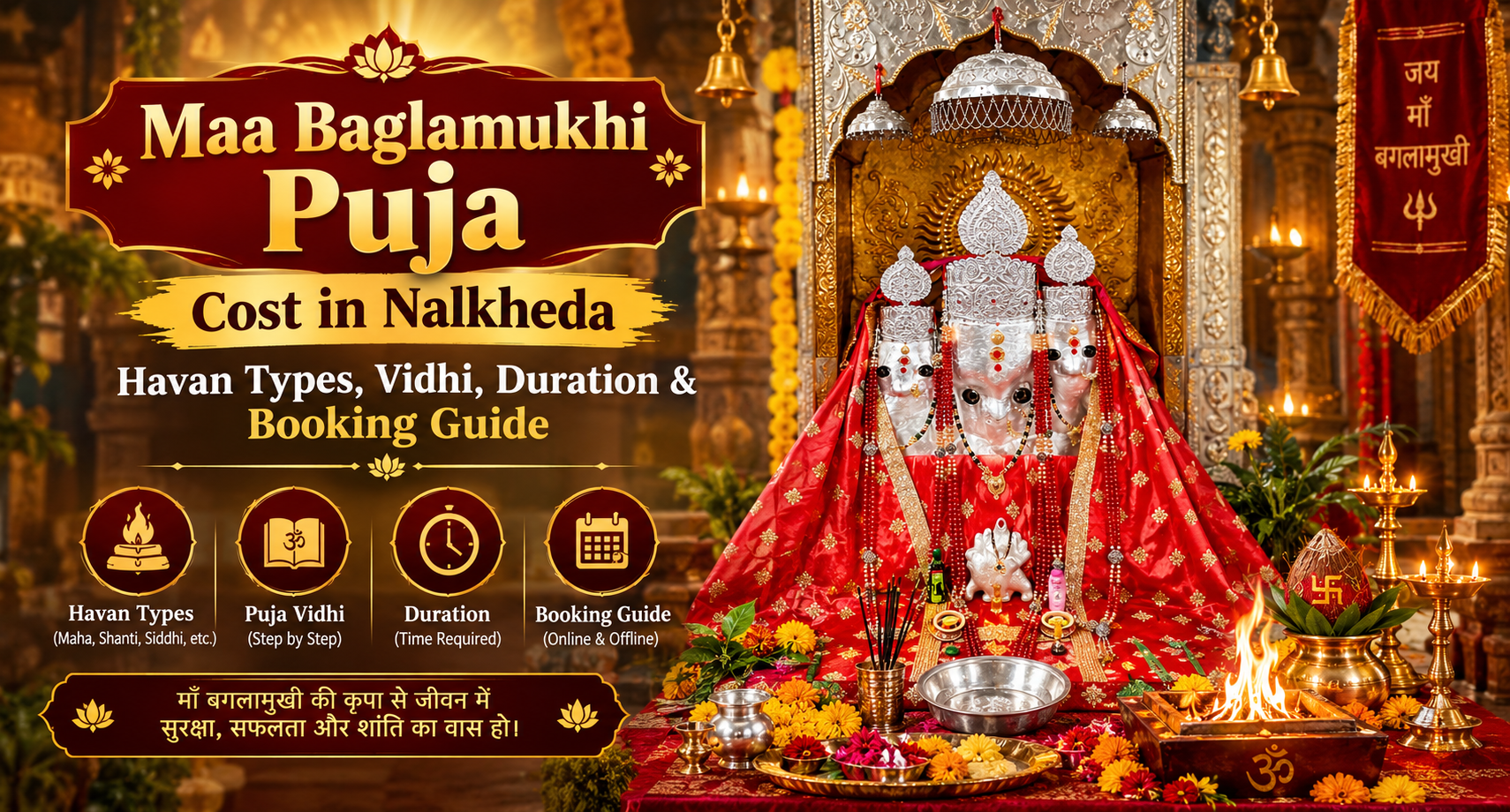
Located on the banks of the sacred Lakhundar River in the Agar Malwa district of Madhya Pradesh, the Nalkheda Pitambara Peeth stands as one of the most revered Tantric pilgrimage destinations in India. Devotees from across the nation and overseas plan pilgrimages or remote rituals here to seek the divine blessings of Maa Baglamukhi, the eighth Mahavidya known for her unparalleled Stambhan Shakti (the divine power to immobilize negativity, malicious speech, and destructive opposition). For any devotee planning an anushthan or yajna, understanding the Maa Baglamukhi Puja cost in Nalkheda is often the foremost practical concern.
Navigating ritual charges, pandit dakshina, havan kund bookings, and samagri expenses can feel overwhelming. Many pilgrims encounter confusing estimates online, ranging from nominal temple counter fees to substantial private package quotes. Because sacred rituals at Nalkheda are customized around individual sankalps, mantra chanting volumes, and Vedic priest assemblies, there is no single fixed price tag that fits every spiritual need.
This guide provides a transparent, detailed, and culturally respectful breakdown of how puja costs are established in Nalkheda. It covers the different havan types, complete scriptural vidhi, realistic ritual durations, samagri requirements, and safe booking procedures through MaaBaglamukhi.guru, ensuring you make informed, confident spiritual decisions without falling prey to unrealistic claims or hidden commercial charges.
Quick Answer: What Is the Cost of Maa Baglamukhi Puja in Nalkheda?
The total Maa Baglamukhi Puja cost in Nalkheda generally ranges from ₹3,100 to ₹1,25,000+, depending entirely on the scale of the ritual, the number of participating Vedic priests (Brahmins), the count of mantra recitations (jaap), and the duration of the ceremony:
Basic Sankalp and Shodashopchar Pujan: ₹3,100 to ₹5,100. This is a personalized 1 to 2 hour ritual performed by a single priest for personal well-being, mental peace, and general divine grace.
Standard Baglamukhi Havan (Single Day): ₹5,100 to ₹11,000. This includes deity invocation, preliminary pujan, a moderate jaap count of 5,100 to 11,000 chants, and sacred havan offerings using standard yellow samagri.
Targeted Intent Pujas (Court Cases, Shatru Shanti, Vyapar Vridhi): ₹11,000 to ₹25,000. This involves 21,000 to 31,000 mantra recitations, 2 to 3 dedicated priests, custom tantric herbs, and specific sankalp offerings.
Multi-Day Intensive Anushthan (3 to 7 Days): ₹31,000 to ₹1,25,000+. This is a comprehensive anushthan featuring 1.25 lakh mantra jaaps chanted by a council of 5 to 11 qualified priests, concluding with an extensive Purna Aahuti havan.
Direct Temple Trust Kund Space Fee: If you physically visit the government-managed temple committee counter, reserving a physical havan kund space costs a nominal administrative fee (typically around ₹2,100). This counter fee covers space allocation and basic wood or ghee supplies, but does not include private priest dakshina, specialized herbal ingredients, or dedicated jaap recitations.
Because genuine spiritual ceremonies require personalized assessments based on your gotra, birth details, and current challenges, reputable priests do not enforce rigid, one-size-fits-all packages. If you want a tailored breakdown for your situation, you can request a transparent ritual quote directly through the online puja booking portal.
Want to understand the available Maa Baglamukhi Puja options and their current costs? Review the booking details and confirm the ritual, inclusions, and total price before proceeding on the Puja Booking Page.
What Is Maa Baglamukhi Puja and Why Do Devotees Perform It?
Maa Baglamukhi, revered throughout the Shakta tradition as Pitambari (the Golden-Hued Mother), represents the divine cosmic force that halts chaos, silences falsehood, and paralyzes negative intentions. Scriptural texts such as the Rudra Yamala Tantra and Sharda Tilak describe how the Goddess manifested from the sacred Haridra Sarovar (turmeric lake) to pacify a catastrophic cosmic storm threatening the universe. By freezing the destructive tempest, she restored universal equilibrium. You can explore her deeper theological origins in the guide to the Maa Baglamukhi Mata story.
In traditional practice, devotees seek the shelter of Maa Baglamukhi not to harm others, but to establish divine protection, moral justice, and mental steadfastness during acute crises. The most common devotional intentions for performing this puja include:
Resolution of Legal Conflicts and Litigation: Devotees entangled in prolonged, unfair court battles, property disputes, or administrative inquiries perform specialized prayers to immobilize hostile testimony and seek righteous outcomes. Devotees often recite or sponsor the Baglamukhi mantra for court case victory during these critical proceedings.
Protection Against Hostility and Hidden Rivals: Individuals experiencing unprovoked malice, corporate rivalry, or personal jealousy seek energetic protection through the Baglamukhi mantra for enemies, which aims to pacify the negative speech and actions of adversaries.
Overcoming Chronic Professional or Financial Stagnation: When unexpected hurdles derail business enterprises or career opportunities, devotees perform Vyapar Vridhi pujas to remove invisible obstructions and restore stability.
Spiritual Shielding and Negative Energy Removal: Those experiencing pervasive unexplained fear, anxiety, or malevolent psychic influences undergo protective rituals and receive the consecrated Baglamukhi Kavach as a spiritual shield.
Inner Transformation and Mental Clarity: On an esoteric level, Baglamukhi worship immobilizes the restless fluctuations of the monkey mind, silencing internal doubt, fear, and emotional turbulence. You can learn more about her spiritual philosophy in the primer on about Maa Baglamukhi.
Traditional Vedic and Shakta philosophy emphasizes that while rituals generate tremendous spiritual upliftment, results unfold according to divine cosmic timing, personal prarabdha karma, and ethical conduct. Ethical acharyas never promise overnight miracles or guaranteed legal outcomes.
Maa Baglamukhi Puja Cost in Nalkheda: What Factors Affect the Price?
When devotees compare ritual costs, they frequently ask why one service quotes ₹5,100 while another quotes ₹35,000 for what appears to be the same deity worship. The financial commitment required for a genuine Vedic ceremony is driven by specific logistical, material, and ritual factors. Understanding these elements ensures you evaluate quotes fairly and avoid exploitative intermediaries.
1. Count of Mantra Recitations (Jaap Sankhya)
The primary determinant of cost is the volume of mantra chanting. Chanting the sacred 36-letter Moola Mantra requires intense concentration, rigorous pronunciation, and time. Standard jaap tiers include 11,000, 21,000, 31,000, 51,000, and 1,25,000 recitations. A higher jaap count requires multiple priests chanting continuously over several days, naturally increasing the dakshina honorarium. Devotees can review the exact structure of these chanting disciplines in the manual on Baglamukhi mantra jaap.
2. Number of Vedic Priests (Brahmins)
In Vedic tradition, an individual priest can comfortably chant between 2,500 and 3,500 accurate Baglamukhi mantras per day without sacrificing phonetic precision (shuddhata). Therefore, completing a 1.25 lakh mantra anushthan within 3 to 5 days necessitates a dedicated team of 5 to 7 seasoned Brahmins. Each priest must be provided fair dakshina, satvik meals, and ritual seating arrangements.
3. Sacred Samagri and Specialized Herbal Ingredients
Maa Baglamukhi rituals require specific items governed by the color yellow (peet). Standard samagri includes pure Desi cow ghee, unbroken turmeric roots (akhand haldi ganthe), yellow mustard seeds (peeli sarson), lotus seeds (kamal gatta), yellow sandalwood (haridra chandan), and yellow silk cloths. Special havans designed for severe disputes or negative energy removal involve rare Ayurvedic herbs (jadi-buti), dry fruits, and specific wood varieties like dry mango (aam ki samidha) or palash wood. The cost of 10 to 25 kilograms of high-purity Desi ghee alone forms a substantial portion of the ritual budget.
4. Duration and Complexity of the Anushthan
A single-session havan concluding in three hours requires far fewer logistical resources than an intensive 7-day residential anushthan. Multi-day rituals involve daily morning and evening worship cycles, continuous akhand deep maintenance, ongoing fruit and bhog offerings, and daily havan aahutis. For extensive life challenges, devotees often choose a multi-day Baglamukhi anushthan to establish sustained spiritual momentum.
5. On-Site Versus Remote (Online) Ritual Participation
Attending the ritual in person at Nalkheda requires booking travel, local lodging, and coordinating temple premises schedules. Conversely, remote rituals arranged through verified platforms allow devotees living across India or abroad to participate via digital video streaming or photographic updates. In remote rituals, the organizing acharya handles all local logistics, sankalp recitations in the devotee's name, and safe courier dispatch of consecrated prasad.
Comprehensive Cost Factor Breakdown
Devotees seeking a structured fire ceremony can explore comprehensive options on the Baglamukhi havan booking portal.
Types of Maa Baglamukhi Puja and Havan
Depending on the nature of your life circumstances, astrological indications, and spiritual goals, different types of rituals are performed at Nalkheda. Each variation involves distinct ritual protocols, mantra counts, and samagri combinations.
1. General Maa Baglamukhi Puja (Manokamna Pujan)
This is an introductory worship service designed for overall family peace, mental strength, and spiritual advancement. It incorporates standard Ganesh pujan, Navagraha invocation, Kalash sthapana, and the 16-step Shodashopchar worship of Maa Baglamukhi. A brief jaap of 1,100 to 2,100 mantras is chanted using a Haldi (turmeric) mala. It is well-suited for devotees visiting Nalkheda on day trips and costs between ₹3,100 and ₹5,100.
2. Standard Baglamukhi Havan (Fire Ceremony)
Fire is the divine conduit (Havya-Vahana) that transports physical offerings into energetic realms. In a standard havan, sacred items are offered into consecrated fire following scriptural guidelines. Devotees can read a thorough liturgical walkthrough in the Baglamukhi havan guide and consult the primary Baglamukhi havan overview. Offerings feature yellow mustard seeds, sesame, lotus seeds, and pure ghee. This havan typically accompanies an 11,000-mantra chanting cycle and costs between ₹5,100 and ₹11,000.
3. Court Case and Legal Conflict Havan (Nyaya Vijay Yajna)
Designed specifically for individuals confronting protracted litigation, false accusations, or high-stakes arbitrations, this ritual invokes the Goddess as the supreme arbiter of truth. Offerings emphasize yellow mustard seeds, black sesame, and specialized dry wood. The core prayer asks the Goddess to silence hostile opposition, immobilize perjury, and guide the judiciary toward fair truth. Conducted with 21,000 to 31,000 jaaps by 2 to 3 priests, this ritual ranges from ₹11,000 to ₹25,000.
4. Shatru Badha Nivaran and Negative Energy Removal Havan
When individuals encounter harmful competitors or negative energy, this intensive havan is performed under strict Tantric-Vedic safeguards. In special cases authorized by an experienced acharya, ingredients like dried yellow chilies, neem leaves, or specific bitter herbs (kadvi samagri) are offered into the sacred fire to neutralize malevolent forces. Such rituals must only be conducted by initiated, seasoned acharyas. You can read more about spiritual shielding using the Baglamukhi mantra for protection.
5. Maha Anushthan with 1.25 Lakh Mantra Jaap
The gold standard of classical Shakta sadhana is the Lakshya Jaap Anushthan (1,25,000 recitations of the primary Moola Mantra). Conducted over 3, 5, 7, or 9 days by a council of 5 to 11 learned Vedic pandits, this intensive ceremony creates an immense spiritual vortex. Following the strict rules of Dashansh Vidhi, the chanting of 1.25 lakh mantras is completed with a Dashansh Havan (12,500 fire offerings), followed by Dashansh Tarpan (water libations), Dashansh Marjan (sprinkling of consecrated waters), and Brahmin Bhojan (feeding of Brahmins). Due to the extensive priest requirements and large volume of pure ghee and samagri, this ritual ranges from ₹31,000 to ₹1,25,000+.
Maa Baglamukhi Puja Vidhi at Nalkheda
The historical town of Nalkheda holds rare significance because its Baglamukhi deity is regarded as a Swayambhu (self-manifested) idol dating back to the Mahabharata era, traditionally worshipped by Maharaja Yudhishthira under Lord Krishna's guidance. You can learn about the sacred geography and history of the shrine in the guide to Baglamukhi Mandir Nalkheda.
The authentic ritual protocol followed by learned acharyas adheres to the scriptural mandates of the Mantra Mahodadhi and Shakta Pramoda. The ceremony progresses through structured sequential stages:
Step 1: Shuddhikaran and Pavitrikaran (Self and Space Purification)
The priest and devotee purify themselves by sipping holy water (Achaman), sprinkling Ganga water, and donning consecrated yellow garments (Peet Vastra). A yellow woolen or kusha grass mat (aasan) is placed facing East or North.
Step 2: Sankalp Grahan (Sacred Vow)
The sankalp is the binding spiritual contract of the ritual. Holding water, yellow flowers, unbroken rice grains (akshat), and a coin in their right palm, the devotee recites their full name, ancestral gotra, current planetary transit, and specific prayer petition. In remote services, the head priest takes this vow on behalf of the devotee.
Step 3: Ganpati and Navagraha Pujan
No Vedic rite begins without first appeasing Lord Ganesha to dissolve potential impediments. Following Ganpati pujan, the nine planetary deities (Navagrahas) and ten directional protectors (Dikpalas) are invoked to ensure harmonious celestial alignment.
Step 4: Kalash Sthapana and Deity Avahan
A copper or brass kalash filled with sacred water, betel nuts, and mango leaves is consecrated, topped with a raw coconut wrapped in yellow cloth. The Goddess is invoked onto a consecrated Baglamukhi Yantra and idol using specific Vedic hymns and mudras.
Step 5: Shodashopchar Pujan (The 16 Offerings)
The Goddess is reverently presented with sixteen ceremonial offerings:
Asana (seat), Padya (foot-wash), Arghya (water offering), and Snana (panchamrit and water bath).
Vastra (yellow clothing) and Yajnopavita (sacred thread).
Haridra Chandan (turmeric paste), Akshat (yellow-tinted rice), and yellow flowers (marigolds or yellow kaner).
Dhoop (incense), Deepa (sesame oil or cow ghee lamp), and Naivedya (yellow sweets, besan laddoos, or bananas).
Tambula (betel leaves with cloves and cardamom) and Dakshina.
Step 6: Mantra Jaap
The priests commence chanting using energized Haldi Malas (rosaries made of cured turmeric bulbs). Devotees can review the exact phonetics and theological significance in the guide to the Baglamukhi Beej Mantra, discover the spiritual gains in Baglamukhi Beej Mantra benefits, or study the profound breakdown in Baglamukhi mantra meaning.
Step 7: Havan (Yajna) and Aahuti
A consecrated square Havan Kund is prepared. Sacred fire is kindled with dry mango wood and camphor. Priests offer rhythmic ladles of ghee, yellow mustard seeds, unbroken rice, sugar candy, and herbs, intoning the mantra followed by Swaha.
Step 8: Purna Aahuti and Kshama Prarthana
The havan culminates with the Purna Aahuti, where a whole dry coconut filled with ghee, yellow cloth, betel nuts, and sacred herbs is offered into the center of the flame. The ritual closes with the recitation of the Baglamukhi Chalisa, the sacred waving of the ceremonial lamp, and the Kshama Prarthana (prayer seeking forgiveness for any accidental errors in pronunciation or ritual sequence). You can read more about standard ceremonial sequences in the dedicated Baglamukhi puja vidhi reference.
How Long Does Maa Baglamukhi Puja or Havan Take?
The duration of a puja in Nalkheda varies directly with the ritual scope, mantra counts, and logistical format:
Short Sankalp Puja: Approximately 1 to 1.5 hours. Covers basic purification, Shodashopchar pujan, 1,100 mantra recitations, and a brief aarti.
Single-Day Standard Havan (11,000 Jaap): Approximately 3 to 5 hours. Generally commences in the morning around 7:00 AM or 8:00 AM, moving through extensive pujan, continuous chanting by 2 to 3 priests, and an hour-long havan concluding around midday.
Extended Daily Rituals (21,000 to 31,000 Jaap): Approximately 5 to 7 hours in a single day, or divided across 2 consecutive days.
Intensive Maha Anushthan (1.25 Lakh Jaap): Spans 3 to 7 consecutive days. Chanting is structured into daily morning (Purvahna) and afternoon/evening (Aparahna) sessions lasting 4 to 6 hours daily, concluding with a grand 3-hour Dashansh Havan on the final day.
When coordinating your schedule with the booking team, always confirm whether your ritual is organized as a single unbroken sitting or spread across multiple days according to specific tithi requirements. Special festivals such as the annual Baglamukhi Jayanti 2026 or the sacred Shardiya Navratri festival feature heightened temple activity, requiring early scheduling to reserve preferred muhurat slots.
What Samagri Is Required for Maa Baglamukhi Puja?
In Shakta liturgy, the choice and quality of physical ingredients (Samagri) reflect the devotee's devotion and determine the vibrational purity of the yajna. Maa Baglamukhi is exclusively associated with the color yellow (Peeta), which signifies illumination, stability, and intellectual clarity.
1. Primary Deity Offerings
Peet Vastra: Yellow silk or unstitched cotton cloth for the altar (Vedi), the deity idol, and the devotee.
Haldi Ganth: Whole, unbroken turmeric rhizomes (typically 1.25 to 5 kg depending on the ritual scale).
Yellow Flowers: Fresh yellow marigolds (Genda), yellow kaner, or yellow lotus flowers.
Chandan and Kumkum: Natural yellow sandalwood paste (Haridra Chandan) and pure saffron (Kesar).
Akshat: Unbroken raw rice grains tinted golden with turmeric water.
Naivedya: Traditional yellow sweets, including gram flour sweets (Besan Laddoos), pedas, bananas, and yellow fruits.
2. Sacred Havan Ingredients
Desi Cow Ghee: High-purity clarified butter sourced from indigenous cows, vital for offering oblations without generating acrid smoke (typically 5 to 15 kg).
Samidha Wood: Dried mango wood (Aam ki lakdi), palash wood, or sandalwood chips seasoned naturally without chemical sprays.
Peeli Sarson: Clean yellow mustard seeds, a cornerstone Tantric ingredient associated with Stambhan Shakti.
Til and Jau: Black sesame seeds and whole barley, signifying karmic purification and abundance.
Kamal Gatta: Dried black lotus seeds, traditionally offered to invite stable prosperity and divine grace.
Bhimseni Camphor and Guggul: Natural pure camphor and aromatic commiphora mukul resin to cleanse the atmospheric space.
3. Personal and Ritual Paraphernalia
Haldi Mala: Rosaries crafted from knotted turmeric roots, containing 108+1 beads, energized for mantra japa.
Copper/Brass Utensils: Kalash, panchapatra, achamani spoon, aarti lamp, and bell. Steel or synthetic plastic vessels are strictly avoided.
Raw Coconuts with Husk: For Kalash sthapana and the culminating Purna Aahuti bundle.
Who Arranges the Samagri?
When booking a full-service puja through an authentic organization like MaaBaglamukhi.guru, all sacred samagri, certified cow ghee, fresh flowers, and specialized herbs are procured, inspected, and arranged directly by the acharya's team. If you attend in person, you need only bring your personal yellow attire and photo identification; all ritual supplies are prepared beforehand at the venue.
How to Book Maa Baglamukhi Puja Online
Booking a Vedic ceremony through a verified digital platform protects devotees from unverified street touts and ensures rituals are conducted according to strict scriptural standards. The step-by-step reservation process on MaaBaglamukhi.guru is structured as follows:
Step 1: Select Your Ritual Type
Visit the official online puja booking page. Review the available ritual options, which include:
Single-Day Baglamukhi Hawan
3 to 7 Day Intensive Baglamukhi Anushthan
Court Case Victory Puja
Shatru Vinash and Negative Energy Removal
Vyapar Vridhi and Financial Stability Puja
Step 2: Share Required Devotee Particulars
Complete the simple reservation form by providing:
Full legal name and contact phone number (with WhatsApp integration).
Devotee email address.
Ancestral gotra (if unknown, your family lineage or Kashyap Gotra can be guided by the priest).
Specific concern or devotional prayer petition (e.g., date of an upcoming court hearing, nature of business blockage, or health challenge).
Step 3: Speak with the Acharya
Following form submission, senior acharya Pandit Vishnu Sharma or a designated ritual coordinator reviews your circumstances. They help you choose an auspicious date (Shubh Muhurat) based on Hindu panchang tithis (such as Ashtami, Chaturdashi, or Tuesday/Saturday alignments) and confirm the recommended jaap count.
Step 4: Transparent Cost Confirmation
The team provides a complete, itemized summary of the total puja cost, detailing the exact number of participating priests, the samagri volume, the duration, and whether prasad dispatch is included. There are no sudden extra fees introduced midway through the ceremony.
Step 5: Secure Payment Processing
Payments are completed via transparent, official banking channels, UPI, or international wire options. MaaBaglamukhi.guru emphasizes a devotee-first policy: you can book your slot in advance and verify the arrangements with complete peace of mind.
Step 6: Confirmation, Live Stream, and Prasad Dispatch
Upon confirmation, you receive your official booking receipt with scheduled times. On the designated day, a private video streaming link or time-stamped video updates of your sankalp, jaap, and havan are shared directly to your mobile phone. After the ceremony's completion, energized prasad containing a consecrated Baglamukhi Yantra, Raksha Sutra, sacred yellow cloth, and Havan Vibhuti is packed and dispatched to your physical address via tracked courier.
Questions to Ask Before Confirming Your Puja Booking
To ensure you receive genuine spiritual services and full value for your dakshina, always clarify the following points before transferring any financial deposit:
What is the all-inclusive total price? Inquire whether the quoted figure covers priest dakshina, all ghee, herbs, fruits, and temple space, or if you will be asked to pay extra for "special ingredients" later.
How many priests will participate? Verify the exact number of Brahmins chanting your sankalp and how many mantras each priest will complete daily.
What is the exact jaap count? Insist on clear clarity regarding whether the target is 11,000, 21,000, or a full 1.25 lakh recitations.
Can I attend personally or view the ritual live? Reputable acharyas welcome physical attendance at Nalkheda and provide private video streaming access for remote participants.
Is my sankalp performed individually? Ensure your name and gotra will be recited separately in a personalized sankalp, rather than lumped anonymously into a mass crowd chanting.
What physical prasad will be delivered? Confirm whether an energized yantra, sacred ash (vibhuti), and protective thread (raksha sutra) will be couriered to your home address.
What are the rescheduling policies? Ask how emergencies or date changes are accommodated if unforeseen travel delays arise.
Want to review your personal requirements with experienced temple priests before finalizing a date? Connect directly with the ritual coordination team on the Puja Booking Portal.
Can Devotees Book Maa Baglamukhi Puja from Outside Nalkheda?
Yes, a substantial percentage of devotees who commission anushthans in Nalkheda reside in other Indian states or overseas locations across the United States, Canada, the United Kingdom, Australia, and the United Arab Emirates.
In classical Vedic scripture, Sankalp-based Remote Worship (Pratinidhi Puja) is fully recognized. An authorized priest acts as the devotee's spiritual proxy (Pratinidhi), invoking the patron's subtle presence across geographical distances through precise recitation of their name, gotra, and birth coordinates.
When you book a remote ritual through MaaBaglamukhi.guru:
Interactive Digital Sankalp: You can join a live video call during the morning sankalp hour to witness your name, gotra, and petition being recited at the altar.
Daily Video Records: During multi-day anushthans, short daily video summaries showing the ongoing japa, akhand deep, and havan progress are sent to your WhatsApp.
Home Observance Guidelines: Devotees participating remotely are advised to follow simple satvik rules at home during the ritual hours: consuming vegetarian meals, avoiding alcohol, wearing yellow clothing where practical, and meditating or listening to the sacred hymns.
Worldwide Prasad Delivery: Consecrated items are packed in protective waterproof materials and shipped internationally, allowing devotees worldwide to receive the blessings of Nalkheda Pitambara Peeth.
Common Mistakes to Avoid When Comparing Puja Costs
Devotees searching for affordable ritual options often fall victim to common marketing traps and unrealistic expectations. Be aware of these frequent missteps:
Falling for Unrealistic Low-Cost Quotes: Be cautious of websites or social media accounts quoting ₹1,100 or ₹2,100 for an entire "1.25 Lakh Maha Anushthan." A 1.25 lakh mantra anushthan requires over 40 to 50 hours of collective chanting by multiple learned Brahmins, plus at least 10 kg of pure cow ghee and expensive herbal samagri. A quote of ₹2,100 cannot cover even the raw cost of pure ghee, indicating that the jaap will either be fabricated or omitted entirely.
Confusing Temple Counter Fees with Comprehensive Pujas: As noted earlier, the nominal ₹2,100 fee paid at the physical Nalkheda temple trust counter merely reserves a slot at a public cement havan kund. It does not provide dedicated priests for private jaap or customized herbal ingredients.
Believing Guaranteed Outcome Claims: Beware of any individual claiming "100% Guaranteed Court Case Victory in 3 Days" or "Instant Enemy Destruction." Such promises violate genuine Hindu theological principles and are classic markers of fraudulent commercial actors. Vedic rituals generate powerful energetic support and divine grace, but they do not replace the judicial process, ethical responsibility, or individual karma.
Booking Through Anonymous Intermediaries: Always ensure you are dealing directly with an authentic acharya or a reputable platform with an established physical presence in Nalkheda, rather than anonymous brokers operating through generic classifieds.
Overlooking Inclusions and Samagri Quality: Inquire whether your quote includes genuine Desi cow ghee and high-grade herbs. Using cheap paraffin waxes, adulterated vegetable oils, or synthetic fragrances in a sacred havan degrades the sanctity of the ritual.
Frequently Asked Questions
1. What is the cost of Maa Baglamukhi Puja in Nalkheda?
The total cost in Nalkheda generally starts from ₹3,100 to ₹5,100 for a basic personalized sankalp pujan, ₹5,100 to ₹11,000 for a standard single-day havan with 11,000 mantra jaap, and ₹31,000 to ₹1,25,000+ for large-scale, multi-day 1.25 lakh mantra maha anushthans conducted by multiple Vedic priests.
2. How can I check the current Baglamukhi Puja price?
Because ritual prices depend on your personal sankalp, jaap volume, and number of priests, you can check real-time pricing and request an itemized quote directly through the booking portal or by consulting with the acharya's team.
3. What affects the cost of Baglamukhi Havan?
The cost is determined by the total count of mantra recitations, the number of participating Vedic Brahmins, the duration in days, the volume of pure Desi cow ghee and specialized Ayurvedic herbs, and whether the service is conducted on-site or remotely with international prasad delivery.
4. Is Maa Baglamukhi Puja different from Baglamukhi Havan?
Yes. A puja primarily comprises preliminary purification, Kalash sthapana, and the 16-step Shodashopchar deity worship with flowers, incense, and mantra chanting. A havan is the sacred fire ritual that follows, wherein specific offerings are consigned into consecrated flames to seal the spiritual energy of the mantras.
5. How long does Maa Baglamukhi Puja take?
A basic sankalp puja takes 1 to 2 hours. A standard 11,000-jaap havan takes approximately 3 to 5 hours. An intensive 1.25 lakh mantra anushthan spans 3, 5, 7, or 9 consecutive days with multiple hours of structured daily chanting.
6. What samagri is required for the puja?
The ritual requires pure Desi cow ghee, unbroken turmeric roots (haldi ganth), yellow mustard seeds (peeli sarson), dried mango wood, black sesame, lotus seeds, yellow silk clothes, yellow flowers, and traditional sweets like besan laddoos.
7. Can I book Maa Baglamukhi Puja online?
Yes. Devotees living outside Nalkheda or overseas can safely reserve an authentic puja online via the online booking form. The ritual is performed with a formal sankalp in your name and shared via live video streaming or high-definition recordings.
8. Can devotees from other cities enquire about a puja?
Devotees from any city across India or abroad can enquire and schedule rituals. The organizing team coordinates all local arrangements, priest schedules, and post-ritual prasad courier services.
9. What details are needed for a booking?
You need to provide your full legal name, WhatsApp contact number, email address, ancestral gotra, current residential city, and your specific devotional intention or prayer concern.
10. Does the puja cost include samagri?
When you book a complete package through MaaBaglamukhi.guru, all necessary items, including high-purity cow ghee, sacred woods, and herbal samagri, are fully included in the agreed quote.
11. Should I confirm the total price before payment?
Always confirm an itemized total price in writing before remitting any funds. Ensure there are no unexpected secondary requests for dakshina or samagri during the ceremony.
12. Can a specific sankalp be included?
Yes. The entire foundation of Baglamukhi worship rests on the personal sankalp. Whether your focus is a legal conflict, business growth, protection from rivals, or family health, your precise petition is intoned by the head priest.
13. What should I confirm before choosing a puja?
Confirm the total all-inclusive cost, the exact mantra chanting count, the number of attending priests, the duration, the authenticity of the samagri, whether a live video link is provided, and how prasad will be delivered.
14. Is the ritual duration the same for every puja?
No. Durations vary widely based on the chosen jaap volume and scriptural guidelines. A 5,100-mantra ceremony finishes in a few hours, while an elaborate 1.25 lakh mantra anushthan requires multiple days.
15. How can I contact the booking team?
You can contact the ritual coordination team directly through the official puja booking page or via WhatsApp at +91 73895 67650 to discuss your requirements.
16. Can I request details about available puja options?
Yes. The acharya's team provides free initial consultations to help you understand whether a single-day havan, a targeted legal dispute prayer, or an extended multi-day anushthan is most appropriate for your circumstances.
17. Are additional rituals included in the quoted price?
Essential preliminary rites such as Ganesh pujan, Navagraha invocation, Kalash sthapana, and concluding aartis are naturally integrated into every authentic puja package.
18. What should I do if I need to change my booking details?
If your court date changes or personal travel plans shift, notify the coordination desk as early as possible so your ritual can be rescheduled to another auspicious panchang muhurat without penalty.
Conclusion
Determining the appropriate Maa Baglamukhi Puja cost in Nalkheda comes down to understanding the exact ritual scope your situation requires. Whether you choose a simple, heartfelt single-day havan or an elaborate, multi-day 1.25 lakh mantra anushthan with a council of learned Vedic Brahmins, prioritizing ritual authenticity, transparent pricing, and scriptural fidelity ensures your spiritual efforts are meaningful and serene.
Never base your spiritual choices on exaggerated commercial claims or suspiciously cheap shortcuts that compromise on Vedic chanting and pure ingredients. By confirming the exact mantra count, the number of attending priests, high-grade yellow samagri, and all-inclusive costs before payment, you can embark on your devotional journey to Nalkheda with complete confidence, faith, and peace of mind.
Ready to understand the available ritual options and schedule your ceremony with experienced Vedic priests at Nalkheda Siddha Peeth? Review your details, discuss your personal sankalp, and confirm the complete ritual arrangements before proceeding by visiting the official booking page below:
Reserve Your Maa Baglamukhi Puja at Nalkheda Today