A home should be a place of warmth and belonging - yet for many families, it has become a place of tension. Constant quarrels, misunderstandings between parents and children, friction between siblings, saas-bahu conflicts, or disputes over property can slowly divide even a loving family. Where there was once togetherness, there is now distance; where there was understanding, now ego and hurt. When the peace of a household is lost, its members carry that heaviness everywhere. In the Vedic tradition, devotees turn to the divine to still the conflicts, dissolve the misunderstandings, and restore harmony, unity, and love to the family.
In the Vedic tradition, the family is a sacred unit, and its harmony is nourished by both love and divine grace. Maa Baglamukhi, one of the ten Mahavidyas, is revered for stilling conflict and restraining the forces that disturb peace. Her power of stambhan calms the quarrels, ego, and interference that divide a family, while her grace helps understanding and unity return. Alongside the blessings of the ancestors, whose grace protects the harmony of a lineage, her worship is sought to bring a divided household back to peace and togetherness.
This page explains how authentic Vedic practices, the sacred Baglamukhi Karya Siddhi Mantra, and the Parivarik Shanti (Family Peace) Puja can restore harmony to your home - easing the path toward unity, understanding, and lasting peace among all family members.
A caring note: For ordinary family discord, open communication and mutual patience work well alongside these practices. Where a situation involves abuse or feels unsafe, please also reach out to trusted people and appropriate support.
Quick Answer: How can spiritual practices support family peace?
In Vedic thought, family harmony is shaped by the 4th and 2nd houses, planets such as the Moon and Mars, ancestral blessings, karma, and divine grace. Maa Baglamukhi is traditionally worshipped to still household quarrels, dissolve ego and misunderstanding, restrain interference, and restore unity and understanding among all members. The Parivarik Shanti Puja is a specialised Vedic ritual - combining sacred mantras, offerings, and a hawan - performed to invoke the Goddess's blessings, alongside those of the ancestors, for a peaceful, united home. It restores harmony through mutual understanding, never by controlling anyone.
Disclaimer: All remedies, mantras, and rituals described here are traditional Hindu spiritual practices based on faith and scripture. No guaranteed outcomes are promised. These practices complement honest communication and mutual effort, and are never used to control any family member.
Disclaimer: All remedies, mantras, and rituals described here are traditional Hindu spiritual practices based on faith and scripture. No guaranteed outcomes are promised. Spiritual practices are meant to complement sincere personal effort and professional preparation.

Constant Quarrels & Tension
Constant quarrels and tension, a household where arguments have become the norm.
Parent-Child Conflict
Parent-child conflict, misunderstandings and distance across generations.
Sibling Disputes
Sibling disputes, friction and rivalry between brothers and sisters.
Saas-Bahu Conflict
Saas-bahu conflict, tension between mother-in-law and daughter-in-law straining the home.
Property & Money Disputes
Property and money disputes, disagreements over wealth dividing the family.
Ego & Stubbornness
Ego and stubbornness, members unwilling to bend, the same conflicts repeating.
Interference & Taking Sides
Interference and taking sides, rifts deepened by outsiders or divided loyalties.
Loss of Unity & Togetherness
Loss of unity and togetherness, a family that no longer feels close or at peace.
When your home has lost its peace and harmony feels far away, many devotees turn to the wisdom of Vedic spirituality - alongside sincere effort - to bring the family together.
Get Guidance NowAvailable from 10 AM to 8 PM
Beyond everyday stresses, the Vedic tradition offers a perspective on the deeper influences behind family discord. These are beliefs held by millions of devotees, not scientific claims.
Hindu philosophy teaches that a family shares a collective karma, and its harmony is shaped by the deeds of its members and ancestors. Recurring discord may reflect karmic patterns, while unresolved ancestral karma (Pitru Dosha) is especially associated with disunity in a family - and the blessings of honoured ancestors are believed to protect its harmony.
Vedic astrology reads family harmony through the 4th house of home and domestic peace and the 2nd house of family (kutumb). The Moon governs emotional bonds and understanding, while Mars, when afflicted, brings ego, anger, and quarrels. Affliction to these houses or planets can disturb a family's peace. A Graha Shanti Puja by an experienced Vedic priest can pacify the planets of conflict and strengthen those of harmony.
Tradition holds that the evil eye or ill-will - often the envy of a happy, united family - can sow discord. Protective practices help clear such influences.
In the Vedic worldview, a home nourished by shared worship, respect for elders, and gratitude stays united, while its neglect lets conflict grow. Devotion rekindles the bonds of a family.
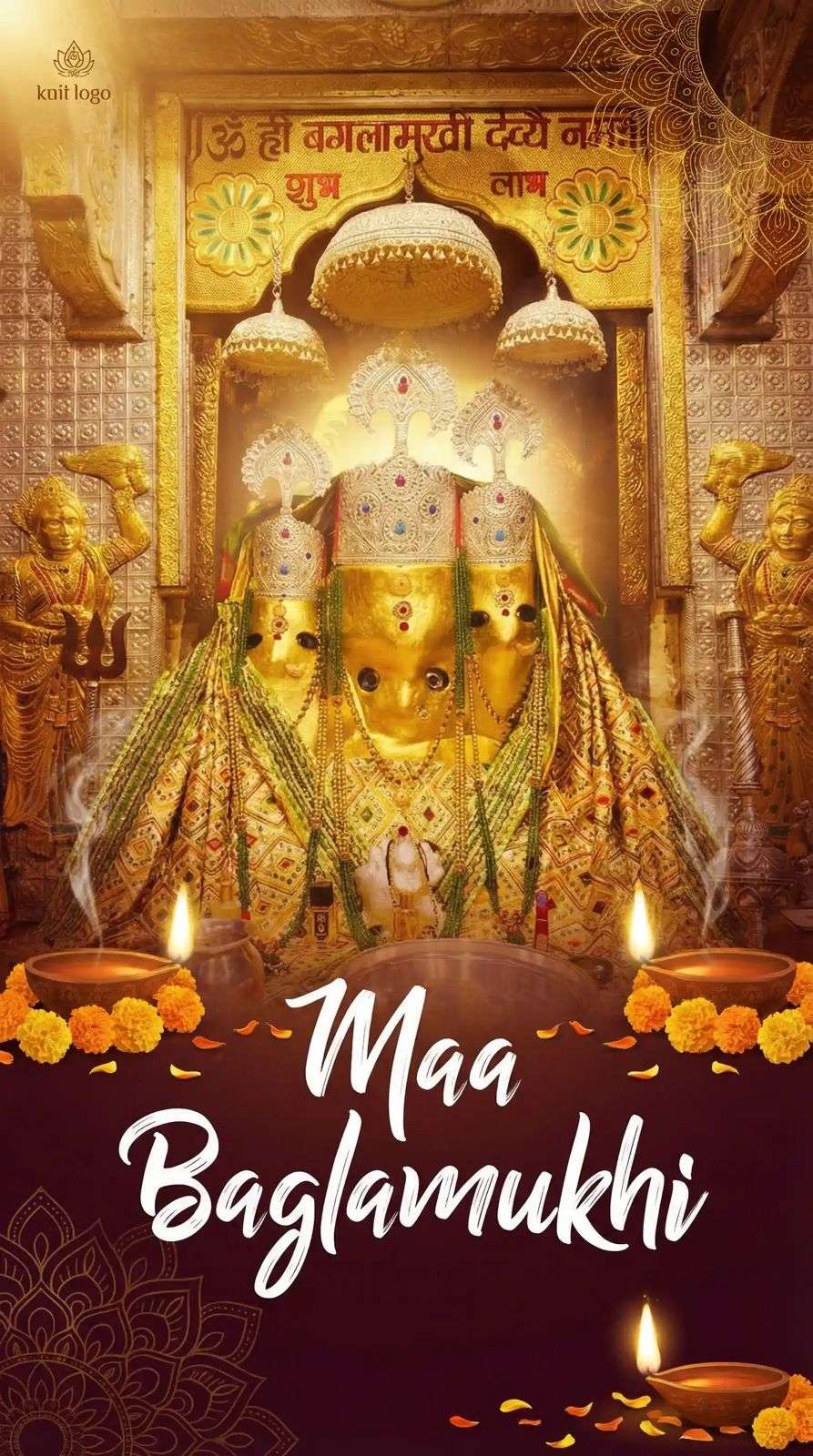
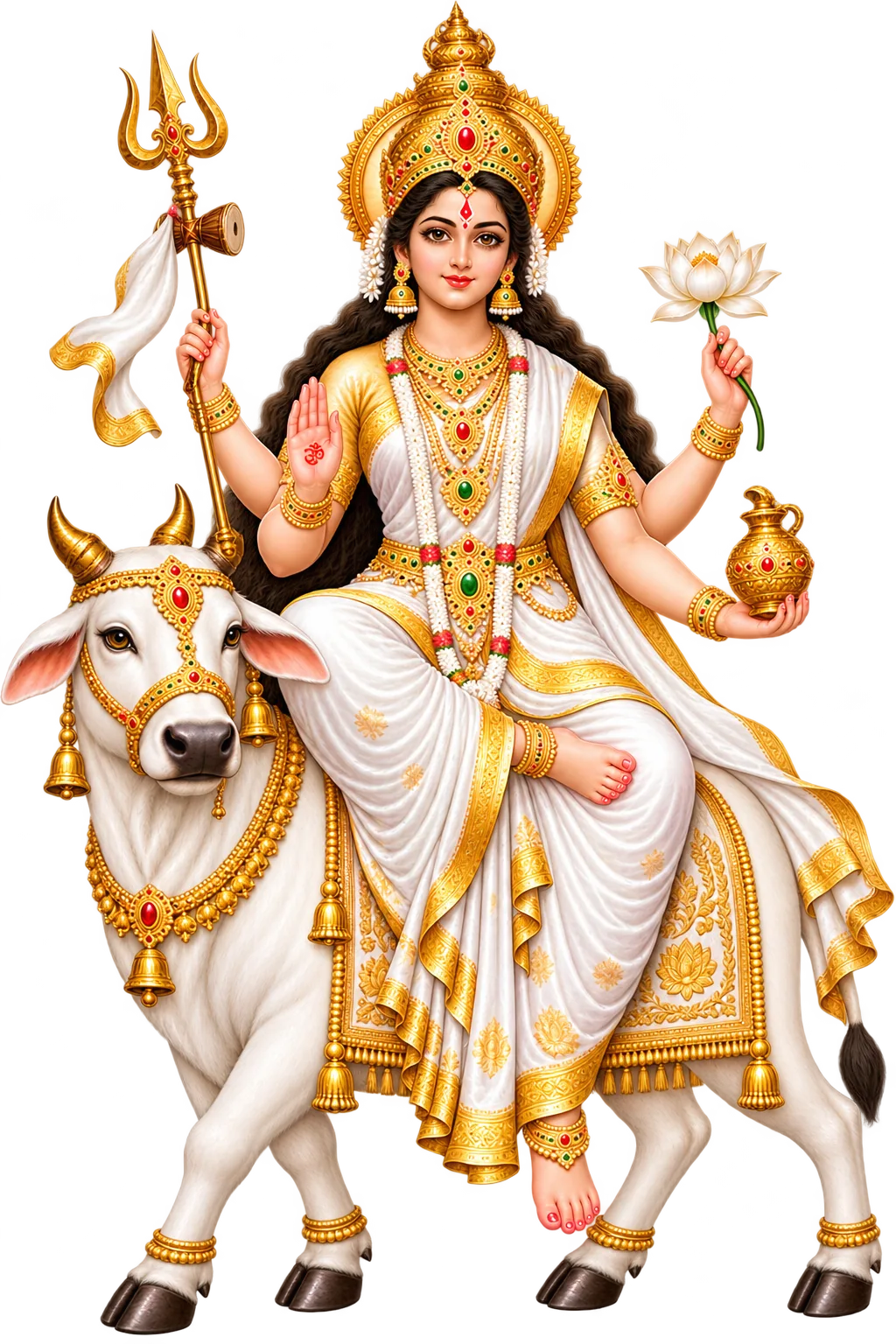
Maa Baglamukhi holds a singular place in Hindu spirituality as a stiller of conflict. Among the ten Mahavidyas, her power of stambhan calms the quarrels, ego, and interference that divide a family, while her grace helps unity and understanding return. For a household in discord, her blessings bring peace back home.
Her name reveals her nature: "Bagla" means bridle and "Mukhi" means face - she is the Goddess who restrains every disruptive force. For family peace, devotees seek her grace for:
The calming of the arguments and tension that trouble the home.
The softening of stubbornness and the clearing of miscommunication.
The stilling of outside voices and divided loyalties that deepen conflict.
The return of togetherness, understanding, and warmth among members.
The grace for a household bound by harmony across generations.
Her worship restores harmony through mutual understanding, never by controlling anyone. For families under heavy strain, a Maa Baglamukhi Hawan - a sacred fire ceremony in which mantras are chanted while oblations meet the consecrated flame - is traditionally recommended, and is deeply calming and unifying for a troubled home. Learn more about Maa Baglamukhi Hawan →
For stilling discord and restoring harmony, the Baglamukhi Karya Siddhi Mantra is powerfully apt - it invokes the restraining of sarva dushtanam, all the negative forces and conflicts that disturb peace. Recited with devotion and a pure heart, it calms the tension in a home and invites the return of unity and love.
ॐ ह्लीं बगलामुखी सर्वदुष्टानां वाचं मुखं पदं स्तम्भय जिह्वां कीलय बुद्धिं विनाशय ह्लीं ॐ स्वाहा।
Om Hleem Baglamukhi Sarvadushtanam Vacham Mukham Padam Stambhaya Jivhaam Keelaya Buddhim Vinashaya Hleem Om Swaha
| Detail | Information |
|---|---|
| Devanagari | ॐ ह्लीं बगलामुखी सर्वदुष्टानां वाचं मुखं पदं स्तम्भय जिह्वां कीलय बुद्धिं विनाशय ह्लीं ॐ स्वाहा। |
| English Meaning | Om, I invoke the power of Maa Baglamukhi. May she restrain all adversaries and negative forces, and may every discord be stilled. Swaha. |
| Spiritual Benefits | Stills household quarrels; dissolves ego and misunderstanding; restrains interference; restores unity, love, and understanding; brings lasting peace to the home. |
| Best Time | Brahma Muhurta (4:00 AM – 6:00 AM), after the morning bath. Also effective during evening worship at the family altar. |
| Recommended Jaap | 108 times daily using a turmeric (haldi) mala or yellow sandalwood mala. |
| Jaap Duration | Minimum 40 consecutive days (one mandala) without break. |
| Direction | Face East while chanting. Sit on a yellow or white asana. |
The Parivarik Shanti Puja is the principal Vedic ritual for restoring peace to a family. The phrase parivarik shanti means family peace. This complete ceremony unites sacred mantra recitation, traditional offerings, and a consecrated fire ritual to invoke Maa Baglamukhi's blessings - alongside those of the ancestors - for a harmonious, united home.
To still household quarrels, dissolve ego and misunderstanding, restrain interference, and create a spiritually favourable climate for unity, understanding, and lasting peace among all family members.
Rooted in authentic Vedic tradition, this puja has long been performed to restore harmony to divided households. The ritual invokes the Goddess's stilling power and the grace of the ancestors, whose blessings protect the unity of a lineage.
During Shukla Paksha (the waxing moon phase), on auspicious days, and within a muhurat fixed through Vedic astrology. Many families perform it during a period of conflict or to restore lasting harmony to the home.
The puja opens with Sankalp (a formal declaration of intent for the family), followed by Ganesh Puja, Navagraha Puja - with emphasis on strengthening the Moon and 4th house and pacifying Mars - and, where indicated, a Pitru ritual for ancestral blessings. The main Baglamukhi Puja follows with offerings of yellow flowers, turmeric, honey, yellow rice, betel nut, and ghee, and a hawan (sacred fire ceremony) concludes the ritual. View full puja details →
For families whose charts reveal Pitru Dosha, an afflicted 4th house, or an aggravated Mars, a dedicated Graha Shanti Puja can be performed alongside to strengthen harmony.
For families under deep or long strain, Maa Baglamukhi Anushthan offers the most sustained blessings for peace and unity.
Families who turn to Maa Baglamukhi worship for peace traditionally experience a range of spiritual and emotional blessings:
The frequency and heat of conflicts in the home start to ease.
Communication softens, and members read one another more kindly.
Stubbornness gives way to willingness and understanding.
The outside voices and rifts deepening conflict lose their force.
Distance and division give way to togetherness and warmth.
Strained relationships between members begin to mend.
Where the ancestors are honoured, their blessings uplift the family's harmony.
A tense household settles into calm and belonging.
Note: These are traditional spiritual benefits drawn from devotional experience and scriptural references. Individual experiences vary. The worship restores harmony through mutual understanding and never controls anyone.
Recite the Baglamukhi Karya Siddhi Mantra 108 times each morning, with a sincere prayer for peace in your family. This is the most powerful daily remedy available.
Gather as a family before the home altar for a short daily prayer and aarti. Shared devotion softens hearts, dissolves distance, and rebuilds the family bond.
Show respect and care for the elders of the family, and honour the ancestors with prayers and offerings, especially during Pitru Paksha. Ancestral blessings are traditionally believed to protect and unite a family.
Worship Goddess Annapurna, who blesses a home with nourishment and harmony, inviting peace and plenty into the household.
Where ego and anger run high, honour Lord Hanuman and Mars on Tuesdays, seeking the calming of the heat that fuels family conflict.
Eat together as a family whenever possible. A shared meal is a simple, powerful act of togetherness that nourishes both body and bond.
Light a ghee lamp at the family altar each morning and evening for peace, positivity, and grace in the home.
Alongside worship, practise patience, forgiveness, and gratitude toward one another. Grace works most fully where hearts are willing to soften.
For families under deep strain, Maa Baglamukhi Anushthan - conducted over 9, 21, or 40 days under an experienced Vedic priest - offers the most sustained blessings for peace and unity. Learn about Anushthan →
Authentic worship restores harmony through mutual understanding - never by controlling or overpowering anyone's will. Such intent corrupts the practice.
Spiritual practice works best alongside honest dialogue, patience, and forgiveness among members; it does not replace them.
Where a situation is abusive or unsafe, please seek trusted support; worship is not a substitute for safety.
Skipping days weakens the practice. Once a mandala begins, complete it unbroken.
Learn the right pronunciation from a qualified guru or priest; faulty recitation weakens the practice.
Peace grows when both the worship and each member's willingness to forgive and understand meet.
The Tantric tradition advises keeping mantra and puja details private to preserve their power.
A divided home can find its way back to warmth, unity, and love. If quarrels and distance have troubled your family, it may be time to seek Maa Baglamukhi's grace through the sacred Parivarik Shanti (Family Peace) Puja, alongside your family's own sincere efforts.
Maa Baglamukhi Guru, Nalkheda, Madhya Pradesh - your trusted centre for authentic Vedic spiritual guidance. Our experienced Vedic pandits will study the family's charts and circumstances, identify the influences affecting your home, and perform personalised rituals to still discord and restore harmony.
Whether you seek a complete Parivarik Shanti Puja, a Maa Baglamukhi Hawan for peace, a Pitru ritual for ancestral blessings, or a Graha Shanti Puja for planetary appeasement - we offer traditional, authentic services both in person at Nalkheda and online for devotees across India and abroad.
Everything you need to know about Naukri Prapti Puja at Nalkheda.