🌸 GUPT NAVRATRI 2026 BOOKING OPEN (15-23 JULY) | 🔱 10,000+ SUCCESSFUL ANUSHTHANS | 🛡️ COMPLETE VEDIC REMOVAL OF BLACK MAGIC | ⚖️ COURT CASE VICTORY SUPPORT | 🔥 SIDDHA PEETH SPECIAL ANUSHTHAN SEVA | 🌍 WORLDWIDE PRASAD DELIVERY | 📿 LIVE SANKALP VIDEO CALL AVAILABLE
Maa Baglamukhi Guru
SACRED VEDIC PUJA FOR DISEASE HEALING

Disease Healing: Spiritual Strength and Grace Through Maa Baglamukhi

Illness tests not only the body but the spirit - bringing fear, exhaustion, and uncertainty along with physical suffering. In such times, many seek not only the care of doctors but also the strength, peace, and grace that faith can bring. In the Vedic tradition, the divine is invoked to support recovery, to grant the mind calm and the heart hope, and to bless the healing journey with grace. Maa Baglamukhi, alongside the traditional deities of healing, is worshipped by devotees seeking divine support during illness. This spiritual support is always a complement to proper medical treatment - never a replacement for it.

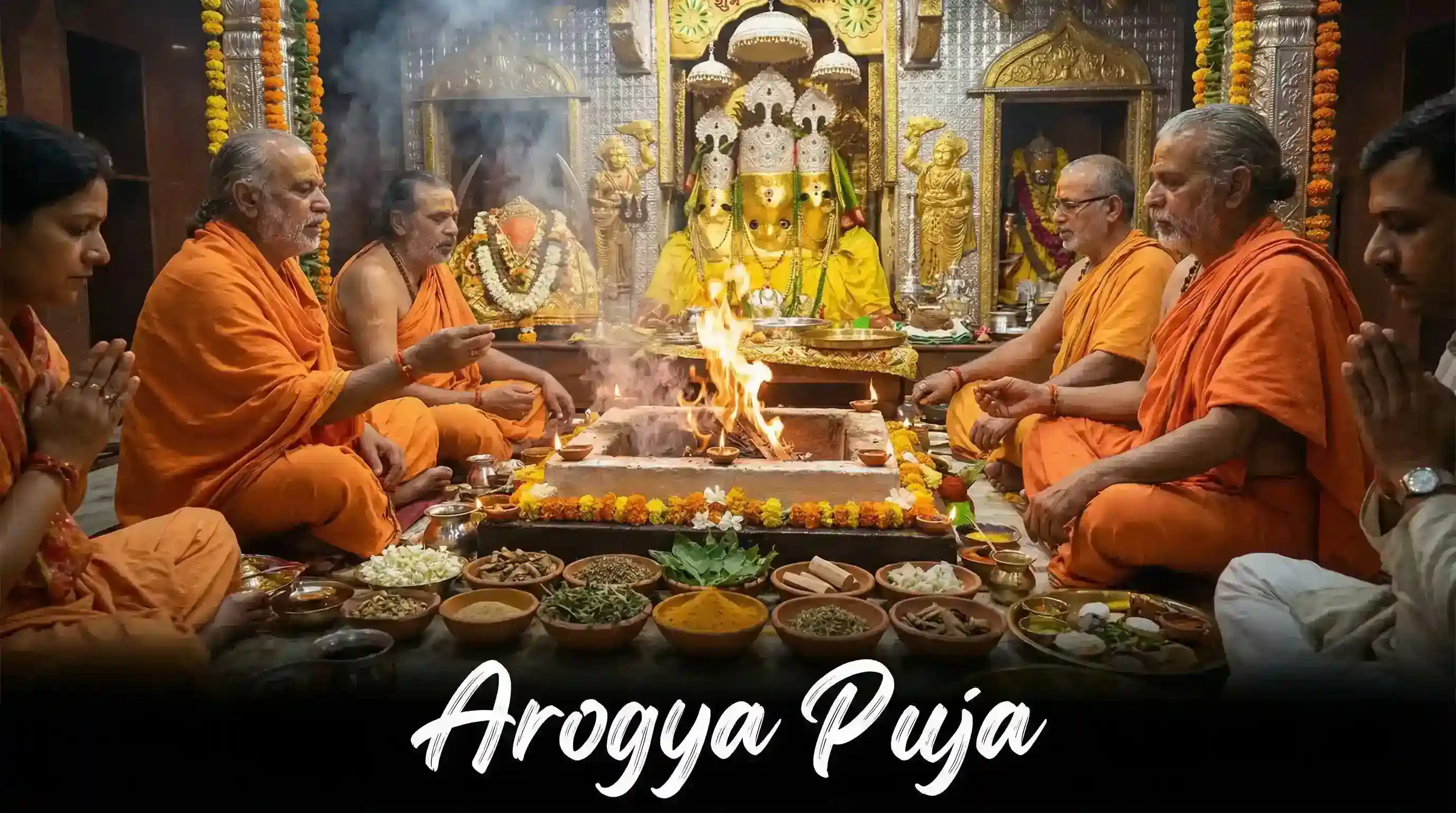
Maa Baglamukhi Arogya Prapti Puja at Nalkheda

In the Vedic tradition, health is a blessing, and the divine is invoked to support healing and grant strength during illness. Maa Baglamukhi, one of the ten Mahavidyas, is revered for removing obstacles and negativity and for granting inner strength and peace. Alongside Lord Dhanvantari, the divine physician, and Lord Shiva as Mahamrityunjaya, the conqueror of death and giver of health and longevity, her grace is sought to support a devotee through illness - bringing calm, courage, and hope. This spiritual worship walks hand in hand with medical treatment; it is never a substitute for the care of qualified doctors.

This page explains how authentic Vedic practices, the sacred Baglamukhi Gayatri Mantra, the Mahamrityunjaya Mantra, and the Arogya Prapti (Disease Healing) Puja can offer spiritual support during illness - easing the path toward strength, peace, and grace, alongside proper medical care.

Important health note: Spiritual practices are a source of strength, peace, and grace - they do not diagnose, treat, or cure disease, and are never a replacement for medical care. Please always consult qualified doctors, follow your prescribed treatment, and seek professional medical help for any illness. This worship complements that care; it never replaces it.

Quick Answer: How can spiritual practices support disease healing?

In the Vedic tradition, spiritual practices are sought to grant strength, peace, hope, and divine grace during illness - supporting a devotee's wellbeing and morale as they undergo medical treatment. Maa Baglamukhi is worshipped to remove negativity and grant inner strength, alongside the Mahamrityunjaya Mantra and Dhanvantari, the healing deities. The Arogya Prapti Puja is a Vedic ritual - combining sacred mantras, offerings, and a hawan - performed to invoke grace and support during illness. Crucially, these practices always complement medical treatment and never replace the care of qualified doctors, which remains essential.

Disclaimer: All remedies, mantras, and rituals described here are traditional Hindu spiritual practices based on faith and scripture. No guaranteed outcomes are promised. Spiritual practices are meant to complement sincere personal effort and professional preparation.
What Weighs on Those Facing Illness?

Suffering of Illness

The suffering of illness, the physical toll of disease on the body.

Prolonged or Chronic Condition

A prolonged or chronic condition, an illness that persists despite treatment.

Difficult Recovery

A difficult recovery, healing that is slow or uncertain.

Fear and Anxiety

Fear and anxiety, the emotional weight of a diagnosis or ongoing illness.

Low Spirits & Exhaustion

Low spirits, exhaustion, discouragement, or loss of hope.

Worry for a Loved One

Worry for a loved one, the pain of watching someone dear fall ill.

Need for Strength

A need for strength, longing for the courage to face treatment.

Wish for Grace

A wish for grace, seeking divine support on the healing journey.

Need Urgent Spiritual Guidance?

Speak directly with Pandit Ji for immediate consultation & remedy advice.

100% Confidential Daily 10 AM to 8 PM Personal Sankalp

Connect with Pandit Ji

Connect with Acharya Vishnu Sharma for authentic guidance and rituals.

Your message has been sent! Pandit Ji will review and respond shortly.
Submission failed. Please try again or call +91 73895 67650.
Your information is safe with us.

How Does the Vedic Tradition View Illness and Healing?

Alongside medical understanding, the Vedic tradition offers a spiritual perspective on illness and recovery. These are beliefs held by millions of devotees, not scientific or medical claims, and they never replace medical understanding.

Karmic Influences

Hindu philosophy teaches that health and illness are shaped in part by karma. Spiritual practice, charity, and good deeds are believed to help ease karmic burdens, supporting one's wellbeing alongside medical care.

Planetary Positions (Graha Dosha)

Vedic astrology associates health with the ascendant and 1st house (the body and vitality), the 6th house (disease), and the 8th house (chronic conditions and longevity), along with planets such as the Sun (vitality) and Moon (the mind). Difficult planetary periods are sometimes linked to times of ill health. A Graha Shanti Puja by an experienced Vedic priest is sought to bring grace during such periods - as a spiritual support, not a medical treatment.

Negative Energies

Tradition holds that negativity or the evil eye can weigh on one's wellbeing and spirits. Cleansing and protective practices are believed to lift such heaviness.

The Healing Deities

The tradition holds Lord Dhanvantari as the divine physician and Lord Shiva as Mahamrityunjaya, the giver of health and longevity, whose grace is sought for wellbeing.

The Strength of Faith

In the Vedic worldview, faith brings calm, courage, and hope - qualities that support a person's morale and spirit through the trials of illness and treatment.

How Does Maa Baglamukhi Support Healing?

Maa Baglamukhi holds a singular place in Hindu spirituality as a remover of obstacles and negativity and a giver of inner strength. Among the ten Mahavidyas, her grace is sought to lift the heaviness of negativity, to grant calm and courage, and to support a devotee's spirit through illness - always alongside, and never in place of, medical care.

Her name reveals her nature: "Bagla" means bridle and "Mukhi" means face - she restrains what troubles the devotee. For disease healing, devotees seek her grace for:

Inner Strength and Courage

The fortitude to face illness and treatment with steadiness.

Peace and Calm

The easing of fear, anxiety, and distress during illness.

Removal of Negativity

The lifting of negative energies that weigh on one's spirits.

Hope and Faith

The renewal of hope and trust in the healing journey.

Divine Grace for Recovery

The blessing of grace to support wellbeing, alongside medical care.

Her grace supports the spirit and complements medical treatment. For spiritual support during illness, a Maa Baglamukhi Hawan or a Mahamrityunjaya Hawan - sacred fire ceremonies in which healing mantras are chanted - is traditionally recommended. Learn about Maa Baglamukhi Hawan →

Which Mantras Support Healing? Baglamukhi Gayatri & Mahamrityunjaya

For grace and peace during illness, devotees turn to the Baglamukhi Gayatri Mantra, chanted alongside the Mahamrityunjaya Mantra - the great healing mantra of Lord Shiva, revered for health and longevity. Recited with devotion, they invoke divine grace and inner strength, as a spiritual support to medical care.

SACRED MANTRA

ॐ बगलामुख्यै च विद्महे स्तम्भिन्यै च धीमहि। तन्नो देवी प्रचोदयात्॥

Om Baglamukhyai Cha Vidmahe Stambhinyai Cha Dheemahi, Tanno Devi Prachodayat

Detail Information
English Meaning Om, we contemplate the Goddess Baglamukhi; we meditate upon her power. May the Goddess illumine us and bless us with strength and grace.
Spiritual Benefits Grants inner strength and courage; brings peace and calm; removes negativity; renews hope and faith; invokes grace to support the healing journey.
Companion Mantra The Mahamrityunjaya Mantra - Om Tryambakam Yajamahe Sugandhim Pushtivardhanam, Urvarukamiva Bandhanan Mrityor Mukshiya Maamritat - is chanted for health and longevity.
Best Time Brahma Muhurta (4:00 AM – 6:00 AM), after bathing; and during sandhya.
Recommended Jaap 108 times daily using a turmeric (haldi) or rudraksha mala.
Jaap Duration Maintained regularly for ongoing grace and strength.
Direction Face East while chanting. Sit on a clean asana.

How Should the Mantra Be Practised?

Follow your doctor's treatment and advice first and always; the mantra is a spiritual support, not a substitute.
Bathe before chanting where possible, and sit or rest in a clean, calm space.
Light a ghee lamp and incense before beginning, if you are able.
Use a turmeric or rudraksha mala for counting, or chant gently as your strength allows.
Hold the mind on the divine with a sincere prayer for strength, peace, and grace.
A family member may chant on behalf of one who is too unwell to do so.
Chant with faith and calm, letting the practice soothe the mind and lift the spirit.
Keep to a light, sattvic diet as your doctor permits.
Let devotion bring peace; never let it replace medicine or delay medical care.

Which Ritual Is Recommended?
Arogya Prapti (Disease Healing) Puja

The Arogya Prapti Puja is the traditional Vedic ritual for seeking health and wellbeing. The phrase arogya prapti means the attainment of health. This ceremony unites sacred mantras, offerings, and a consecrated fire ritual to invoke divine grace and strength during illness - as a spiritual complement to medical treatment.

Purpose

To invoke grace, inner strength, peace, and hope during illness, to remove negativity, and to support the devotee's wellbeing and morale - alongside, never instead of, medical care.

Traditional Importance

Rooted in authentic Vedic tradition, the worship of the healing deities - Dhanvantari and Mahamrityunjaya - and the Goddess's grace have long been sought for wellbeing. The ritual brings spiritual solace and strength to those facing illness.

When Devotees Perform It

During Shukla Paksha (the waxing moon phase), on Mondays (sacred to Shiva) or auspicious days, and within a muhurat fixed through Vedic astrology, often during illness or a difficult health period.

Key Components

The puja opens with a Sankalp for the wellbeing of the one who is ill, followed by Ganesh Puja, the Mahamrityunjaya Jaap and Dhanvantari worship for health, and Navagraha Puja for grace during a difficult planetary period. The Baglamukhi Puja follows with offerings of yellow flowers, turmeric, honey, yellow rice, betel nut, and ghee, invoking strength and the removal of negativity. A hawan (sacred fire ceremony) concludes the ritual. Learn about Baglamukhi Puja →

Where the chart shows a difficult health period, a Graha Shanti Puja can be performed alongside for grace. This is always in addition to, never instead of, medical treatment.

For sustained spiritual support during a long illness, a Mahamrityunjaya Anushthan under an experienced Vedic priest is traditionally recommended.

What Does Maa Baglamukhi Worship Offer During Illness?

Devotees who turn to Maa Baglamukhi and the healing deities during illness traditionally seek a range of spiritual blessings - always alongside their medical care:

Inner Strength Grows

Courage and fortitude to face illness and treatment.

The Mind Finds Peace

Fear, anxiety, and distress begin to ease.

Negativity Lifts

Heaviness of spirit and negative energies are eased.

Hope Is Renewed

Faith and trust in the healing journey are restored.

Morale Improves

A steadier, more hopeful state of mind that supports recovery.

Grace Is Invoked

The blessing of the divine upon the healing journey.

The Family Finds Strength

Comfort and calm for loved ones caring for the ill.

Solace in Difficulty

The peace that faith brings in trying times.

Note: These are spiritual and emotional benefits drawn from devotional experience. They do not diagnose, treat, or cure disease. Recovery depends on medical care; this worship supports the spirit alongside it.

Who Should Perform This Puja?

  • Those suffering from illness or disease, alongside their medical treatment.
  • People facing a prolonged or chronic condition.
  • Those undergoing a difficult recovery.
  • People facing a serious diagnosis, seeking strength and grace.
  • Those needing courage and calm to face treatment.
  • Families praying for an ill loved one.
  • Those seeking spiritual support alongside medical care.
  • People facing the emotional and mental toll of illness.
  • Those in a difficult health period seeking divine grace.
  • Anyone seeking wellbeing and peace, together with proper medical care.

What Daily Practices Support Wellbeing During Illness?

1
Following Medical Treatment

First and foremost, follow your doctor's advice and prescribed treatment faithfully. This is the foundation of recovery; all spiritual practice supports it, never replaces it.

2
Daily Mantra Chanting

Chant the Mahamrityunjaya Mantra and the Baglamukhi Gayatri Mantra with devotion, seeking strength, peace, and grace. A family member may chant on behalf of one who is unwell.

3
Worship of the Healing Deities

Worship Lord Dhanvantari, the divine physician, and Lord Shiva as Mahamrityunjaya, especially on Mondays, seeking their grace for health and longevity.

4
Lighting a Ghee Lamp

Light a ghee lamp and offer a prayer for the wellbeing of the one who is ill, inviting grace and calm.

5
Cultivating Calm and Hope

Nurture a calm, hopeful state of mind. Peace and positivity support one's spirit and morale through illness and treatment.

6
Charity and Seva

Give in charity and serve others where possible - such as helping the sick or feeding those in need - as a means of inviting grace and easing karmic burdens.

7
Healthy, Sattvic Living

Keep to rest, a light sattvic diet, and healthy habits as your doctor advises, supporting the body's healing.

8
Prayer with the Family

Pray together as a family for the wellbeing of the loved one, drawing strength and comfort from shared devotion.

For sustained spiritual support during a long illness, a Mahamrityunjaya Anushthan under an experienced Vedic priest is traditionally recommended. Learn about Anushthan →

What Should Devotees Be Careful to Avoid?

Delaying or replacing medical care

This is the most important caution: never let spiritual practice delay, replace, or discourage medical treatment. Always consult qualified doctors and follow their advice; worship complements medicine, never substitutes for it.

Believing ritual alone cures disease

Spiritual practice supports the spirit and invokes grace; it does not diagnose, treat, or cure illness. Recovery rests on medical care.

Losing hope

Illness is hard, but faith and courage support the spirit; hold hope alongside your treatment.

Neglecting rest and healthy living

Support the body's healing with rest, nourishment, and your doctor's guidance.

Chanting mechanically

Chant with genuine faith and calm; devotion brings the peace that supports the spirit.

Falling prey to false promises

Be wary of anyone who promises a guaranteed cure through ritual alone; authentic practice never makes such claims.

Discussing your practice publicly

The Tantric tradition advises keeping mantra and puja details private.

Myth vs Reality

A puja can cure disease on its own, without medical treatment.
No. Spiritual practice does not diagnose, treat, or cure disease. It supports the spirit and invokes grace, but recovery rests on proper medical care, which must always be followed.
Spiritual healing can replace doctors and medicine.
Never. Authentic practice always complements medical treatment and urges consulting qualified doctors. It is a spiritual support, not a substitute for medicine.
Only Brahmins can perform healing worship.
The grace of Maa Baglamukhi and the healing deities is open to every sincere devotee, regardless of caste, gender, or background.
Faith means refusing medical care.
True faith embraces both prayer and the care of doctors. Medicine itself is a blessing; devotion and treatment walk together.
If illness persists, faith has failed.
Healing follows its own course through medical care, time, and grace. Spiritual practice offers strength and peace throughout, whatever the journey.

Begin Your Spiritual Journey Toward Healing and Strength

Illness is a trial for body and spirit alike - and while medical care heals the body, faith can bring the mind peace, courage, and hope. If you or a loved one faces illness, it may bring strength to seek Maa Baglamukhi's grace and the blessings of the healing deities through the sacred Arogya Prapti (Disease Healing) Puja, always alongside proper medical treatment.

Maa Baglamukhi Guru, Nalkheda, Madhya Pradesh - your trusted centre for authentic Vedic spiritual guidance. Our experienced Vedic pandits offer compassionate spiritual support and perform personalised rituals to invoke grace, strength, and peace during illness - always as a complement to your medical care.

Whether you seek a complete Arogya Prapti Puja, a Mahamrityunjaya Hawan or Anushthan, Dhanvantari worship, or a Graha Shanti Puja for grace during a difficult health period - we offer traditional, authentic services both in person at Nalkheda and online for devotees across India and abroad.

Why Choose Us?

  • Compassionate consultation with experienced Vedic pandits
  • Authentic Vedic rituals for strength, peace, and grace during illness
  • Both online and in-person puja arrangements available
  • Spiritual support that always complements medical care
  • Caring guidance for devotees and their families

Frequently Asked Questions

Everything you need to know about Disease Healing at Nalkheda.

Maa Baglamukhi's grace, alongside the healing deities Dhanvantari and Mahamrityunjaya, is sought to grant inner strength, peace, hope, and divine grace during illness, and to remove negativity that weighs on the spirit. This spiritual support helps a devotee's morale and calm as they undergo medical treatment - always as a complement to, never a replacement for, the care of qualified doctors.

No - absolutely not. This is the most important point. Spiritual practice does not diagnose, treat, or cure disease, and it must never replace or delay medical care. Always consult qualified doctors and follow your prescribed treatment. This worship offers spiritual strength and grace alongside your medical care; medicine remains essential.

The Mahamrityunjaya Mantra - Om Tryambakam Yajamahe Sugandhim Pushtivardhanam, Urvarukamiva Bandhanan Mrityor Mukshiya Maamritat - is the great mantra for health and longevity, chanted alongside the Baglamukhi Gayatri Mantra for strength and grace. Chant with devotion, using a rudraksha or turmeric mala, as a spiritual support to your treatment.

The Mahamrityunjaya Mantra is the sacred healing mantra of Lord Shiva, revered for health, longevity, and protection. It is traditionally chanted during illness to invoke grace, strength, and wellbeing, and is central to healing worship - as a spiritual complement to medical care, never a substitute.

Yes. Praying for the wellbeing of a loved one is deeply meaningful, and a family member may chant the healing mantras and perform the worship on their behalf, especially when the one who is ill is too unwell to do so. This offers grace and strength to the whole family, alongside the loved one's medical treatment.

This worship is sought to bring strength, peace, and grace to those facing chronic or serious illness - supporting their spirit and morale through a difficult journey. It is always a complement to, and never a replacement for, the specialist medical care that such conditions require. Please follow your doctors' guidance fully.

Yes. Illness brings fear, anxiety, and low spirits, and the worship is especially sought for the peace, courage, and hope it can bring to the mind. This spiritual and emotional support complements medical and, where needed, professional mental-health care.

Yes. Daily chanting of the healing mantras, worship of the healing deities, lighting a lamp, and prayer can all be done at home or at the bedside, alongside medical treatment. For the complete Arogya Prapti Puja, Mahamrityunjaya Hawan, or Anushthan, it is advisable to engage a qualified Vedic priest.

The healing mantras may be chanted daily for as long as strength and grace are sought, throughout the illness and recovery. A Mahamrityunjaya Anushthan over a set period may be performed for a serious condition. Throughout, medical treatment remains the foundation of recovery.

Vedic astrology associates health with the ascendant, the 6th house (disease), and the 8th house, and links difficult planetary periods to times of ill health. A Graha Shanti Puja is sought to bring grace during such periods - as a spiritual support only, never a medical treatment or a reason to alter medical care.

Offerings include yellow flowers, turmeric, and ghee for the lamp, with rudraksha for Shiva worship. Alongside, keep to rest, a light sattvic diet, and healthy habits as your doctor advises, and cultivate a calm, hopeful mind. These support the spirit and body together with medical care.

Yes. Maa Baglamukhi Guru, based in Nalkheda, Madhya Pradesh, offers both in-person and online puja arrangements, including Mahamrityunjaya Jaap and Anushthan. Experienced Vedic pandits perform personalised rituals on your behalf, with participation through live streaming. Contact us for compassionate guidance - always alongside your medical care.
WhatsApp Consultation
HOME CALL
Book Puja
CHAT PUJAS