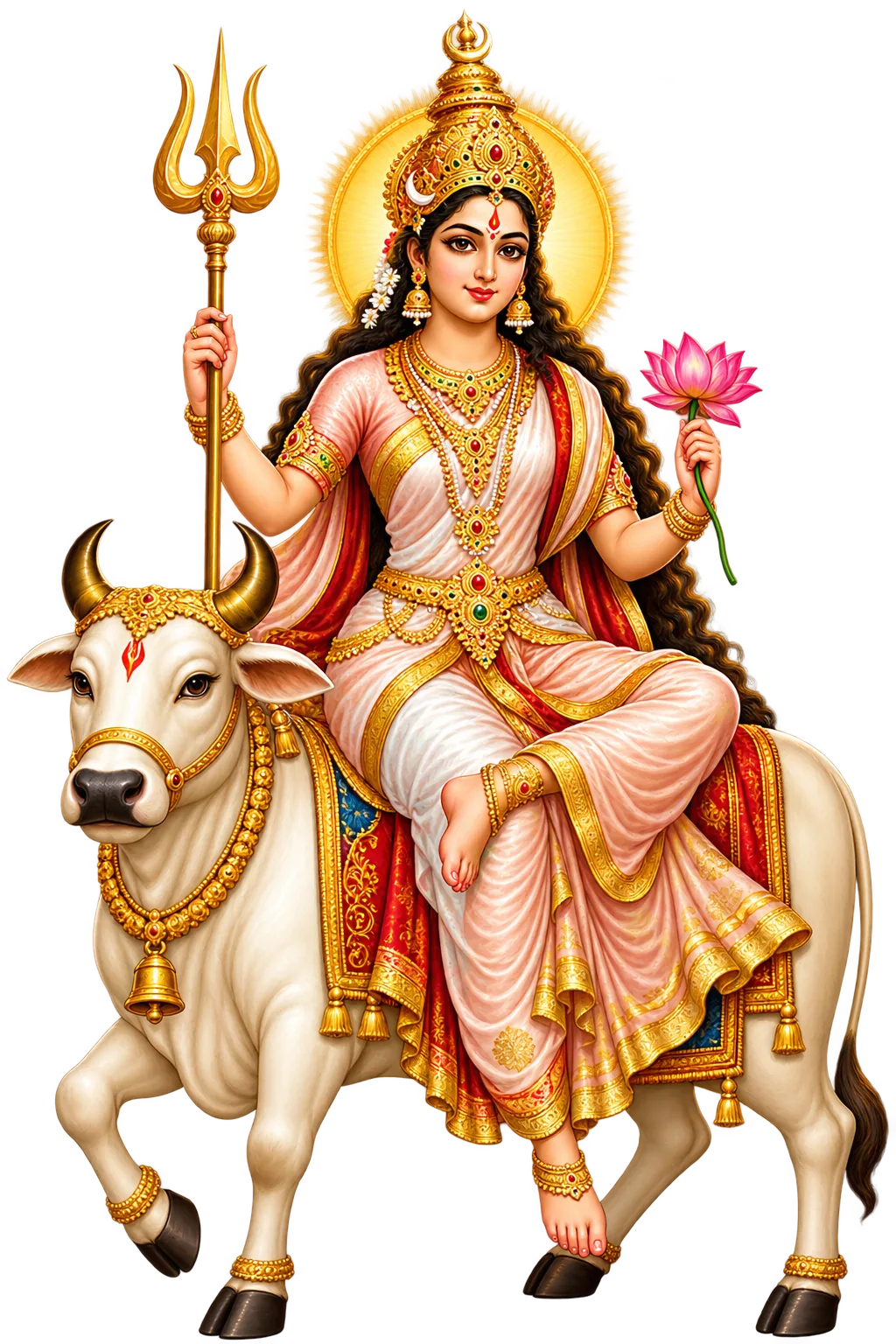
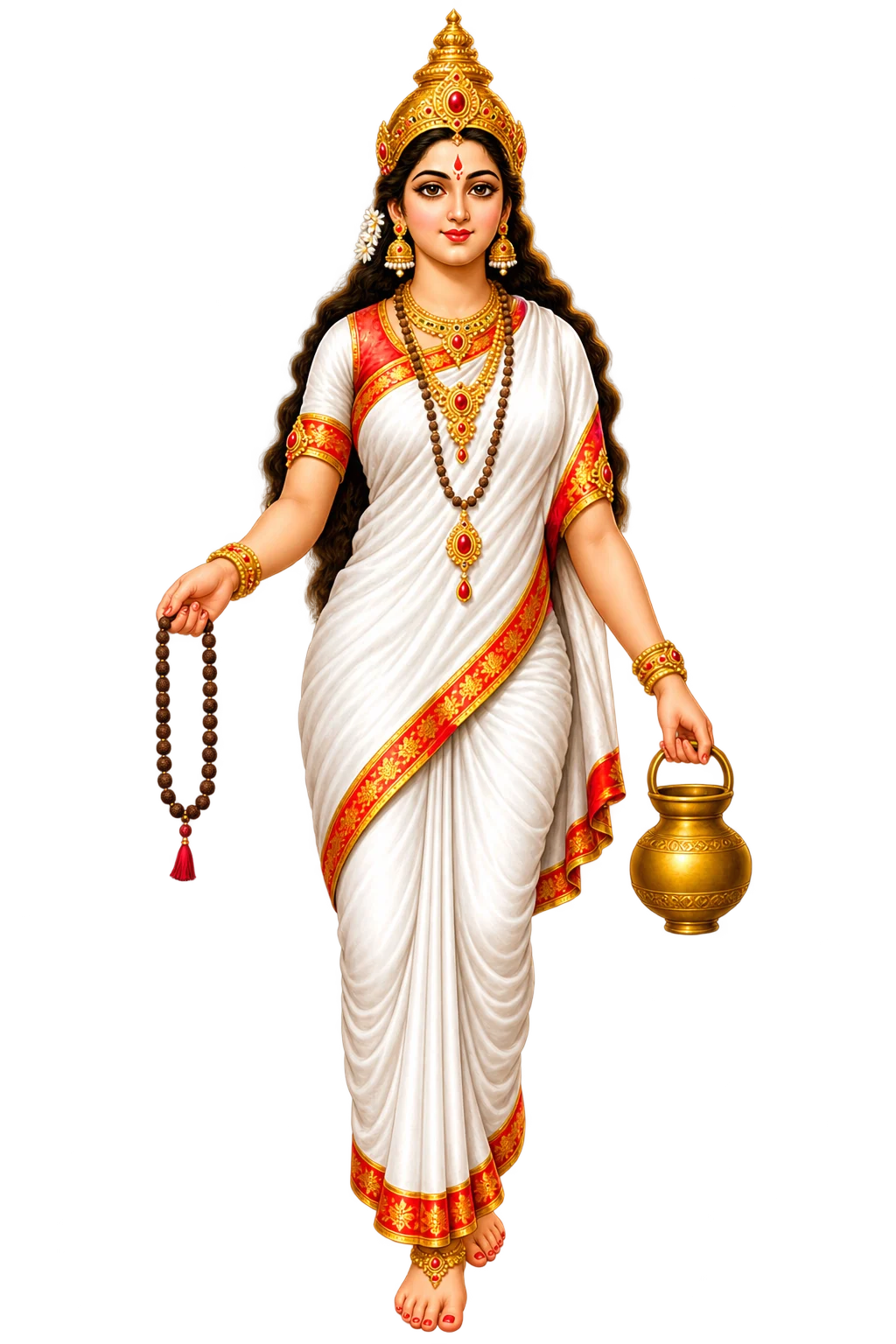
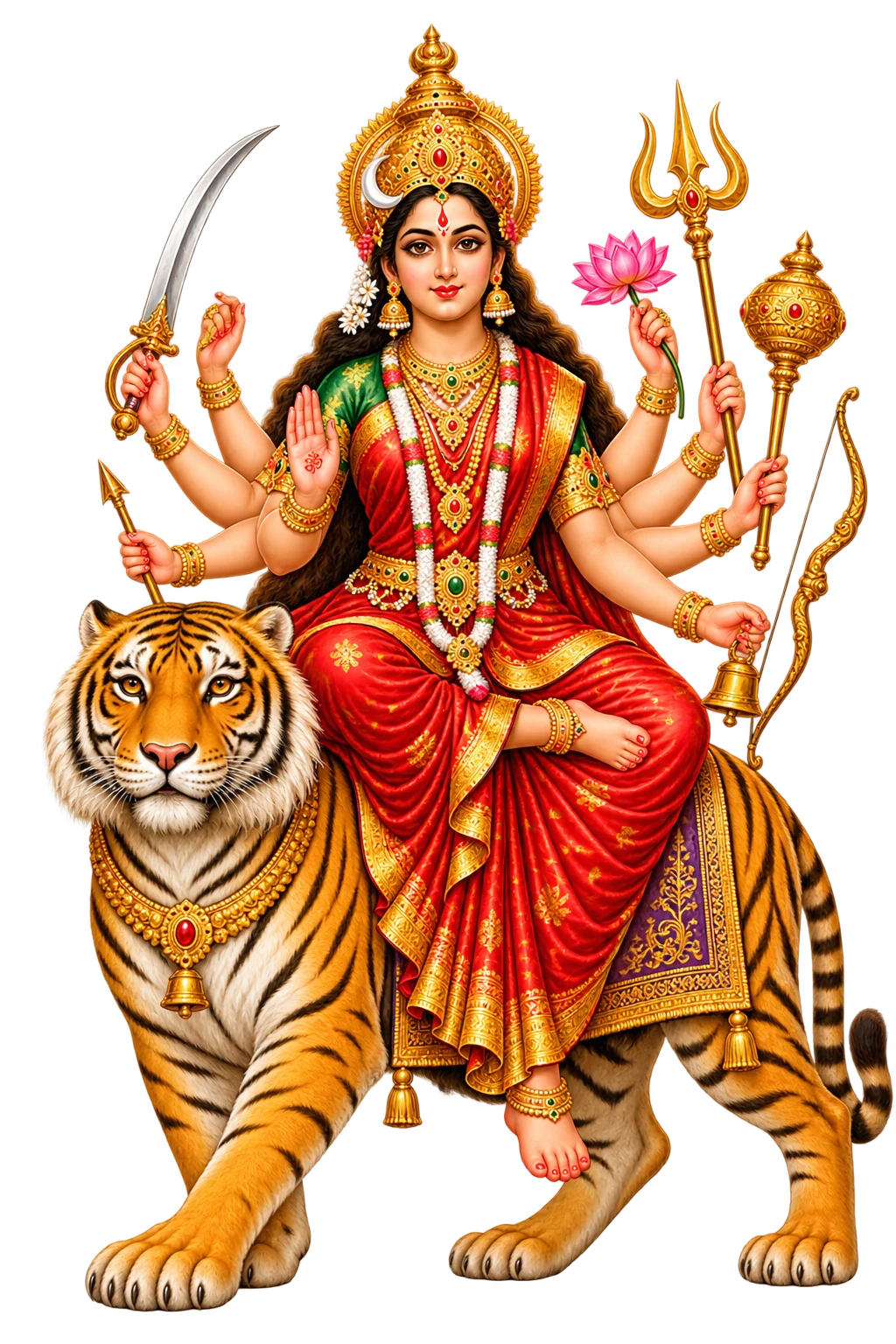
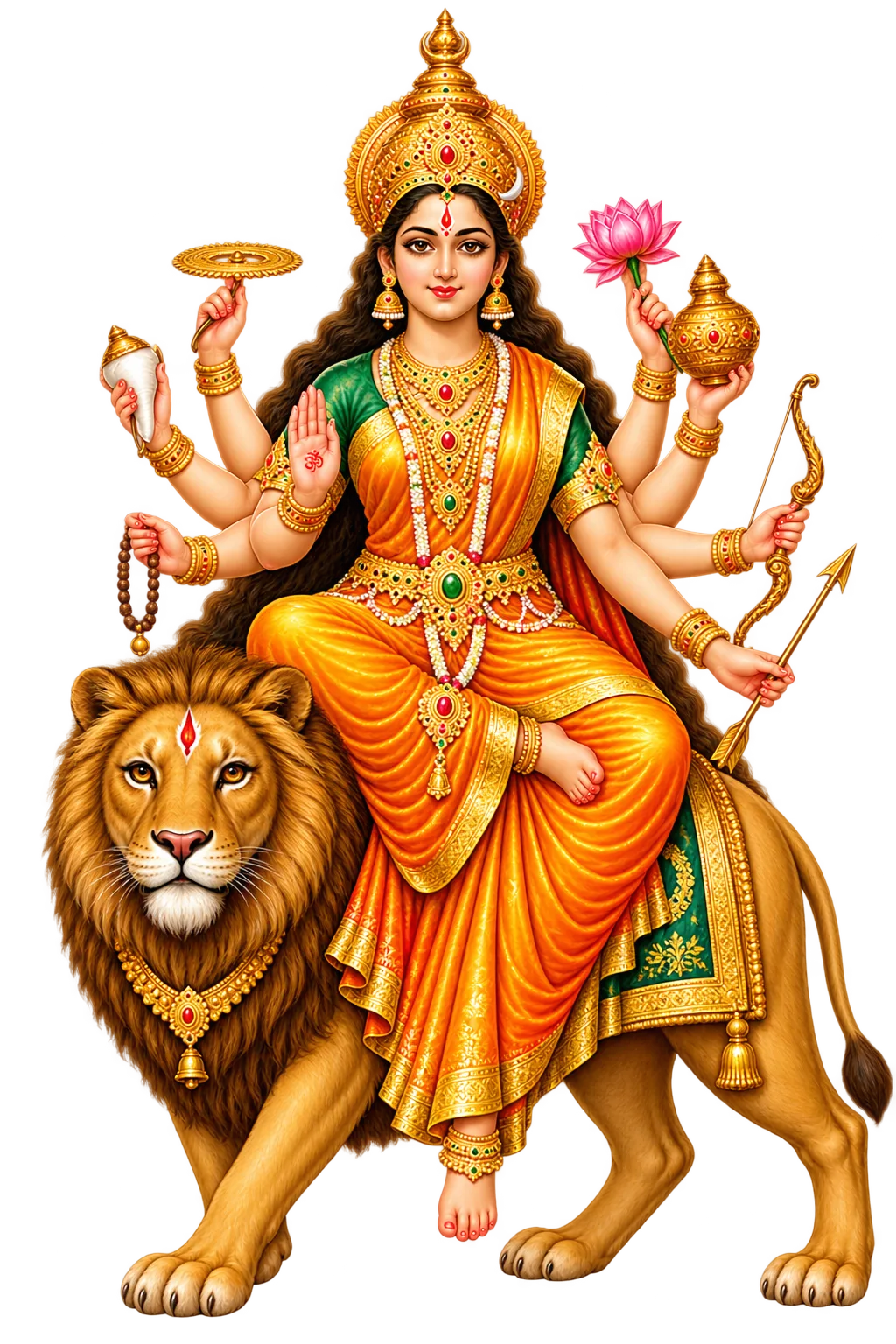
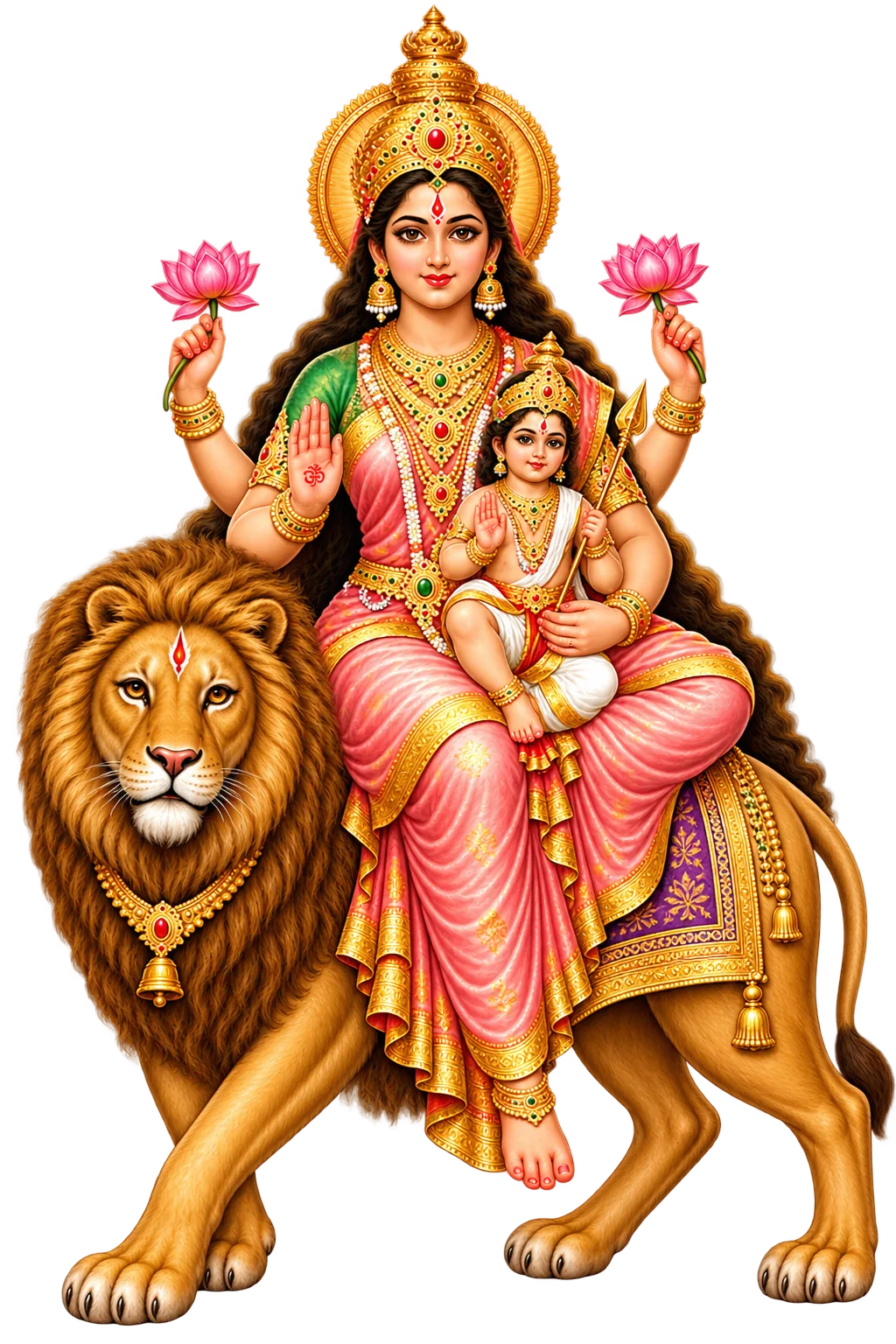
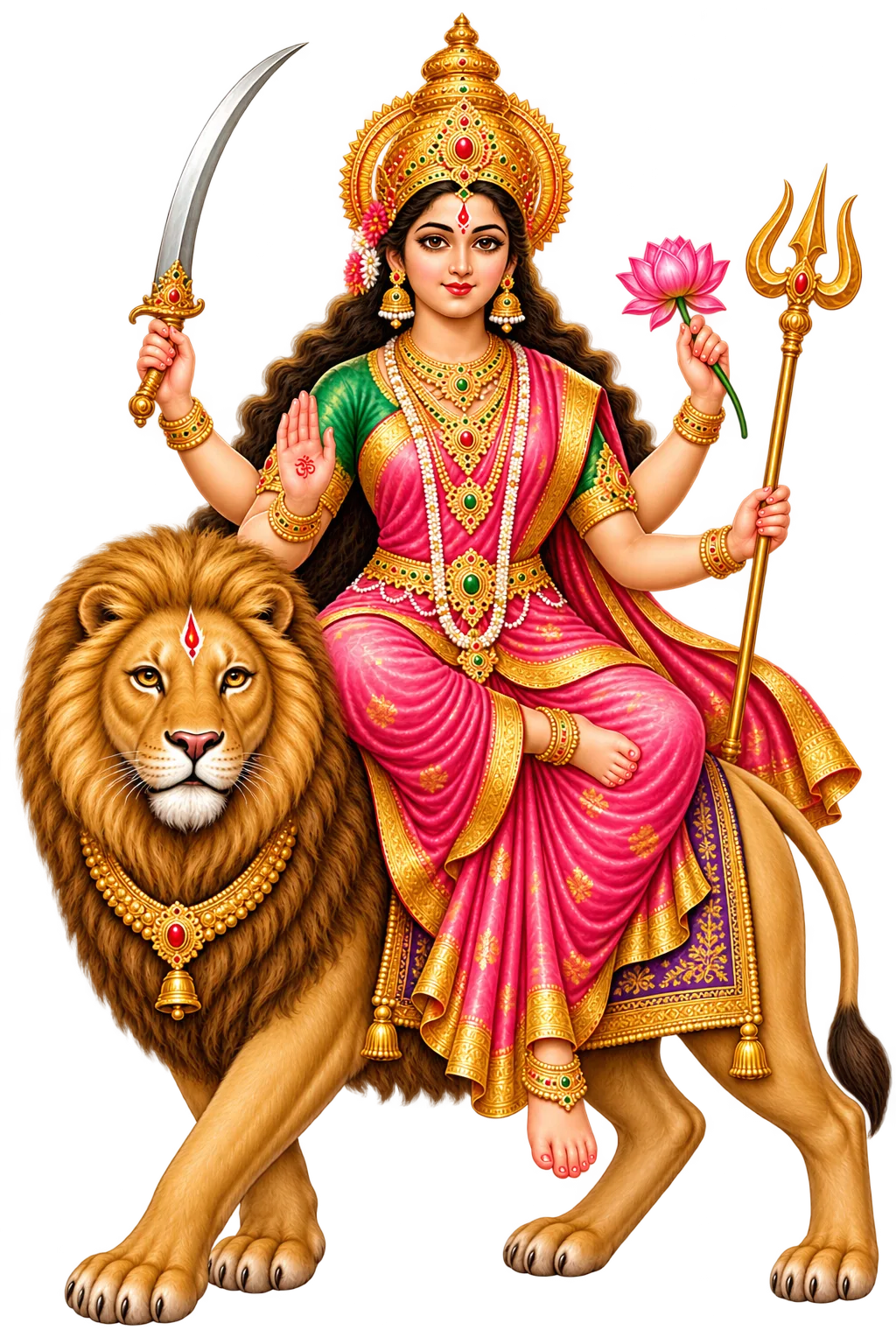
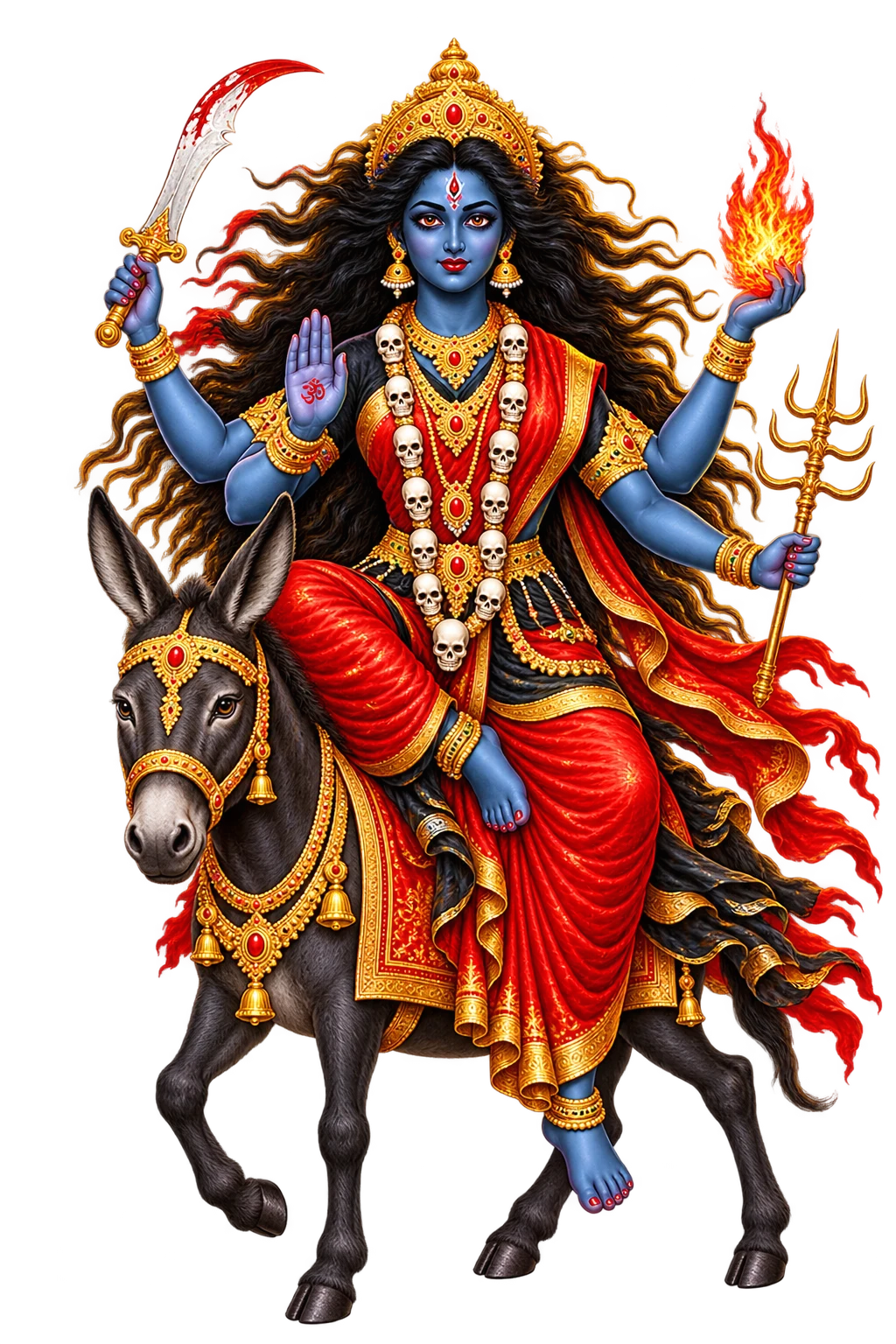
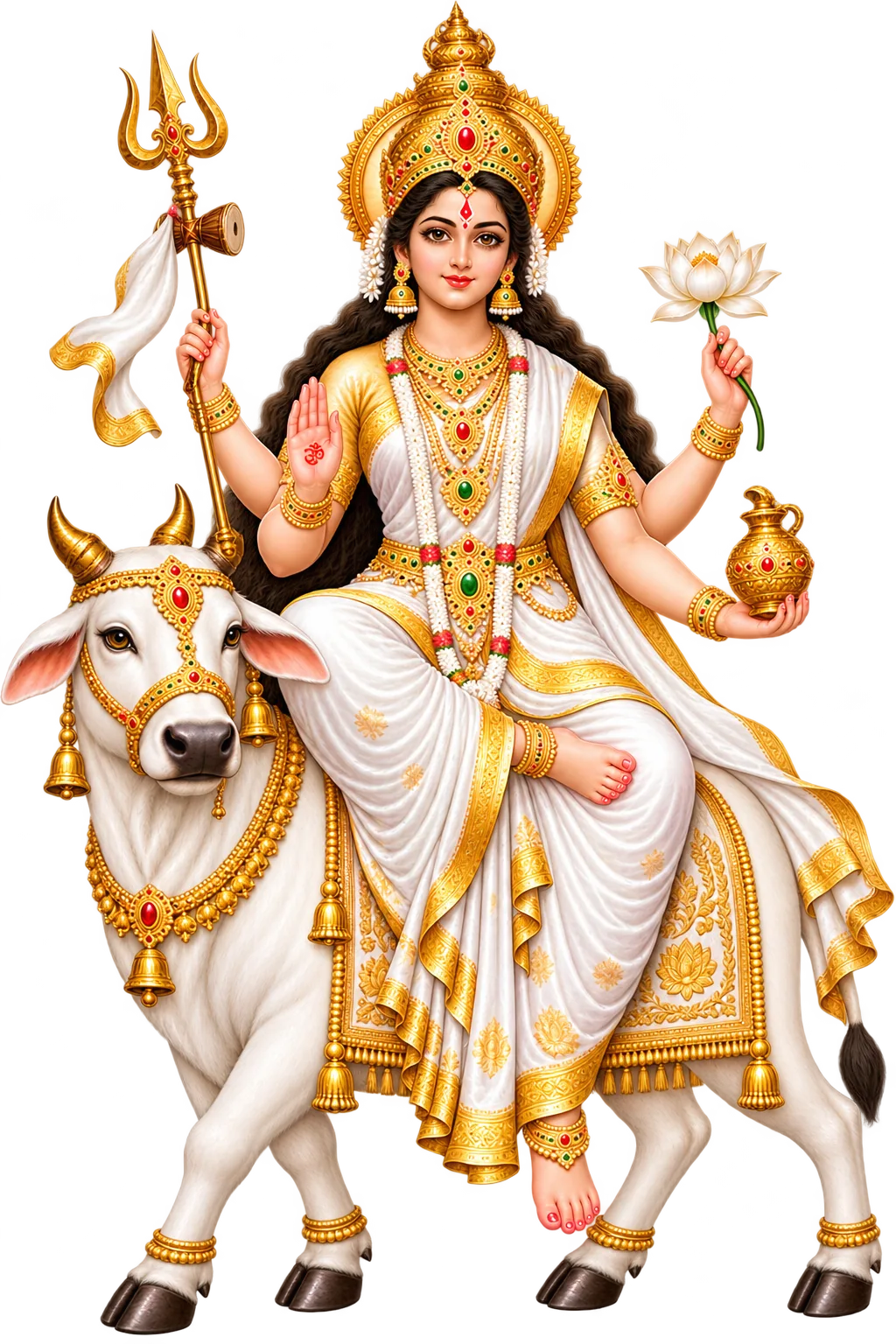
Discover the 9 forms of Maa Durga (Navdurga), Navratri Day-wise Devi, Puja Vidhi, Mantra, Bhog, Colours and the spiritual significance of each day of Sharadiya Navratri 2026.
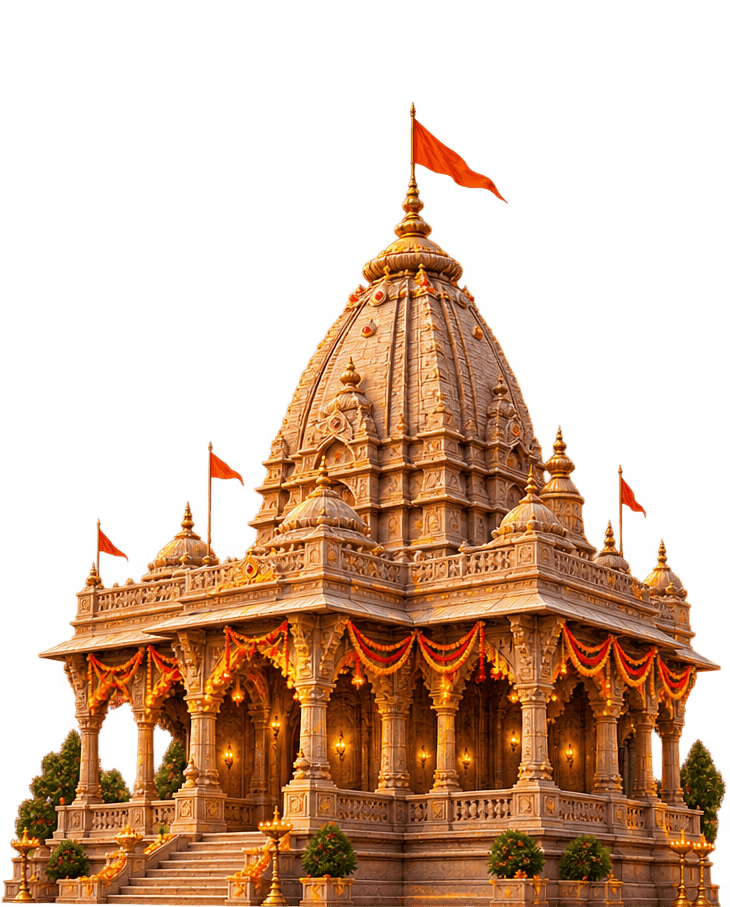
Traditional Navratri Puja at Nalkheda Siddha Peeth
11 Oct – Maa Shailputri • 19 Oct – Maa Siddhidatri
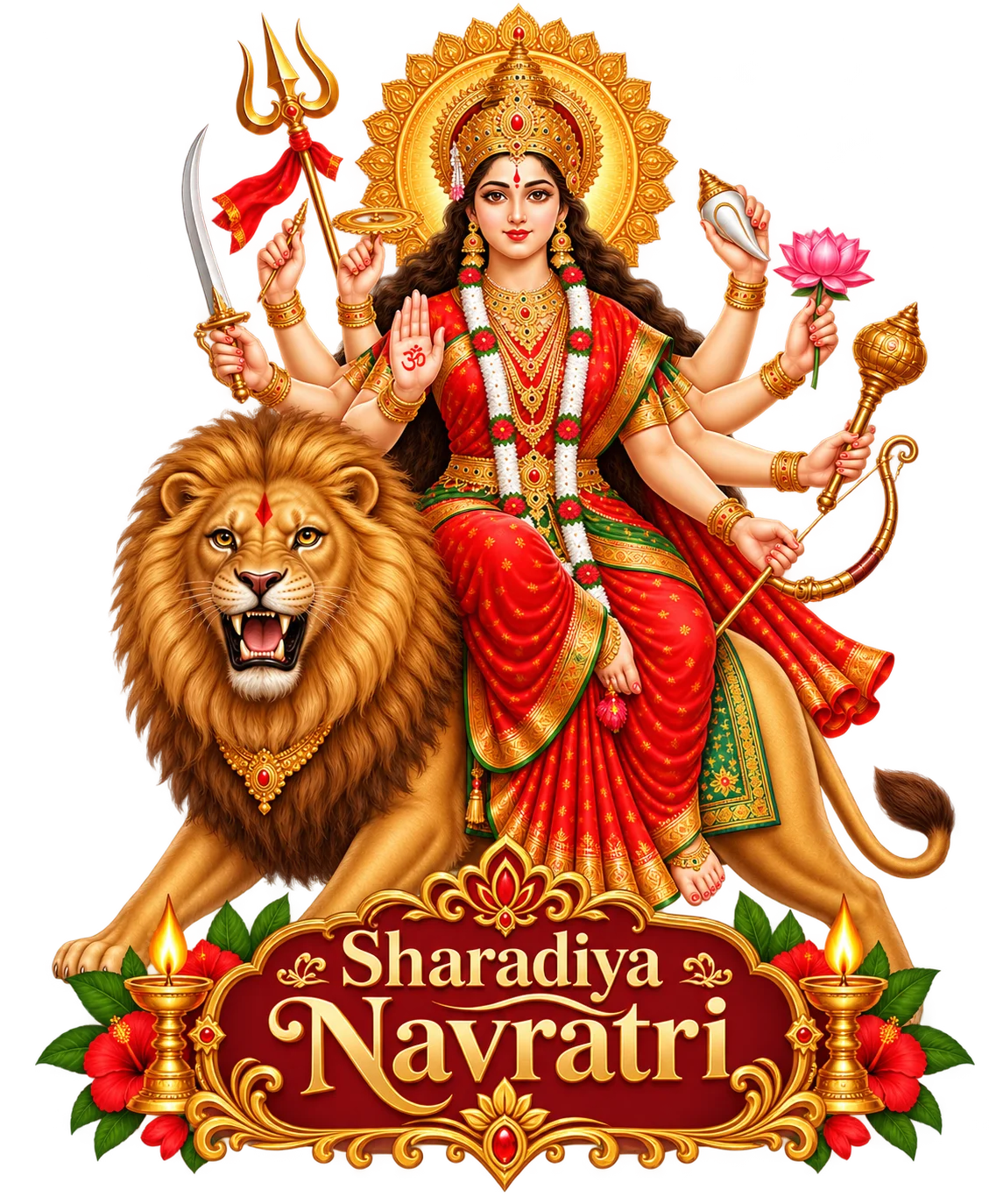
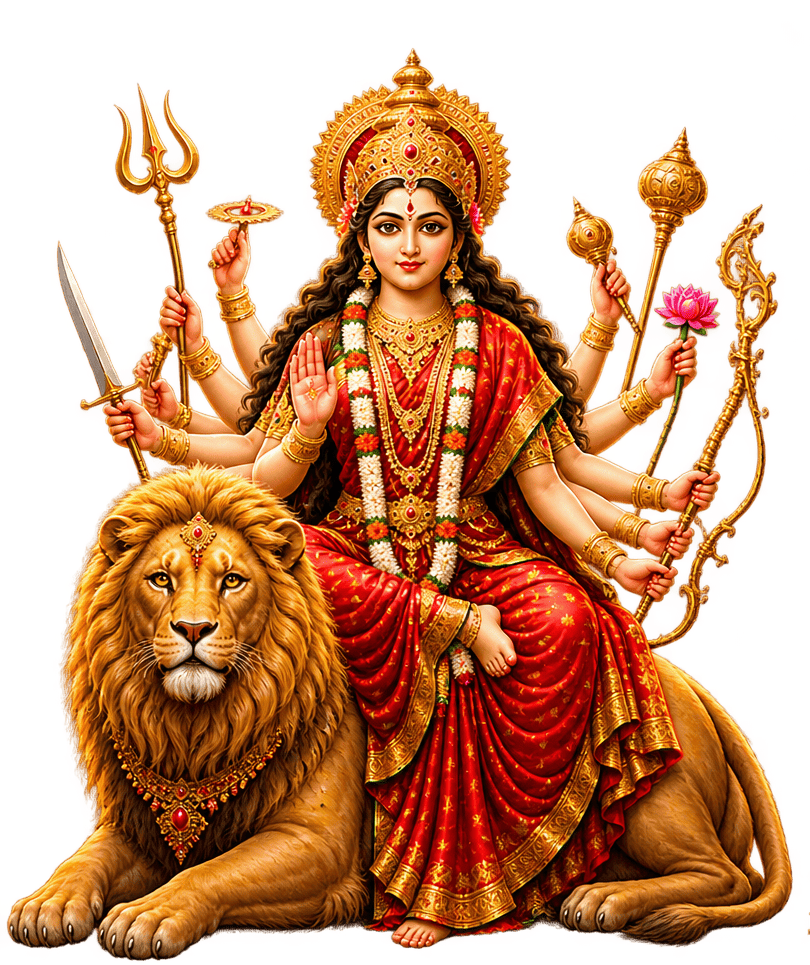
Sharadiya Navratri, also known as Shardiya Navratri or Maha Navratri, is a sacred nine-day Hindu festival dedicated to Maa Durga and Divine Shakti. In 2026, Sharadiya Navratri begins on 11 October and continues until 19 October 2026, with each day dedicated to one of the nine forms of Maa Durga, collectively known as Navdurga.
During these nine sacred days, devotees may observe Navratri Puja, Vrat, Mantra Japa, Aarti, Bhog, Durga Saptashati recitation, and Havan according to their family and regional traditions. Navratri 2026 is an auspicious period for devotees to deepen their spiritual practice, worship Maa Shakti, and seek her blessings through traditional prayers and rituals.
Connect with Acharya Vishnu Sharma for authentic guidance and rituals.
In 2026, Sharadiya Navratri begins on Sunday, 11 October, and concludes on Monday, 19 October. Ghatasthapana (Kalash Sthapana), which marks the beginning of Navratri worship, is performed on 11 October during the auspicious morning muhurat.
Please verify the Ghatasthapana Muhurat according to your city, as Tithi and Muhurat timings can vary based on local sunrise and location.
Sharadiya Navratri 2026 begins on 11 October and continues for nine sacred days through 19 October 2026. Each day of Navratri is traditionally dedicated to one of the nine forms of Maa Durga, collectively known as Navdurga.
Explore the complete Navratri 2026 day-wise calendar below and discover the Devi worshipped on each day, along with detailed Puja Vidhi, Mantra, Bhog, and significance.
The nine-day Navratri observance is followed by Vijayadashami (Dussehra) on 20 October 2026.
Navratri Colours 2026 are traditionally associated with each of the nine days of Sharadiya Navratri. Devotees often wear the designated colour of the day while worshipping the corresponding form of Maa Durga (Navdurga). These colours add a special devotional significance to each day of the nine-day Navratri celebration.
| Day | Date | Devi | Colour |
|---|---|---|---|
| Day 1 | 11 October | Maa Shailputri | Orange |
| Day 2 | 12 October | Maa Brahmacharini | White |
| Day 3 | 13 October | Maa Chandraghanta | Red |
| Day 4 | 14 October | Maa Kushmanda | Royal Blue |
| Day 5 | 15 October | Maa Skandamata | Yellow |
| Day 6 | 16 October | Maa Katyayani | Green |
| Day 7 | 17 October | Maa Kalaratri | Grey |
| Day 8 | 18 October | Maa Mahagauri | Purple |
| Day 9 | 19 October | Maa Siddhidatri | Peacock Green |
Note: Navratri colours can vary according to regional traditions and calendars. The above sequence should be treated as a traditional colour guide for Sharadiya Navratri 2026.
Navratri Puja Vidhi begins with Ghatasthapana (Kalash Sthapana) on the first day of Sharadiya Navratri. During the nine sacred days of Navratri 2026, devotees worship the nine forms of Maa Durga (Navdurga), observe Vrat, perform daily Puja, offer Bhog, recite Devi Mantras and perform Aarti according to their family and spiritual traditions.
The exact Navratri Puja Vidhi and rituals may vary according to regional customs, family traditions and the type of Anushthan being performed. Devotees seeking a traditional Navratri Puja, Havan or special Devi Anushthan can consult an experienced Acharya for appropriate guidance.
Navratri is considered an important period for Devi worship and spiritual practices. During Sharadiya Navratri 2026, devotees seeking traditional Shakti worship can arrange a Baglamukhi Puja at Nalkheda, performed according to the prescribed Puja Vidhi and Sankalp tradition.
Maa Baglamukhi is worshipped as a powerful form of Shakti, and devotees may undertake her Puja, Mantra Japa, Havan or Anushthan according to their spiritual purpose and guidance from an Acharya.
At Maa Baglamukhi Siddha Peeth, Nalkheda, we help devotees arrange traditional Maa Baglamukhi Puja and Havan during Navratri, with the devotee's Sankalp and required details included in the Puja process. If you are unable to visit Nalkheda personally, online Puja arrangements may be available, subject to the selected Puja and service. Speak with our Acharya to understand the appropriate Puja and complete your booking.
Maa Baglamukhi ki kripa aur spiritual protection ke liye Puja.
Manobal, confidence aur inner strength ko nurture karne ki traditional practice.
Mantra Japa aur Sadhana ke through concentration aur mental clarity par focus.
Jeevan mein aane wali spiritual aur personal obstacles ke liye Devi ki kripa prarthana.
Navratri ke auspicious period mein Mantra Japa aur Devi Sadhana ko strengthen karna.
Maa Baglamukhi se peace, strength aur spiritual well-being ke liye blessings seek karna.
Maa Baglamukhi Mantra is traditionally recited as part of Baglamukhi Sadhana and Puja. During Navratri, devotees may include Mantra Japa in their spiritual practice according to their tradition and the guidance of a qualified Acharya.
For a simple devotional practice, devotees can focus on Maa Baglamukhi with श्रद्धा and regular prayer. Specific Baglamukhi Mantra Anushthan, Japa counts and specialized practices should be performed under appropriate spiritual guidance.
Om Hleem Baglamukhi Sarvadushtanam Vacham Mukham Padam Stambhaya Jihvam Keelay Buddhin Vinashay Hleem Om Swaha.
ॐ ह्लीं बगलामुखि सर्वदुष्टानां वाचं मुखं पदं स्तम्भय जिह्वां कीलय बुद्धिं विनाशय ह्लीं ॐ स्वाहा॥
The required Baglamukhi Puja Samagri may vary according to the type of Puja, Havan or Anushthan being performed. Commonly used items may include:
For a Navratri Special Baglamukhi Puja at Nalkheda, the exact Samagri and ritual requirements can be arranged according to the selected Puja and traditional procedure.
Not everyone can keep a full nine-day observance, and the advanced havan and anushthan should in any case be performed by experienced acharyas under correct procedure. If you wish, we can perform the puja or havan in your name at Nalkheda, with your sankalp taken correctly and the rituals done at the proper muhurat.
Devotees living outside India can also enquire about Navratri Special Baglamukhi Puja and online Puja booking at Nalkheda. Our team can assist NRI devotees with the booking process, required devotee details, Sankalp information and Puja-related coordination.
If you are unable to visit Nalkheda Siddha Peeth during Sharadiya Navratri 2026, contact our team to check the available online Puja options and understand the complete booking process.
This guide is written by Pandit Vishnu Sharma, Acharya at the Nalkheda Siddha Peeth, who has dedicated over two decades to Baglamukhi worship in the lineage of Pitambara sadhana.
Situated on the sacred banks of the Lakhunder river, Nalkheda is recognized across India as one of the most ancient and potent Siddha Peeths dedicated to Maa Baglamukhi. Acharya Vishnu Sharma has mastered the esoteric Rahasya Tantra Vidhi passed down through unbroken generations of temple acharyas, ensuring every ritual strictly adheres to classical scriptural injunctions.
Every havan and anushthan we perform is done with proper sankalp, authentic samagri, correct mantras, and the specific procedures of this tradition - not casually. We perform specialized Stambhan Ahutis with yellow mustard, haldi knots, and peeli sarson to dissolve legal blockages and neutralize hidden enemies.
We have guided thousands of devotees globally through these sacred rituals. During Gupt Navratri, Acharya Ji personally oversees every devotee's name and gotra sankalp, providing personalized video verification and live WhatsApp guidance throughout the 9-day observance.
Sankalp was taken in your name, live video, and Prasad delivered worldwide.