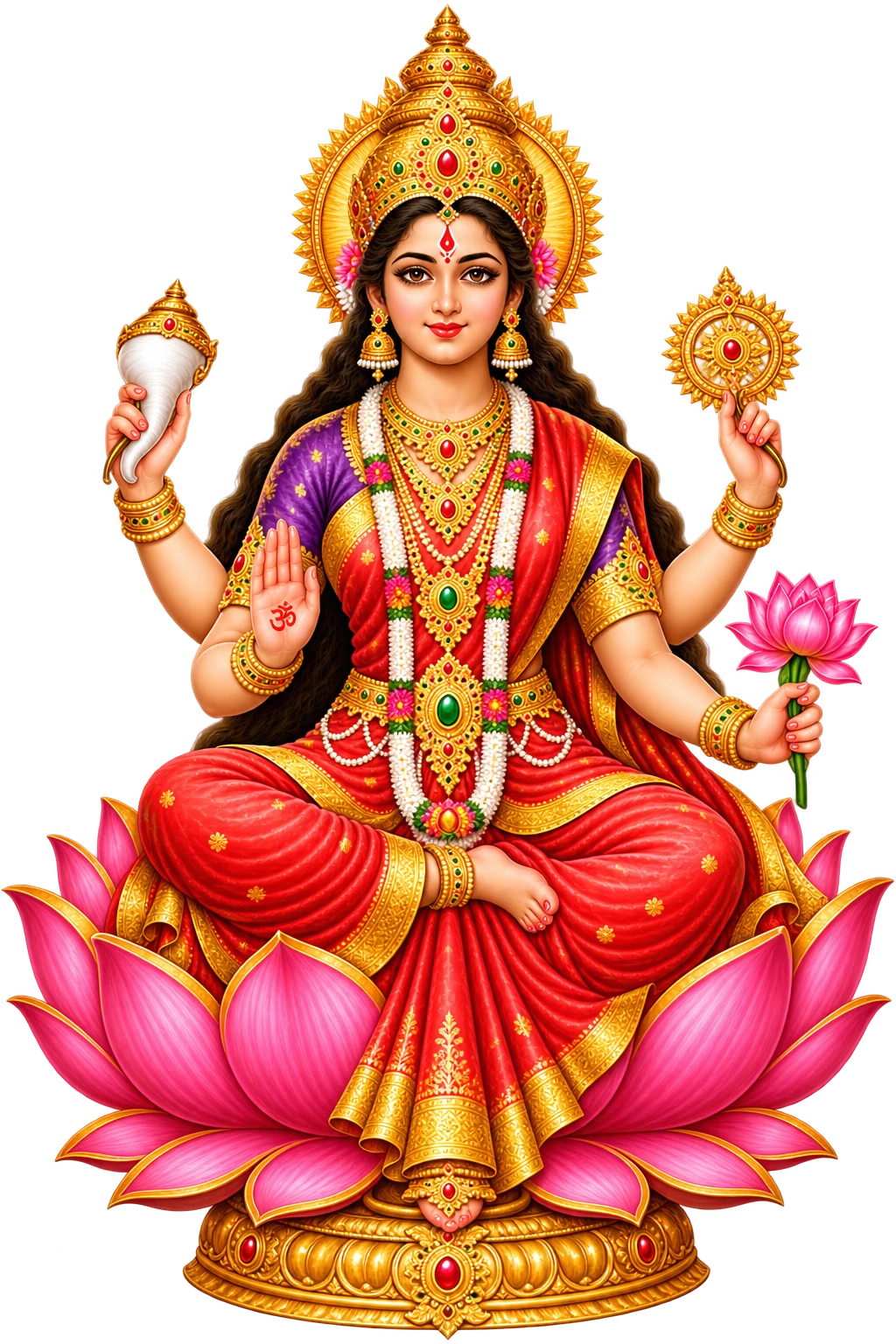
🔱 10,000+ SUCCESSFUL ANUSHTHANS | 🛡️ COMPLETE VEDIC REMOVAL OF BLACK MAGIC | ⚖️ COURT CASE VICTORY SUPPORT | 🔥 SIDDHA PEETH SPECIAL ANUSHTHAN SEVA | 🌍 WORLDWIDE PRASAD DELIVERY | 📿 LIVE SANKALP VIDEO CALL AVAILABLE
Maa Baglamukhi Guru
SACRED VEDIC PUJA FOR PEACE

Legal Dispute Resolution Through Maa Baglamukhi Grace for Settlement

Few injustices wound as deeply as being trapped in endless legal conflict. What begins as a single disagreement can grow into years of litigation - hearing after hearing, counter-case after counter-case, with no resolution in sight. The cost is not only financial; relationships fracture, families divide, and the constant weight of unresolved conflict drains the peace from everyday life. Many caught in such battles no longer wish to "win" at any cost - they long simply for the dispute to end, fairly and finally, so they can move on. In such times, alongside legal counsel and mediation, devotees seek a deeper grace: for the conflict to be stilled and brought to a just, peaceful close.

Maa Baglamukhi Vivad Shanti Puja for Legal Dispute Resolution at Nalkheda

In the Vedic tradition, the divine is invoked not only for victory, but for the stilling of conflict and the restoration of harmony. Maa Baglamukhi, one of the ten Mahavidyas, holds a revered place in matters of dispute and resolution. Her power of stambhan restrains the forces that keep a conflict alive - the aggression, obstinacy, and ill-will that block settlement - and clears the way for a fair, lasting peace. For generations, those weary of endless legal battles have turned to her, seeking not the defeat of another, but the end of the conflict itself.

This page explains how authentic Vedic practices, the sacred Baglamukhi Gayatri Mantra, and the Vivad Shanti (Dispute Resolution) Puja can support those seeking to resolve a legal dispute - easing the path toward settlement, closure, and peace.

Quick Answer: How can spiritual practices support legal dispute resolution?

In Vedic thought, the resolution of a conflict is shaped by goodwill, sound counsel, favourable planetary positions, past karma, and divine grace. Maa Baglamukhi is traditionally worshipped to still the aggression and obstinacy that prolong a dispute, soften an unwilling opponent toward fair settlement, and clear the karmic blocks that keep conflict alive. The Vivad Shanti Puja is a specialised Vedic ritual - combining sacred mantras, offerings, and a hawan - performed to invoke the Goddess's grace for a peaceful, just resolution. Paired with daily mantra chanting, it supports settlement, mediation, and closure, working alongside the legal process.

Disclaimer: All remedies, mantras, and rituals described here are traditional Hindu spiritual practices based on faith and scripture. No guaranteed outcomes are promised. Spiritual practices are meant to complement sincere personal effort and professional preparation.

What Do People Face in a Prolonged Legal Dispute?

No End in Sight

A dispute dragging on for years through endless hearings and adjournments with no resolution.

Failed Settlements

Repeated breakdowns in mediation attempts where both sides cannot find common ground.

Escalating Conflict

A disagreement that only grows more bitter and entangled with time, multiplying the burden.

Fractured Relationships

Families, partners, or neighbours turned into irreconcilable adversaries.

Exhaustion

The mental, emotional, and financial drain of perpetual conflict that wears down everyone involved.

Unwilling Opponent

The other side refusing to negotiate or meet halfway, stalling every attempt at resolution.

Multiple Cases

Counter-suits and additional disputes multiplying the complexity and burden.

Longing for Closure

The deep wish for peace with no clear path toward ending the conflict fairly.

Speak with Maa Baglamukhi Guru Today

When a conflict refuses to end and peace feels out of reach, many devotees turn to the wisdom of Vedic spirituality for resolution and relief. Honest guidance with no pressure - available every day from 10 AM to 8 PM.

Get Guidance Now

Available from 10 AM to 8 PM

Why Do Disputes Refuse to End? The Spiritual View

The conventional view points to ego, mistrust, and the slow process of the courts. The Vedic tradition offers a complementary perspective grounded in spiritual and cosmic law.

Karmic Influences

Hindu philosophy teaches that conflicts are shaped in part by karma - the accumulated effect of deeds across this and earlier lives. A dispute that resists every effort at resolution may reflect karmic patterns and old enmities that call for spiritual attention.

Planetary Positions (Graha Dosha)

Vedic astrology offers a precise lens on conflict and resolution. The 6th house governs disputes and litigation, while the 7th house governs the other party and agreements. Mars fuels aggression that must be pacified for peace, while Mercury rules negotiation and communication - essential for settlement. An aggravated Mars or afflicted 6th and 7th houses can keep a conflict burning.

Negative Energies and Drishti Dosha

Tradition holds that lingering ill-will, the evil eye, or old enmity can keep a dispute alive long past reason. Protective and pacifying spiritual practices are recommended to dissolve such influences.

Lack of Spiritual Discipline

In the Vedic worldview, inner peace invites outer peace. Neglecting prayer, forgiveness, and devotion can keep a person locked in conflict and unable to find closure.

Ancestral Obligations (Pitru Dosha)

Unresolved ancestral karma is traditionally counted among the causes of recurring family and property feuds, and is addressed through specific rituals.

How Does Maa Baglamukhi Help Resolve a Dispute?

Maa Baglamukhi holds a singular place in Hindu spirituality. Among the ten Mahavidyas, she is the Goddess most revered in matters of conflict - and her power serves not only victory, but the stilling of strife itself. For one weary of an endless dispute, her grace has been sought for generations.

Her name reveals her nature: "Bagla" means bridle and "Mukhi" means face - she is the Goddess who restrains every disruptive force. In the resolution of a dispute, devotees seek her grace for:

Stambhan of Conflict

(The stilling of conflict): The restraining of the aggression, obstinacy, and ill-will that keep a dispute burning and block every settlement.

Softening of the Opponent

(Blessings for compromise): The grace to ease an unwilling party toward fair negotiation and compromise.

A Path to Settlement

(Clearing the way): The dissolving of obstacles so mediation, compromise, or an out-of-court resolution can succeed.

Restoration of Peace

(Harmony restored): The dissolving of old enmity and the return of harmony, especially within families.

Closure and Relief

(The end of suffering): The grace to bring a long, draining conflict to a just and final end, freeing both parties from its burden.

For those facing deeply entrenched disputes that resist all efforts at resolution, a Maa Baglamukhi Hawan - a sacred fire ceremony in which mantras are chanted while oblations are offered into the consecrated flame - is traditionally recommended. The hawan magnifies the mantra's power many times over and is believed to carry prayers directly to the divine, hastening resolution and peace. Learn more about Maa Baglamukhi Hawan →

Which Mantra Supports Dispute Resolution? Baglamukhi Gayatri Mantra

For the stilling of conflict and the invoking of harmony, devotees traditionally turn to the sacred Baglamukhi Gayatri Mantra - a revered prayer that meditates on the Goddess's power of stambhan and seeks her guidance and grace.

SACRED MANTRA

ॐ बगलामुख्यै च विद्महे स्तम्भिन्यै च धीमही। तन्नो देवी प्रचोदयात्॥

Om Baglamukhyai Cha Vidmahe Stambhinyai Cha Dheemahi, Tanno Devi Prachodayat

Detail Information
Devanagari ॐ बगलामुख्यै च विद्महे स्तम्भिन्यै च धीमही। तन्नो देवी प्रचोदयात्॥
English Meaning Om, we contemplate the Goddess Baglamukhi; we meditate upon her who holds the power of stambhan - the stilling of all hostile forces. May the Goddess illumine and guide us.
Spiritual Benefits Stills the aggression that prolongs conflict; softens an unwilling opponent; supports fair settlement and mediation; dissolves old enmity; restores peace and brings closure.
Best Time Brahma Muhurta (4:00 AM – 6:00 AM), after the morning bath; and during sandhya (dawn and dusk), especially auspicious for Gayatri prayers.
Recommended Jaap 108 times daily using a turmeric (haldi) mala or yellow sandalwood mala.
Jaap Duration Minimum 40 consecutive days (one mandala) without break.
Direction Face East while chanting. Sit on a yellow or white asana.

How Should the Mantra Be Practised?

Bathe before chanting and wear clean yellow or white clothing.
Sit in a quiet, clean space before an image or idol of Maa Baglamukhi.
Light a ghee lamp and incense before beginning the jaap.
Use a turmeric mala or yellow sandalwood mala for counting.
Hold the mind on the Goddess with a sincere prayer for peace and a fair resolution.
Recite a few rounds before a mediation, negotiation, or hearing for calm and clarity.
Follow a sattvic vegetarian diet through the mandala period.
Keep your practice private - do not discuss it with the opposing party or in public.
If a day is missed, the 40-day mandala must restart from the beginning.

Which Ritual Is Recommended?
Vivad Shanti (Dispute Resolution) Puja

The Vivad Shanti Puja is the principal Vedic ritual for those seeking to resolve a legal dispute. The phrase vivad shanti means peace from conflict. This complete ceremony unites sacred mantra recitation, traditional offerings, and a consecrated fire ritual to invoke Maa Baglamukhi's grace for a peaceful, just resolution.

Purpose

To still the aggression and obstinacy that prolong a dispute, soften an unwilling opponent, clear the path to settlement, dissolve old enmity, and create a spiritually favourable climate for closure and peace.

Traditional Importance

Grounded in authentic Tantric and Vedic tradition, this puja has long been performed by those seeking to end conflict and restore harmony. The ritual is designed to align goodwill and sincere effort with cosmic grace - always for fair resolution, never to coerce.

When Devotees Perform It

During Shukla Paksha (the waxing moon phase), on Wednesdays or Fridays - Wednesday being associated with Mercury, the planet of negotiation and agreement - and ideally within a muhurat fixed through Vedic astrology. Many devotees perform it before a mediation or settlement attempt.

Key Components

The puja opens with Sankalp (a formal declaration of intent), followed by Ganesh Puja, Navagraha Puja - with emphasis on pacifying Mars and strengthening Mercury and Jupiter, the planets of agreement and wisdom - and the main Baglamukhi Puja with offerings of yellow flowers, turmeric, honey, yellow rice, betel nut, and ghee. A hawan (sacred fire ceremony) concludes the ritual. View full puja vidhi →

For those whose birth charts reveal an aggravated Mars, an afflicted 6th or 7th house, or Pitru Dosha behind a family feud, a Graha Shanti Puja can be performed alongside the Vivad Shanti Puja to pacify the relevant planets and restore harmony.

Those seeking the deepest, most sustained divine engagement through a deeply entrenched dispute may also consider Maa Baglamukhi Anushthan - a specialised worship that channels the Goddess's energy directly toward conflict resolution and peace.

What Are the Benefits of Maa Baglamukhi Worship for Dispute Resolution?

Devotees who maintain regular Maa Baglamukhi worship while seeking to resolve a dispute traditionally report a range of spiritual and emotional benefits:

Conflict Begins to Settle

Baglamukhi's stilling power is invoked to calm the aggression that keeps a dispute alive.

The Opponent Softens

An unwilling party is believed to grow more open to fair negotiation and compromise.

Settlement Becomes Possible

Obstacles to mediation or an out-of-court resolution are believed to ease.

Old Enmity Dissolves

Long-held ill-will and bitterness begin to fade, opening the way to peace.

Relationships Heal

Especially within families, the worship is sought to restore broken bonds and harmony.

Inner Peace Returns

Regular practice calms the devotee's own anxiety and frees them from the grip of conflict.

Planetary Support Strengthens

Allied rituals help pacify Mars and strengthen the planets of harmony and agreement.

Closure and Relief

A sense of movement toward the long-awaited end of the dispute and emotional relief.

Note: These are traditional spiritual benefits drawn from devotional experience and scriptural references. Individual experiences vary. No specific outcome is guaranteed, and qualified legal counsel remains essential.

Who Should Perform This Puja?

  • Anyone caught in a prolonged legal dispute and longing for it to end.
  • Those who wish to settle a matter out of court or through mediation.
  • Families fractured by an ongoing legal battle, seeking peace and reconciliation.
  • Business partners or associates in a dispute seeking a fair settlement.
  • Those whose settlement or mediation attempts have repeatedly failed.
  • People exhausted by escalating conflict and mounting counter-cases.
  • Those seeking closure and peace after years of litigation.
  • Anyone wishing to restore relationships strained by a legal conflict.
  • Those who wish to end a dispute fairly rather than prolong the fight.
  • Anyone seeking divine grace for peaceful resolution alongside their legal efforts.
  • Individuals facing complex multiparty disputes with no clear path forward.

What Daily Remedies Support Dispute Resolution?

1
Daily Mantra Chanting

Recite the Baglamukhi Gayatri Mantra 108 times each morning during Brahma Muhurta, with a sincere prayer for peace and resolution. This is the most powerful daily remedy available.

2
Mercury (Budh) Remedy for Agreement

On Wednesdays, donate green moong or green cloth and keep your speech kind and truthful. Mercury governs negotiation and agreement, and this practice is believed to support successful settlement.

3
Pacifying Conflict (Mangal Shanti)

Where aggression keeps the dispute alive, offer prayers for the calming of Mars, and worship Lord Hanuman for the peaceful resolution of enmity and protection from harm.

4
A Practice of Letting Go

Each day, sincerely release a measure of anger and the need to "win," offering the conflict to the divine. Inner release is traditionally believed to loosen the outer deadlock.

5
Lighting a Ghee Lamp

Light a ghee lamp on a turmeric base each evening. This invokes the Goddess's presence, clears negativity, and steadies the mind before the next workday.

6
Baglamukhi Kavach Recitation

Recite the Baglamukhi Kavach once daily for protection against ill-will, the evil eye, and the negativity that prolongs conflict.

7
Acts of Goodwill and Charity

Donate to those in need and perform small acts of kindness. Goodwill is believed to dissolve the karma of enmity and soften hardened conflict.

8
Composure and Gratitude

Each day, take a few quiet minutes to steady your mind and offer gratitude. Inner calm protects your peace and clears the way for resolution.

For devotees ready for a deeper, more intensive commitment, Maa Baglamukhi Anushthan offers the most comprehensive form of worship. Conducted over 9, 21, or 40 days, it combines intensive mantra chanting, strict observances, and elaborate daily rituals under an experienced Vedic priest - the deepest level of divine engagement for those who wish to leave no spiritual effort unfinished in their pursuit of peace. Learn about Anushthan →

What Should Devotees Be Careful to Avoid?

Treating puja as a replacement for legal counsel

Spiritual practice supports you - it never substitutes for a qualified advocate or mediator. The Goddess blesses those who seek resolution wisely.

Seeking to coerce rather than to resolve fairly

Authentic worship is for a just, peaceful resolution - never to manipulate or pressure another unfairly. Ill intent corrupts the practice.

Holding on to anger

Clinging to the desire to "win" or to punish keeps the conflict alive. The worship works best alongside a sincere willingness to find peace.

Chanting inconsistently

Skipping days weakens the cumulative power of the practice. Once a mandala begins, complete it unbroken.

Reciting the mantra incorrectly

Learn the right pronunciation from a qualified guru or priest; faulty recitation weakens the practice.

Expecting instant peace

Resolution unfolds in its own time. Hold your practice and let grace and your efforts work together.

Discussing your practice publicly

The Tantric tradition advises keeping mantra and puja details private to preserve their power.

Myth vs Reality

A puja guarantees the dispute will be resolved.
No spiritual practice guarantees an outcome. Vedic rituals still conflict, soften opposition, and support a fair resolution, but closure needs goodwill, sound counsel, willingness, and divine grace together.
The worship forces the other party to give in.
Authentic Maa Baglamukhi worship is for a fair, peaceful resolution - never to coerce or manipulate. It dissolves conflict rather than imposing defeat.
Only Brahmins may perform Baglamukhi worship.
Her blessings are open to every sincere devotee, regardless of caste, gender, or background. Basic worship can be done by anyone with devotion and proper guidance.
Spiritual practice can replace a lawyer or mediator.
It cannot. The worship complements your legal and resolution efforts; a qualified advocate or mediator remains essential.
If the dispute continues, the Goddess is displeased.
Delay is not displeasure. It may reflect old karma being resolved, both sides not yet ready, or a better resolution being prepared in its own time.

Begin Your Spiritual Journey Toward Legal Dispute Resolution

A never-ending conflict can drain everything from your life - but you do not have to carry it alone. If you long for a fair, peaceful end to a legal dispute, it may be time to seek Maa Baglamukhi's blessings through the sacred Vivad Shanti (Dispute Resolution) Puja, alongside the guidance of your advocate or mediator.

Maa Baglamukhi Guru, Nalkheda, Madhya Pradesh - your trusted centre for authentic Vedic spiritual guidance. Our experienced Vedic pandits will study your birth chart, identify the planetary and ancestral influences shaping the conflict, and perform personalised rituals to invoke the Goddess's grace for peace and resolution.

Whether you seek a complete Vivad Shanti Puja, a Maa Baglamukhi Hawan for stilling conflict, an Anushthan for a deeply entrenched dispute, or a Graha Shanti Puja for planetary and ancestral appeasement - we offer traditional, authentic services both in person at Nalkheda and online for devotees across India and abroad.

Why Choose Us?

  • Personalised consultation with experienced Vedic pandits
  • Authentic Vedic rituals performed with proper vidhi and mantra
  • Both online and in-person puja arrangements available
  • Customised remedies based on your birth chart and ancestral analysis
  • Compassionate spiritual guidance toward peace and closure

Frequently Asked Questions

Everything you need to know about Naukri Prapti Puja at Nalkheda.

Maa Baglamukhi is traditionally revered in matters of conflict, and her power serves not only victory but the stilling of strife. Devotees seek her grace to calm the aggression that keeps a dispute alive, soften an unwilling opponent toward fair settlement, dissolve old enmity, and restore peace. Her worship is always for fair resolution - never to coerce - and works alongside, not instead of, qualified legal counsel or a mediator.

A conflict that resists every effort at resolution is one of the most common reasons devotees turn to the Vivad Shanti Puja. In the Vedic view, such persistence may stem from karmic enmity, an aggravated Mars, or afflicted houses of dispute. The worship is traditionally believed to ease these and open a path to closure, while your legal and settlement efforts continue.

For stilling conflict and inviting harmony, the Baglamukhi Gayatri Mantra - Om Baglamukhyai Cha Vidmahe Stambhinyai Cha Dheemahi, Tanno Devi Prachodayat - is a revered choice. Chant it 108 times daily with a turmeric or yellow sandalwood mala, facing east, after your morning bath, for at least 40 consecutive days.

Many devotees perform the Vivad Shanti Puja seeking exactly this. With emphasis on strengthening Mercury, the planet of negotiation and agreement, the worship is traditionally believed to support successful mediation and settlement. The resolution itself is reached through your own efforts and your advocate or mediator; the practice offers spiritual support.

Baglamukhi's stilling power is traditionally invoked to calm the obstinacy and aggression that block settlement, helping an unwilling party become more open to fair negotiation. This is sought as a softening of hearts toward peace - never as coercion - and works alongside sincere, good-faith resolution efforts.

Yes. Beyond the legal matter, the worship is often sought to dissolve the enmity and bitterness that have fractured families, partnerships, or friendships, and to restore harmony. Where reconciliation is genuinely desired, a consultation can guide you toward the appropriate prayers for peace and renewed goodwill.

No. Authentic Maa Baglamukhi worship is for a fair, peaceful resolution - never to coerce, manipulate, or harm. It stills conflict and dissolves enmity rather than imposing defeat on another. Worship undertaken with ill intent contradicts its sacred purpose.

Yes. Daily mantra chanting and basic worship can be done at home by any devotee with sincerity and proper guidance, and family members may pray together for peace and resolution. For the complete Vivad Shanti Puja, hawan, or Anushthan, it is advisable to engage a qualified Vedic priest.

There is no fixed timeline, as resolution depends on both parties, the matter, karma, and divine timing. Many devotees report a sense of greater peace and movement toward settlement within the 40-day mandala. Patience, goodwill, and sincere resolution efforts are all essential.

Vedic astrology (Jyotish) examines the 6th house of disputes, the 7th house of the other party and agreements, and planets such as Mars (conflict), Mercury (negotiation), and Jupiter (wisdom and harmony), along with Pitru Dosha behind family feuds. A Graha Shanti Puja can pacify the planets of conflict and strengthen those of agreement, complementing your resolution efforts.

Yellow is the sacred colour of Maa Baglamukhi. Offerings include yellow flowers, turmeric, yellow rice, honey, betel nut, and ghee for the lamp. During the puja period and the 40-day mandala, a sattvic vegetarian diet - free of non-vegetarian food, alcohol, tobacco, onion, and garlic - keeps the mind calm and peaceful, aligning with the purpose of finding resolution.

Yes. Maa Baglamukhi Guru, based in Nalkheda, Madhya Pradesh, offers both in-person and online puja arrangements. Experienced Vedic pandits perform personalised rituals on your behalf, and you can participate through live streaming. Contact us for compassionate, personalised guidance and booking.
WhatsApp Consultation
HOME CALL
Book Puja
CHAT PUJAS