Few burdens are as heavy as poverty - the daily struggle to meet basic needs, the exhaustion of working hard and never getting ahead, the weight of scarcity that can pass from one generation to the next. It can feel as though a shadow of misfortune follows a family, no matter how much effort they give. Yet in the Vedic tradition, poverty - daridra - is not a permanent fate. It is a hardship that can be lifted, through practical effort, the return of Lakshmi's grace, and the clearing of the misfortune that keeps prosperity away. However heavy the struggle, hope and dignity remain, and a way out can be found.
In the Vedic tradition, the divine cares for every soul, rich or poor alike, and prosperity is invoked through devotion that asks for no wealth in return. Maa Baglamukhi, one of the ten Mahavidyas, is revered for removing obstacles and driving out negativity and misfortune. Her power of stambhan restrains the daridra - the poverty and ill-fortune - that keeps a family in hardship, while her grace invites Lakshmi, the goddess of wealth, to take its place. Her worship is sought to break the cycle of scarcity and to bless a life with stability, dignity, and a way forward.
This page explains how authentic Vedic practices - many of them simple and requiring no wealth - the sacred Baglamukhi Beej Mantra, and the Daridra Nivaran (Poverty Removal) Puja can support your rise out of hardship, easing the path toward stability, livelihood, and prosperity.
A caring and important note: Sincere devotion requires no money - the Goddess hears every heart. Please never spend beyond your means on rituals. The most powerful remedies here, such as chanting and prayer, are free. Alongside worship, seek practical help, livelihood, and any support available to you. Your worth is not measured by your circumstances, and a way out exists.
Quick Answer: How can spiritual practices support poverty removal?
In Vedic thought, chronic poverty (daridra) can arise from planetary afflictions, poverty-causing combinations, misfortune, karma, and hardship, and is lifted through effort, grace, and the clearing of ill-fortune. Maa Baglamukhi is traditionally worshipped to drive out the daridra keeping a family in hardship and to invite Lakshmi's prosperity. The Daridra Nivaran Puja is a Vedic ritual - combining sacred mantras, offerings, and a hawan - performed to clear misfortune and bless stability and livelihood. Alongside it, simple free practices - chanting, cleanliness, and prayer - carry great power, and practical effort opens the way forward.
Disclaimer: All remedies, mantras, and rituals described here are traditional Hindu spiritual practices based on faith and scripture. No guaranteed outcomes are promised. Spiritual practices are meant to complement sincere personal effort and professional preparation.

Chronic Hardship
A daily struggle to make ends meet and stretch income.
Basic Needs
Difficulty meeting basic needs and paying for essentials.
Never Getting Ahead
Hard work that somehow never improves your financial situation.
Cycle of Scarcity
Hardship that seems to repeat without end across years.
Generational
Poverty passing from one generation to the next.
No Livelihood
The lack of steady, reliable work and income.
Effort Without Reward
Sincere labour that isn't translating into stability.
Feeling Trapped
A sense of being unable to find a way out of the scarcity.
Connect with Acharya Vishnu Sharma for authentic guidance and rituals.
Beyond circumstance, the Vedic tradition offers a perspective on persistent hardship - one that never blames the one who suffers, but seeks to lift the burden. These are beliefs held by millions of devotees, not scientific claims.
Hindu philosophy teaches that fortune is shaped in part by karma across lifetimes. Persistent hardship may reflect karmic patterns - which worship, charity within one's means, and good deeds are believed to help resolve. This is never a judgement on the person.
Vedic astrology identifies specific causes of poverty. Afflictions to the 2nd house of wealth, the 11th house of gains, and the 9th house of fortune (bhagya), a weak Jupiter, and daridra yogas can keep prosperity away. A Graha Shanti Puja can help.
Tradition speaks of daridra and Alakshmi - the spirit of poverty and misfortune - which must be driven out so that Lakshmi may enter. Cleansing, worship, and cleanliness invite this shift.
Negativity or ill-will can deepen hardship. Protective and cleansing practices help clear it.
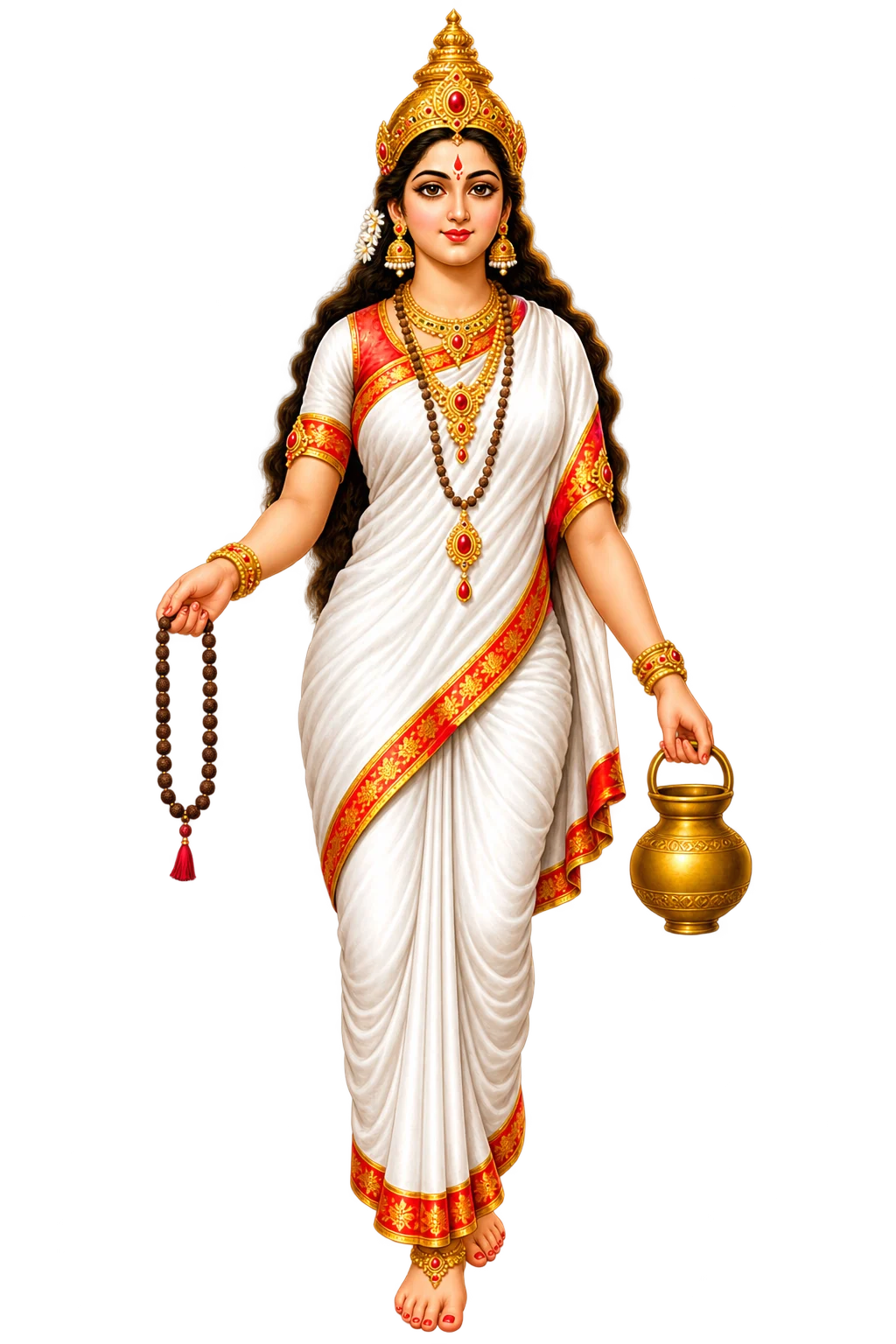
Above all, prosperity is the grace of Lakshmi. She is invited into a life and home through devotion, cleanliness, and dignity - none of which require wealth.
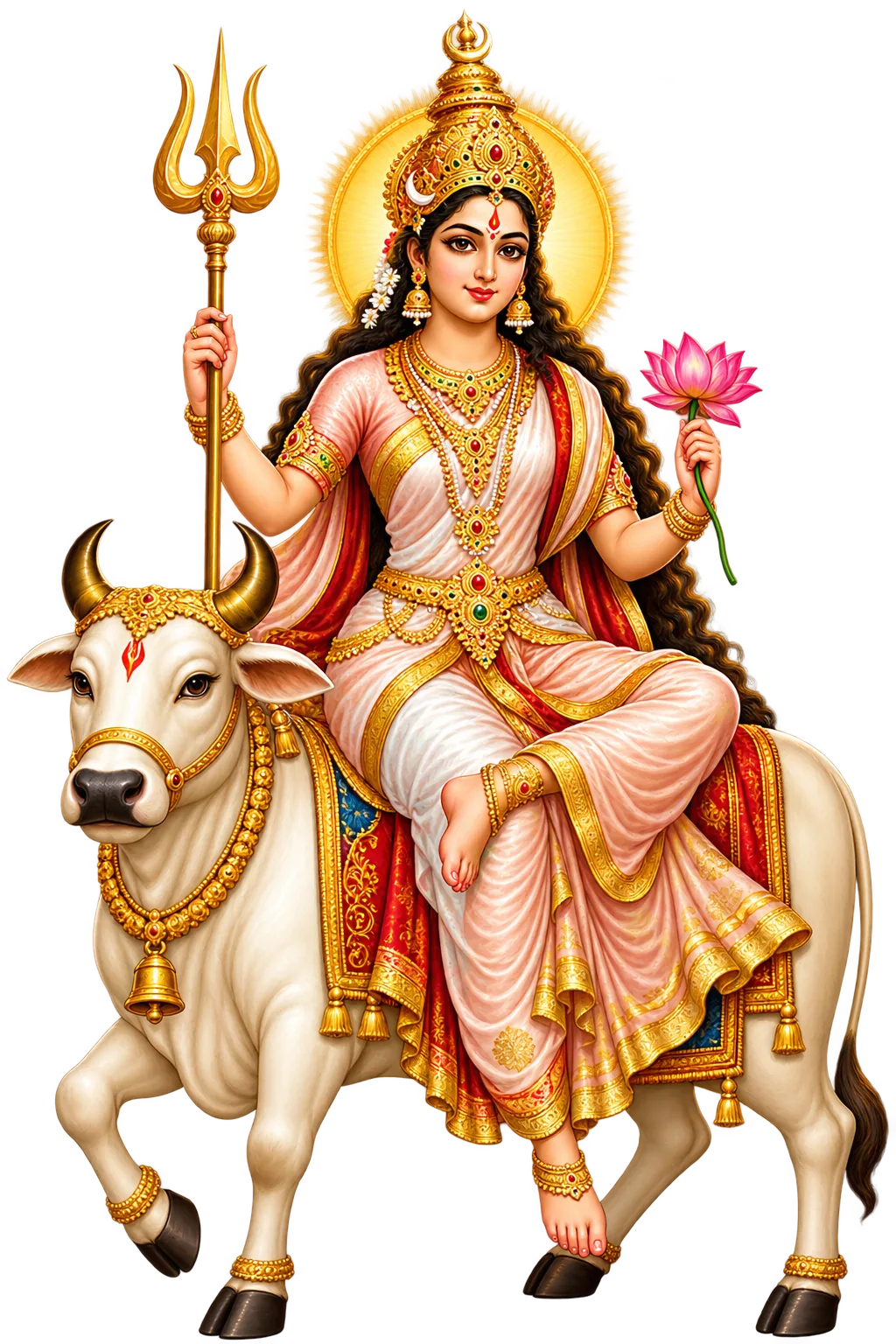
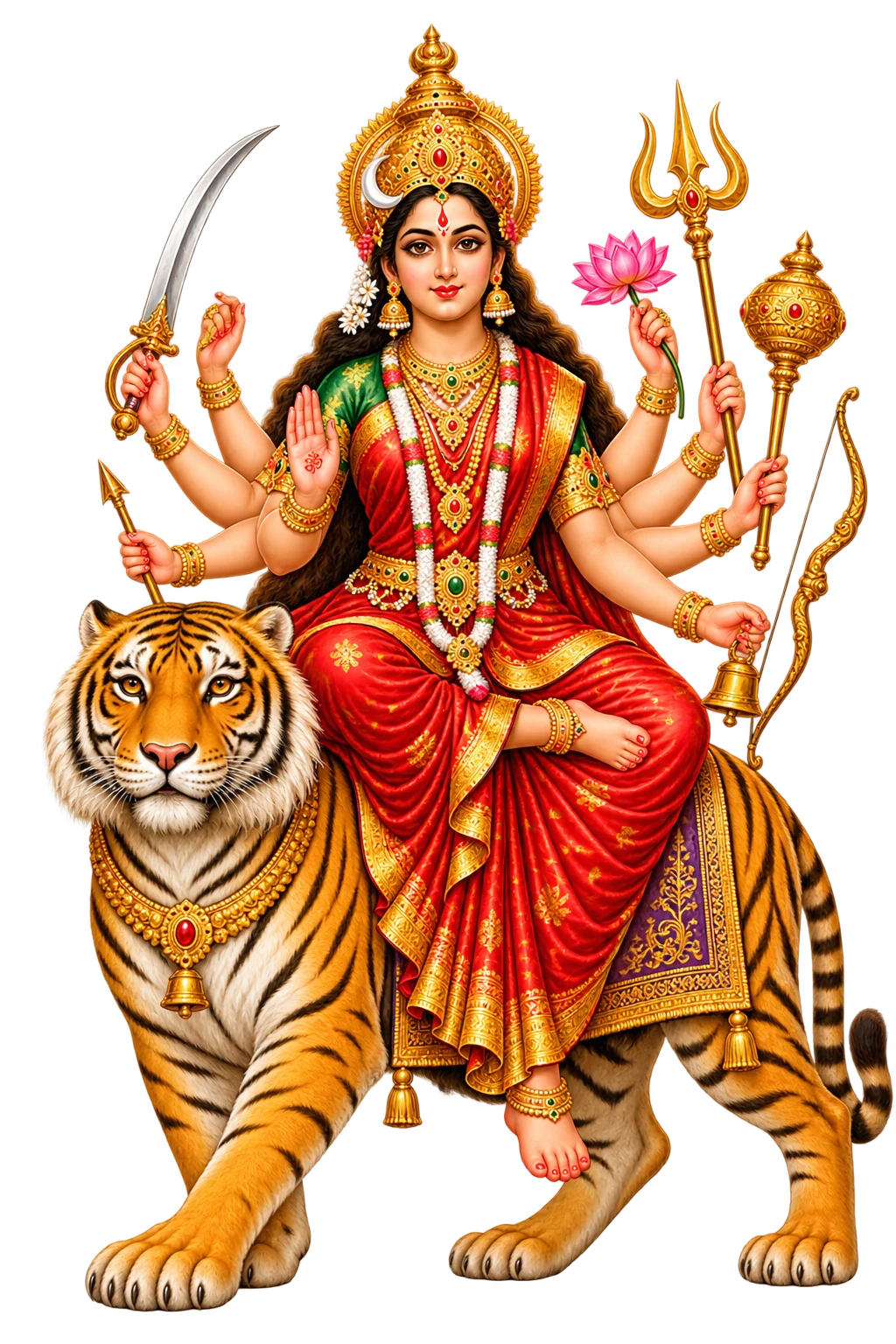
Maa Baglamukhi holds a singular place in Hindu spirituality as a remover of obstacles and a driver-out of misfortune. Among the ten Mahavidyas, her power of stambhan restrains the daridra and ill-fortune that keep a family in hardship, clearing the way for Lakshmi's grace.
For those weary of struggle, her worship offers hope, refuge, and a path forward.
The clearing of the poverty and misfortune that shadow a life.
The interruption of a long, repeating pattern of hardship.
The opening of means, work, and steady income.
The welcoming of the goddess of wealth where poverty once ruled.
The lifting of despair and the return of faith and self-worth.
Her worship opens paths, but effort walks through them. A Hawan accelerates this clearing of obstacles.
For taking refuge in the Goddess and driving out misfortune, devotees invoke her through the sacred Beej Mantra - the potent seed-sound of her power. Simple to recite and requiring nothing but sincerity, it calls on her protection and her power to clear daridra and invite prosperity.
ॐ ह्लीं बगलामुखि नमः।
Om Hleem Baglamukhi Namah
| Detail | Information |
|---|---|
| Devanagari | ॐ ह्लीं बगलामुखि नमः। |
| English Meaning | Om, salutations to Maa Baglamukhi; I take refuge in her sacred seed-sound of power (Hleem), to drive out misfortune and invite prosperity. |
| Spiritual Benefits | Drives out daridra and misfortune; breaks the cycle of scarcity; invites Lakshmi and livelihood; offers refuge and protection; restores hope and dignity. |
| Best Time | Brahma Muhurta (4:00 AM – 6:00 AM), after the morning bath; and at dusk, when Lakshmi is welcomed. |
| Recommended Jaap | 108 times daily using any mala, or simply with sincere focus if a mala is not available. |
| Jaap Duration | Consistent daily chanting until circumstances improve. |
| Direction | Face East or North while chanting. |
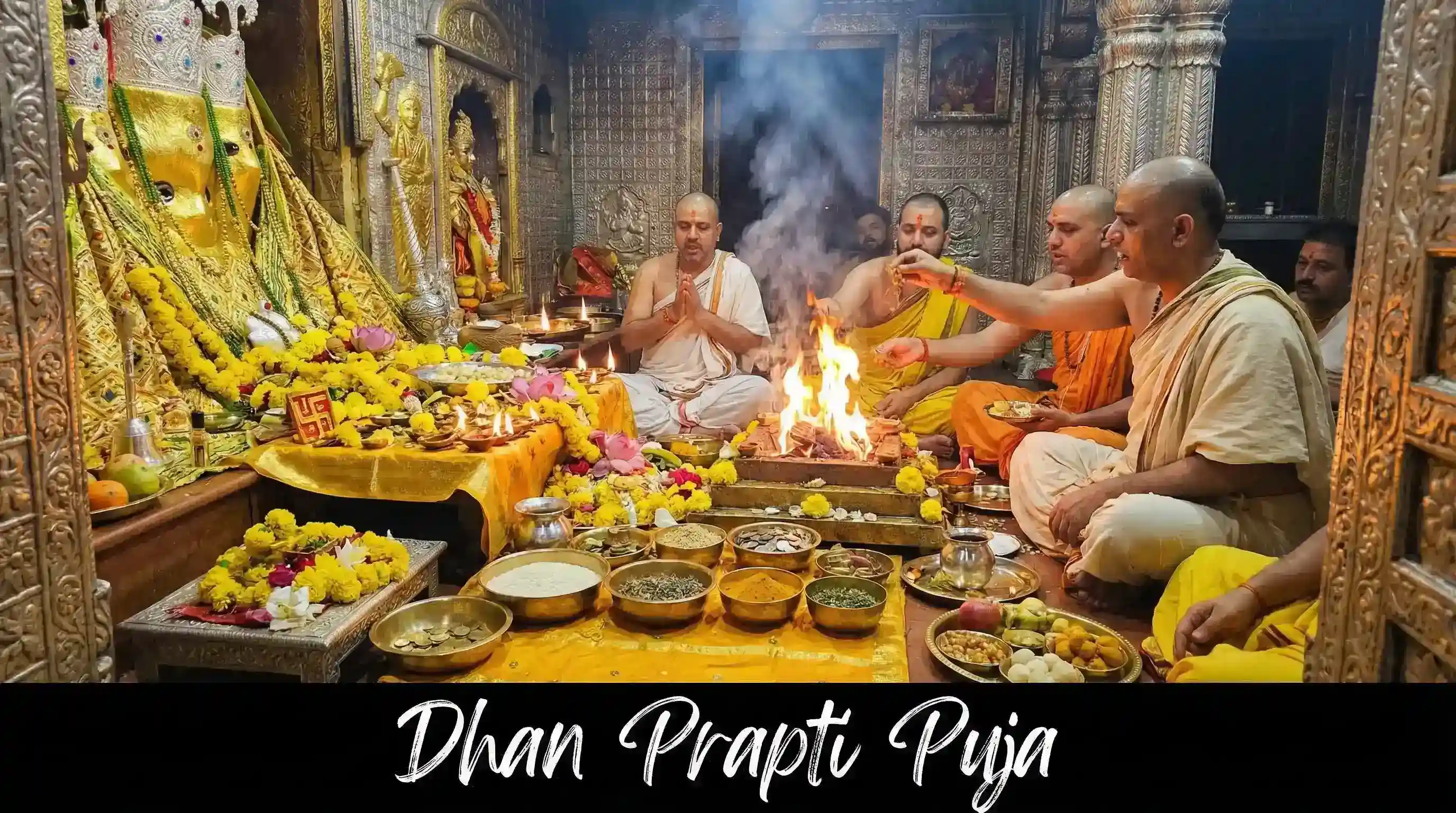
The Daridra Nivaran Puja is the traditional Vedic ritual for the removal of poverty. The phrase daridra nivaran means the removal of poverty. This ceremony unites sacred mantra recitation, traditional offerings, and a consecrated fire ritual to invoke Maa Baglamukhi's grace - alongside Lakshmi and Kubera - to drive out misfortune and invite prosperity, stability, and livelihood.
To drive out daridra and misfortune, break the cycle of scarcity, bless livelihood and stability, invite Lakshmi's grace, and restore hope and dignity.
Rooted in authentic Vedic tradition, the removal of daridra and the invitation of Lakshmi are time-honoured, drawing on the grace of the deities of prosperity.
During Shukla Paksha (the waxing moon phase), on Fridays (sacred to Lakshmi) or auspicious occasions such as Diwali and Akshaya Tritiya, and within a muhurat fixed through Vedic astrology.
The puja opens with Sankalp, followed by Ganesh Puja, Navagraha Puja, and a cleansing to drive out Alakshmi and misfortune. The worship of Lakshmi and Kubera invites prosperity, and the main Baglamukhi Puja follows with a hawan.
Devotees who turn to Maa Baglamukhi worship to rise out of poverty traditionally report a range of spiritual and practical blessings:
The daridra shadowing a life starts to clear.
A long, repeating pattern of hardship begins to shift.
Work, means, and steady income come more within reach.
New paths and prospects to improve one's situation emerge.
Prosperity begins to take the place of poverty.
Life becomes steadier and less precarious.
Despair gives way to faith, courage, and self-worth.
The sense that a better life is possible, step by step.
Note: These are traditional spiritual benefits. Individual experiences vary. Effort and grace work hand in hand.
Recite the Baglamukhi Beej Mantra 108 times each morning, taking refuge in the Goddess. This costs nothing and is the most powerful daily remedy available.
Keep your home and surroundings clean, however humble. Lakshmi resides where there is cleanliness, while Alakshmi and poverty linger in neglect. This simple, free practice is deeply powerful.
Light a lamp - even a small diya - before Lakshmi at dusk each day, welcoming her grace and dispelling darkness and misfortune.
Worship Goddess Lakshmi on Fridays and honour Jupiter (the giver of fortune) on Thursdays with simple offerings, inviting fortune and prosperity.
Offer gratitude for what you have, however little, and hold steady faith. A grateful, hopeful heart draws grace and courage; despair only deepens hardship.
Even in hardship, a small kindness - sharing food, helping another - is believed to invite grace and break the karma of scarcity. Give only what you can, freely.
Where you are able, offering even a little food to the hungry or to animals is a cherished way to invite Lakshmi's blessing.
Alongside devotion, pursue every practical path - learning a skill, seeking work or support, and using any help available. Grace opens doors; effort walks through them.
These traditional practices - most of them free and accessible to all - help drive out misfortune and invite prosperity.
This is the most important caution: sincere devotion requires no wealth, and the Goddess's grace cannot be bought. Never spend what you cannot afford; the free daily practices carry great power.
Poverty is a hardship, not a verdict on your worth. Hold hope and dignity; a way forward exists, step by step.
Worship opens doors, but pursuing work, skills, and available support is essential. Grace and effort work together.
In the Vedic view, hardship is a burden to be lifted, never a judgement on the person. The divine cares for all equally.
Sincerity and hope give the practice its power; chant with a trusting heart.
Even in hardship, a clean space invites Lakshmi; let cleanliness be your simple offering.
The Tantric tradition advises keeping mantra and puja details private to preserve their power.
Poverty can feel unending - but it is a hardship that can be lifted, with grace, hope, and steady effort. However heavy your struggle, dignity and a way forward remain. It may bring strength to seek Maa Baglamukhi's grace through the sacred Daridra Nivaran (Poverty Removal) Puja, or simply through her free, daily blessings.
Whether you seek a complete Daridra Nivaran Puja, a Maa Baglamukhi Hawan, Lakshmi worship for prosperity, or simply guidance on the free daily practices that carry great power - we offer traditional, authentic services both in person at Nalkheda and online for devotees across India and abroad.
Everything you need to know about Poverty Removal at Nalkheda.