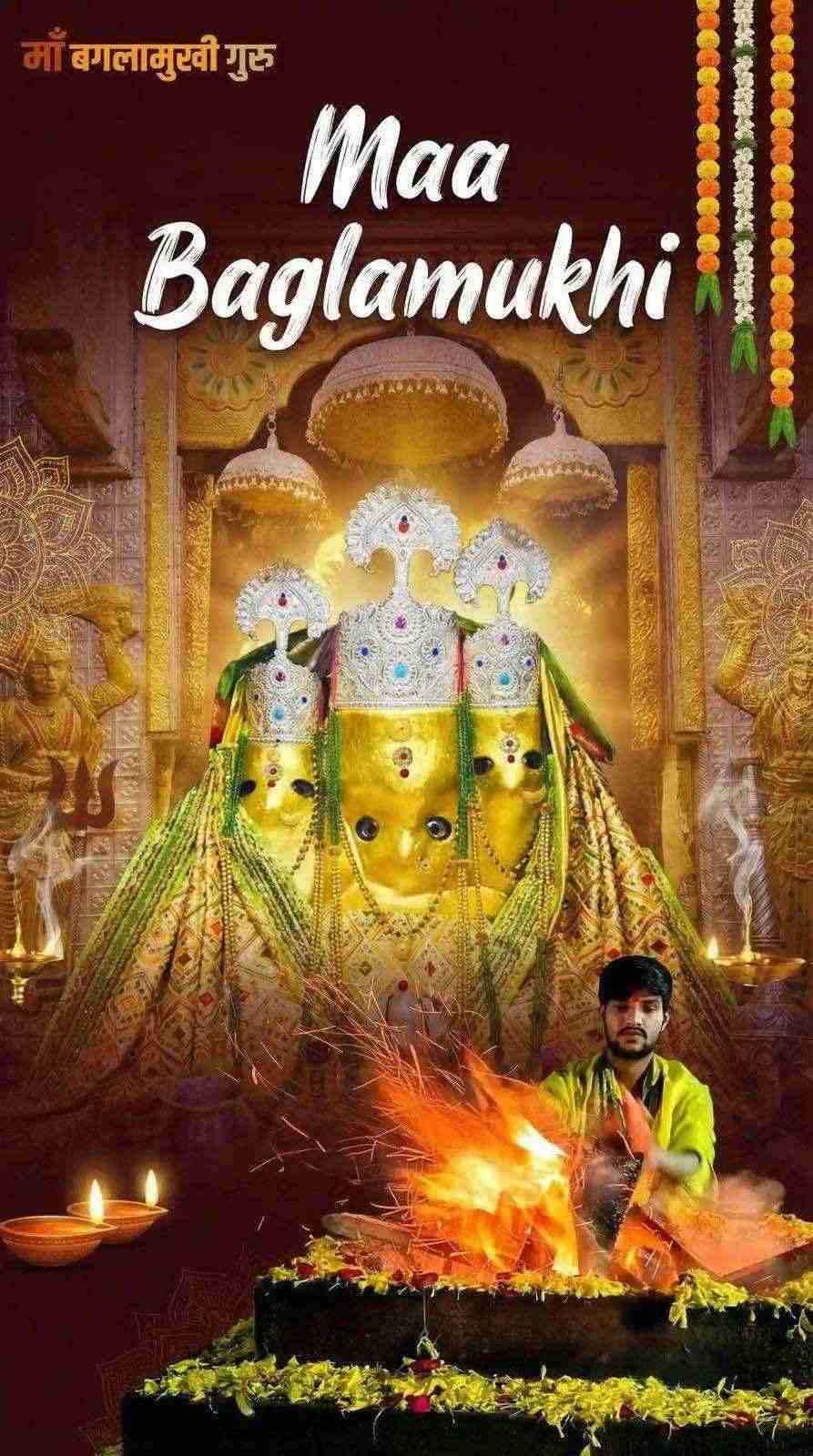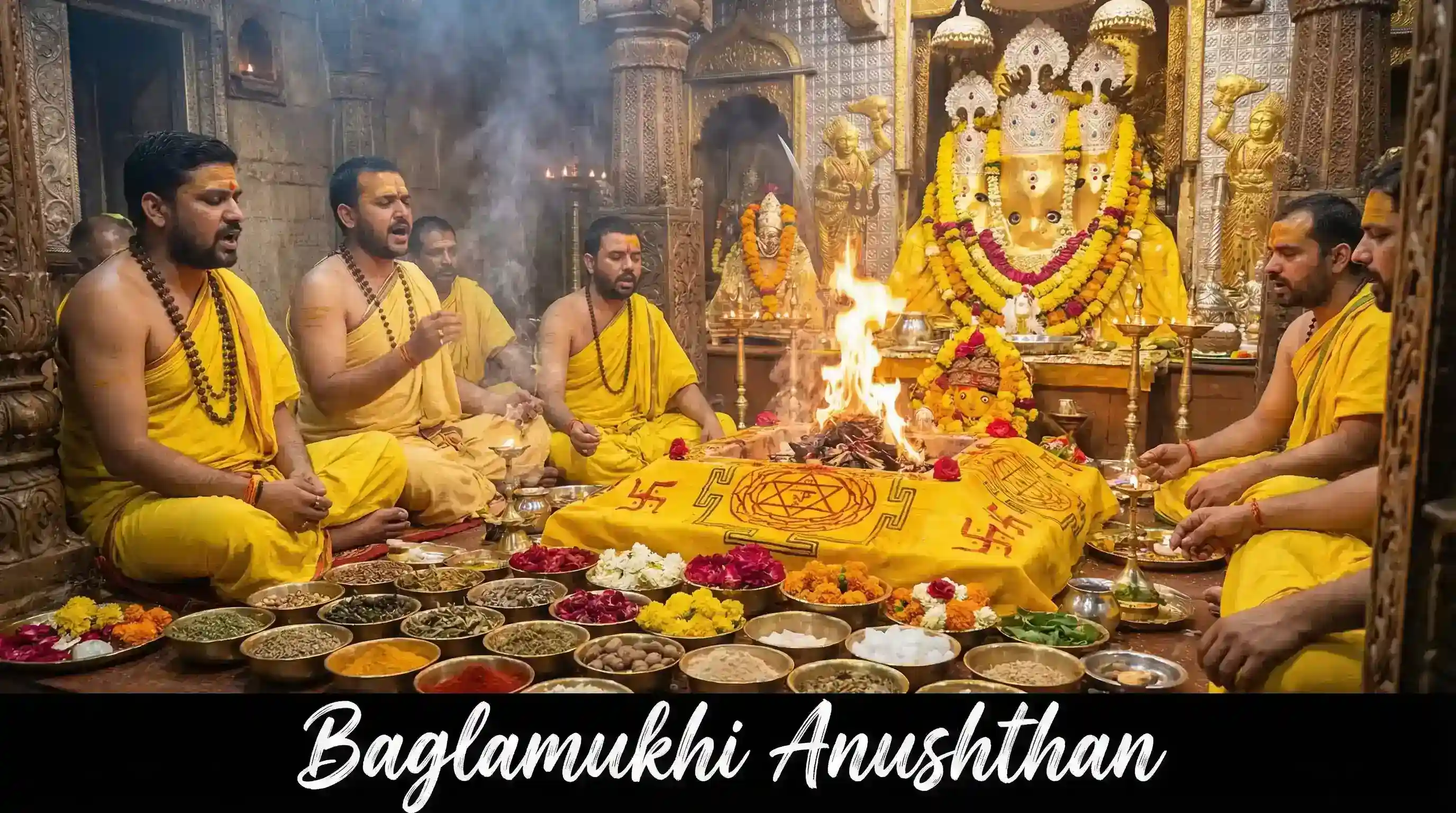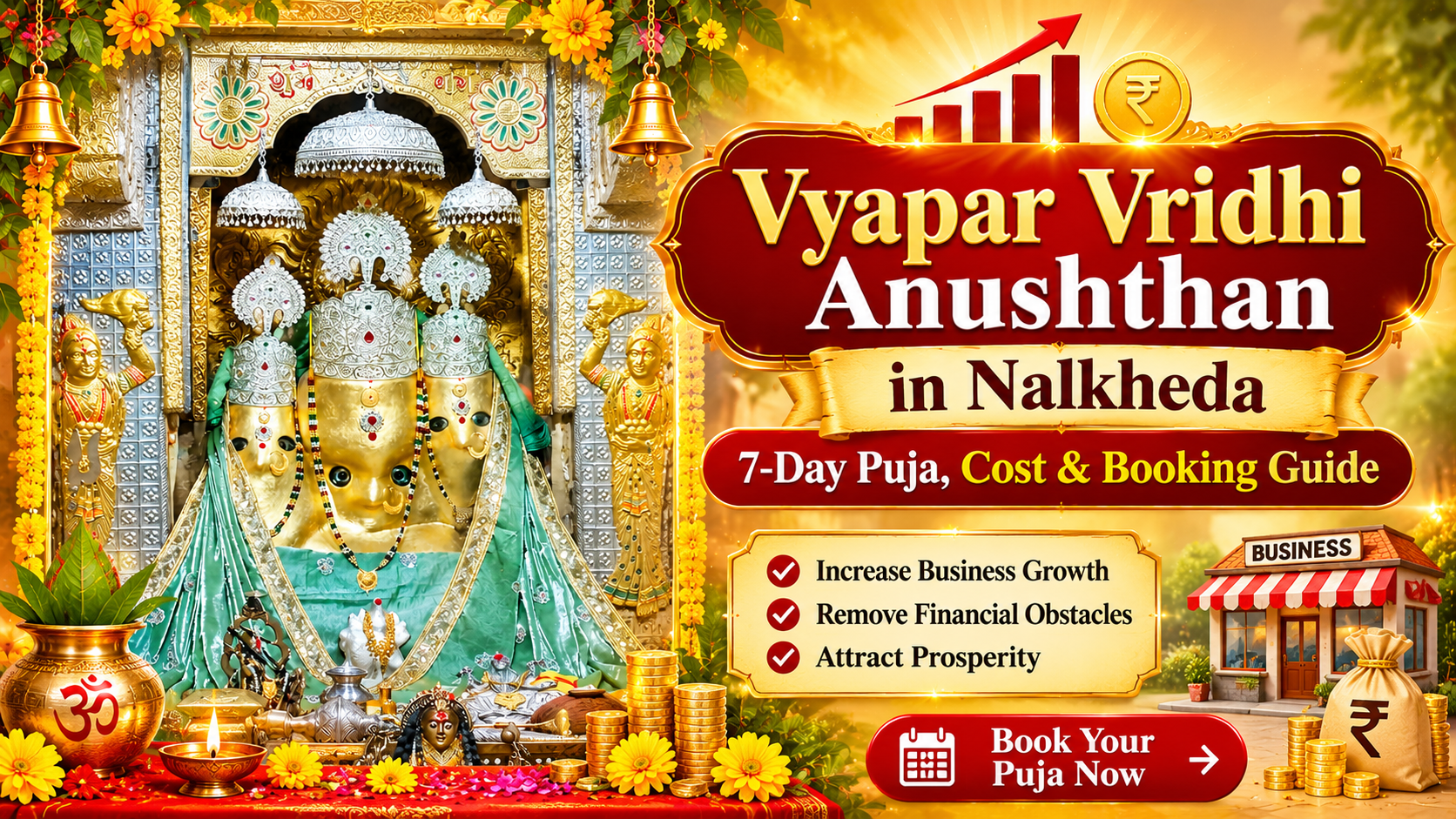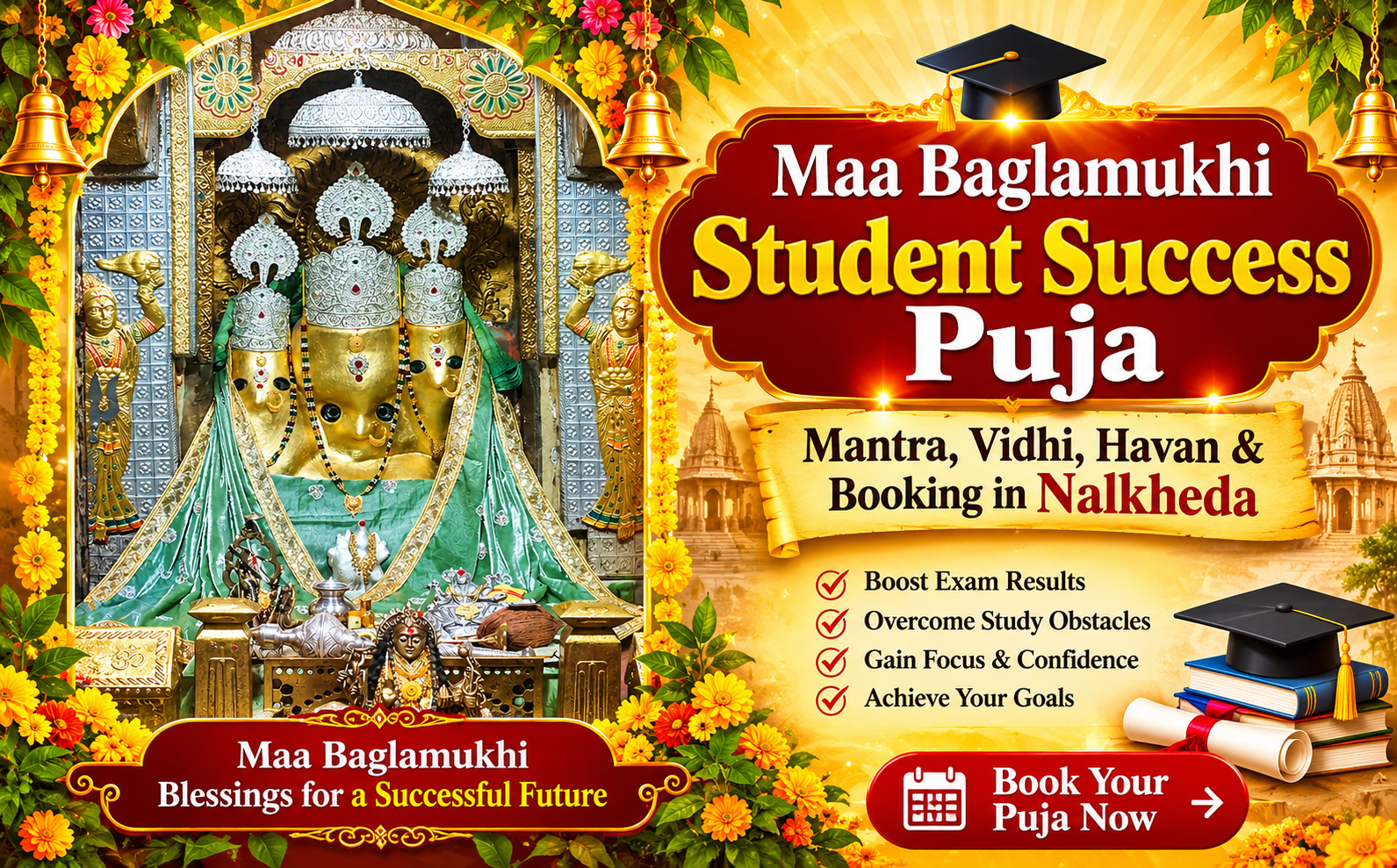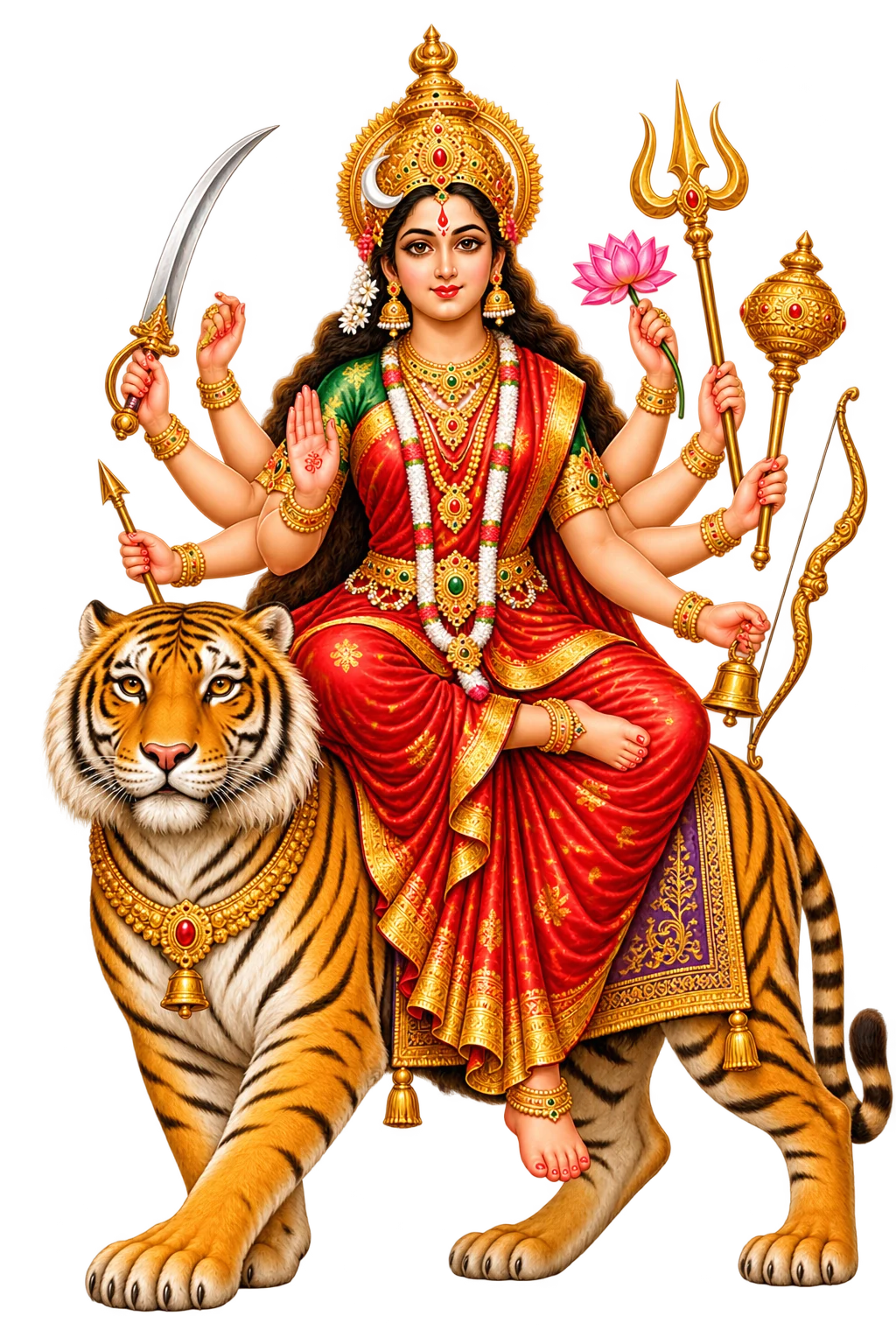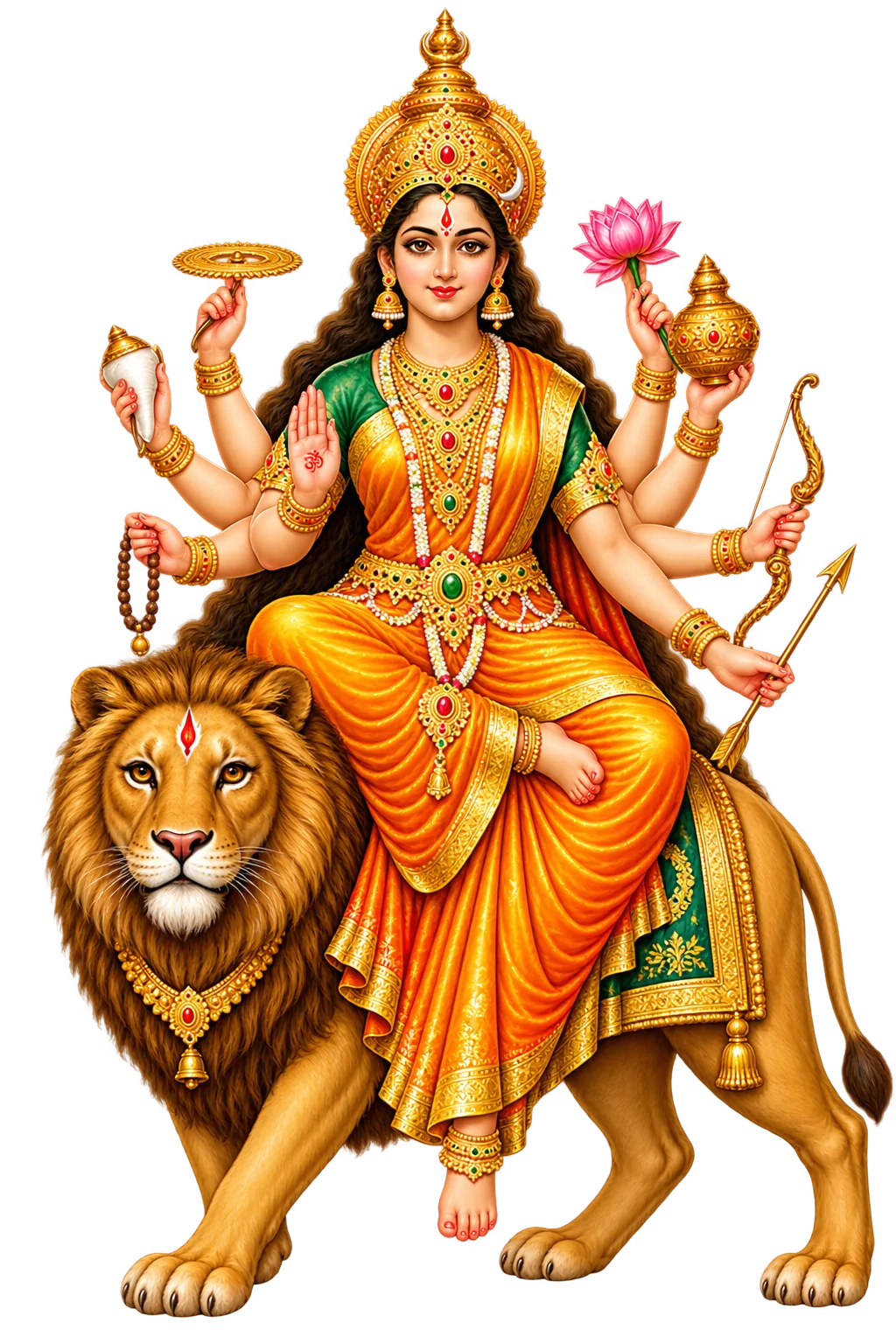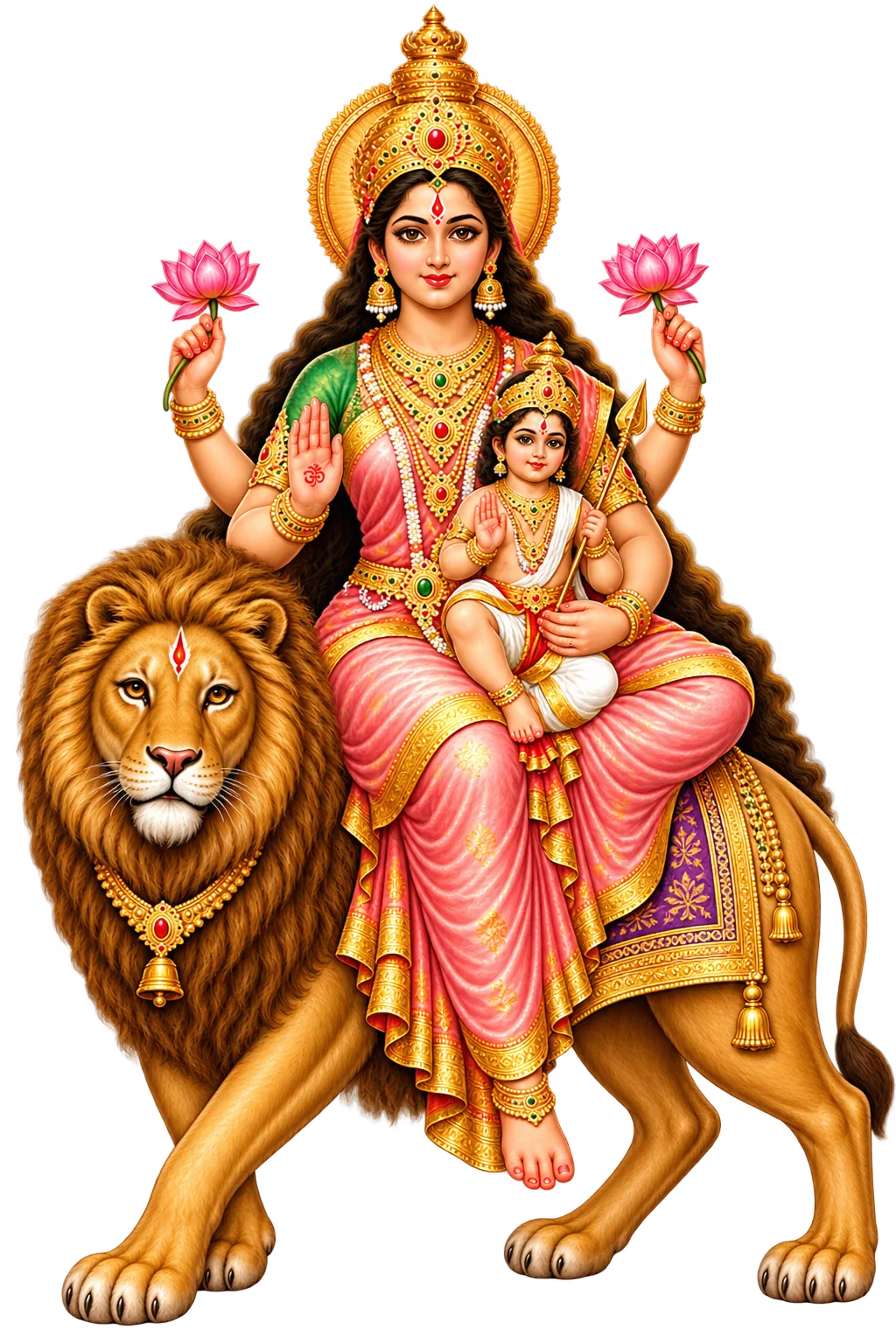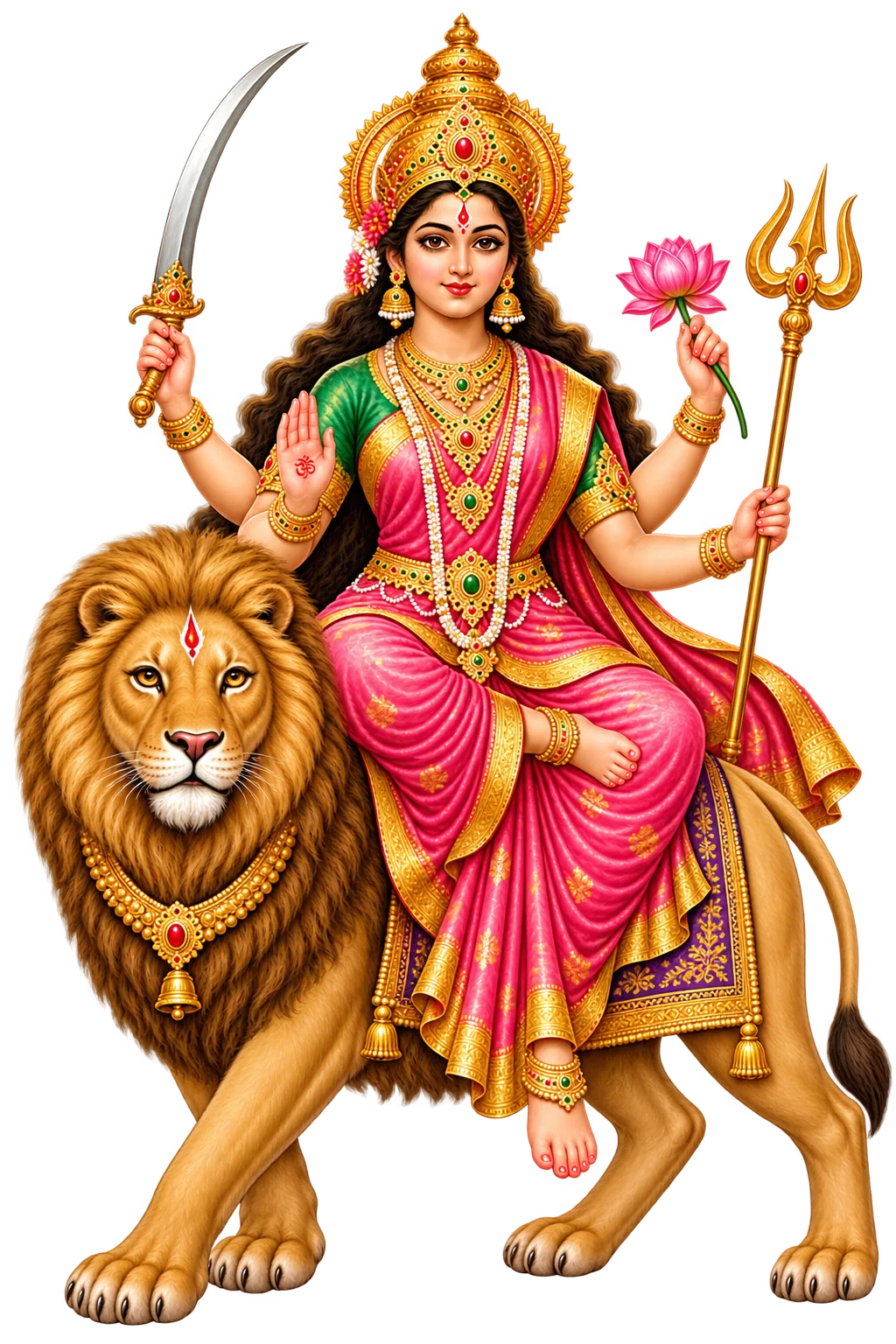
In traditional Shakta worship, Maa Baglamukhi is revered as Pitambara Devi—the golden-hued Mahavidya who embodies Stambhan Shakti. While her grace is widely sought for victory over adversity and legal composure, ancient scriptures also celebrate her aspect as the ultimate stabilizer of chaotic situations, including severe financial turbulence, recurring business stagnation, and debt cycles. At Maa Baglamukhi Siddha Peeth in Nalkheda, devotees perform dedicated financial growth rituals to seek mental clarity, remove unseen obstacles in commerce, and invoke the combined blessings of Maa Baglamukhi and Maa Mahalakshmi.
1. Understanding Financial Stambhan: Spiritual Stability in Commerce
In Vedic philosophy, wealth is not merely an accumulation of currency; it is Lakshmi—the divine flow of sustenance, auspiciousness, and righteous enterprise. However, commercial pursuits are frequently besieged by sudden roadblocks: stalled payments, unethical competitors, bad debts, unexpected litigation, and chronic anxiety that clouds decision-making.
This is where the concept of Stambhan plays a profound role. In the context of financial worship, Stambhan does not mean stopping progress; rather, it signifies arresting the outflow of financial decay. It stabilizes fluctuating fortune, silences negative speculation, and creates a tranquil energetic sanctuary where strategic foresight and steady prosperity can flourish. When performed under the guidance of experienced Vedic practitioners like Acharya Pandit Vishnu Sharma, the ritual harmonizes planetary afflictions (especially afflicted Mercury, Jupiter, and the 2nd and 11th houses of wealth) with divine grace.
2. Scriptural Foundation and the Nalkheda Trishakti Connection
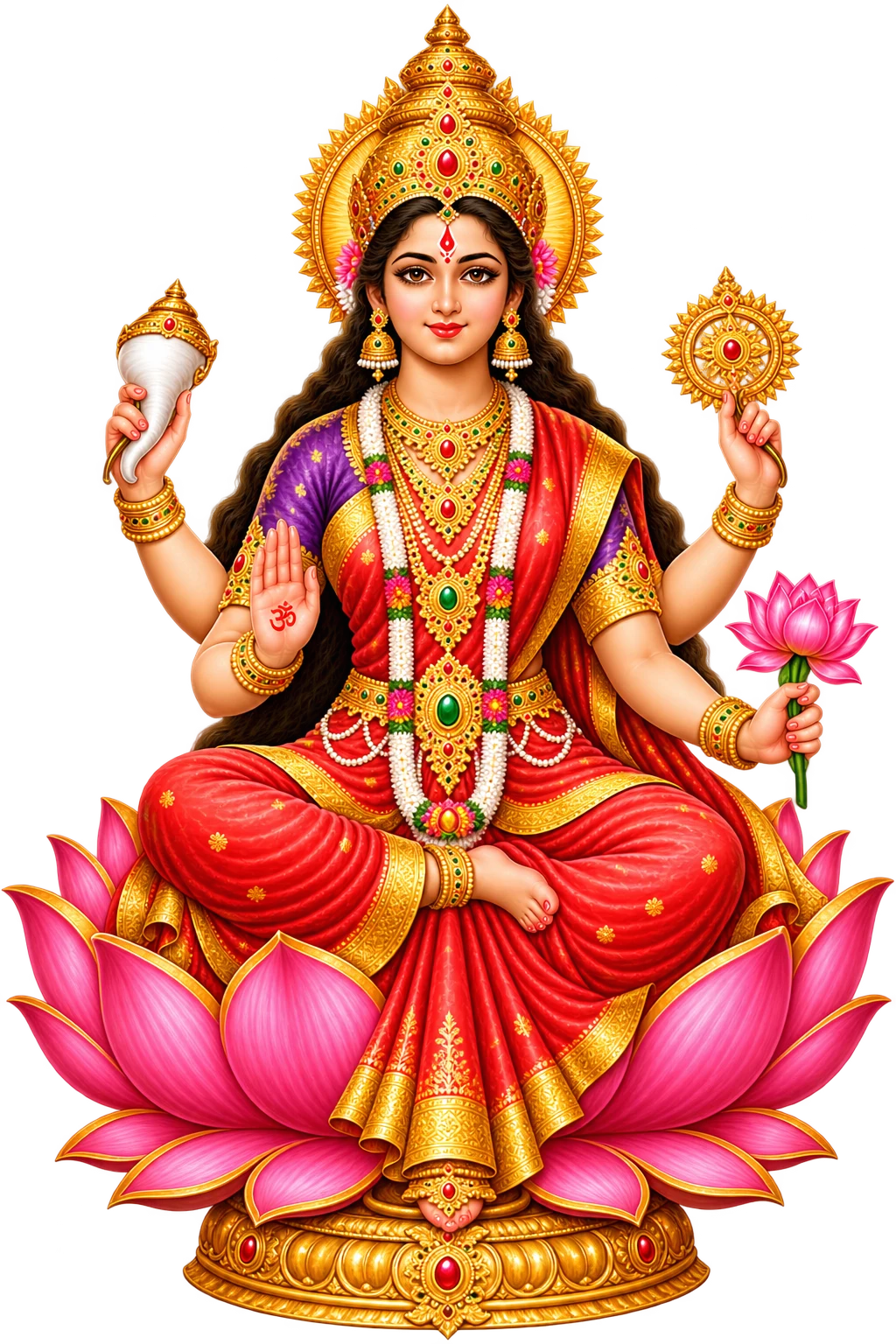
The sacred sanctum at Nalkheda is unique in the Shakta tradition because Maa Baglamukhi is not seated in isolation. In the sanctum sanctorum, she forms a divine Trishakti Peeth alongside Maa Mahalakshmi (the goddess of fortune) and Maa Mahasaraswati (the goddess of wisdom and speech). This trinity is essential for commercial success:
- Maa Baglamukhi (Stambhan & Protection): Halts financial leakages, repels malice from competitors, and secures existing enterprise assets.
- Maa Mahalakshmi (Dhan & Aishwarya): Attracts sustainable opportunities, ethical profit, and material abundance.
- Maa Mahasaraswati (Buddhi & Vak): Bestows sharp negotiation skills, contractual discernment, and persuasive speech in boardrooms.
To learn more about the temple's 5,000-year history dating back to Maharaj Yudhishthira, consult our Nalkheda Temple History Guide.
3. Traditional Vidhi and Sacred Samagri for Financial Growth Puja
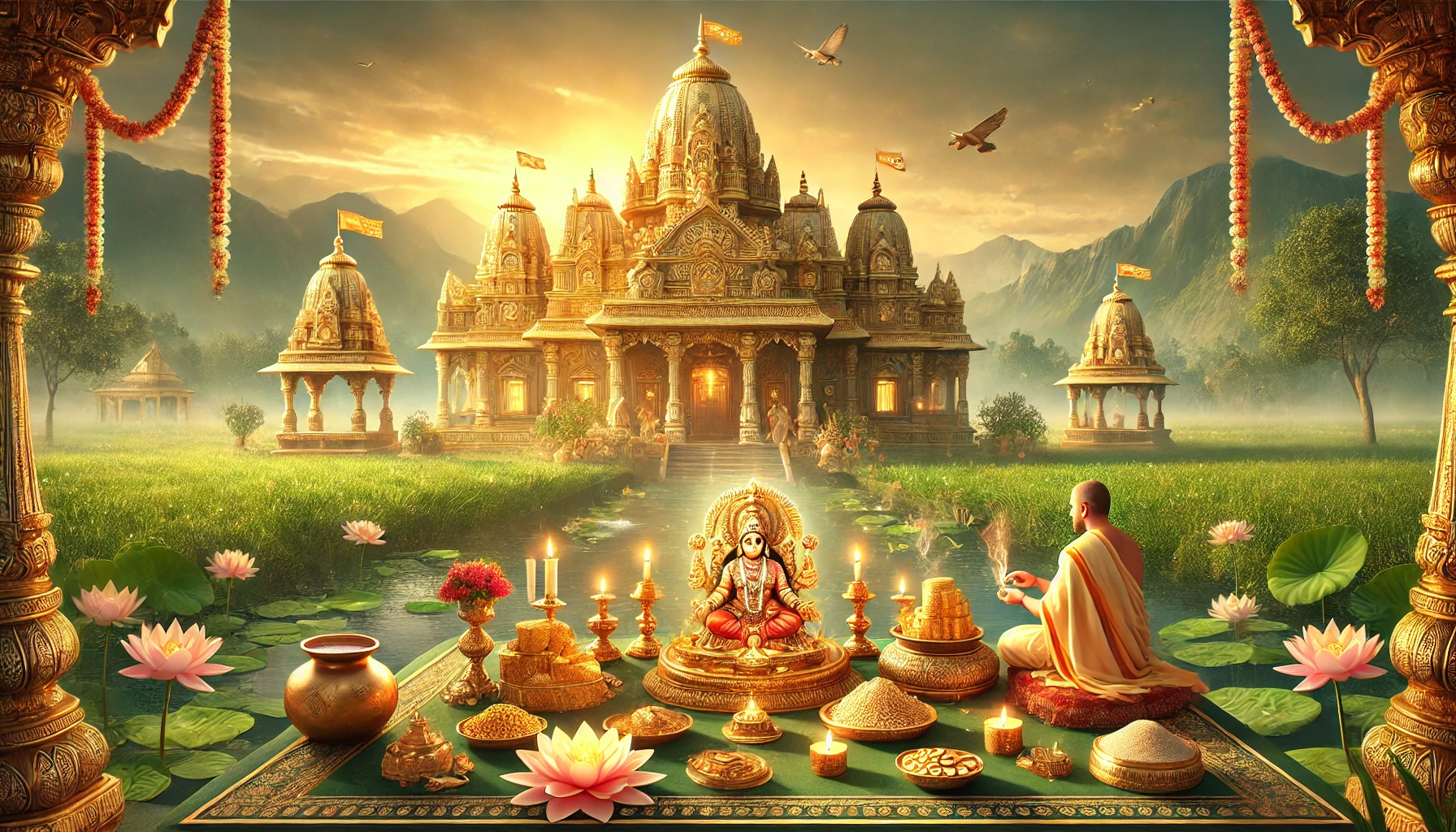
Every genuine Vedic ritual follows strict Shastric protocols. For financial growth and business stability, the following materials and procedures are meticulously observed:
- Haridra (Consecrated Turmeric): Used for creating the Yantra mandala and coating raw rice (Akshat). Turmeric resonates with Jupiter and the solar plexus (Manipura chakra), governing prosperity.
- Peet Pushpa (Yellow Oleander & Marigolds): Offered during archana while reciting the divine Ashtottara Shatanamavali (108 sacred names).
- Pure Cow Ghee & Samidha: Offerings made into the consecrated Homa kunda using Palash and Peepal wood to awaken divine Agni.
- Kamal Gatta (Lotus Seeds) & Honey: Sacred oblations representing Maa Lakshmi, offered during the concluding hawan to magnetize auspiciousness.
- Yellow Mustard Seeds (Peeli Sarson): Used for Digbandhan—sealing the four directions against envy and psychic drain.
Devotees seeking deeper insight into the sacred fire ceremony can explore our comprehensive Baglamukhi Hawan Nalkheda Guide and the Maa Baglamukhi Hawan Service Page.
4. Step-by-Step Sankalp and Ritual Progression
When participating in person at Nalkheda or connecting via live online video broadcast, the ceremony progresses through seven sacred stages:
- Ganesh Smaran & Swasti Vachan: Invoking Lord Ganesha to remove initial hindrances and purify the ceremonial space.
- Personalized Sankalp: The devotee's full legal name, Gotra, residence, and specific commercial prayers (debt clearance, project sanction, partnership stability) are formally recited before Agni Dev.
- Navagraha Puja: Balancing the nine planetary deities to alleviate transit pressures like Sade Sati or afflicted Rahu/Ketu periods.
- Maa Baglamukhi Avahan & Shodashopachara: Welcoming the goddess with 16 sacred offerings including yellow silk vastra, chandan, deepam, and naivedya.
- Mantra Japa: Chanting consecrated beeja mantras using energized Haldi or Kamal Gatta malas by initiated Vedic pandits.
- Hawan (Fire Sacraments): Chanting mantras while offering ghee, herbs, and lotus seeds into the consecrated flame.
- Aarti, Purnahuti & Prasad Dispatch: Concluding prayer, blessing of energized Yantra, and dispatch of holy bhasma, raksha sutra, and dry prasad to your doorstep.
5. Practical Devotional Preparation for Devotees
To derive the deepest spiritual benefit from this sacred worship, devotees are advised to observe simple disciplines:
- Maintain a sattvic vegetarian diet for at least 24 hours prior to the puja.
- Wear clean, yellow or white cotton clothing during the live sankalp or temple visit.
- Approach the ritual with a spirit of ethical responsibility; Maa Baglamukhi's grace supports righteous enterprise, honest debt settlement, and family welfare, rather than speculative or unethical ventures.
- If your commercial obstacles are long-standing and complex, consider undertaking an extended multi-day sadhana via our Baglamukhi Anushthan Service.