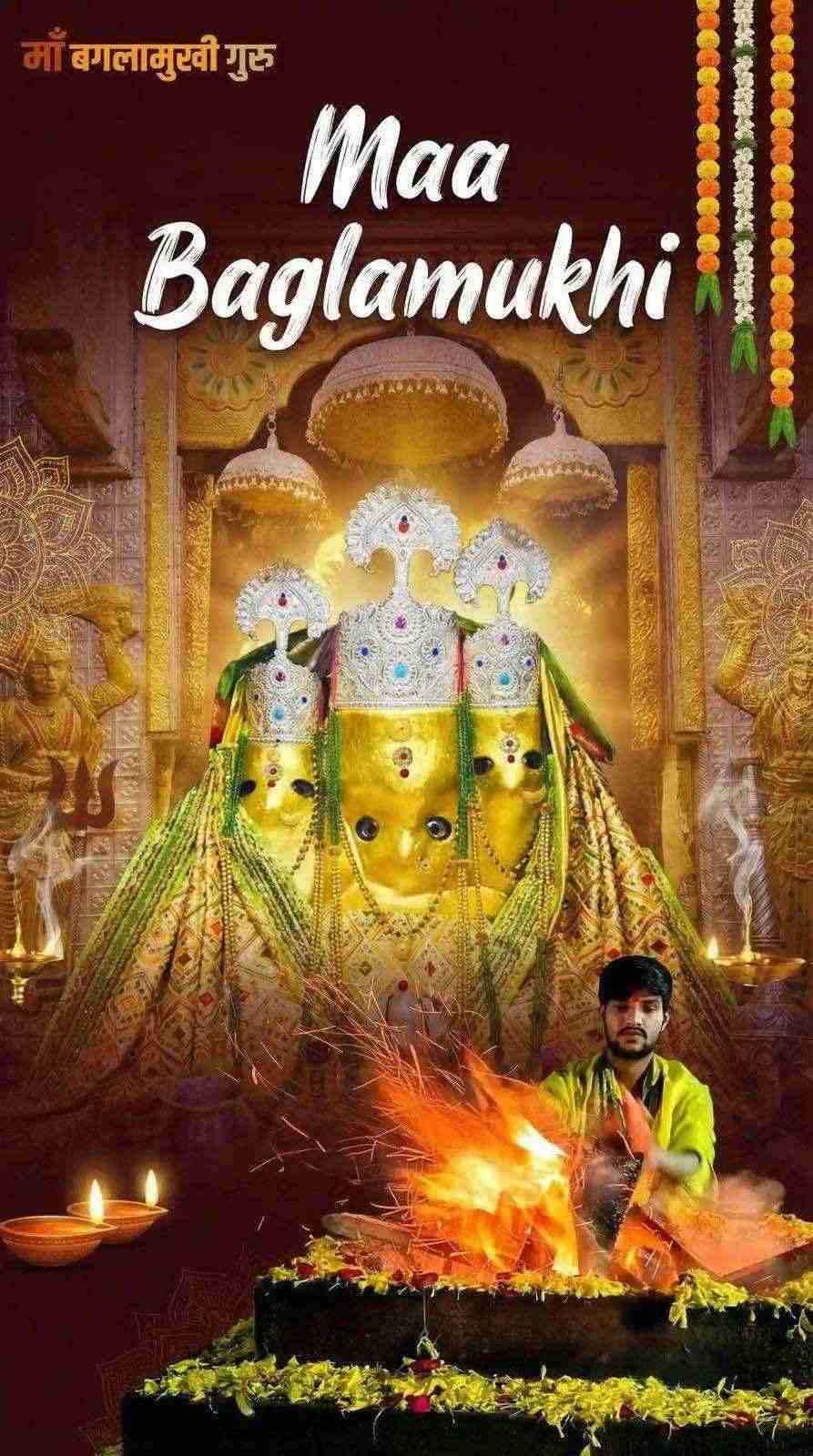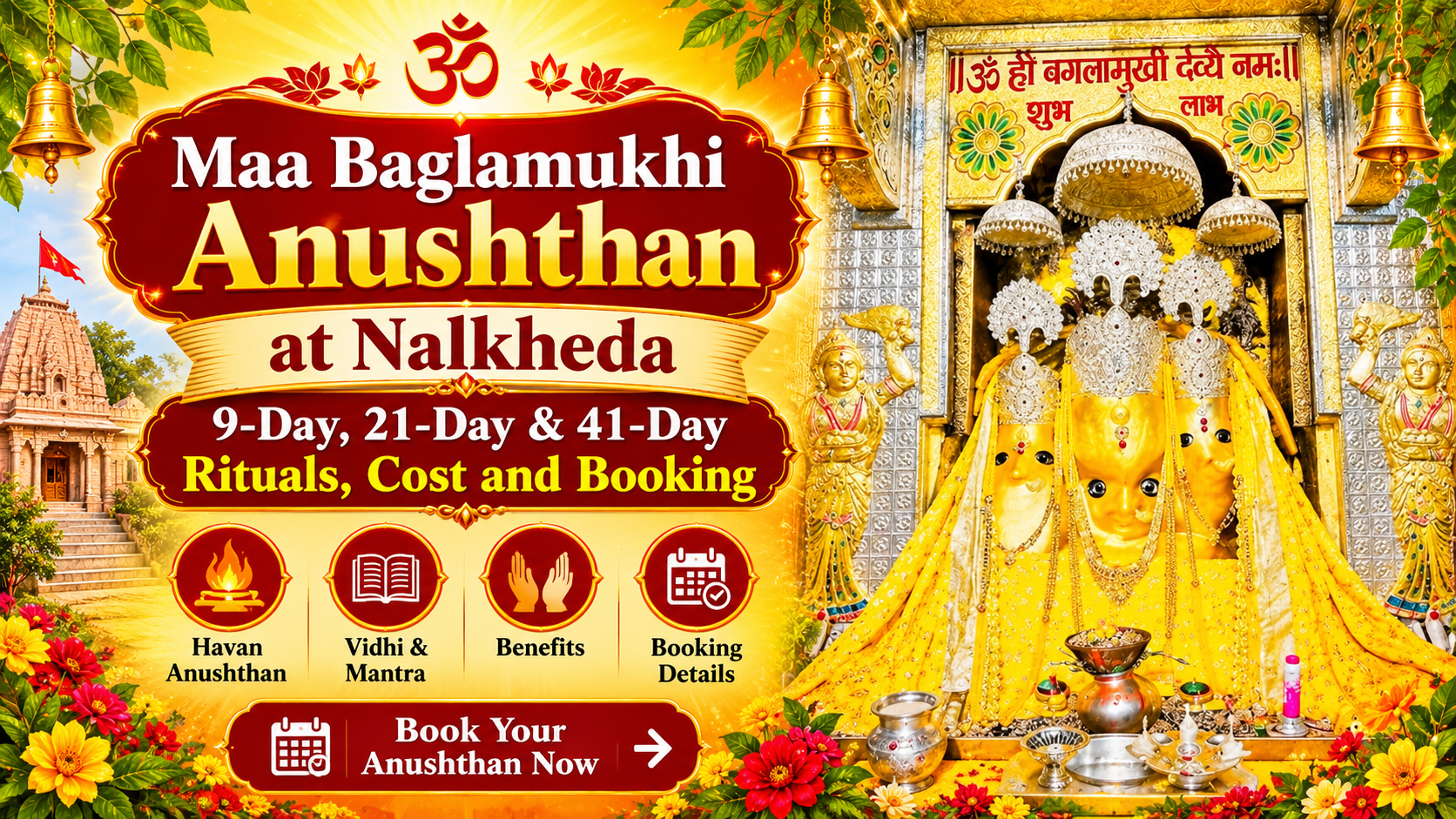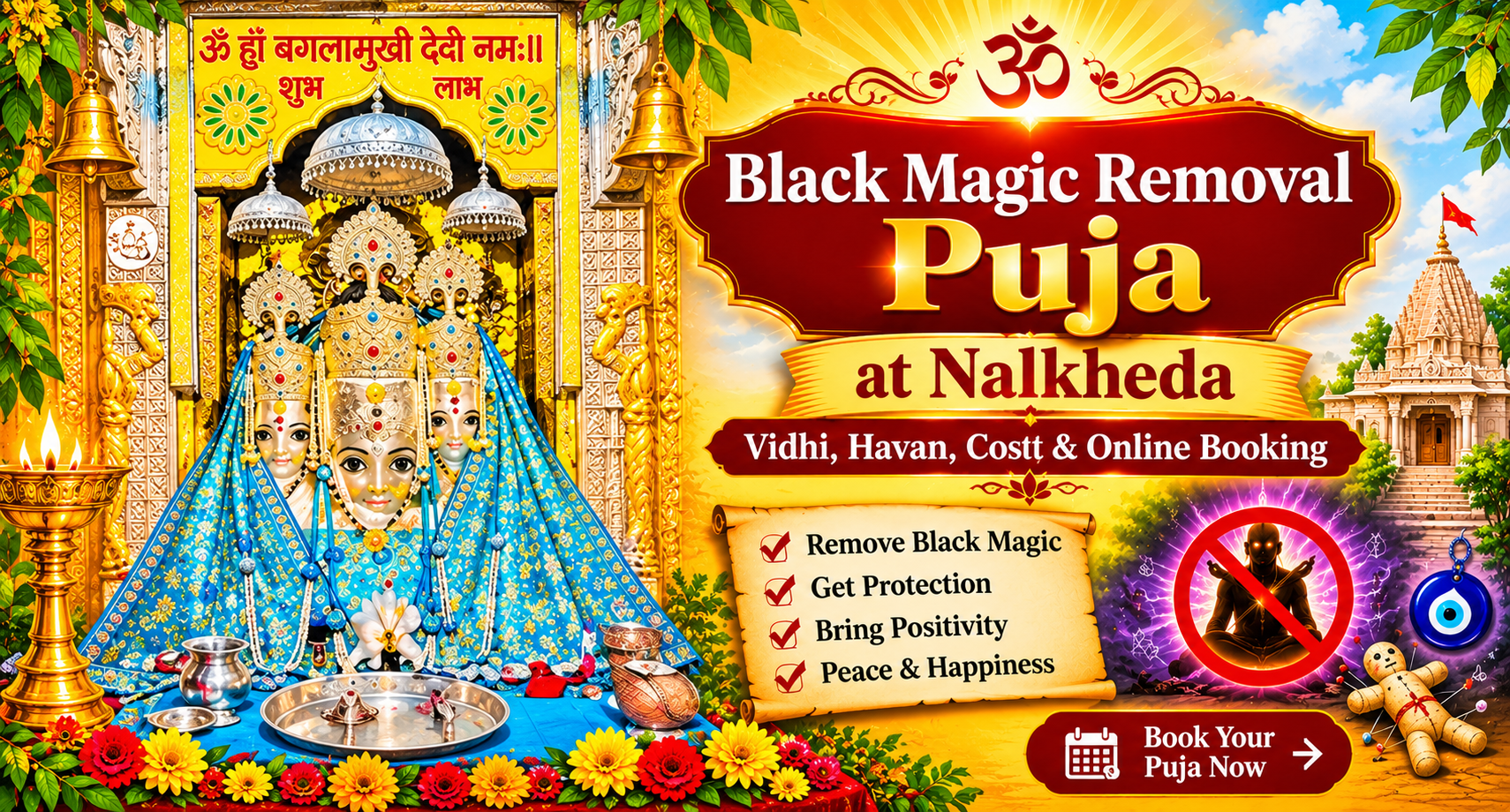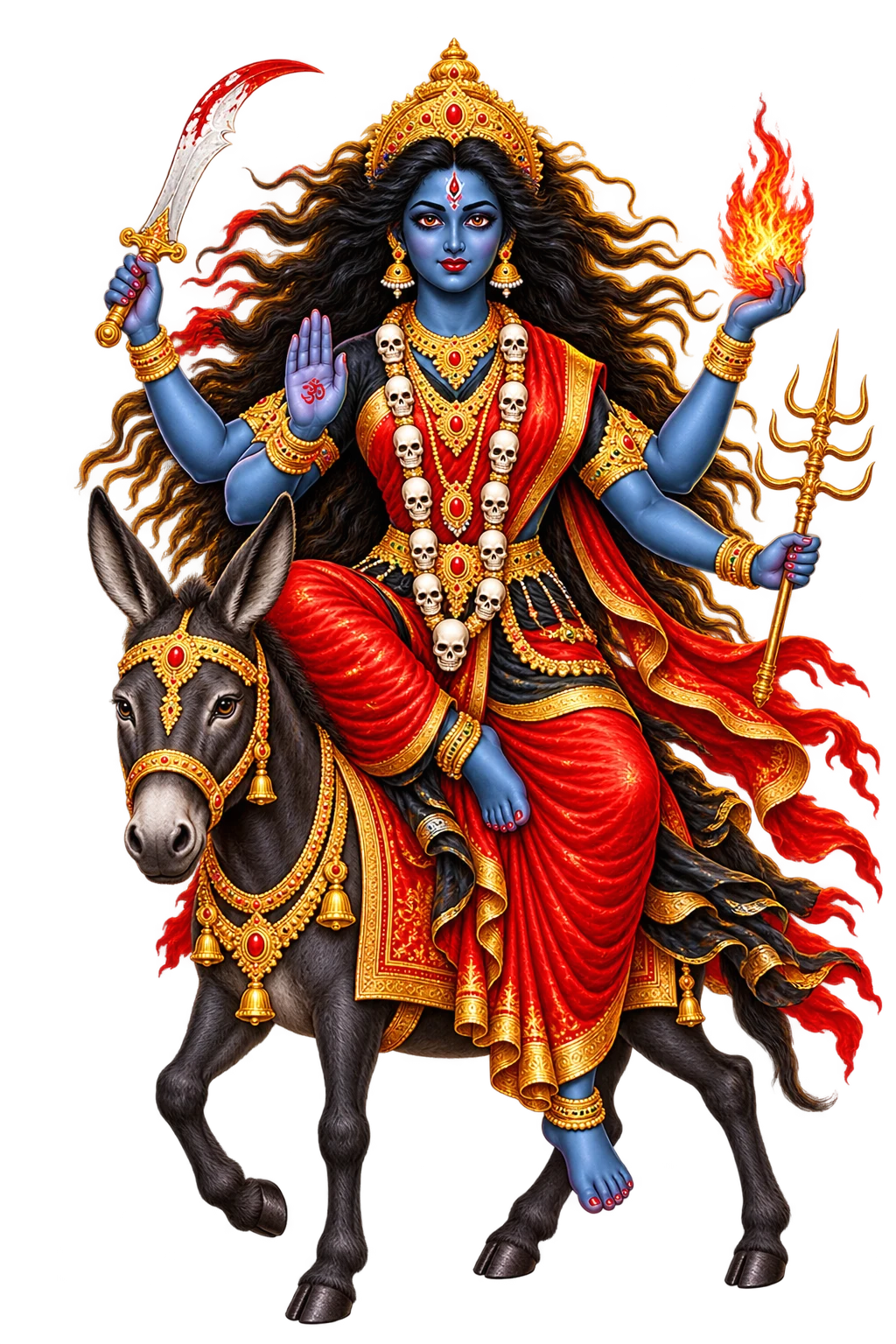
Among the various esoteric fire rituals associated with the Shakta tradition, few command as much reverence and intrigue as the Baglamukhi Lal Mirch Hawan (also popularly referred to as the Red Chilli Hawan or Mirchi Hawan). Practiced by initiated Tantric Acharyas at the legendary Maa Baglamukhi Temple in Nalkheda, this specialized ritual is renowned for incinerating the most obstinate obstacles, fierce opposition, and toxic enmity.
However, because of its fiery intensity and dramatic nature, widespread misconceptions surround this practice. Some mistakenly believe it to be aggressive sorcery, while others attempt dangerous unsupervised experiments at home. In authentic Vedic Shakta Agamas, the Lal Mirch Hawan is strictly a defensive spiritual shield, rooted in profound botanical and metaphysical science designed to uphold Dharma and neutralize unprovoked malice.
The Metaphysical Science of Red Chilli in Shakta Tantra
To understand why red chillies (Rakta Maricha) are offered into the sacrificial fire of Maa Baglamukhi, one must examine the classical theory of Gunas (qualities) and Rasas (tastes) in Vedic philosophy:
- Katu Rasa & Teekshna Guna: In Ayurveda and Agamic ritualism, red chillies embody extreme pungency (Katu) and sharp penetration (Teekshna). When offered into consecrated Agni, these physical properties translate on the etheric plane into an energetic force capable of piercing dense negative thought-forms, psychic blockages, and heavy occult oppression.
- The Symbolism of Agni: The sacred fire acts as the divine digestive system of the universe (Vaishvanara). By offering dried whole red chillies alongside pure cow ghee and camphor, the ritual consumes and incinerates the malice harbored by hostile adversaries, neutralizing their capacity to cause harm.
- Stambhana & Dissolution: While yellow mustard (Peeli Sarson) immobilizes the adversary's speech and intellect, the addition of red chilli in severe cases acts to completely dissolve the adversarial impulse, forcing opponents into retreat or peaceful resolution.
For standard fire offerings and baseline ingredients, explore our comprehensive guide on Baglamukhi Havan Samagri.
When is a Lal Mirch Hawan Warranted?
Because of its tremendous energetic intensity, experienced Acharyas at Nalkheda do not prescribe a Red Chilli Hawan casually. It is reserved for critical, life-altering crises where gentle satvic remedies have proven insufficient:
- Fabricated Litigation and Malicious Prosecution: When an innocent devotee is subjected to malicious, well-funded legal battles intended to bankrupt, imprison, or destroy them unjustly.
- Relentless Corporate Sabotage: In commercial arenas where ruthless adversaries conspire through espionage, defamation, or regulatory abuse to crush an honest enterprise.
- Severe Occult Attacks & Generational Enmity: Families facing acute psychic distress, sudden unexplained devastation, or chronic malice from longstanding blood feuds.
- Political Rivalry and Severe Defamation: Public leaders and high-profile individuals experiencing orchestrated character assassination.
In cases involving widespread opposition, this ritual is often integrated into a broader Shatru Vinash Puja or intensive protection ceremony.
Step-by-Step Vidhi of Nalkheda Lal Mirch Hawan
Performing a Lal Mirch Hawan requires rigorous priestly discipline, exact astrological timing, and extensive protective measures:
- Kavach and Digbandhana: Before lighting the fire, the presiding Acharyas establish an energetic perimeter (Digbandhana) around the Hawan Kund, sealing the ten cardinal directions to prevent volatile energies from escaping.
- Sankalp of Righteousness: The devotee takes a formal Sankalp strictly based on self-defense, restoration of peace, and the preservation of truth. The Acharya makes it explicitly clear that the ritual seeks divine protection, never unrighteous harm to others.
- Agni Sanskara: Invoking the fiery aspect of the Goddess (Ugra-Pitambari) within a consecrated copper or iron Kund, using seasoned mango wood, guggul, and clarified butter.
- Mantra Ahuti with Consecrated Chillies: Whole, unbroken dried red chillies (with their stems intact) are anointed with mustard oil, dipped into pure cow ghee, and offered into the leaping flames with precise repetitions of the Baglamukhi Shatru-Vinash Mantra.
- Observations during the Hawan: A unique phenomenon documented by thousands of visiting devotees is that when thousands of red chillies are burnt in an authentic consecrated Baglamukhi Hawan Kund at Nalkheda, the resulting smoke rarely causes the expected coughing or eye irritation. This botanical anomaly is revered as a sign of Agni Devata’s divine absorption.
- Poornahuti & Raksha Tilak: The ritual culminates in a majestic Poornahuti, followed by the application of the consecrated black Hawan Bhasma on the devotee’s forehead as a shield against all evil.
Crucial Precautions: Why You Must Never Attempt This at Home
⚠️ Strict Warning Against Unsupervised Home Rituals
Scriptures explicitly forbid untrained individuals from performing a Lal Mirch Hawan inside a residential home. The reasons are both physical and metaphysical:
- Physical Choking & Smoke Hazard: Outside an energized temple environment with specialized Agamic air circulation, burning large volumes of chilli at home produces toxic capsaicin fumes that cause acute respiratory distress.
- Volatile Energy Scattering: Without initiated Acharyas performing proper Digbandhana (directional sealing) and Kavach Path, intense Tantric energies can disrupt household equilibrium and cause immense agitation among family members.
- Karmic Rebound: If performed with impure anger, vengeance, or unethical motives, the intense energy of the Goddess immediately rebounds upon the person attempting it.
If you wish to establish everyday protection safely in your own household, follow our gentle, satvic Baglamukhi Puja Vidhi for Home Worship instead.
Comparing Lal Mirch Hawan with Standard Baglamukhi Hawan
| Attribute | Standard Baglamukhi Hawan | Lal Mirch Hawan |
|---|---|---|
| Primary Medium | Peeli Sarson, Haldi, Kamal Gatta, Ghee | Whole Dry Red Chillies, Mustard Oil, Ghee, Black Sesame |
| Ritual Mood | Soumya & Satvic (Gentle, Harmonious, Auspicious) | Raudra & Teekshna (Fierce, Decisive, Protective) |
| Common Objectives | General prosperity, career obstacles, health, family peace | Severe court cases, malicious enmity, crisis intervention |
| Location | Temple premises or sanctified household altar | Strictly at Nalkheda Siddhapeeth or consecrated Shakti Kshetras |
To evaluate whether your circumstances call for a standard Hawan or a full multi-day chanting cycle, read our comparison guide on Baglamukhi Anushthan Programs.
How to Book an Authentic Lal Mirch Hawan at Nalkheda
Our lineage of initiated Acharyas at Nalkheda conducts Lal Mirch Hawans following the highest standards of Shastric sanctity:
- Case Assessment: Our head priests review your case to ensure that the ritual is ethically justified and aligned with Dharmic principles.
- Sankalp Registration: The devotee provides their Gotra, birth details, and legal or personal dispute specifics for the formal Sankalp invocation.
- Live Participation: Devotees can be physically present at the Nalkheda temple or participate live through secure, high-definition video streaming.
- Prasad & Kavach Delivery: Following completion, energized Raksha Bhasma, sanctified thread, and protective Yantra tokens are shipped securely across India and internationally.
Ready to speak with our priests? Schedule your session via our Online Puja Booking Desk or reach out to our Temple Guidance Team for immediate confidential advice.
Frequently Asked Questions
Is Lal Mirch Hawan considered black magic?
Absolutely not. It is an authentic Shakta Tantric fire sacrifice mentioned in classical treatises like the Mantra Mahodadhi and Sankhyayana Tantra. Its sole purpose is defensive shielding and extinguishing hostility through the cosmic justice of Maa Baglamukhi.
Can someone book this Hawan remotely from outside India?
Yes. Thousands of NRI devotees in the USA, UK, Canada, Australia, and the Middle East participate via live video streaming. The spiritual efficacy of the Sankalp is carried directly through the spoken Gotra and visual darshan.
What should I wear or avoid during the ritual?
Devotees should wear traditional yellow or red attire. Strict vegetarian food, abstinence from alcohol, and ethical restraint must be maintained for at least three days prior to and following the ritual.