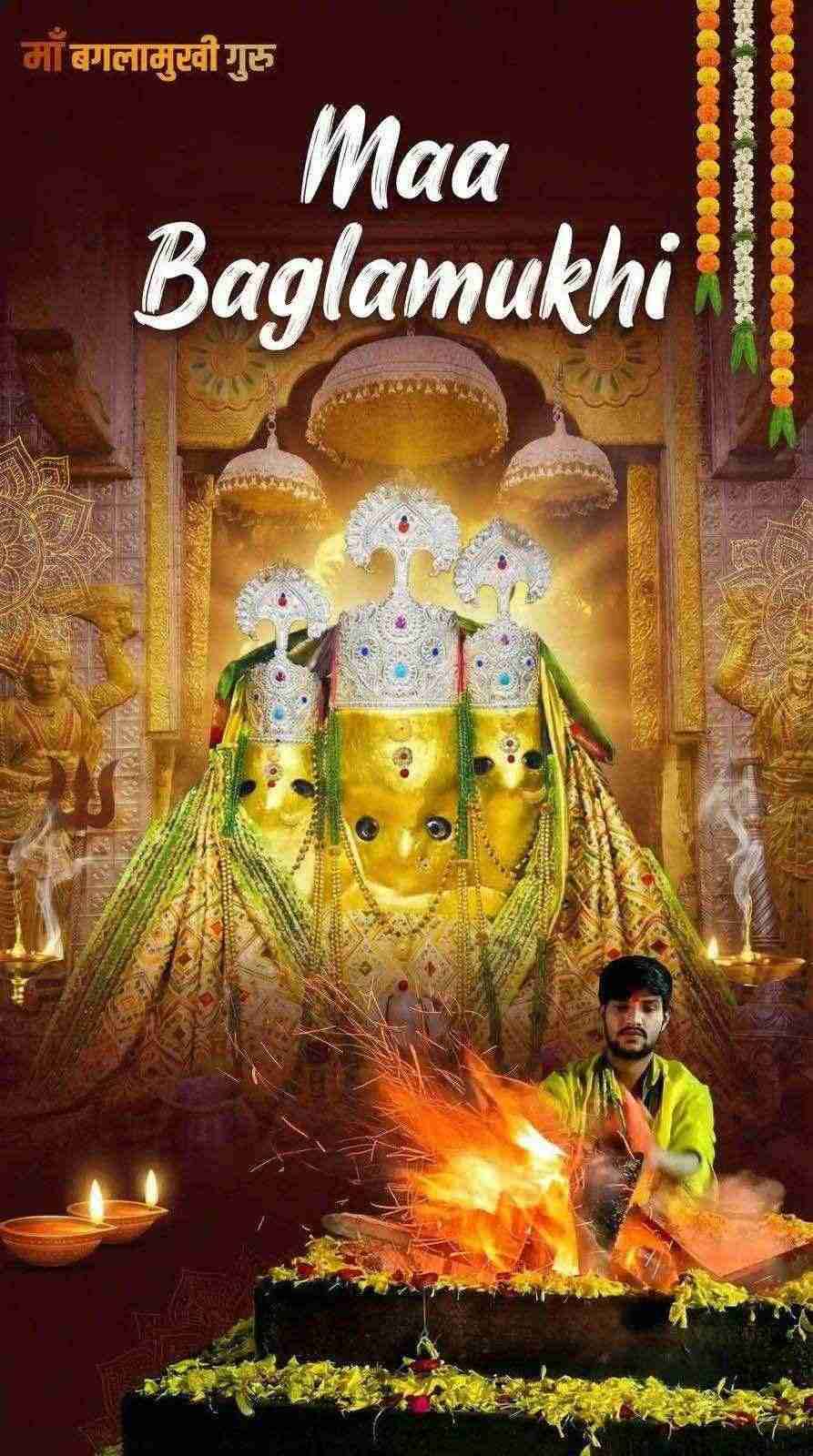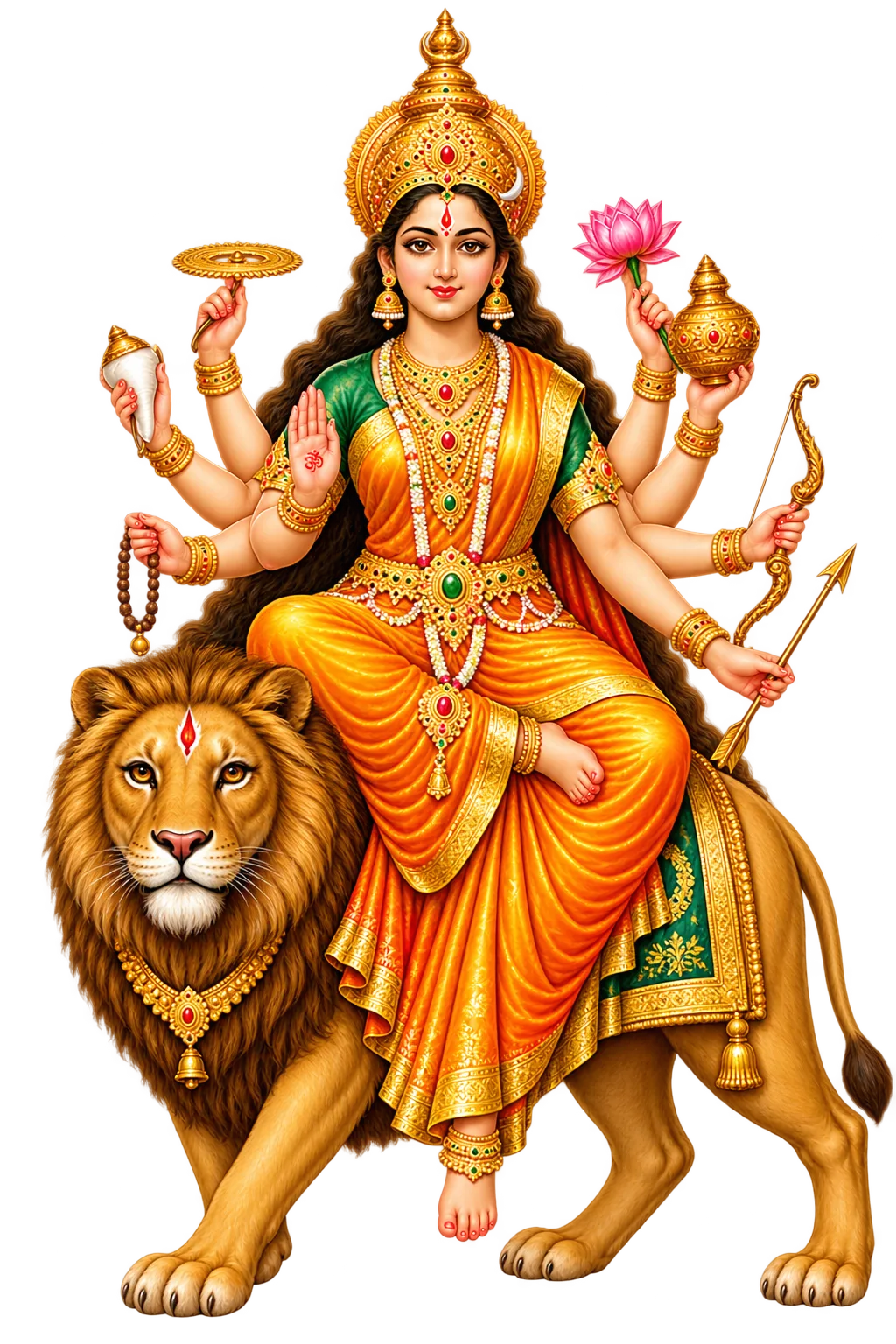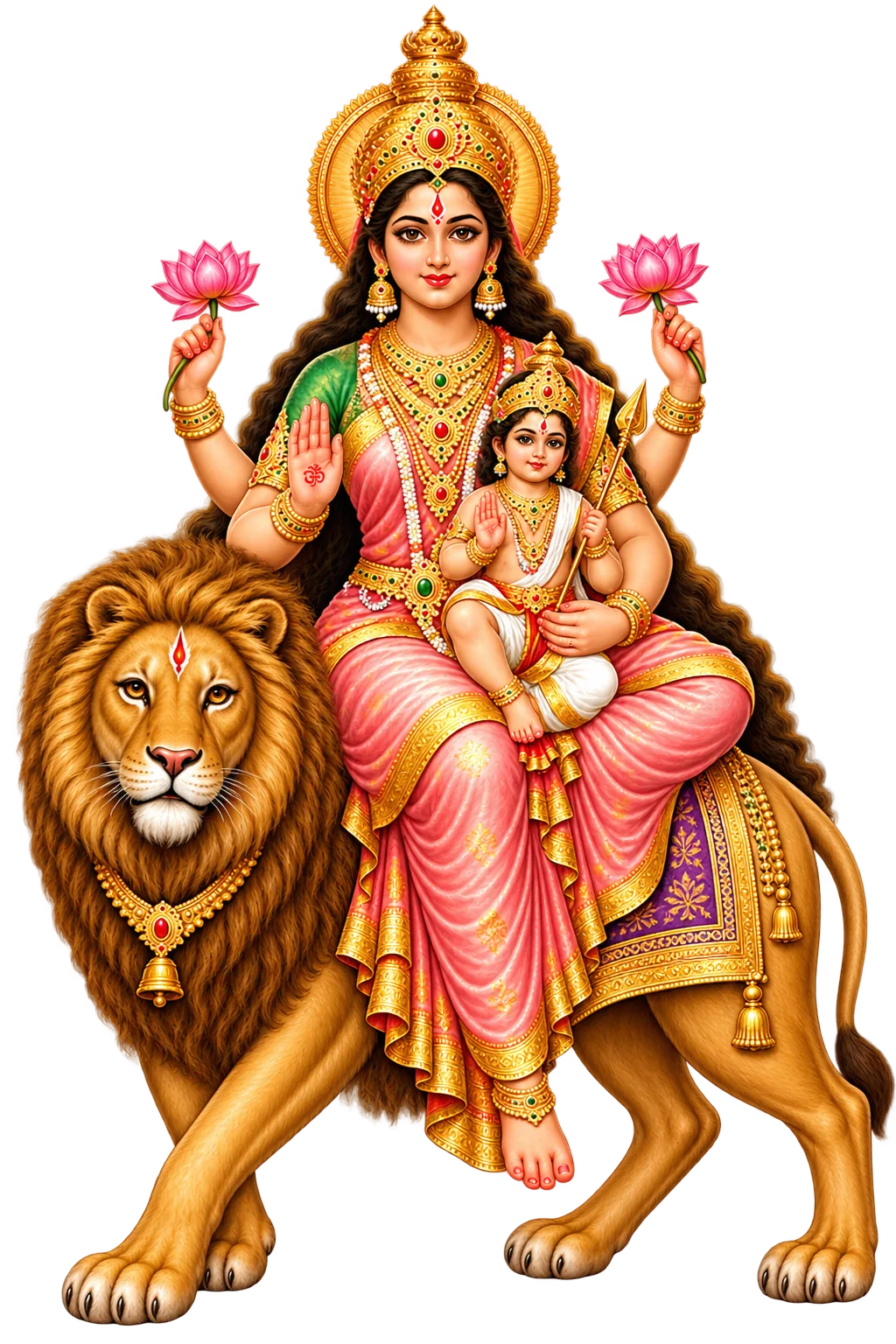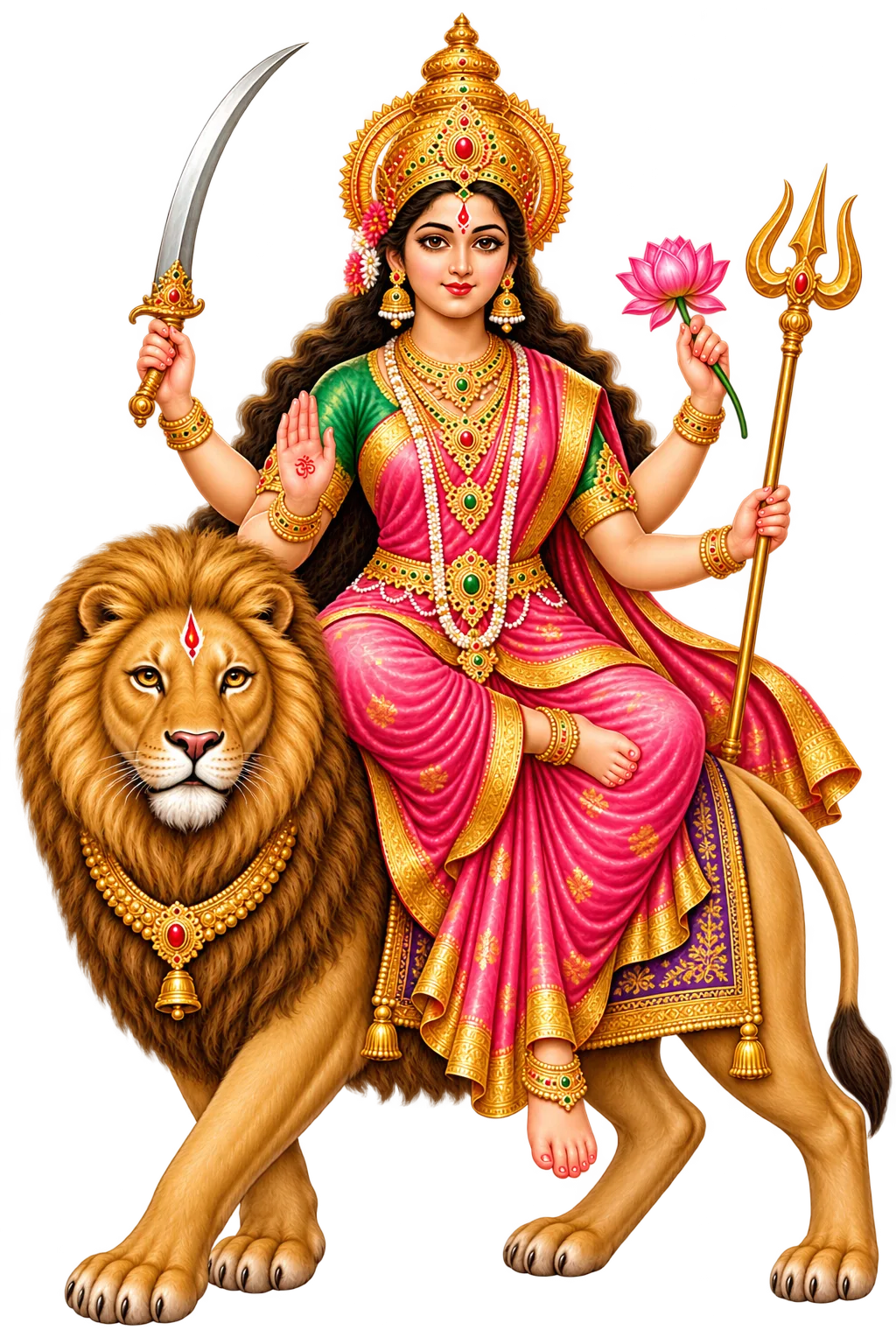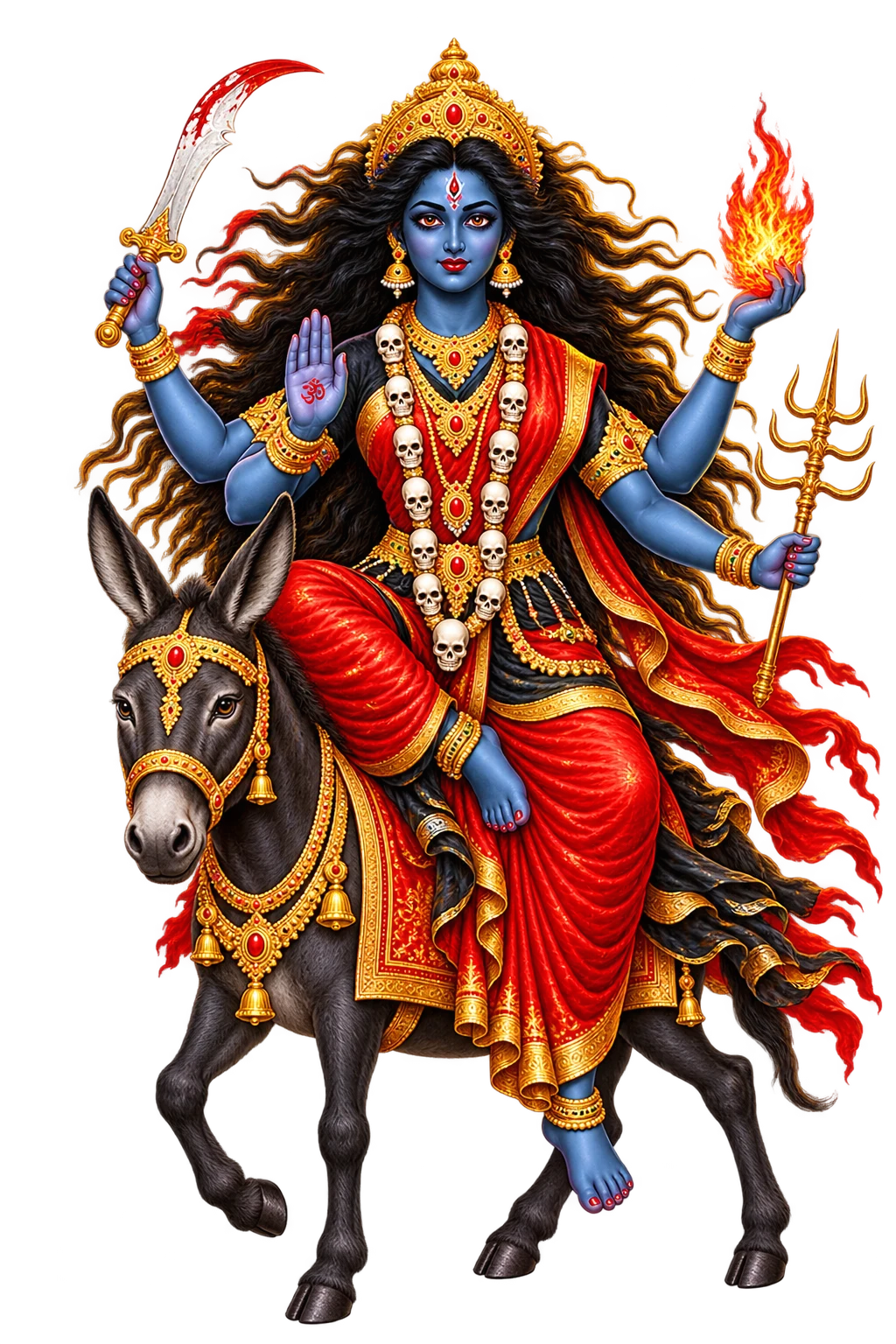

The aarti is where devotion becomes song. After the offerings and the mantra, the devotee lifts a lamp and sings - and in that moment of light and voice, the worship rises to its warmest point. The Maa Baglamukhi aarti is the loving conclusion of her puja, sung to honour Pitambara Devi, the goddess robed in yellow, and to seek her protective grace.
This guide explains the aarti fully - its meaning and themes, its significance in Baglamukhi worship, the benefits devotees attach to it, and the correct vidhi for performing it at home. You will find the complete lyrics on our dedicated aarti page; here, the focus is on understanding why and how to sing it. Wherever a belief is described, it is presented as tradition holds it, not as a guaranteed outcome.
What is the Baglamukhi aarti?
The Baglamukhi aarti is a devotional hymn sung in praise of Maa Baglamukhi, usually at the close of her puja, while a lit lamp is offered in a circular motion before her image. It is an act of love and surrender that completes the worship and invites the Goddess's blessings.
The word aarti refers both to the hymn and to the ritual of waving the lamp. In Baglamukhi's case, the aarti celebrates her as Pitambara Devi and the wielder of Stambhan Shakti, and asks for her protection and grace. You can read and sing along with the complete text on our Maa Baglamukhi aarti page.
The meaning and themes of the aarti
The aarti's central themes are praise, protection and surrender. It glorifies Maa Baglamukhi's beauty and power, honours her yellow radiance and her club and noose, celebrates her as the stiller of enemies and the protector of devotees, and offers the singer's heartfelt devotion.
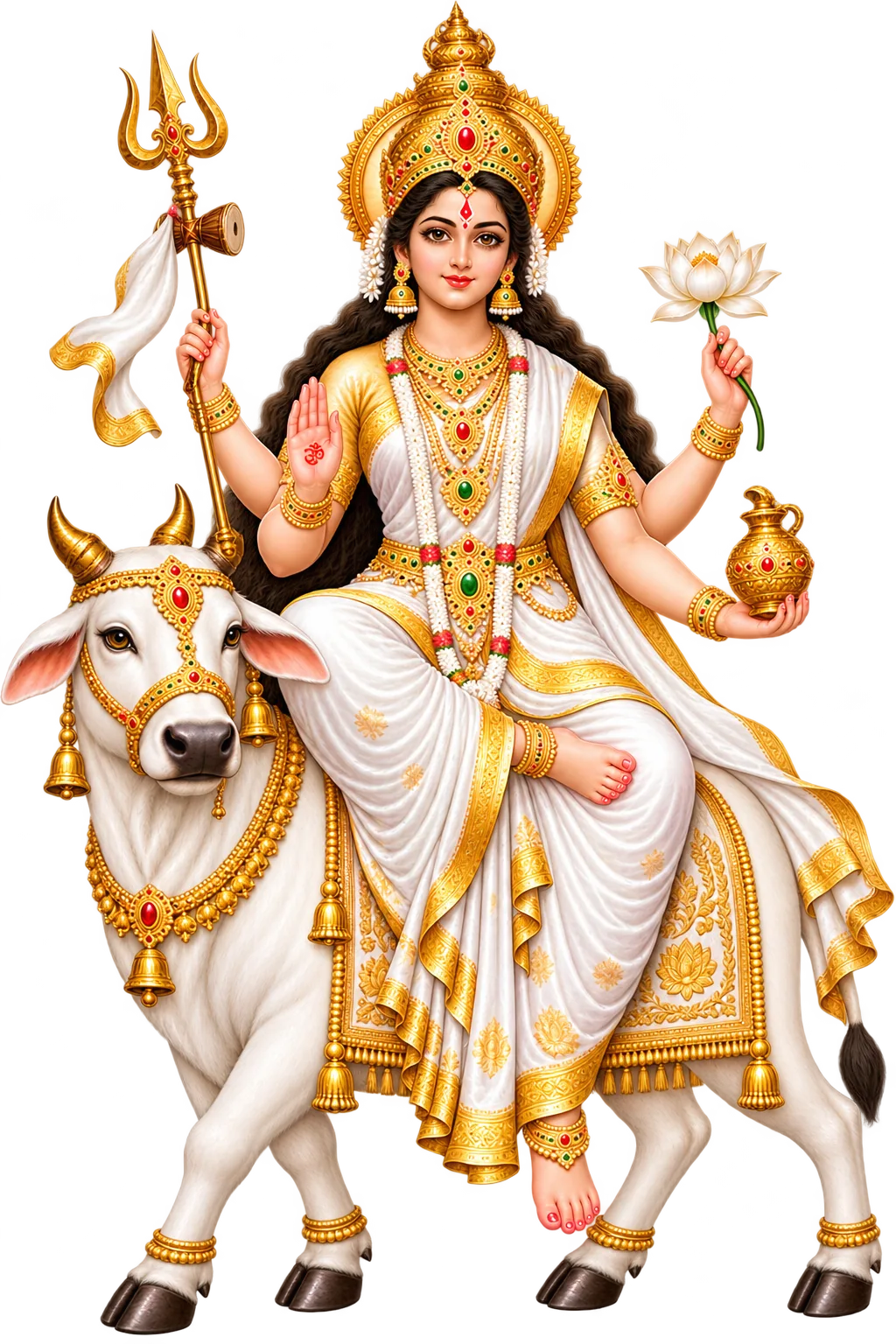
Read as a whole, the aarti is a compact portrait of the Goddess: her form robed in yellow, her seat, her weapons, her fierce protective power, and her tender grace toward those who take refuge in her. Singing it is a way of holding all of that in mind at once - not as information but as feeling. The devotee praises, then trusts, then asks - the natural movement of the heart in worship.
Significance in Baglamukhi worship
The aarti is significant because it completes and seals the puja on a note of love and gratitude. Where the mantra invokes and the offerings honour, the aarti expresses the devotee's personal bond with the Goddess - the emotional heart of the worship.
There is also a communal and steadying quality to it. An aarti is meant to be sung, often aloud and together, and that raising of the voice gathers the mind, lifts the mood, and marks a clear, warm ending to the worship. In a household, the shared aarti becomes the moment everyone joins - a small daily act that keeps devotion alive between the larger pujas.
Benefits according to tradition
In the devotional tradition, singing the Baglamukhi aarti with sincerity is believed to bring the following. These are described as fruits of devotion, not guaranteed outcomes:
A deeper, more personal bond with Maa Baglamukhi
Completion and "sealing" of the day's worship
A calmer, uplifted and more focused mind
Protection and grace as the fruit of sincere devotion
A sense of gratitude and inner steadiness
A simple, sustainable daily devotional practice
How to perform the aarti - step by step
The aarti is performed at the close of the puja, with a lit lamp offered before the Goddess. The simple order:
Complete the puja first. Offer your worship, offerings and mantra japa as usual.
Prepare the aarti lamp. Light a ghee lamp (often with an odd number of wicks) on the aarti thali, with a little incense.
Stand with devotion. Stand before Maa Baglamukhi's image or yantra, calm and attentive.
Sing the aarti. Sing the Baglamukhi aarti with feeling while offering the lamp in a circular motion (see the next section).
Offer and conclude. After the aarti, offer the lamp's warmth to yourself and family by passing your palms over the flame and touching them to your eyes and head.
Pray and take blessings. Close with a short personal prayer and a moment of gratitude.
Aarti vidhi: the correct way to move the lamp
Traditionally, the aarti lamp is moved in a clockwise circular motion before the deity, gently and steadily, in time with the singing. The common practice is to circle the whole image, sometimes emphasising a few slow circles at the face and feet.
A few points of vidhi: hold the thali in the right hand, keep the movement smooth rather than hurried, and let the rhythm follow the aarti's tune. Ring a small bell with the left hand if you wish. There is no need for anxiety about perfect technique - sincerity carries the aarti far more than precision. Keep the flame safe and the movement calm.
Best time to sing the aarti
The aarti is most commonly sung morning and evening, at the close of the daily puja, and it holds special power during Gupt Navratri, Navratri, and on Tuesdays. Many devotees sing it twice daily; even once, with sincerity, is meaningful.
Aarti, mantra and chalisa - how they fit together
These three are companions in Baglamukhi worship, each with its own role. The mantra invokes and concentrates the Goddess's energy; the chalisa narrates and praises her at length; the aarti completes the worship with a short, loving hymn of light.
A complete daily worship often moves through all three - mantra, chalisa, and aarti - though a devotee short on time can keep it simple with mantra and aarti alone.
Do's and don'ts
Common mistakes to avoid
Treating the aarti as a formality. Its power is in the feeling; sung absent-mindedly, it becomes routine.
Rushing the lamp. The motion should be calm and steady, in time with the tune.
Neglecting fire safety. An open flame needs care, especially around cloth and hair.
Skipping it when short on time. Even a brief, sincere aarti completes the worship better than none.
Singing without knowing the meaning. Understanding the words deepens the devotion.
Deepen your worship at Nalkheda
If you would like your worship performed or guided authentically - puja, havan or anushthan with proper vidhi and the concluding aarti - our acharyas at Nalkheda Siddha Peeth are here to help. We take your sankalp by name and gotra, perform the ritual, share the video, and courier the tirth prasad to your home, anywhere in the world.
Explore a Baglamukhi Havan, seasonal Gupt Navratri Baglamukhi Puja, or read the full Maa Baglamukhi aarti and chalisa to sing along at home. Devotees from India, the USA, UK, Canada, Australia, UAE, Singapore, Nepal and Mauritius are welcome.
📞 Speak with Acharya Vishnu Sharma: +91 73895 67650, or message on WhatsApp for guidance.
Quick summary
Baglamukhi aarti is the devotional hymn sung with a lit lamp at the close of her puja.
Themes: praise, protection and surrender to Pitambara Devi.
Significance: completes and seals the worship on a note of love and gratitude.
Vidhi: complete the puja, light the lamp, sing with feeling, circle the lamp clockwise, take blessings.
Best time: morning and evening; special power during Gupt Navratri, Navratri and Tuesdays.
Companions: mantra invokes, chalisa praises, aarti concludes.
Conclusion
The aarti is the tender close of Baglamukhi worship - the moment when light, voice and devotion come together and the heart simply loves the Mother. It asks for no expertise, only sincerity: a lit lamp, a clear voice, and a grateful heart. Sing it morning and evening, understand its meaning, and let it become the warm daily thread that keeps you close to Maa Baglamukhi. May her light steady and protect you. Jai Maa Baglamukhi.
FAQ Section
1. What is the Baglamukhi aarti?
It is a devotional hymn sung in praise of Maa Baglamukhi at the close of her puja, while a lit lamp is offered before her image. It completes the worship with love and gratitude.
2. What is the meaning of the Baglamukhi aarti?
Its themes are praise, protection and surrender - glorifying the Goddess robed in yellow, honouring her power to still enemies, and offering the devotee's heartfelt devotion.
3. How do I perform the Baglamukhi aarti?
Complete the puja, light a ghee lamp on the aarti thali, stand before the image, sing the aarti while circling the lamp gently clockwise, then take the flame's blessing and offer a short prayer.
4. When should the Baglamukhi aarti be sung?
Most commonly morning and evening at the close of the daily puja, with special devotion during Gupt Navratri, Navratri and on Tuesdays.
5. What are the benefits of singing the aarti?
Traditionally, a deeper bond with the Goddess, completion of the worship, a calmer and uplifted mind, and protection and grace as the fruit of sincere devotion - described as fruits of faith, not guarantees.
6. Where can I find the full Baglamukhi aarti lyrics?
The complete text is available on our dedicated Maa Baglamukhi aarti page, where you can read and sing along.
7. Which direction should the aarti lamp be moved?
Traditionally in a gentle clockwise circular motion before the deity, smoothly and in time with the singing.
8. Can women sing the Baglamukhi aarti?
Yes. The aarti is open to all devotees - women, men and children alike - and is often sung together as a family.
9. Do I need to sing the mantra and chalisa as well?
Not necessarily. A complete worship often includes mantra, chalisa and aarti, but a devotee short on time can keep it simple with the mantra and aarti.
10. Can I sing the aarti without a puja?
Yes. While it traditionally concludes a puja, a short aarti with a lit lamp and a sincere heart is a valid devotional act on its own.
11. Is it necessary to understand the aarti's meaning?
It is not required, but understanding the words deepens the devotion and keeps the singing heartfelt rather than mechanical.
12. How many wicks should the aarti lamp have?
Ghee lamps for aarti often use an odd number of wicks (such as one, three or five), but sincerity matters more than the exact count.