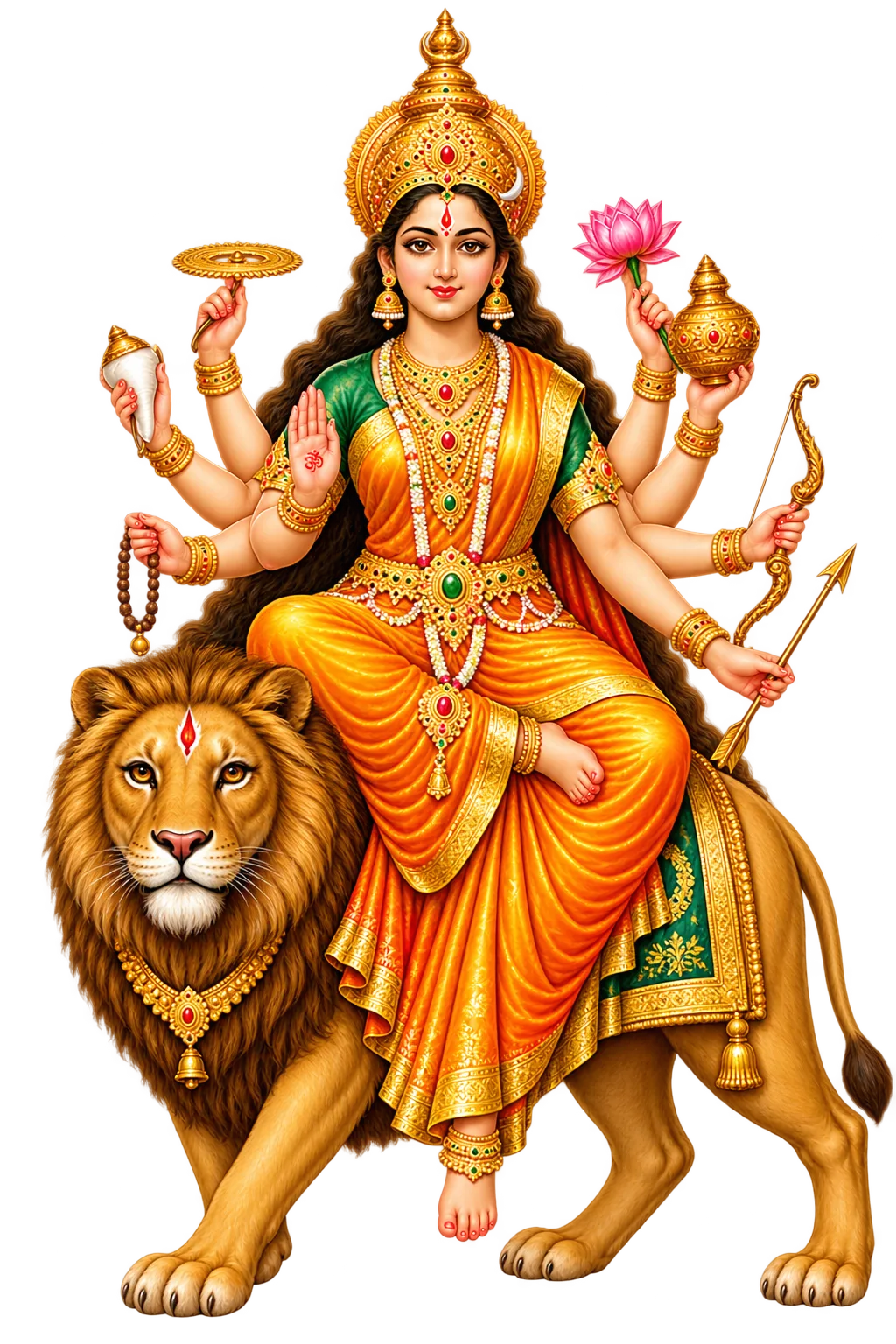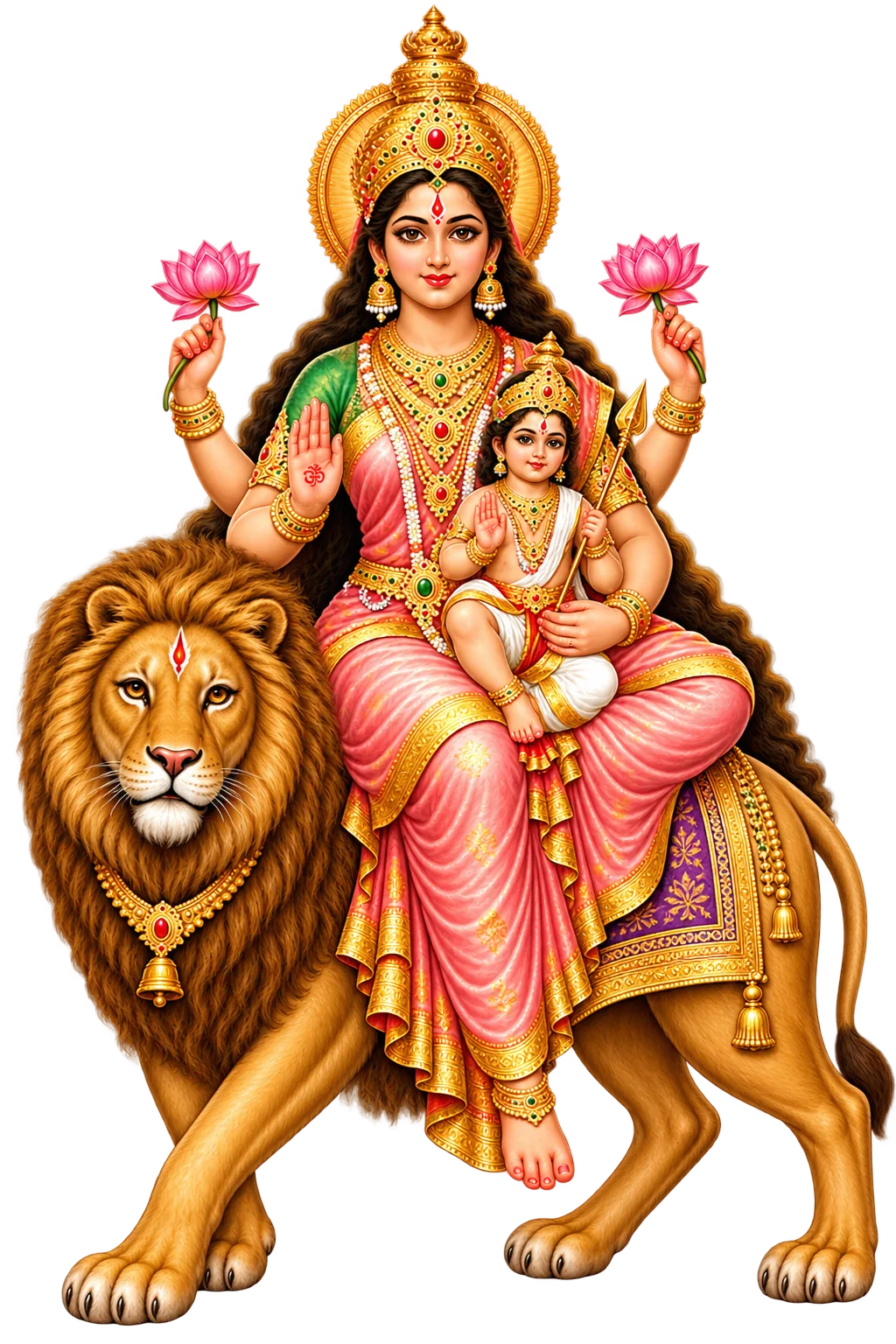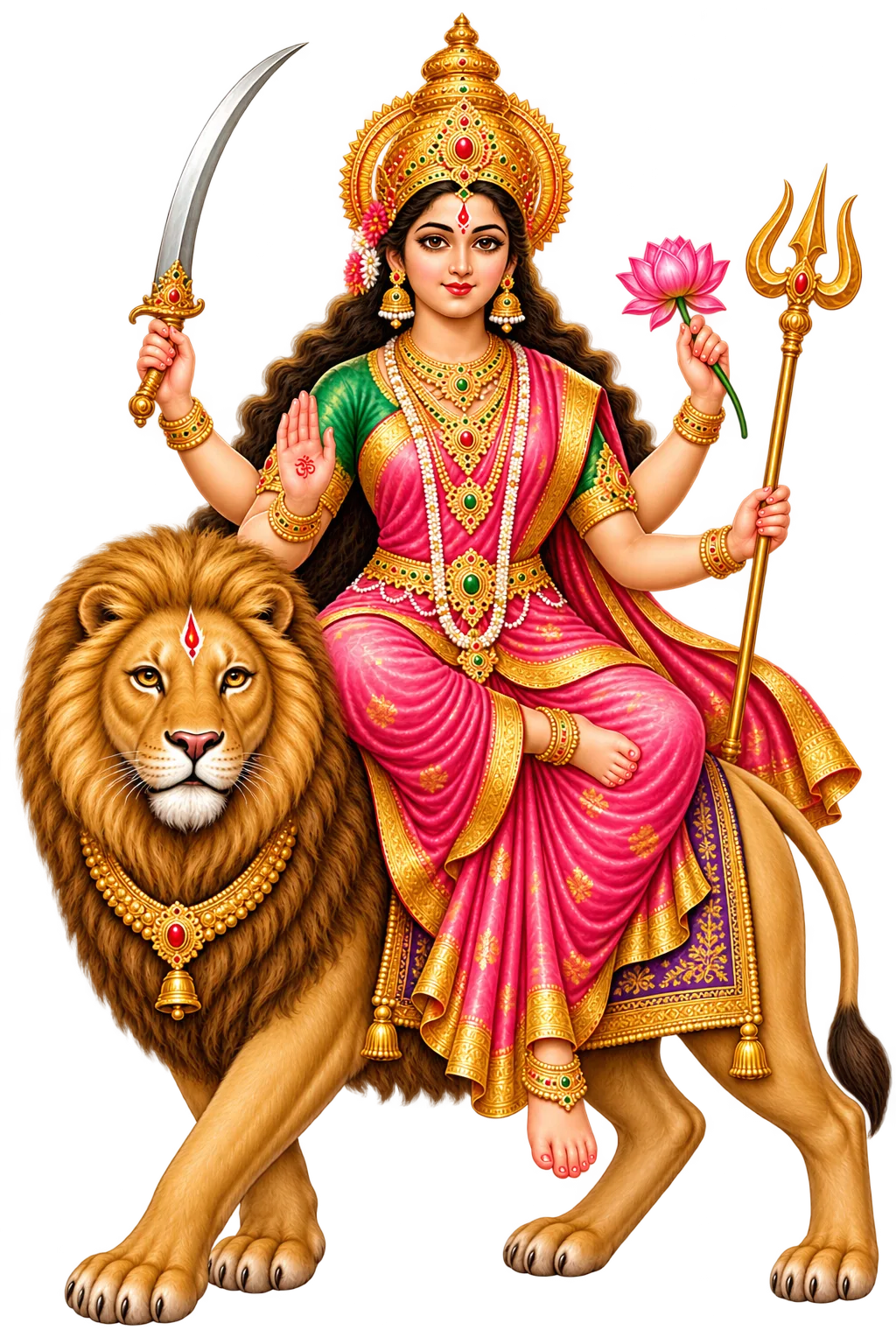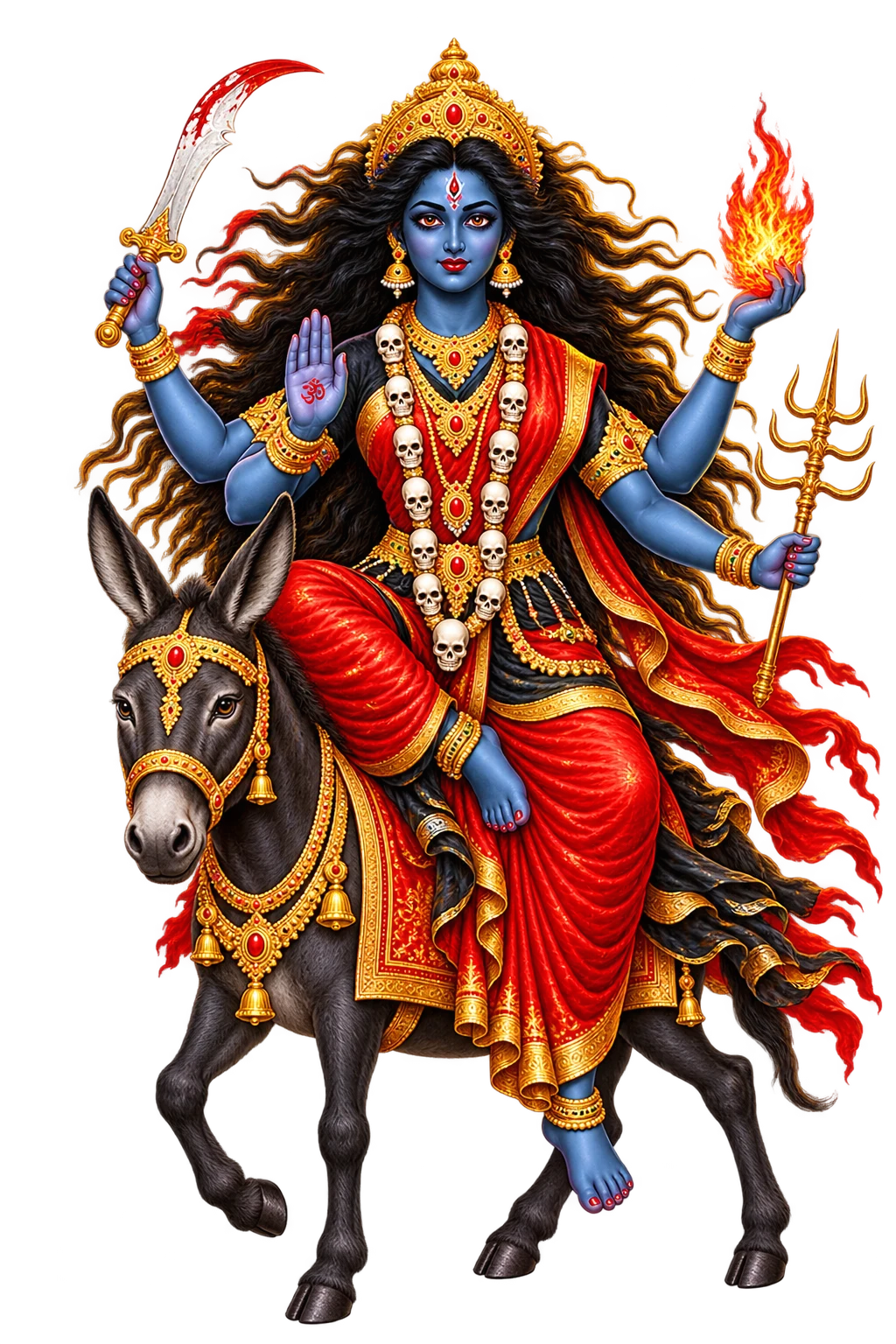
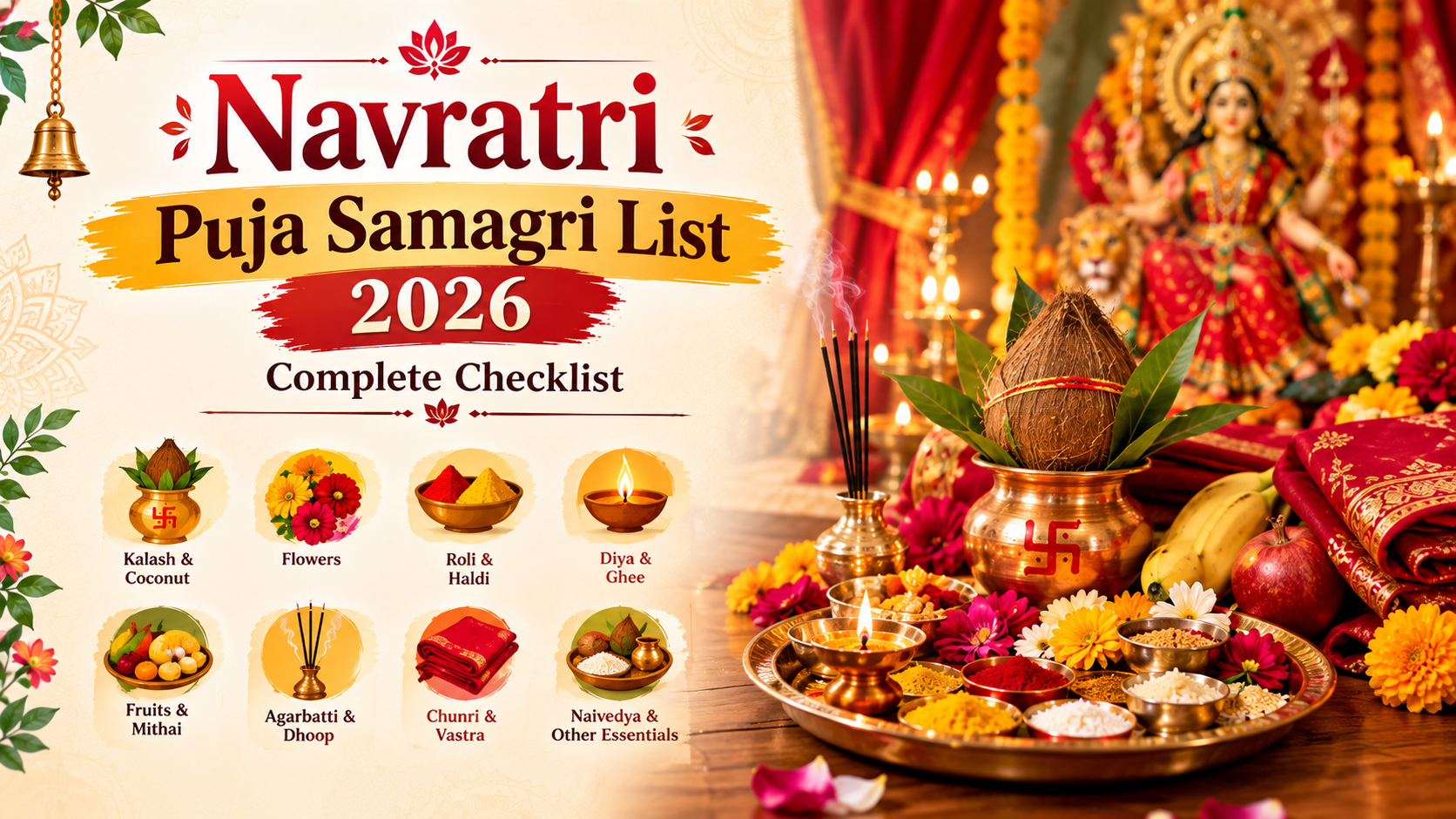
Getting ready for Shardiya Navratri 2026? This Navratri Puja Samagri List 2026 gives you a complete, organised checklist for home Puja, Ghatasthapana, daily worship, Bhog, Kanya Puja and Havan, so you can shop once and be fully prepared before the festival begins.
Navratri Puja Samagri List 2026 - Quick Checklist
Here is the essential list at a glance. Every item is explained in detail further below.
A reader can shop from this table alone for a simple home Navratri Puja. The detailed Navratri Puja Samagri List for Home below expands on quantities and category-wise items.
Complete Navratri Puja Samagri List
Navratri Samagri is generally grouped into a few practical categories. Not every family uses every item below; this is a comprehensive reference, and the "what you actually need" section further down tells you what is essential versus optional.
Basic Puja Items
Diya (lamp) and cotton wicks
Oil or ghee for the diya
Incense sticks (Agarbatti) and Dhoop
Matchbox or lighter
Roli and Kumkum
Akshat (unbroken rice grains)
Chandan (sandalwood paste)
Haldi (turmeric)
Sindoor, where traditionally used
Sacred thread (Moli/Kalava)
Fresh flowers and a garland
A vessel of clean water
Gangajal, where used in the family tradition
Puja bell (Ghanti)
Conch shell (Shankh), if available
Puja thali with small bowls (katori)
Kalash/Ghatasthapana Items
Kalash (copper, brass, silver or clay pot)
Water, filled almost to the brim
Coconut, usually wrapped in a red cloth
Mango leaves, placed around the neck of the Kalash
Moli (sacred thread) tied around the Kalash
Coins, placed inside the Kalash
Rice (Akshat)
Betel nut (Supari)
Fresh flowers
Durva grass, where used in the family tradition
Clean soil or sand for the Jawara/Barley sowing tray
Barley/Jow seeds, where applicable
These are the commonly used items across most North and Central Indian households; some are regional or family-specific, which is explained more in the Ghatasthapana Samagri Checklist further below and in this site's guide to Ghatasthapana.
Devi Puja Items
Fresh flowers and garland
Kumkum and Roli
Chandan
Akshat
Diya and incense
Fruits
Bhog/Prasad
Red chunri or cloth for the Devi's seat
Other traditional offerings as per family custom
Navratri Bhog Samagri
Bhog offerings vary widely by state and family, so treat the following as commonly used vegetarian devotional items rather than a fixed rule:
Seasonal fruits
Coconut
Sweets such as halwa, kheer or boondi
Puri and chana (especially for Ashtami/Navami)
Panchamrit ingredients: milk, curd, honey, ghee, sugar
Jaggery
Navratri Fasting Items
Families that observe a Navratri Vrat often keep some of these vrat-friendly ingredients ready. Fasting rules differ by region, family and personal health, so treat this as a general reference and see Navratri Fasting Rules for more detail:
Sabudana (sago)
Kuttu flour
Singhara (water chestnut) flour
Samak rice
Fruits
Milk and curd
Nuts and dry fruits
Rock salt (Sendha Namak)
Kanya Puja Samagri
Kanya Puja is usually performed on Ashtami or Navami. Common items include:
Puja thali, roli, akshat, flowers
Water for washing the girls' feet
Food/Bhog: halwa, puri, chana
Prasad and sweets
New clothes, gifts or Dakshina
Seating arrangements (mat or asan)
Food traditions for Kanya Puja vary by region and family. For a detailed date-wise and step-by-step guide, see Navratri Kanya Puja.
Navratri Havan Samagri
If a Havan is planned, typical shopping items include Havan Samagri mixture, dry coconut, ghee, camphor, mango wood pieces (Aamlakadi), sesame seeds, and matchsticks. Exact Samagri can vary depending on the specific tradition and whether a priest is conducting the ceremony, so it is best to confirm the list with your priest before buying specialised items. For a complete Havan guide, see Navratri Havan.
Essential Navratri Puja Samagri - What You Actually Need
Online lists can feel overwhelming. Here is a simple, honest breakdown so beginners are not left buying everything.
Essential items Kalash, water, coconut, mango leaves, roli, akshat, flowers, diya, oil/ghee, incense, a Devi image or idol, and fruits for Bhog.
Optional items Conch shell, bell, Gangajal, separate Jawara/barley tray, sindoor, chunri, and a large variety of sweets.
Regional/traditional items Barley sowing in soil, Durva grass, specific Bhog dishes, non-vegetarian offerings in some Shakta traditions, and region-specific Kanya Puja food. These depend entirely on family custom.
Not every household needs every item listed online. A simple, sincere Puja with the essential items is complete in itself.
Navratri Puja Samagri List for Home
A practical, copy-friendly shopping checklist for a home Puja:
Puja Thali
Kalash
Coconut
Mango leaves
Fresh flowers and garland
Roli/Kumkum
Akshat
Diya, wicks, oil/ghee
Incense/Dhoop
Matchbox
Fruits
Bhog ingredients
Prasad containers
Moli/sacred thread
Coins
This list works for a household following Navratri Puja at Home without needing every specialised item covered elsewhere in this guide.
Ghatasthapana Samagri Checklist
Ghatasthapana Muhurat and timing details are specific to your city; see the dedicated Ghatasthapana guide before performing the ritual.
Daily Navratri Puja Samagri
Keep a small reusable set ready for all nine days: fresh flowers, akshat, roli, a lit diya, incense, and a simple fruit or sweet offering. Specific offerings for each day may vary according to the Goddess being worshipped, along with family and regional practice, so it helps to plan day-wise using guides such as those for each of the nine days of Navratri.
Kanya Puja Samagri Checklist
Food traditions for Kanya Puja vary by region and family; adjust the Bhog to what is customary in your household. Full details are in the Navratri Kanya Puja guide.
Navratri Havan Samagri Checklist
Havan Samagri (pre-mixed or individually sourced)
Dry coconut and coconut pieces
Ghee
Camphor
Mango wood pieces (Aamlakadi)
Sesame seeds
Matchsticks
Havan Kund or fire-safe vessel, if not arranged by a priest
Exact Samagri can vary depending on the Puja or Havan tradition and whether it is being performed by a priest. This is meant as a shopping/preparation checklist only; for the full ritual guide, see Navratri Havan.
Navratri Puja Samagri Quantity Guide
Exact quantities differ by tradition, so use this only as a general starting point for a normal household Puja:
Kalash - 1
Coconut - 1 (per Kalash)
Diya - 1 or more, depending on daily Aarti
Flowers - according to availability
Fruits - a small seasonal selection
Rice/Akshat - a small bowl, usually sufficient for a household Puja
Incense sticks - a few for each Aarti
Quantity can be adjusted based on family tradition and the number of participants.
Navratri Puja Shopping List
Buy first Kalash, diya, puja thali, incense holder, Moli, roli, akshat container.
Buy fresh (closer to the day) Flowers, garland, mango leaves, coconut, fruits, betel leaves.
Keep at home Oil/ghee, matchbox, cotton wicks, sweets, Bhog ingredients.
Prepare on Puja day Panchamrit, Havan Samagri tray (if applicable), Kanya Puja food, Prasad plates.
Navratri Puja Items People Often Forget
Cotton wicks
Moli/sacred thread
Matchbox or lighter
An extra diya as backup
A clean Puja cloth or asan
Water vessel for Achman
Small bowls for Prasad
Extra flowers for daily Puja
Clean napkins or cloth
Havan items, if a Havan is planned
Navratri Puja Samagri - What Not to Buy Unnecessarily
Online lists can become unnecessarily long. Keep a few things in mind:
Not every item on a list is mandatory for your Puja.
Family traditions differ, and so do regional practices.
Follow the requirements of the specific Puja you are performing, not every item mentioned on every website.
For specialised rituals such as a Havan or Anushthan, ask your priest what is actually required before buying anything extra.
Maa Baglamukhi Puja Samagri During Navratri
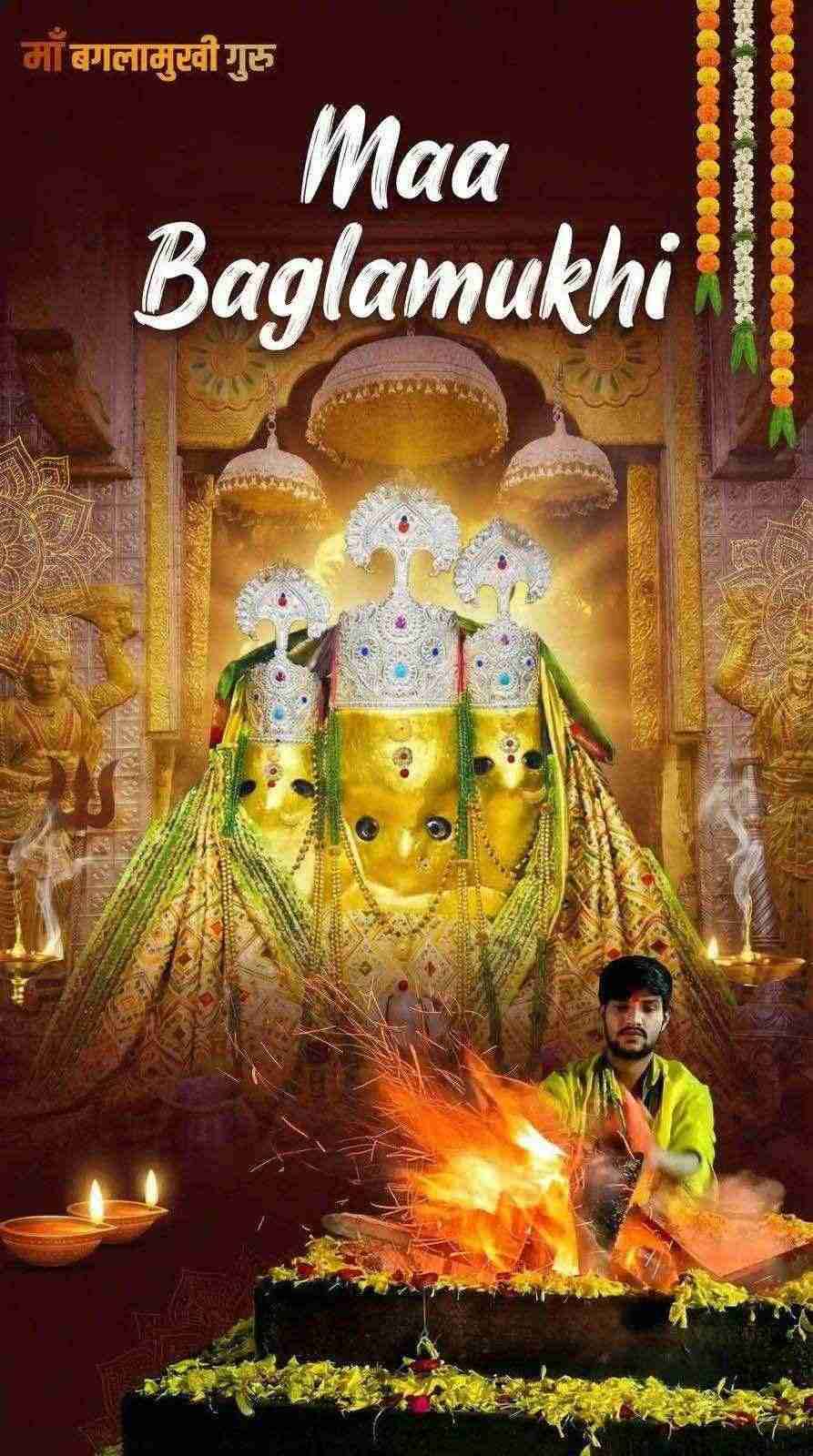
Maa Baglamukhi Puja is a distinct devotional practice, separate from the general Navratri Samagri covered above. It should not be mixed with a regular home Navratri Puja list. If you are planning a priest-guided Maa Baglamukhi Puja, Havan or Anushthan during Navratri, the Samagri required depends on the specific ritual and the guidance of the officiating priest. Specialised or Tantric ritual requirements are not something to arrange on your own based on a general checklist; they should be confirmed directly with the priest or service provider. You can learn more about Maa Baglamukhi Puja and related services such as Baglamukhi Havan on this site.
Navratri Puja Samagri for Maa Baglamukhi Puja in Nalkheda
Devotees arranging a priest-guided Puja, Havan or Anushthan at the Maa Baglamukhi temple in Nalkheda may have different Samagri requirements depending on the exact ritual chosen. Rather than purchasing specialised items on your own, it is best to confirm the exact Samagri list with the priest or service provider before your visit or booking. If you are exploring priest-guided options during Navratri, you can enquire about Maa Baglamukhi Puja arrangements in Nalkheda.
Navratri Samagri Checklist - Printable Style
Basic Puja
Diya
Cotton wicks
Oil/Ghee
Incense
Roli
Kumkum
Akshat
Chandan
Flowers
Ghatasthapana
Kalash
Coconut
Mango leaves
Moli
Rice
Coins
Barley/Jow, where applicable
Bhog
Fruits
Prasad
Bhog ingredients
Kanya Puja
Food
Prasad
Gifts
Dakshina
Havan
Havan Samagri
Other priest-recommended items
Common Navratri Puja Samagri Mistakes
Buying everything on an online list without checking what your specific Puja actually needs
Forgetting basic items like cotton wicks, matchbox or Moli
Using spoiled or old flowers and fruits as offerings
Confusing regular Puja Samagri with specialised Havan or Tantric Samagri
Not checking regional or family traditions before shopping
Not confirming priest-specific requirements before a Havan or Anushthan
Buying specialised items unnecessarily for a simple home Puja
Frequently Asked Questions
What Samagri is needed for Navratri Puja?
A basic set includes a Kalash, water, coconut, mango leaves, roli, akshat, flowers, a diya, oil or ghee, incense and fruits for Bhog.
What are the essential Navratri Puja items?
Kalash, coconut, flowers, roli, akshat, diya and incense cover the core of most home Pujas; everything else can be added based on family tradition.
What Samagri is needed for Ghatasthapana?
A Kalash, water, coconut, mango leaves, Moli, rice and coins are the commonly used items, with barley sowing being a regional addition.
What is needed for Kalash Sthapana?
The same items as Ghatasthapana: a Kalash filled with water, coconut on top, mango leaves around the neck, and Moli tied around it.
What should I buy for Navratri Puja at home?
Start with the Navratri Puja Samagri List for Home above, which covers the essentials for a beginner-friendly home Puja.
What Samagri is needed for Navratri Havan?
Havan Samagri, ghee, dry coconut, camphor, mango wood pieces and sesame seeds are commonly used; confirm the exact list with your priest.
What is needed for Kanya Puja?
Puja items for tilak, water for washing feet, food such as halwa-puri-chana, Prasad, and gifts or Dakshina for the girls.
What Bhog is offered during Navratri?
Common offerings include fruits, sweets, coconut and Panchamrit; the exact dishes vary by family and region.
Can Navratri Puja be done with minimal Samagri?
Yes. A sincere Puja with a diya, flowers, akshat and a simple offering is complete; elaborate Samagri is not mandatory.
What are the most important Navratri Puja items?
Kalash, coconut, flowers, akshat, roli, diya and incense are generally considered the most important.
What should I prepare before Navratri starts?
Arrange the Kalash, basic Puja items and any fasting ingredients a day or two in advance, and buy fresh flowers and fruits closer to the day.
What items are needed for all nine days?
Keep flowers, akshat, roli, a diya and incense ready as a reusable daily set, topping up fresh items as needed.
What should I buy for Navratri fasting?
Vrat-friendly ingredients such as sabudana, kuttu flour, singhara flour, fruits, milk, curd and rock salt are commonly used, depending on personal and family fasting rules.
What items are commonly forgotten?
Cotton wicks, matchbox, Moli, an extra diya and small Prasad bowls are the items people most often forget.
Is every item on a Navratri Samagri list necessary?
No. Many items on long online lists are optional or regional; the essential list covers what most households actually need.
Does Navratri Puja Samagri vary by region?
Yes, significantly. Bhog dishes, fasting rules, Kanya Puja food and even some Ghatasthapana items differ by state and family tradition.
Do I need a priest for a home Navratri Puja?
No, a simple home Puja can be performed without a priest. A priest is generally needed for a formal Havan or a specialised ritual like an Anushthan.
What is the difference between Navratri Samagri and Baglamukhi Puja Samagri?
Navratri Samagri is for general Durga worship, while Baglamukhi Puja is a separate devotional practice with its own priest-guided requirements; the two should not be mixed.
Can Kanya Puja Bhog include non-vegetarian food?
In most households, Kanya Puja Bhog is vegetarian; a few Shakta traditions include non-vegetarian offerings elsewhere in Navratri, but this is not universal.
Where can I check the exact Samagri for a priest-guided Puja in Nalkheda?
It is best to confirm directly with the priest or service provider before your visit, since requirements vary by ritual.