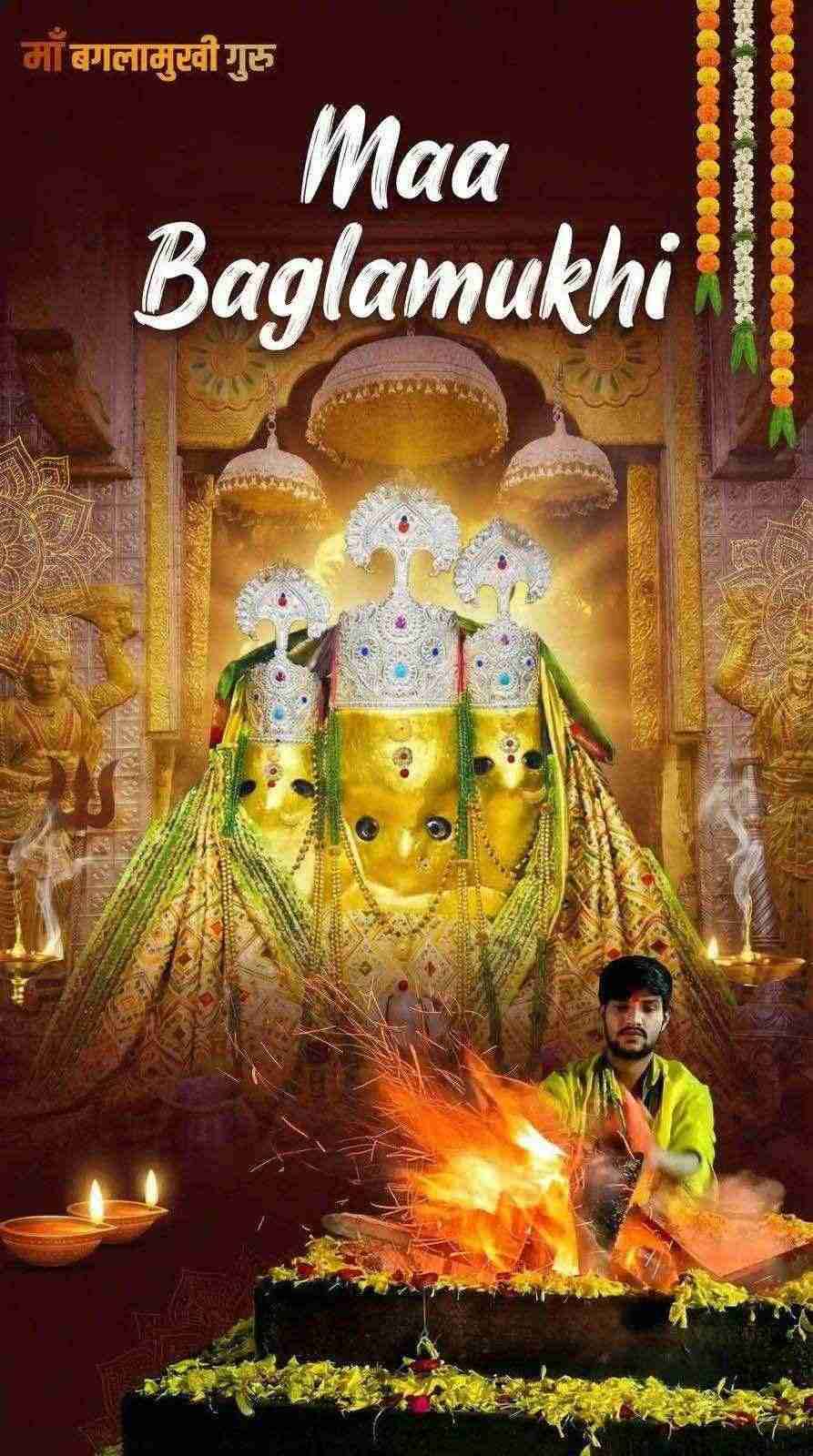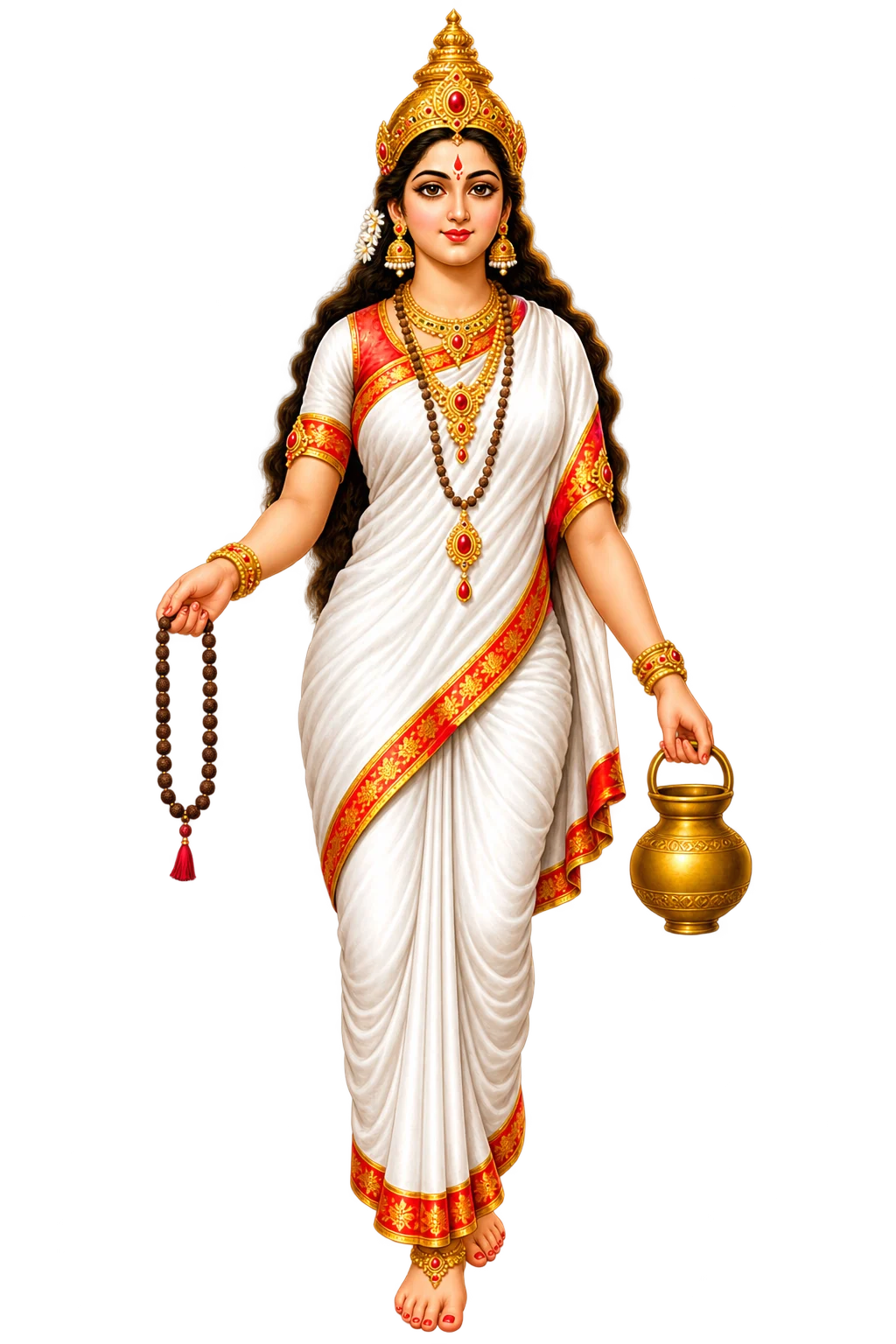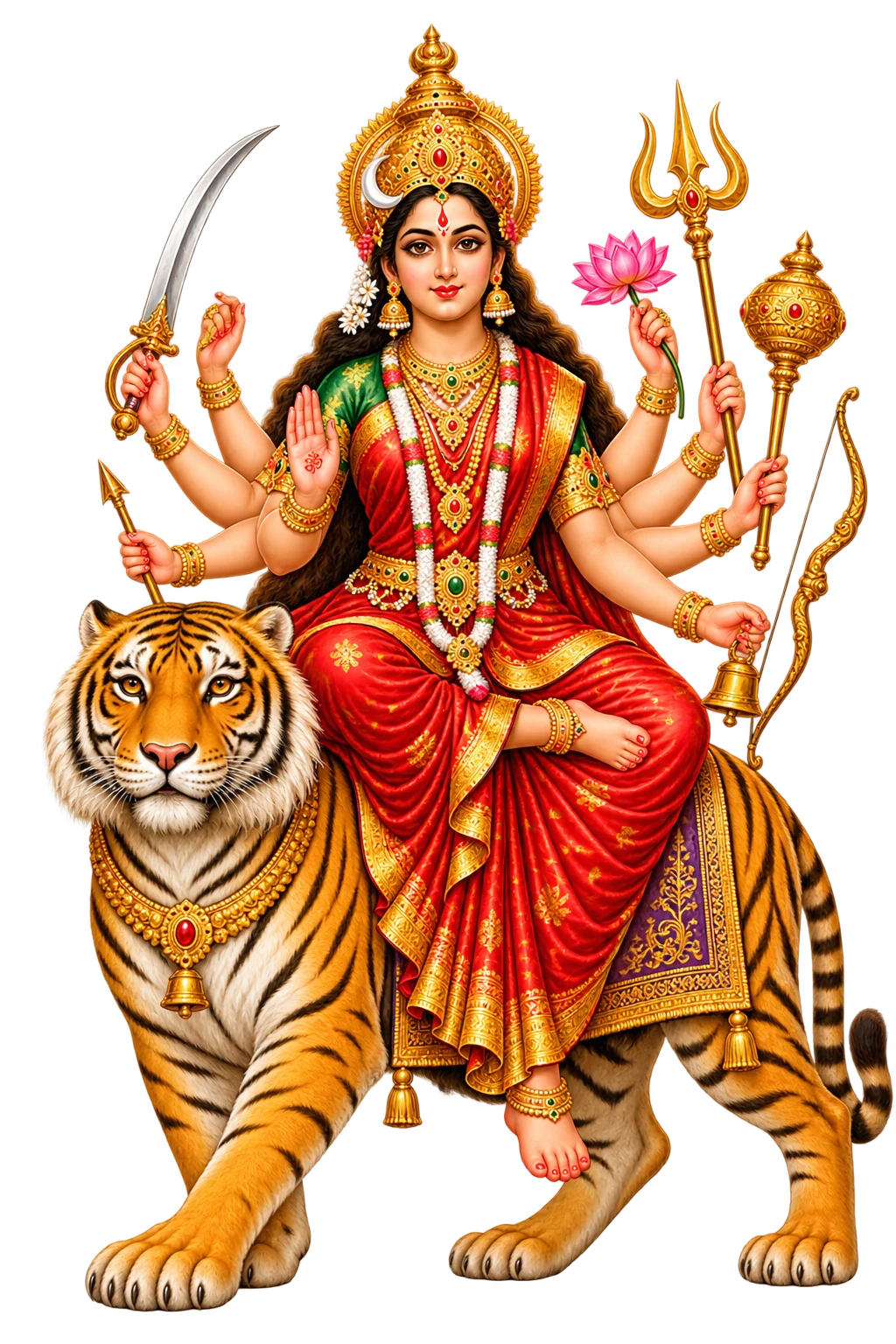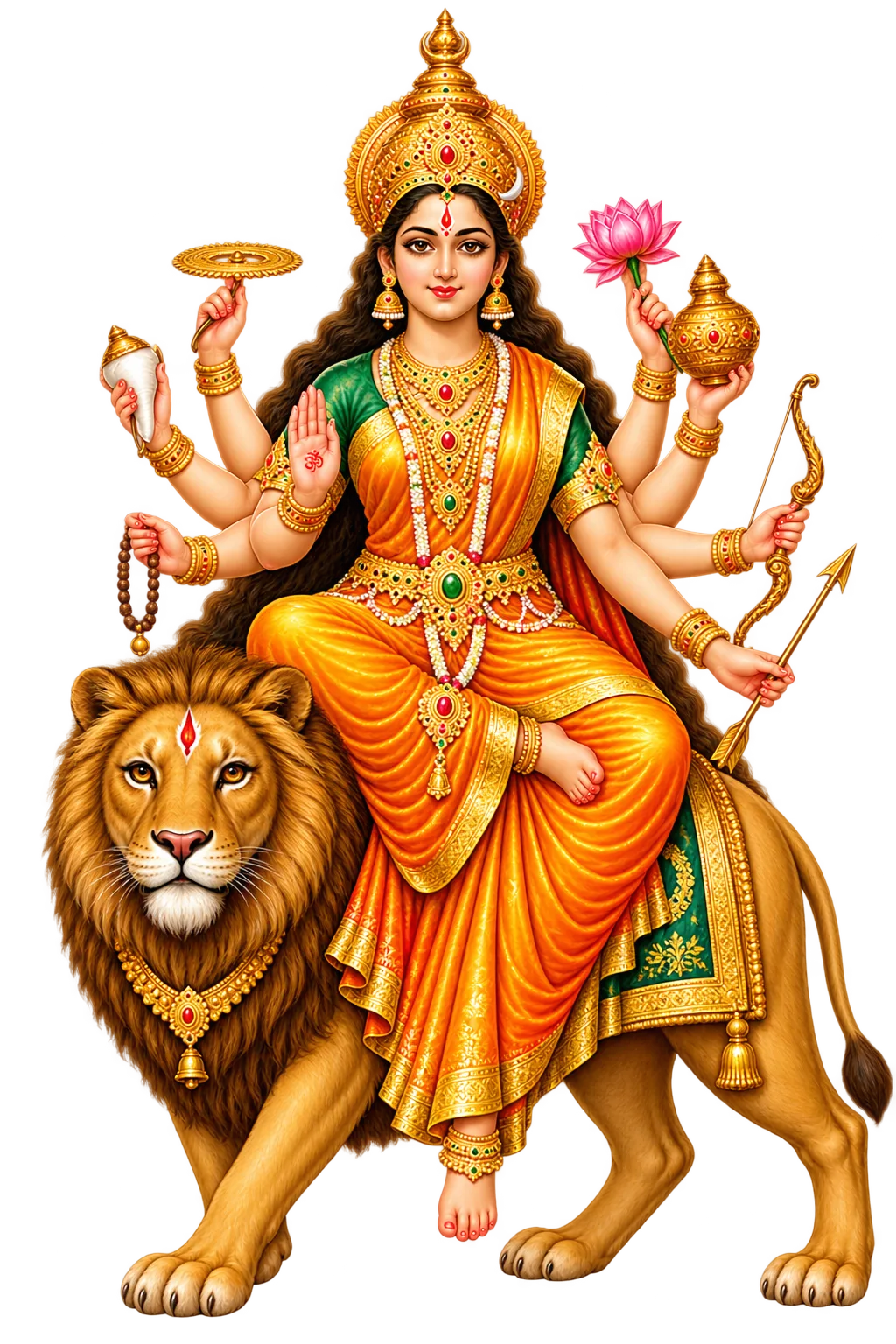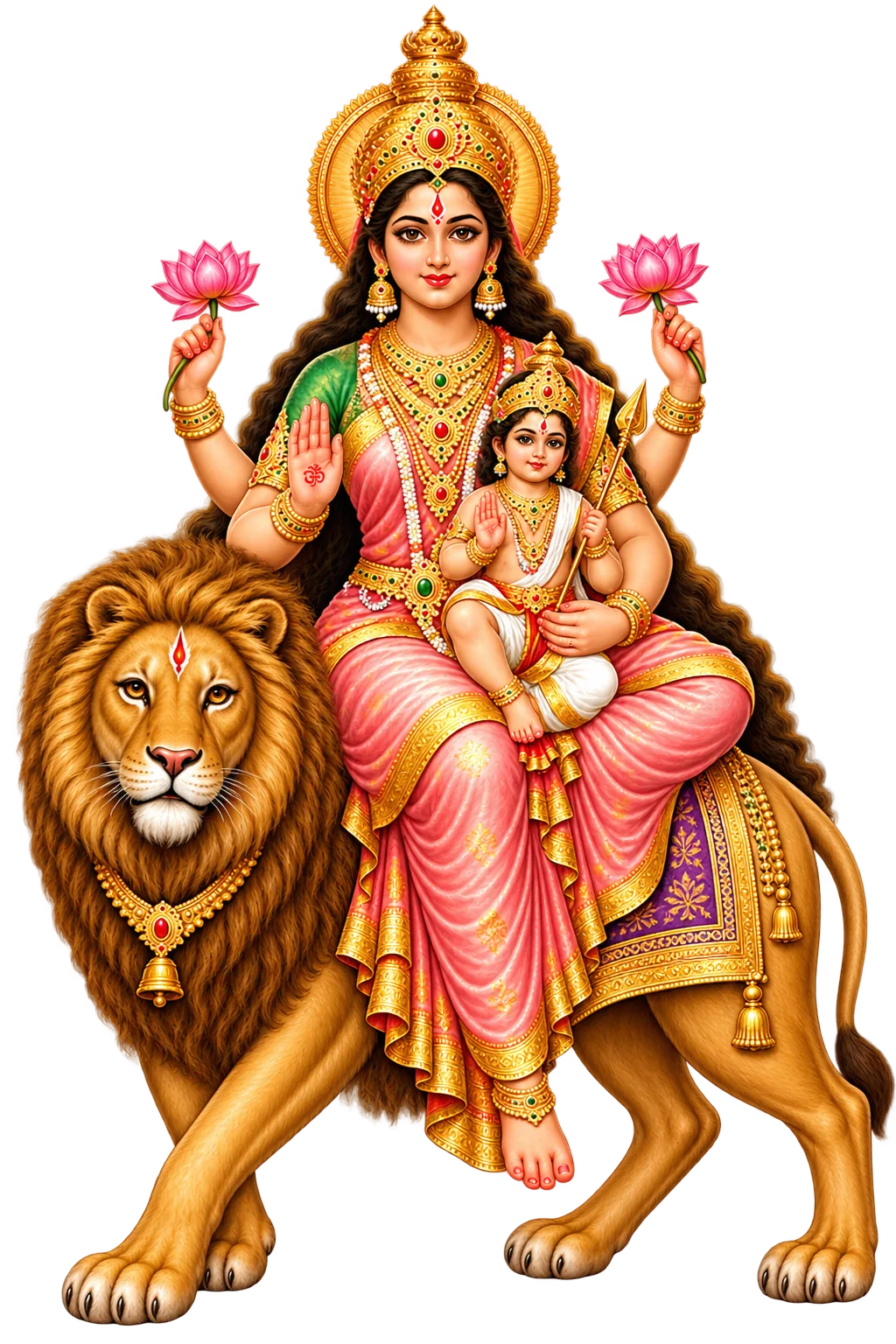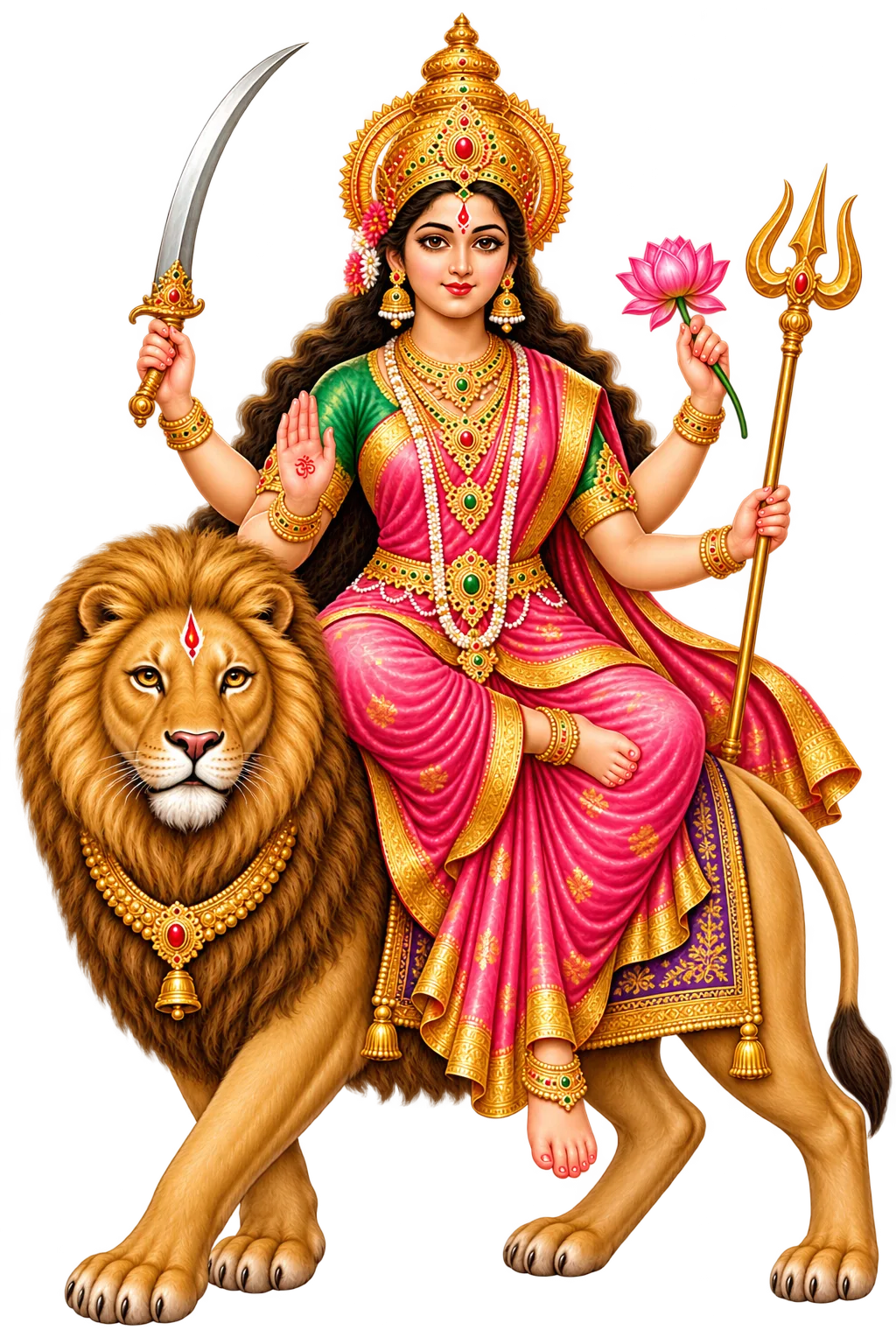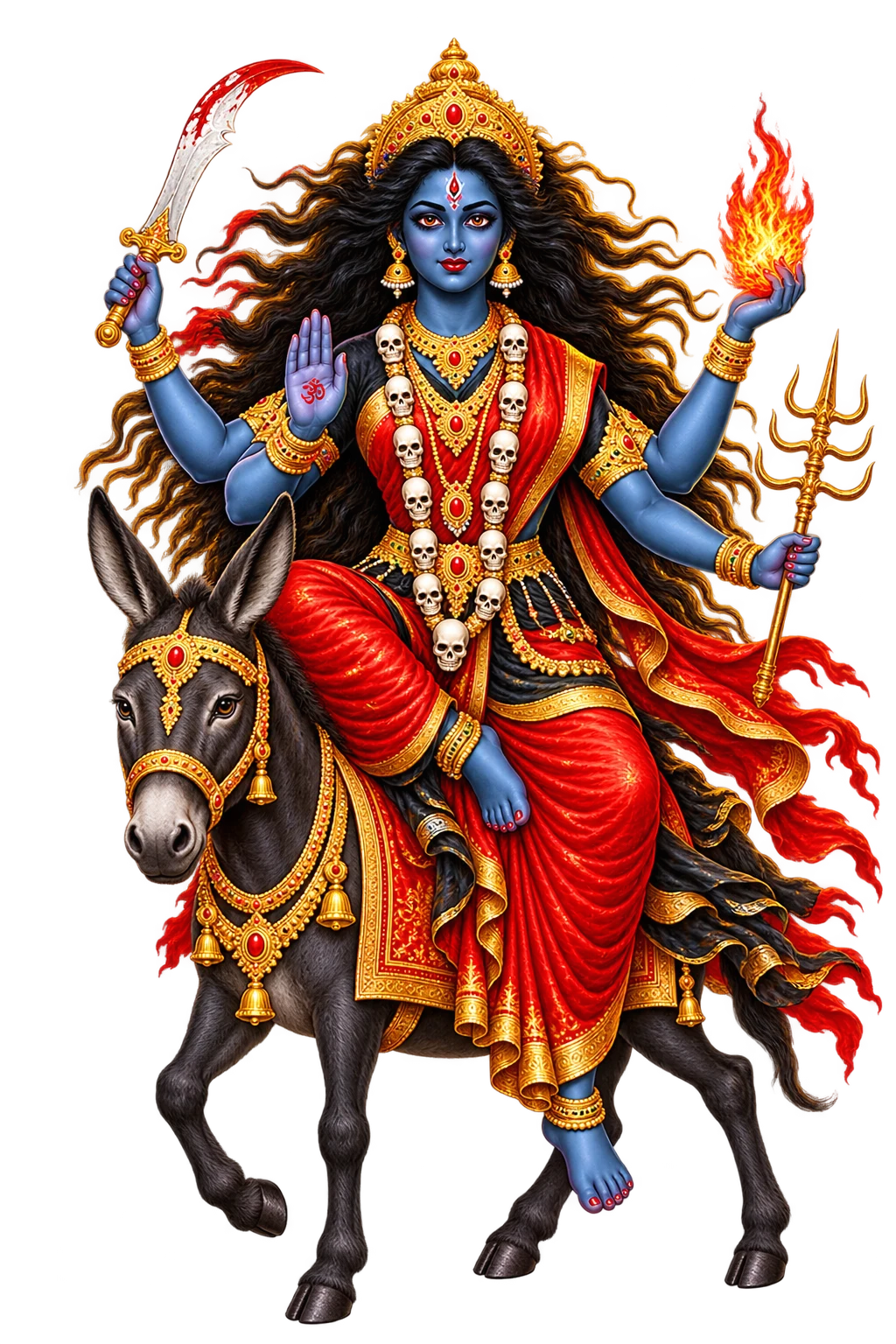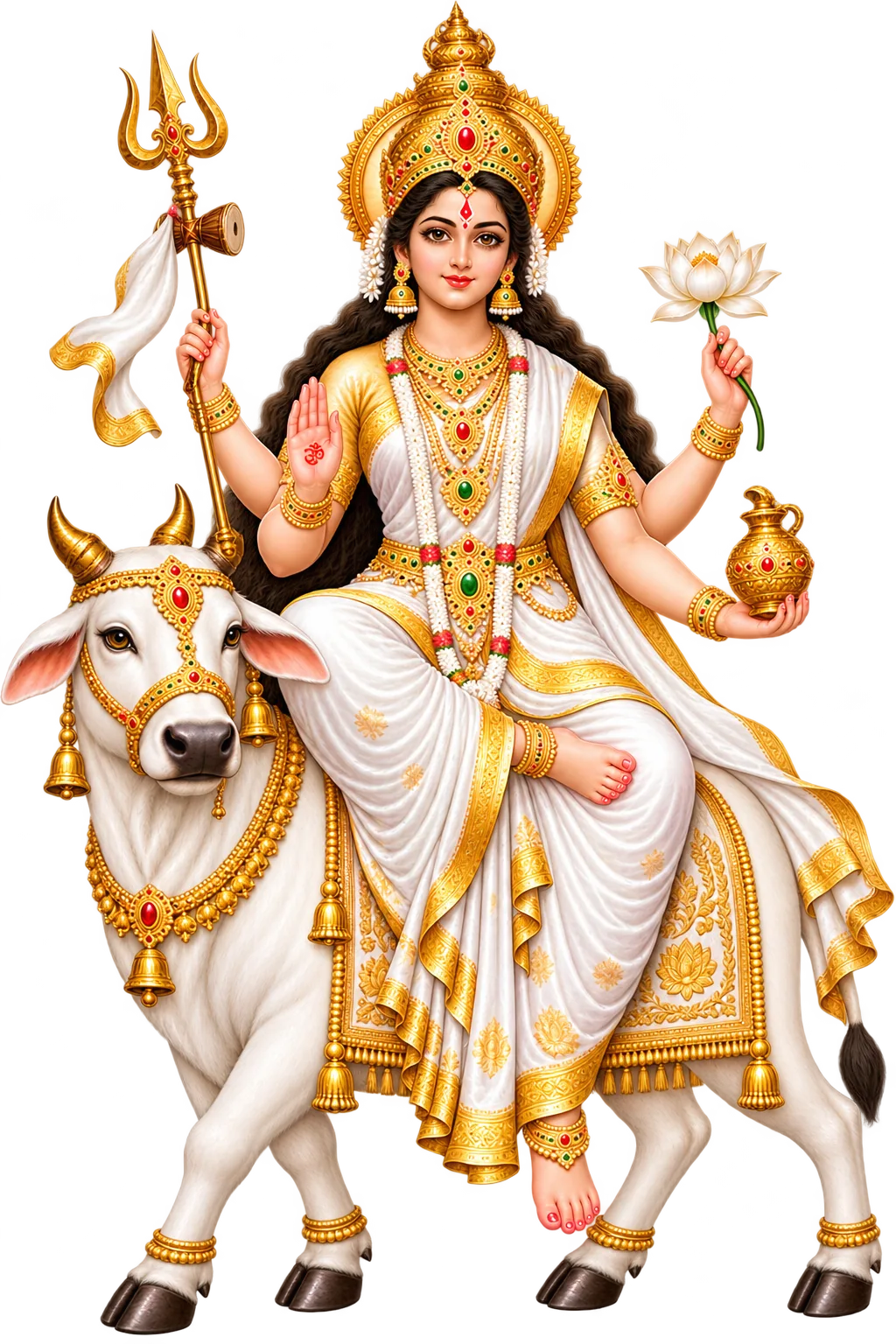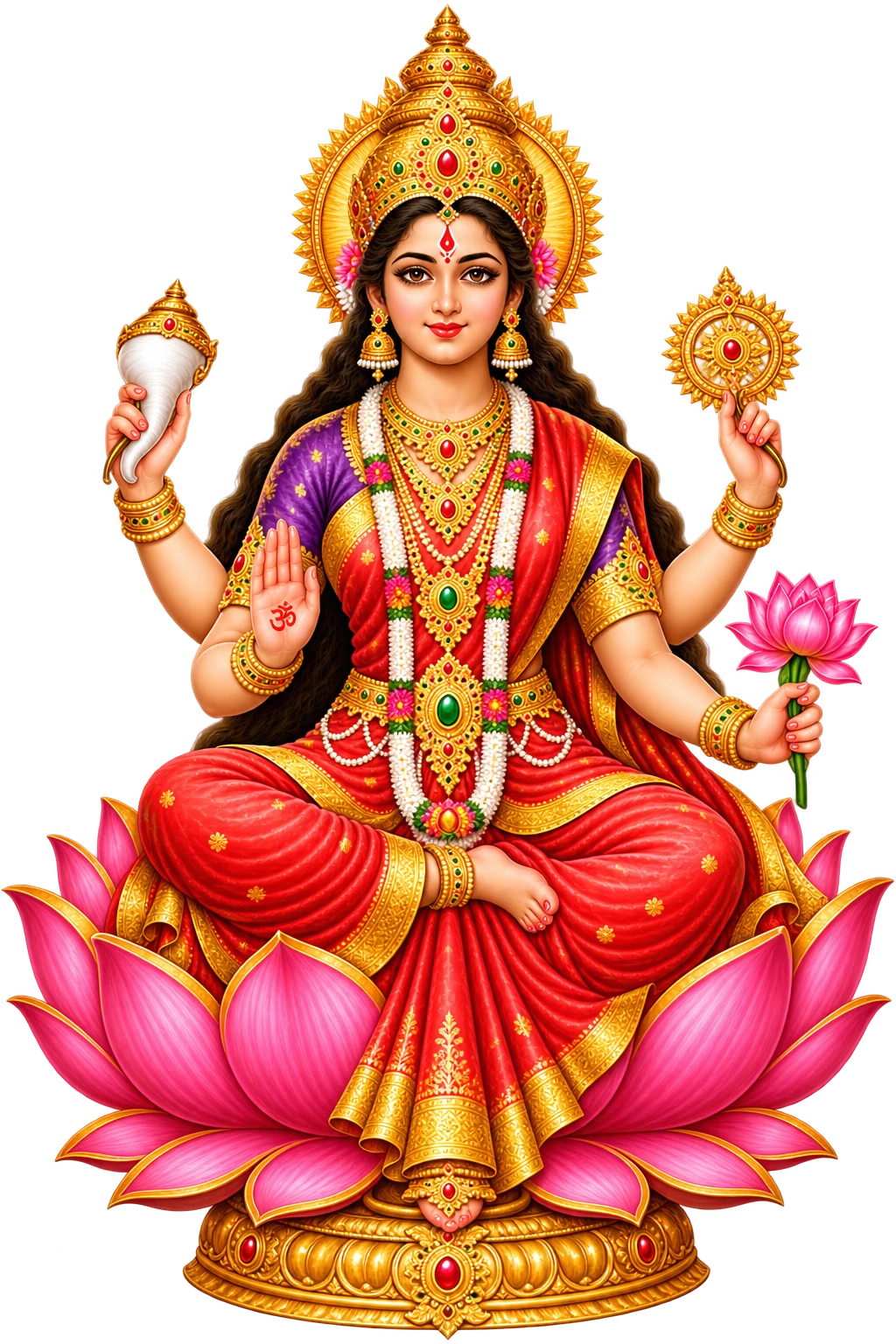
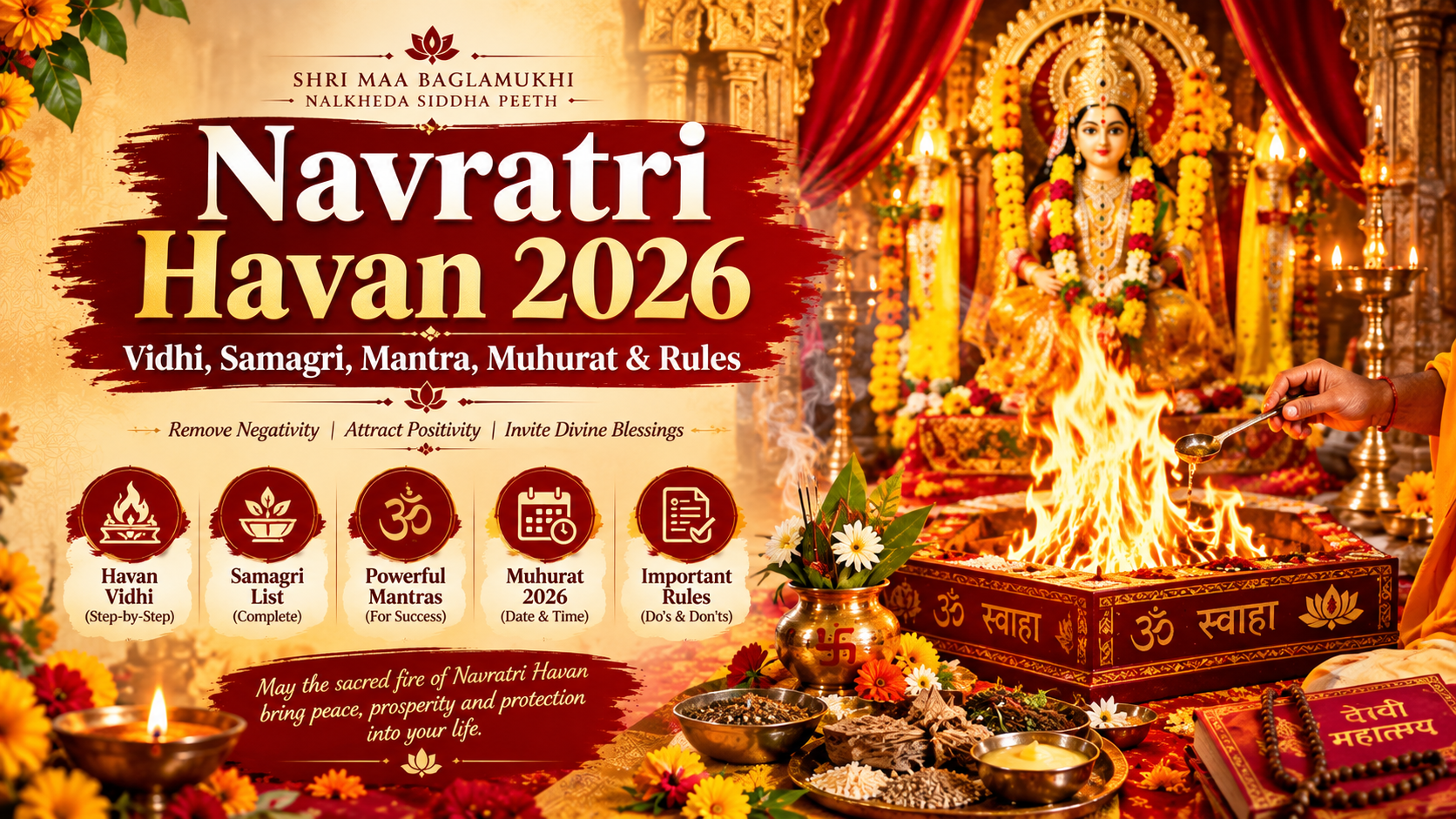
Havan is the moment Navratri worship reaches its fire. After nine days of Puja, Ghatasthapana and fasting, the sacred flame becomes the medium through which devotees offer their prayers to Maa Durga. If you are planning your Navratri Havan 2026 and want to get the date, Samagri, Vidhi and Mantra right, this guide covers everything from verified 2026 dates to safe home setup and the connection with Maa Baglamukhi worship in Nalkheda.
Quick Answer: Navratri Havan 2026
Sharad Navratri 2026 runs from Sunday, 11 October to Tuesday, 20 October 2026 (Vijayadashami).
Most Panchangs place Durga Ashtami and Maha Navami together on Monday, 19 October 2026, because the Ashtami tithi is present at sunrise and ends mid-morning, after which Navami begins. Some Bengali and regional calendars observe Ashtami on 18 October and Navami on 20 October separately.
Sandhi Puja (the junction of Ashtami and Navami) generally falls around 10:30 AM to 11:15 AM on 19 October, though the exact minute depends on your city's Panchang.
Core Samagri includes a Havan Kund, Samidha (wood), ghee, Havan Samagri mix, a Havan spoon, Kalash, roli, akshat, flowers and fruit.
Basic Vidhi: clean the space, prepare the Kund, do Sankalp, invoke the Devi, light the fire, offer Ahuti with Mantra, and close with Purnahuti and Prasad.
Havan can be performed at home with basic Samagri and reasonable fire safety, though many families prefer a trained priest for Mantra accuracy and for larger Anushthan-style Havans.
A priest is not strictly required for a simple home Havan, but is recommended for Ashtami/Navami Havans tied to Kanya Puja or for specialised worship such as Baglamukhi Havan.
Havan is closely linked to Ashtami and Navami observance, and in most families it is performed on the same day as Kanya Puja.
What Is Navratri Havan?
Havan, also called Homa, is a fire ritual in which offerings are made to a sacred flame while Mantras are recited. According to Hindu tradition, fire (Agni) acts as a carrier that takes the devotee's prayers to the deity being worshipped. During Navratri, Havan is performed to mark the completion of nine days of Devi worship.
There is a difference between the daily Navratri Puja and the Havan. The daily Puja, performed in front of the Kalash and the idol or image of the Goddess, is a routine of Aarti, flowers, incense and simple offerings. Havan, by contrast, is usually performed once during the festival, most often on Ashtami or Navami, as a concluding fire ceremony. In many families, Havan is treated as the ritual that formally closes the Navratri Sankalp taken on the first day at Ghatasthapana.
Devotees traditionally believe that the Havan purifies the atmosphere of the home and carries the nine days of prayer to their completion. This belief is a matter of devotion and tradition rather than a claim that can be scientifically verified, and it is presented here in that spirit.
When Is Navratri Havan in 2026?
Shardiya (Sharad) Navratri 2026 begins on Sunday, 11 October 2026 with Ghatasthapana and Shailputri Puja, and concludes with Vijayadashami on Tuesday, 20 October 2026. The complete day-by-day Navratri 2026 calendar, including the Devi worshipped each day, is available for devotees who want to follow the Sankalp tradition through all nine days.
This year, most Panchangs place both Durga Ashtami and Maha Navami on 19 October 2026, because the Ashtami tithi is already running at sunrise and ends by around 10:50-10:55 AM, after which Navami takes over for the rest of the day. Some Bengali Durga Puja calendars instead mark Ashtami on 18 October and Navami on 20 October as separate civil days. Because of this, families in Nalkheda and across Madhya Pradesh should confirm the exact tithi timing with their family priest or a trusted local Panchang before fixing the Havan date, rather than assuming one universal date applies everywhere.
Navratri Havan Muhurat 2026
Havan Muhurat is not a single fixed clock time for the whole country. It is calculated from the local sunrise, the prevailing Tithi and Nakshatra, and the specific Panchang your family follows, so devotees in Nalkheda may see a slightly different window than devotees in Delhi or Mumbai.
For 2026, the broad pattern that most Panchang sources agree on is:
The Sandhi Puja window, marking the exact junction of Ashtami and Navami, falls approximately between 10:30 AM and 11:15 AM on 19 October 2026 in most North Indian cities.
Ashtami Havan, where performed separately, is generally done in the morning while the Ashtami tithi is still active.
Navami Havan and Purnahuti are usually performed later on 19 October, once the Navami tithi has begun, or on the morning of 20 October in traditions that follow a later sunrise-based Navami.
Because Muhurat calculations shift with sunrise time and local Panchang conventions, it is best to confirm the exact Ashtami-Navami junction with a Nalkheda-based Panchang or a family priest rather than relying on a single nationwide timing. Devotees who prefer not to calculate this themselves can arrange a priest-guided Baglamukhi Hawan where the Acharya determines the correct local Muhurat.
Ashtami Havan vs Navami Havan
One of the most common questions devotees ask is whether Navratri Havan should be performed on Ashtami or on Navami. Both traditions exist, and neither is universally mandatory.
In 2026, because Ashtami and Navami largely converge on the same civil day for most Panchangs, many households will naturally perform Kanya Puja and Havan together on 19 October rather than choosing between the two days. Where your family follows a Panchang that separates the two tithis, simply follow whichever day your family and community have traditionally observed. If you are still deciding, the Navratri 2026 day-by-day guide is a useful reference for the tithi sequence.
Navratri Havan Samagri
A Navratri Havan does not require an excessive list of items. The table below separates commonly required items from those that are tradition-specific.
Most of these items overlap with what devotees already keep ready for daily Navratri Puja, so preparing for the Havan mainly means adding the Havan Kund, Samidha, extra ghee and the Havan Samagri mix.
Navratri Havan Vidhi: Step by Step
This is a general, beginner-friendly sequence. Exact wording of Sankalp and Mantras can vary by family tradition and by the priest conducting the ritual, so treat this as a foundation rather than a rigid script.
Clean the Puja and Havan area. Sweep and wash the space where the Kalash has been kept since Ghatasthapana, and set aside a safe, ventilated spot for the Havan Kund.
Prepare the Havan Kund. Arrange the Samidha (wood) in the Kund in a stable, crossed pattern so it burns evenly and safely.
Arrange the Samagri. Keep the ghee, Havan Samagri mix, spoon, flowers, fruits and coconut within easy reach before lighting the fire.
Perform Sankalp. Sit facing east or north, take water, akshat and flowers in your right hand, and state your intention to perform the Havan for the completion of Navratri worship.
Invoke the deity. Depending on family tradition, this may mean invoking Maa Durga in her Navadurga form, or, for those observing a specific Anushthan, the deity of that Anushthan.
Light the sacred fire safely. Use a small amount of ghee-soaked cotton or camphor to start the flame, and never use flammable liquids to hasten the fire.
Offer ghee and Samagri with Mantra. Pour small spoonfuls of ghee and pinches of Havan Samagri into the fire while reciting the chosen Mantra.
Perform Ahuti. Each offering into the fire, accompanied by "Swaha," is one Ahuti. Traditionally, 108 Ahutis are offered, though the number can be adjusted for home Havans.
Complete Purnahuti. The final, larger offering, usually including a whole coconut, fruits and a generous portion of ghee, marks the closing of the Havan.
Offer prayer and Aarti. Conclude with an Aarti to the Devi once the fire has settled.
Distribute Prasad. Share the fruits, sweets and other Prasad prepared for the day.
Close the ritual mindfully. Allow the fire to extinguish naturally in a safe manner, and clean the Havan Kund once it has fully cooled.
Because the exact sequence, number of Ahutis and specific Mantras can differ from one family tradition to another, many devotees prefer a priest-guided Havan for accuracy, particularly when the ritual is combined with a specific Sankalp such as Maa Baglamukhi Havan.
Navratri Havan Mantra
Havan Mantras used during Navratri generally fall into two categories: beej (seed) Mantras used with each Ahuti, and longer verses recited during Purnahuti or Aarti.
A widely used Mantra for individual Ahutis during Durga worship is the Navarna Mantra:
ॐ ऐं ह्रीं क्लीं चामुण्डायै विच्चे स्वाहा
This nine-syllable Mantra is associated with the Durga Saptashati tradition and is commonly recited with each spoonful offered into the fire.
A simpler Mantra used by many households for Durga Havan Ahuti is:
ॐ दुं दुर्गायै नमः स्वाहा
For Purnahuti, many families use a closing verse invoking completeness and peace, such as the well-known invocation beginning "Om Purnamadah Purnamidam," recited before the final large offering is made.
If your family follows a specific Kul Devi Mantra or an Anushthan-specific Mantra, that Mantra takes precedence over these general ones. Devotees who are unfamiliar with Sanskrit pronunciation are encouraged to have the Mantras led by someone experienced, since an unfamiliar or altered Mantra is considered less effective by tradition, though this is a matter of devotional belief rather than a claim that can be independently verified.
How to Perform Navratri Havan at Home
Yes, Navratri Havan can be performed at home, and many families do this every year with a modest, safe setup.
Basic home setup
Choose a well-ventilated spot, ideally near an open window, balcony or courtyard.
Use a proper metal or clay Havan Kund rather than an improvised container.
Keep the Samagri, ghee, spoon and matches or a lighter within reach before you begin.
Basic procedure
Follow the Vidhi outlined above, keeping the ritual simple if you are new to it. A shorter Havan, with fewer Ahutis and a smaller fire, is entirely acceptable for a home setting.
Safety precautions
Ensure the room or courtyard has good airflow to avoid smoke build-up.
Keep a bucket of water or sand nearby in case the fire needs to be controlled quickly.
Never leave the Havan Kund unattended while the fire is burning.
Keep children and pets at a safe distance from the flame and the Kund.
Follow any local housing society or building fire-safety rules before lighting an indoor fire.
Avoid synthetic or highly flammable materials near the Kund, including loose fabric and paper decorations.
When to involve a priest
Beginners performing their first Havan, families combining the Havan with Kanya Puja, and anyone attempting a specific Anushthan-style Havan such as a Baglamukhi Havan are generally better served by a trained priest, both for Mantra accuracy and for correct Sankalp. Those who prefer traditional, expert-led worship can explore priest-guided Puja and Havan services rather than managing every step alone.
Navratri Havan Rules
Clean the body and the Puja space before beginning; many devotees bathe before Havan.
Complete the Sankalp clearly before lighting the fire, stating the purpose of the Havan.
Maintain a simple, traditional Puja setup with the Kalash, idol or image, and Havan Kund arranged together.
Follow your family's fasting or food tradition for the day, without treating it as a strict universal requirement.
Wear clean, traditional clothing where possible, though this is a matter of custom rather than a fixed rule.
Perform the Havan within the Muhurat window relevant to your local Panchang wherever possible.
Offer each Ahuti with attention rather than rushing through the count.
Complete the ritual with Purnahuti rather than leaving the sequence unfinished.
Distribute Prasad to those present, including any Kanyas worshipped that day.
Respect that different families and regions follow different sequences, and there is no single rule that overrides genuine family tradition.
A minor lapse in pronunciation or sequence during a home Havan is not something Hindu tradition treats as automatically harmful; sincerity and devotion are considered central to the practice.
Navratri Havan and Fasting
Havan and fasting are related but separate practices, and one does not strictly require the other. Many devotees who observe the nine-day Navratri Vrat time their Parana, or fast-breaking, around the Navami Havan and Kanya Puja. Others perform Havan without observing a full fast at all, particularly if they are hosting the ritual for family members who are fasting.
If you are following a structured Vrat through the festival, the site's detailed guide to Navratri fasting foods and rules is a useful companion to this article for planning what to eat before and after the Havan day. Devotees with specific health conditions should consult a doctor before undertaking a prolonged fast, since this article does not provide medical advice.
Navratri Havan and Kanya Puja
In most North and Central Indian households, Havan and Kanya Puja are performed on the same day, either Ashtami or Navami, as part of one connected ritual sequence. A common order is to perform the Havan first, complete the Ahutis and Purnahuti, and then welcome the Kanyas for Puja, Bhog and Dakshina. Some families reverse this order and complete Kanya Puja before the Havan.
There is no single universal sequence that applies to every tradition, and regional customs, family lineage practices and the guidance of a family priest all influence which comes first. If you have not yet finalised your Kanya Puja plan for 2026, it helps to decide this alongside your Havan date so that both rituals fit comfortably into the same Ashtami or Navami window.
Navratri Havan Benefits
Within Hindu devotional practice, Navratri Havan is traditionally regarded as a way to mark the completion of nine days of worship with focused devotion. Commonly described traditional benefits include:
A sense of closure and completeness to the Navratri Sankalp taken at Ghatasthapana.
An opportunity for the whole family to participate together in one concluding ritual.
A traditional sense of purification of the home and the mind through the fire ritual.
Strengthened discipline and consistency in prayer through the structured Vidhi.
An expression of gratitude toward the Divine Mother for the nine days of worship.
These are described here as traditional and devotional beliefs, not as guaranteed or scientifically proven outcomes. Havan does not guarantee wealth, marriage, career success, legal victory, or the removal of every difficulty in a devotee's life, and any service or article that promises such guaranteed results should be treated with caution.
Maa Baglamukhi Havan During Navratri
Maa Baglamukhi is one of the Dash Mahavidyas, the ten great wisdom forms of the Divine Feminine in Hindu Tantric tradition. She is a distinct devotional lineage from the Navadurga, the nine forms worshipped during standard Navratri Puja, and it is important not to confuse the two. A regular Navratri Havan is not automatically a Baglamukhi Havan, and the two should be understood as related but separate practices.
That said, some devotees choose to combine their Navratri observance with a specific Maa Baglamukhi Puja or Havan, particularly those with an existing devotional connection to Baglamukhi worship or to the Siddha Peeth at Nalkheda. Because Baglamukhi worship involves specific Mantra, Yantra and Havan procedures within the Tantric tradition, it is generally recommended that this be performed under the guidance of a trained priest rather than attempted independently by beginners. Devotees who wish to combine Navratri with a dedicated Baglamukhi Anushthan can look into Anushthan services conducted over multiple days rather than a single-day home Havan.
Navratri Havan in Nalkheda
Nalkheda, in Madhya Pradesh, is home to the Maa Baglamukhi Siddha Peeth, one of the significant centres of Baglamukhi worship in India. During Navratri, devotional activity in Nalkheda increases as both local families and visiting devotees perform Navratri Puja, Kanya Puja and, for those with a specific Sankalp, priest-guided Baglamukhi Puja and Havan.
For devotees who are not able to travel to Nalkheda during Navratri, priest-guided Puja and Havan arrangements allow a Sankalp to be performed in the devotee's name by an Acharya at Nalkheda, with the ritual details shared with the devotee afterward. This is a genuinely offered service on this website rather than a general claim, and devotees are encouraged to confirm current service details and Muhurat directly at the time of booking.
Nalkheda's devotional character has grown around Baglamukhi worship over a long period, and while the temple carries significant local reverence, this article does not repeat unverified historical claims, miracle stories or superlative descriptions about the site. Devotees interested in the temple's background are better served by the complete Sharad Navratri 2026 guide and by direct conversation with the local priests before forming expectations.
Home Havan vs Priest-Guided Havan
Neither option is universally better. A simple family Havan at home suits those who are comfortable with the basic Vidhi and fire safety, while a priest-guided Havan suits those who want Mantra accuracy, a more elaborate ritual, or a specific Anushthan performed correctly.
Common Navratri Havan Mistakes
Fixing the Havan date without checking the local Panchang for the correct Ashtami-Navami timing.
Confusing Ashtami and Navami traditions instead of following the family's established custom.
Using an unsafe indoor fire setup without adequate ventilation.
Missing basic Samagri items such as ghee or Samidha and improvising with unsuitable substitutes.
Inventing or mispronouncing Sanskrit Mantras instead of learning them properly or having them led by someone experienced.
Treating one family's or one region's custom as the single universal rule for everyone.
Mixing up Navadurga worship with Dash Mahavidya worship, including confusing standard Navratri Havan with Baglamukhi Havan.
Making exaggerated claims about guaranteed results from the ritual.
Ignoring fire safety around children, pets and flammable material.
Navratri Havan Checklist
Havan date confirmed against the local Panchang
Local Muhurat checked for Ashtami/Navami timing
Havan Kund ready and placed in a ventilated spot
Samagri list completed
Ghee arranged in sufficient quantity
Puja items (Kalash, roli, akshat, flowers) ready
Mantra list finalised or priest arrangement confirmed
Fire safety measures arranged, including water nearby
Prasad prepared for after the Havan
Kanya Puja plan confirmed if applicable
Frequently Asked Questions
When is Navratri Havan in 2026?
Most families will perform their Navratri Havan on 19 October 2026, when Ashtami and Navami converge for most Panchangs, though some traditions may observe it on 18 or 20 October depending on their calendar.
On which day should Navratri Havan be performed?
It can be performed on Ashtami or Navami, depending on family and regional tradition. There is no single day that is mandatory for every household.
Is Navratri Havan done on Ashtami or Navami?
Both traditions exist. Many North and Central Indian families perform it on Navami along with Kanya Puja, while some traditions, including certain Bengali customs, favour Ashtami.
What is the Navratri Havan Muhurat 2026?
The Ashtami-Navami Sandhi Puja window is generally around 10:30 AM to 11:15 AM on 19 October 2026 for most North Indian cities, but the exact timing should be confirmed with a local Panchang or priest.
What Samagri is needed for Navratri Havan?
Core items include a Havan Kund, Samidha, ghee, a Havan Samagri mix, a Havan spoon, Kalash, roli, akshat, flowers and fruit, most of which overlap with regular Navratri Puja items.
Can Navratri Havan be done at home?
Yes, a basic Havan can be safely performed at home with proper ventilation, a suitable Havan Kund and reasonable fire-safety precautions.
What is the Navratri Havan Vidhi?
The general sequence includes cleaning the space, preparing the Kund, Sankalp, invoking the deity, lighting the fire, offering Ahuti with Mantra, Purnahuti, Prasad and closing prayers.
Which Mantra is used during Navratri Havan?
Common Mantras include the Navarna Mantra "Om Aim Hreem Kleem Chamundayai Vicche Swaha" and the simpler "Om Dum Durgayai Namah Swaha," alongside any family-specific Kul Devi Mantra.
Can Havan be done without fasting?
Yes. Havan and fasting are separate practices, and many devotees perform or host the Havan without observing a personal fast that day.
Should Havan be performed before or after Kanya Puja?
Practice varies by family. Many perform the Havan first and then Kanya Puja, while others reverse the order; both are acceptable within different traditions.
Can Havan be performed on Navami if Ashtami is missed?
Yes. If Ashtami rituals are missed, performing the Havan and Kanya Puja on Navami is a widely accepted alternative.
What is the difference between Puja and Havan?
Daily Puja is a routine of Aarti and offerings before the Kalash and deity, while Havan is a fire ritual, usually performed once, in which offerings are made into a sacred flame with Mantra.
What is Purnahuti?
Purnahuti is the final, complete offering made into the Havan fire, typically including a coconut, fruits and a generous portion of ghee, marking the formal close of the ritual.
What are the traditional benefits of Navratri Havan?
Devotees traditionally regard it as a way to complete the nine-day Sankalp, purify the home, and express gratitude to the Goddess, understood as devotional belief rather than guaranteed outcomes.
Is a priest required for Navratri Havan?
Not strictly, for a simple home Havan. A priest is recommended for Mantra accuracy, for Havans combined with Kanya Puja, and especially for specialised Anushthan-style rituals.
Can Maa Baglamukhi Havan be performed during Navratri?
Yes, some devotees choose to combine their Navratri observance with a dedicated Baglamukhi Puja or Havan, though this is a distinct Dash Mahavidya practice and not part of standard Navadurga worship.
Where can devotees arrange Baglamukhi Havan in Nalkheda?
Devotees can arrange a priest-guided Baglamukhi Hawan performed by the Acharya at the Nalkheda Siddha Peeth, either in person or through remote booking.
What is the Samagri for Baglamukhi Havan?
Baglamukhi Havan follows a specific Tantric Samagri list that differs from standard Navratri Havan, which is why this specialised ritual is best arranged through a trained priest rather than attempted independently.
Can Navratri Havan be arranged online?
Yes, for devotees who cannot travel, priest-guided Puja and Havan services can be arranged with the Sankalp performed in the devotee's name and details shared afterward.
What should be done after Havan?
After Purnahuti and Aarti, distribute Prasad, allow the fire to extinguish safely, and clean the Havan Kund once it has fully cooled.
Plan Your Maa Baglamukhi Havan During Navratri
If you want your Navratri worship to include a dedicated Maa Baglamukhi Puja, Havan or Anushthan this year, Maa Baglamukhi Guru offers priest-guided rituals conducted by Acharya Pandit Vishnu Sharma at the Siddha Peeth in Nalkheda, Madhya Pradesh. Whether you are seeking a focused Havan, a multi-day Anushthan, or guidance on combining your family's Navratri Sankalp with Baglamukhi worship, the arrangements can be made either in person at Nalkheda or remotely for devotees who cannot travel during the festival. Every ritual is explained honestly, with Dakshina based on the scale of chanting and Havan material involved, and without inflated promises of guaranteed results. If you would like to plan your Havan or Anushthan for this Navratri, you can review the available options and book your Puja or Havan with the Nalkheda team.