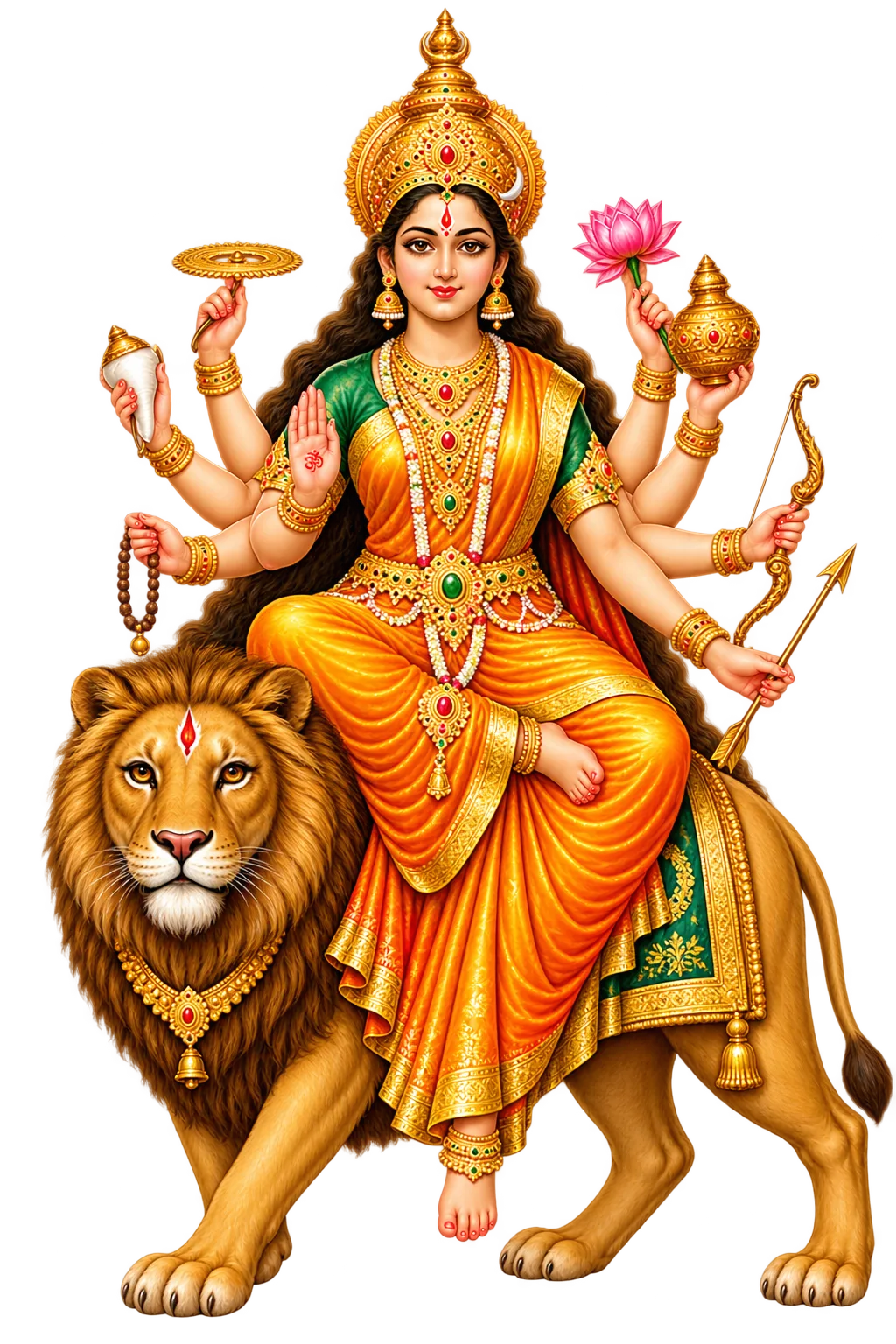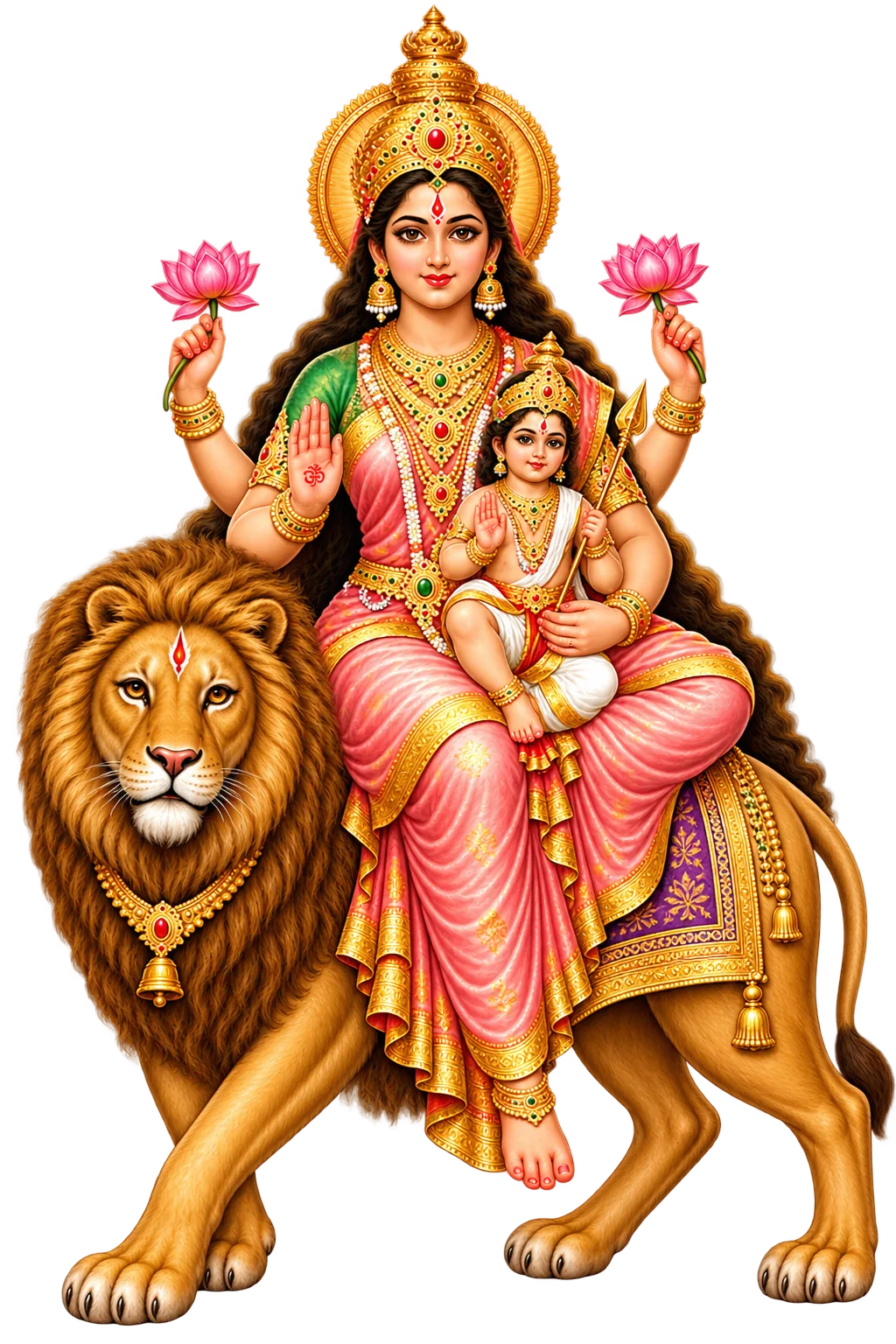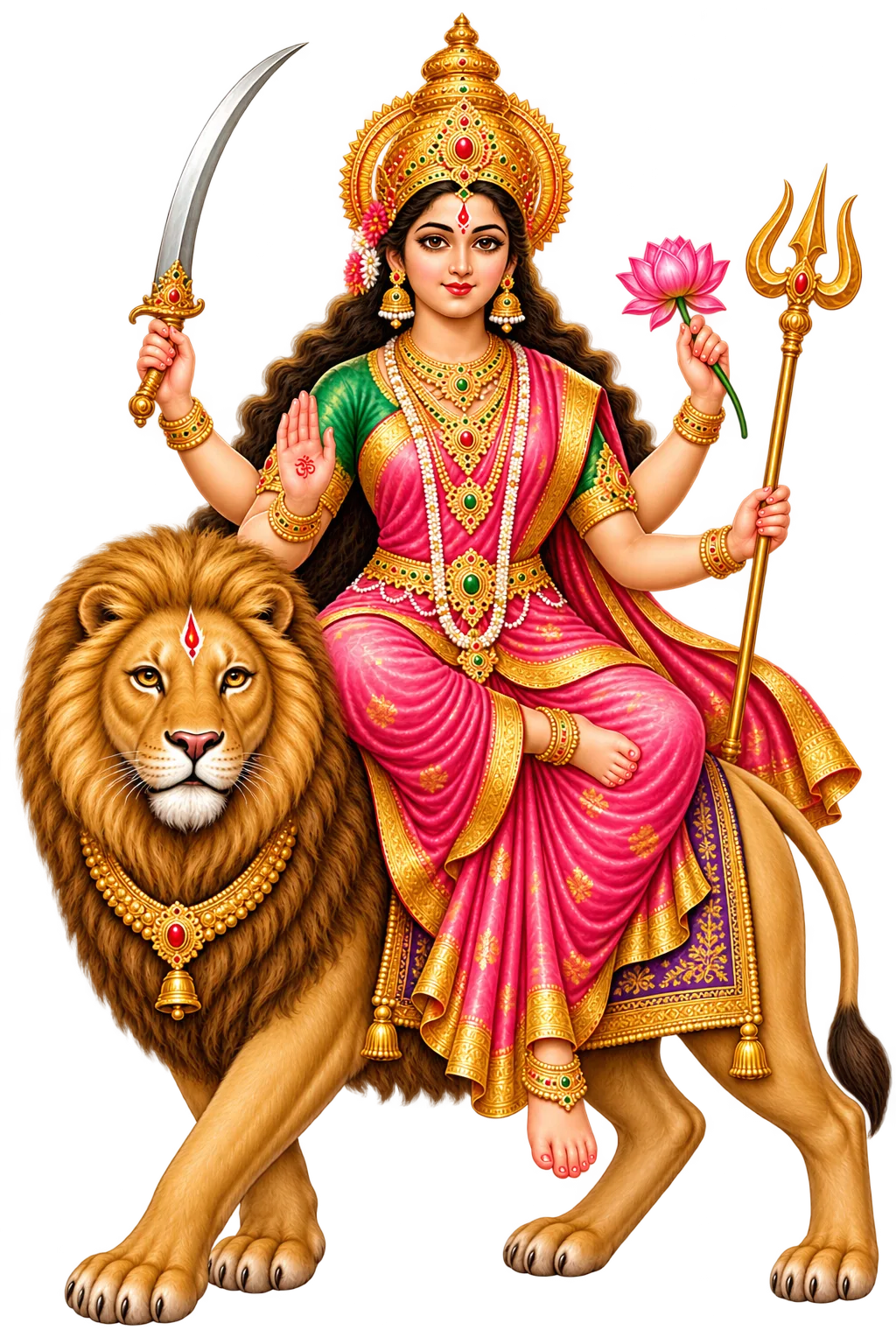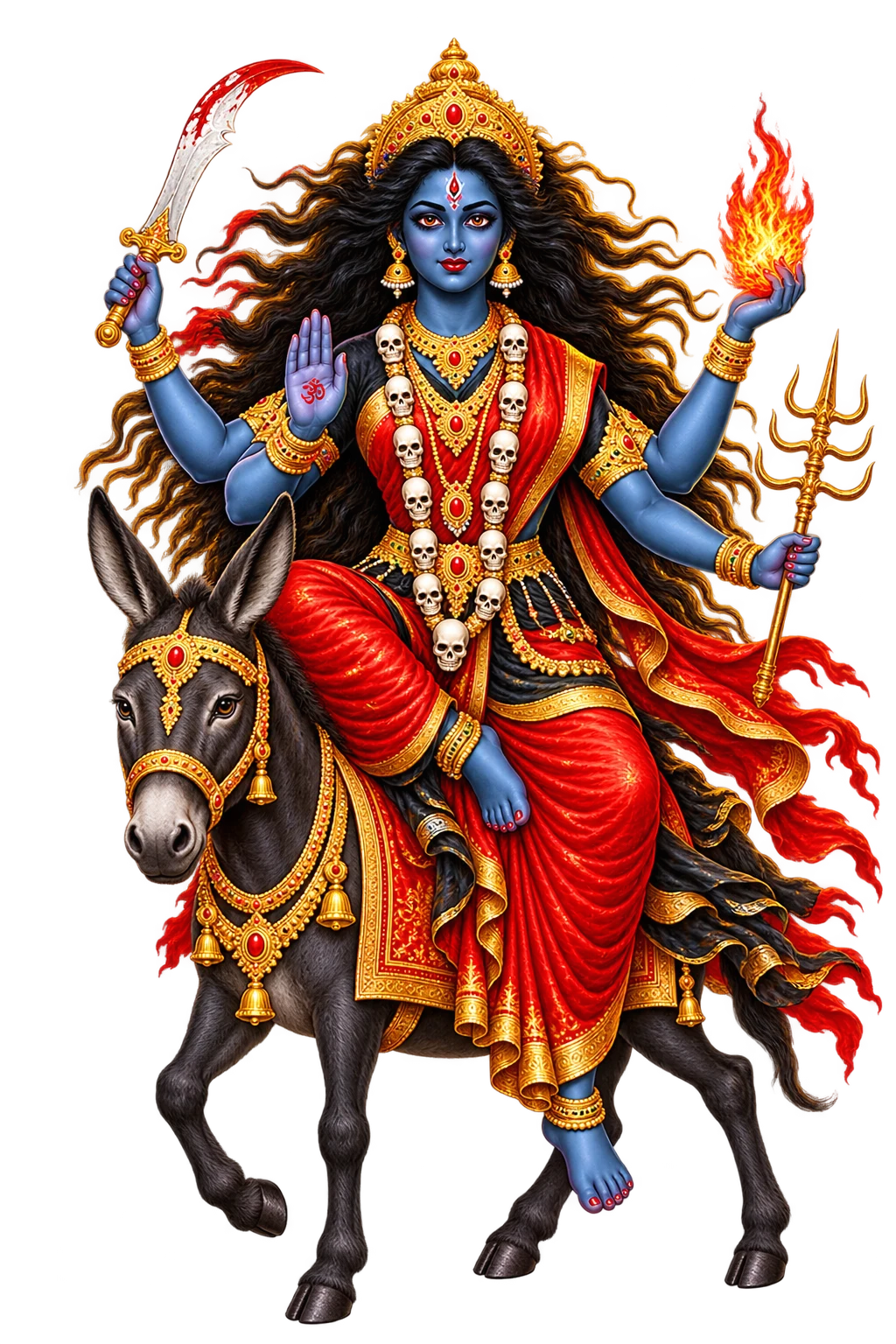
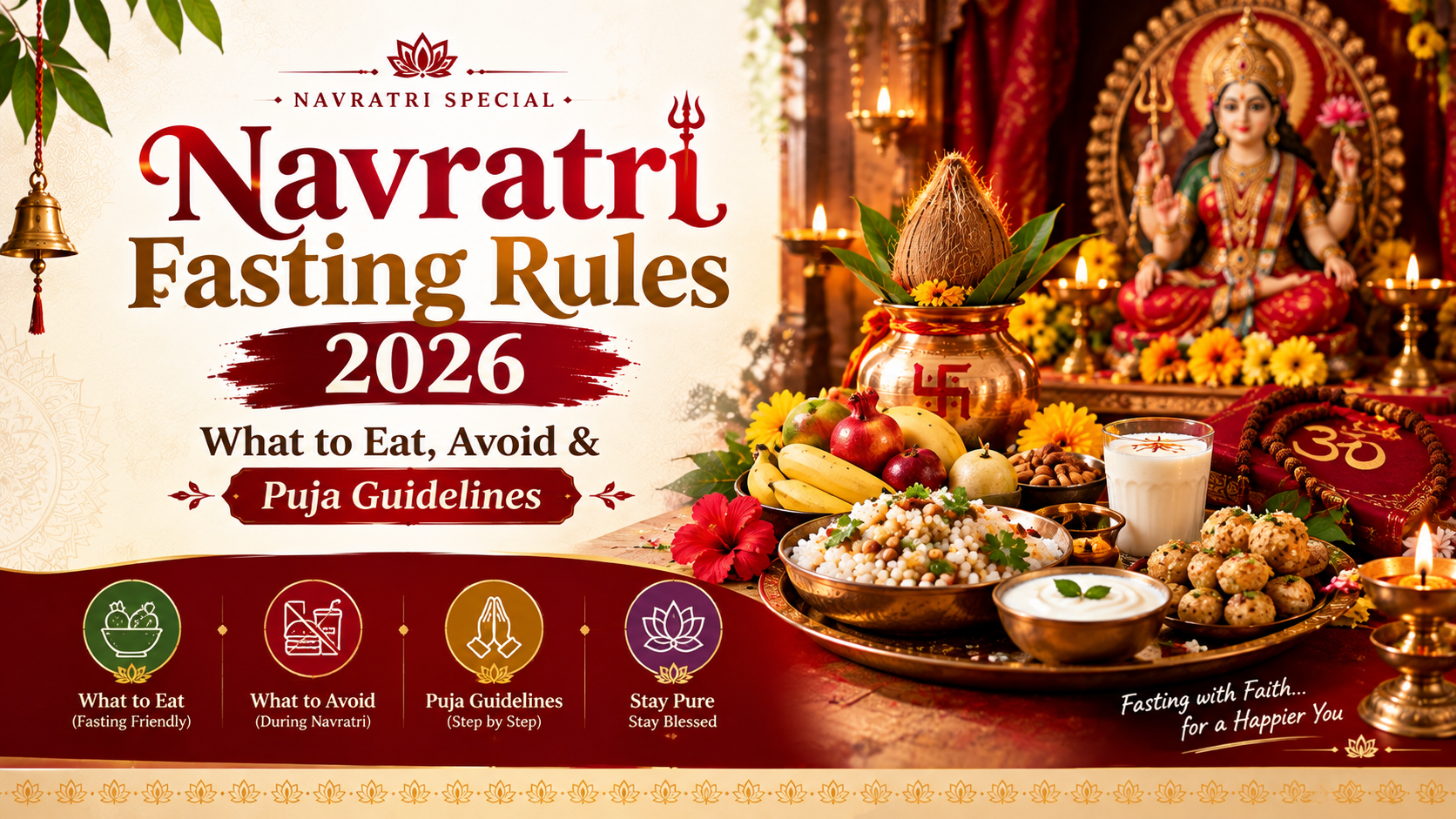
Sharad Navratri 2026 runs from Sunday, 11 October to Monday, 19 October, followed by Vijayadashami on Tuesday, 20 October. For many devotees, these nine days include some form of Navratri vrat (fast) alongside daily worship of Maa Durga. This guide covers the Navratri fasting rules 2026 devotees commonly follow - what is typically eaten, what is typically avoided, how fasting connects to daily puja, and where practices genuinely differ by family, region and personal capacity.
Quick Answer: Navratri Fasting Rules 2026
Dates: Sharad Navratri 2026 runs 11-19 October, with Vijayadashami on 20 October.
What fasting involves: A devotional vrat observed for some or all of the nine days, ranging from a single light meal a day to strict water-only fasting on specific days - the level is a personal or family choice.
Commonly eaten: Fruits, milk and milk products, sabudana, kuttu and singhara flour, samak rice, rajgira, potatoes, sendha namak (rock salt), and dry fruits.
Commonly avoided: Wheat, regular rice, pulses/lentils, onion, garlic, regular table salt, non-vegetarian food and alcohol.
Why practices vary: Navratri fasting is a customary and devotional practice, not a single codified rule, so households, regions and individual health needs shape how strictly it is followed.
Puja consideration: Fasting and puja are related but separate - you can perform full Navratri puja without fasting, and a light or partial fast without changing your puja routine.
What Are Navratri Fasting Rules?
Navratri vrat is a voluntary, devotional fast observed during the nine days of Navratri as an expression of discipline, self-restraint and focus on Maa Durga. The word "vrat" itself refers to a vow, and the fast is understood by most devotees as a way of turning attention inward during a period otherwise filled with celebration and family gatherings.
There is no single fixed rulebook. Some devotees fast for all nine days, others only on the first and last day, and many observe a partial fast - eating once a day, or eating only fruits and milk (phalahar). Families that have fasted for generations often follow the version passed down to them, which is why two households in the same city may describe "Navratri fasting rules" quite differently. This guide describes the most commonly followed practices without presenting any single version as the only correct one, and without making medical or scientific claims about fasting.
Navratri Fasting Dates 2026: Day-Wise Overview
Some Panchang sources note that the Ashtami and Navami tithis overlap in certain locations this year, which is why a few households mark both Kanya Puja and Parana on 19 October instead of splitting them across 18 and 19 October. If your family follows a specific tithi-based schedule, it is worth checking a local Panchang or your family priest for the exact timing in your city. The complete Shardiya Navratri 2026 guide covers the Ghatasthapana muhurat and day-wise puja details for all nine days in one place.
What Can You Eat During Navratri Fasting?
Acceptance of specific items differs by family and region - some households, for example, avoid all vegetables except potato during a strict fast, while others cook a wider range of vrat-friendly sabzis. Treat this table as a starting point, not a universal rule.
Navratri Fasting Food List
Where a food is not universally agreed upon, this table uses "commonly allowed" rather than an absolute claim, since the same item can be treated differently from one household to the next.
What to Avoid During Navratri Fasting?
These are commonly followed customs rather than a single codified religious law - some regional and family traditions are stricter, and others are more relaxed, particularly around spices and specific vegetables.
Can You Drink Tea, Coffee or Milk During Navratri Fasting?
Direct Answer: Milk, buttermilk, coconut water and lemon water are widely accepted during Navratri fasting. Tea is accepted in most households, generally without regular biscuits or grain-based snacks alongside it. Coffee is treated more cautiously by some traditions and avoided by others, so it is worth checking your family's practice. Plain water intake is, of course, encouraged throughout, except during a strict Nirjala (waterless) fast observed by some devotees on specific days.
Packaged and bottled drinks should be checked carefully for ingredients, since some contain preservatives, flavourings or grain-derived additives that a stricter vrat tradition would avoid. When in doubt, a simple homemade drink - buttermilk, nimbu pani, or coconut water - is the safer, more traditional choice.
Types of Navratri Fasting
Not everyone observes Navratri fasting the same way. Commonly seen types include:
Full nine-day fast: Vrat-friendly food only, across all nine days.
First and last day fast: Fasting only on Day 1 and Day 9 (or Day 8), with regular meals in between.
Phalahar (fruit-based) fast: Only fruits, milk and nuts, without cooked vrat food.
One meal a day: A single sattvic vrat meal in the evening, with fruits or milk during the day.
Partial fasting: Avoiding specific foods (like grains, onion or garlic) without a full fast.
Nirjala vrat: A stricter fast without food or water, usually only on Ashtami or Navami, and generally attempted only by those in good health.
None of these is presented here as the "correct" way to fast. Personal health, age, occupation, travel and family tradition all reasonably affect how someone observes Navratri, and adjusting a fast's intensity to suit your circumstances is a normal, accepted part of the practice.
Navratri Puja Guidelines During Fasting
Fasting and puja are related, but not the same commitment - you can perform daily Navratri puja without fasting, and a person fasting need not follow every ritual detail below. A commonly followed daily routine includes:
Morning bath and preparation: A bath before approaching the puja space, often followed by wearing clean or fresh clothes.
Clean puja space: Keeping the altar and surrounding area clean throughout the nine days.
Sankalp: A brief statement of intention, usually made on Day 1 at the time of Ghatasthapana.
Diya: Lighting a lamp daily, with some households maintaining an Akhand Jyoti (continuous flame) for all nine days.
Incense: Lighting incense as part of both morning and evening worship.
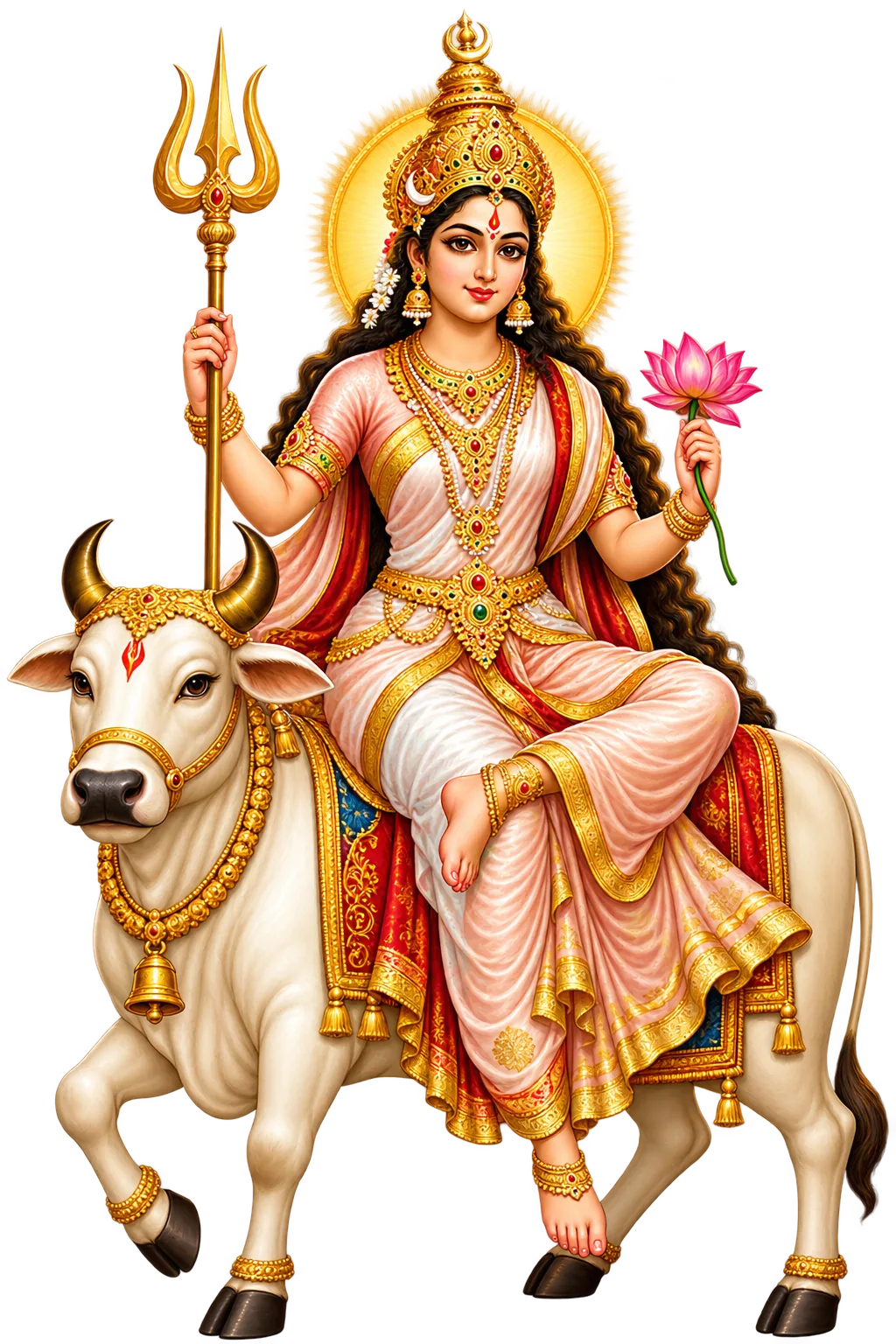
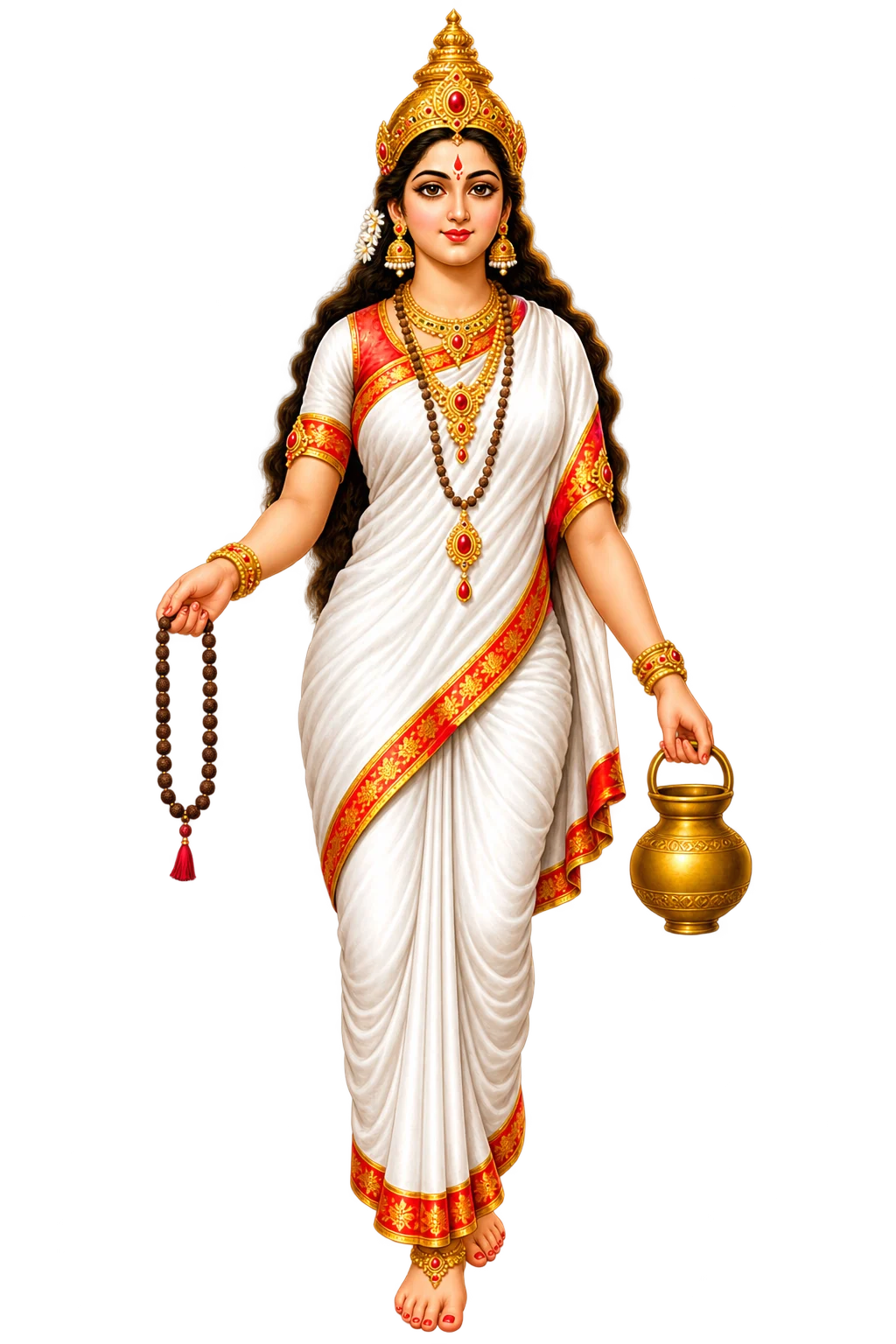
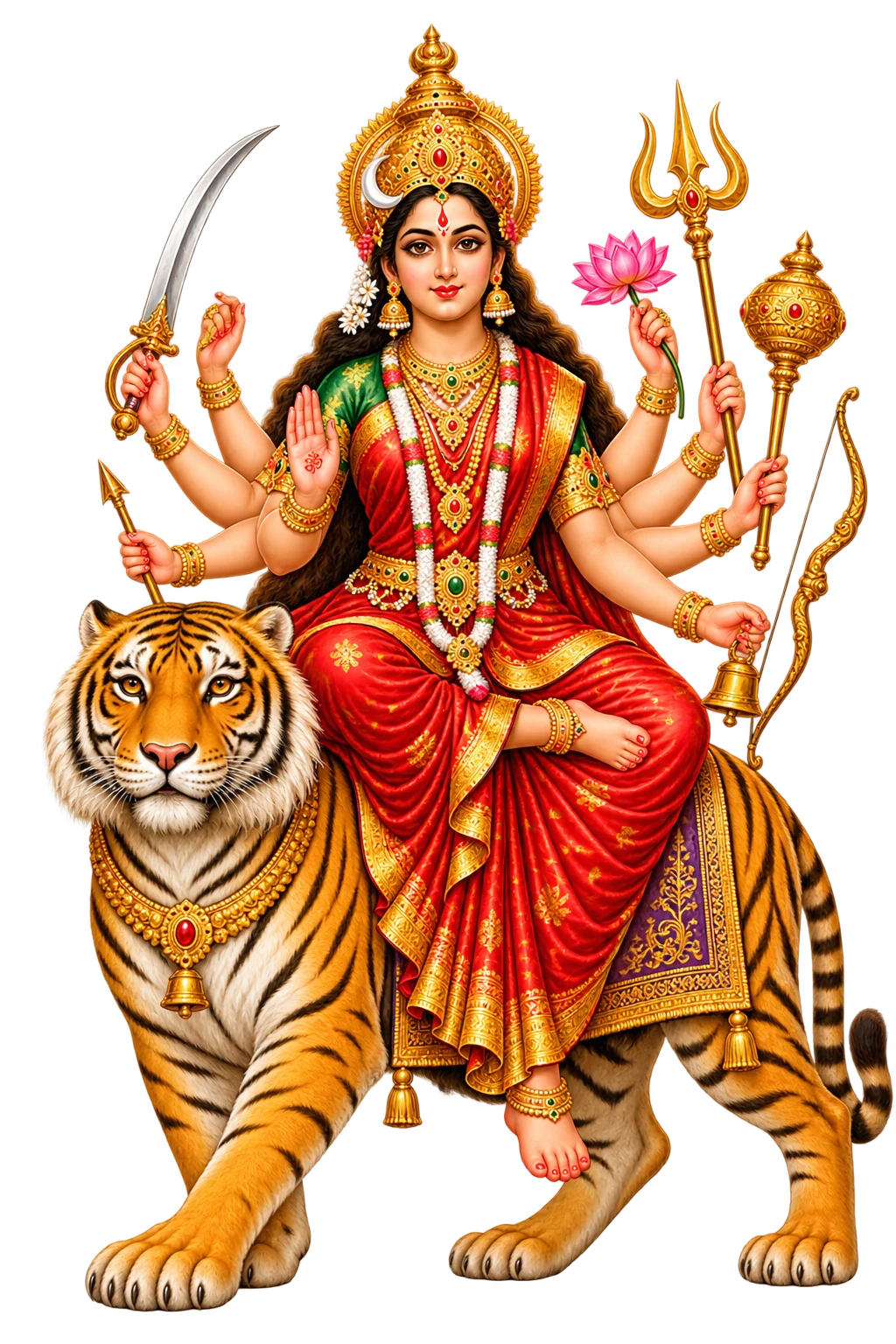
Maa Durga worship: Offering flowers, kumkum and prayers to the day's Navadurga form.
Mantra/japa: Reciting Devi mantras or the Durga Saptashati, according to family practice.
Offering fruits and vrat-friendly prasad: Fruits, sweets made from vrat flours, or a small vrat meal offered before it is eaten by the family.
Evening worship: A second, often shorter, round of aarti in the evening.
Closing the day's puja: Covering or safely leaving the akhand jyoti, and tidying the altar for the next day.
The exact sequence and details vary meaningfully by region, sampradaya and family tradition, so this is best treated as a general outline rather than a fixed script. Devotees wanting a more structured or priest-guided approach to their nine-day worship can review the complete Shardiya Navratri Puja guide, which walks through the Ghatasthapana muhurat and daily puja considerations in more detail.
Navratri Fasting and Kalash Sthapana
Ghatasthapana (Kalash Sthapana), performed on Day 1, marks the formal start of Navratri worship, and many devotees who plan to fast begin their vrat and take their sankalp at this same time. Fasting does not have to begin exactly with Ghatasthapana - some devotees start a little later in the day, or the following morning, depending on family practice.
Ghatasthapana should ideally be performed during an appropriate muhurat, generally in the first part of the day, and avoided during Amavasya or at night. Since the exact muhurat window shifts by city and local sunrise, confirm the precise timing for your location through a reliable Panchang. The Shardiya Navratri 2026 page has the day-by-day breakdown of Ghatasthapana and the nine days that follow.
Planning your Navratri worship? If you are organising your nine-day puja and fasting routine together for the first time, it often helps to have the full day-by-day structure - Devi forms, colours and puja considerations - in one reference. The Shardiya Navratri hub is built exactly for that.
Navratri Fasting Rules for Beginners
A simple checklist for anyone observing Navratri vrat for the first time:
Before the fast
Decide in advance how many days and what type of fast (full, phalahar, one meal) suits you.
Stock up on vrat-friendly ingredients: kuttu/singhara/rajgira flour, sabudana, samak rice, sendha namak.
If you have a medical condition, are pregnant, breastfeeding, elderly, or on regular medication, check with a healthcare professional before committing to a strict fast.
During the day
Keep drinking water regularly, unless you are specifically observing a Nirjala vrat.
Eat small, frequent portions rather than skipping meals entirely if you feel low on energy.
During puja
Keep the routine simple in the first year - a clean altar, a diya, and sincere prayer matter more than an elaborate ritual.
If unsure of the exact vidhi, a short, sincere puja is a reasonable starting point, with room to learn the fuller sequence over future years.
During meals
Check packaged vrat snacks for ingredients rather than assuming every "vrat special" product is automatically suitable for your family's tradition.
Avoid over-frying vrat food; a mix of fruits, milk-based food and one cooked meal is generally easier to sustain.
At night
Avoid a very heavy, oily meal right before bed, which can make the next fasting day harder to start.
When ending the fast
Break the fast gently, usually with fruit or a light meal, rather than a large, rich meal immediately.
Navratri Fasting Mistakes to Avoid
Assuming every "vrat food" label is automatically healthy - many packaged vrat snacks are deep-fried or high in sugar.
Not checking ingredients on packaged products - some contain onion, garlic powder or grain-derived starches not suited to a stricter vrat.
Forgetting hydration, especially on hot days or when observing a stricter fast.
Eating excessive fried vrat food (poori, pakora, chips) instead of a more balanced mix with fruit and milk.
Treating one regional or family tradition as the only correct one - Navratri fasting genuinely varies across India.
Overeating immediately after the fast ends, which can cause discomfort after several lighter days.
Ignoring personal health needs in favour of strictly following a fast that may not currently suit your situation.
Confusing fasting rules with puja rules - you do not need to fast to worship, and fasting does not require a particular elaborate puja.
Navratri Fasting and Health
Navratri fasting is a devotional and cultural practice, not a medical treatment, and it is not suitable for everyone in the same way. People with diabetes or other metabolic conditions, those on regular medication, pregnant or breastfeeding individuals, young children, older adults, and anyone advised by a healthcare professional to maintain a regular diet should seek appropriate medical guidance before changing their eating pattern.
A moderate approach - regular fluids, fruit and milk through the day, and one balanced vrat meal - is generally easier to sustain than an abrupt, strict fast, particularly for beginners. This article makes no claims that fasting detoxes the body, cures any condition, or guarantees spiritual results; it describes commonly followed devotional practice only.
Ashtami, Navami and Kanya Puja
Durga Ashtami and Maha Navami are widely regarded as the most significant days of Navratri, and Kanya Puja - the worship of young girls as living representations of the Goddess - is commonly performed on one of these two days. In the 2026 calendar, different sources place Ashtami on 18 October and Navami on 19 October, though some Panchang calculations show the two tithis meeting closely around 19 October in certain locations, which is why some families perform Kanya Puja on the 8th day and others on the 9th.
There is no single universal rule about which day is "correct" - this depends on family tradition, regional custom, and the specific Panchang your family follows. If unsure, consulting a local priest or your family's usual Panchang source is the most reliable approach.
Navratri Fasting Parana
Parana refers to the ritual conclusion of a fast, when a devotee formally breaks their vrat, usually with a small amount of food or water taken with intention, often after completing Kanya Puja or the final day's worship. For most devotees observing a full nine-day fast, Parana takes place after Navami puja is complete, on 19 October, though those who fast only on specific days will naturally end their fast earlier.
The exact timing of Parana - particularly for those following stricter tithi-based rules - can depend on the type of fast being observed and the specific tithi calculations for your city. Rather than fixing a single time here, devotees are encouraged to confirm the precise Parana window with their family priest or a trusted local Panchang, since tithi timings this year vary somewhat by location.
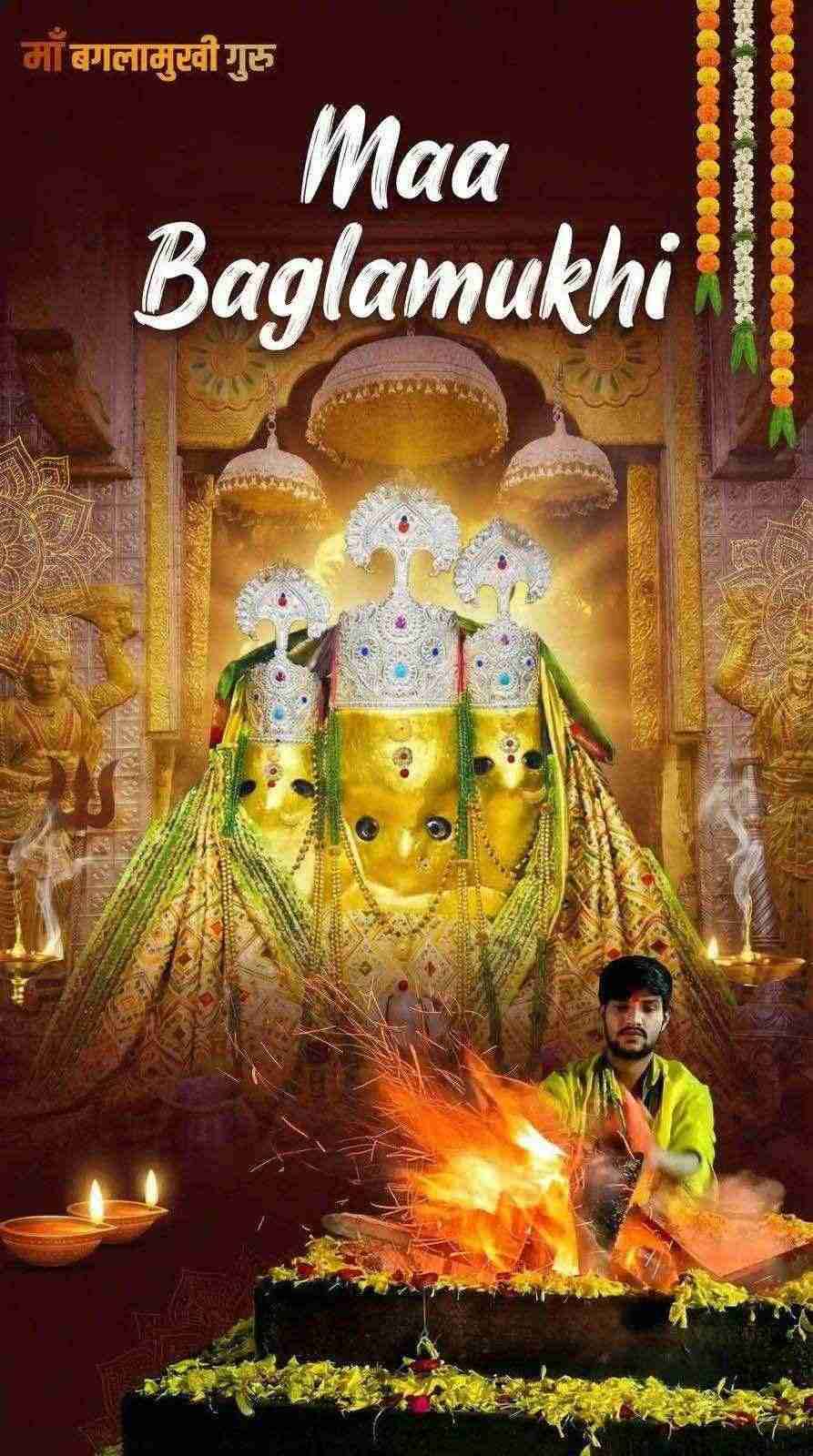
Maa Baglamukhi and Navratri
It's worth being clear about one point of frequent confusion: Maa Baglamukhi is not one of the nine Navadurga forms worshipped during Navratri. The Navadurga are the nine forms of Durga described in the table above, worshipped specifically across these nine nights. Maa Baglamukhi belongs to a separate group, the ten Mahavidyas, and is traditionally associated with stambhan shakti - the power to still speech, obstacles and negative influences.
That said, Navratri remains a spiritually meaningful period for devotees who also worship Maa Baglamukhi, since the nine nights are broadly dedicated to Shakti, the divine feminine, in all her forms. Some devotees choose to combine their Navratri fast with a focused Baglamukhi mantra jaap or Havan at home, while others prefer to have this performed by a priest at her Siddha Peeth in Nalkheda, Madhya Pradesh.
Want to observe Navratri with a dedicated, priest-guided puja? For devotees who would rather have the ritual side of Navratri handled by an experienced Acharya - whether alongside their own fast or independently of it - Maa Baglamukhi Puja and Havan services are available both at Nalkheda and online, with the Sankalp taken in the devotee's name and gotra.
Plan Your Navratri Puja at Nalkheda Siddha Peeth. Devotees who cannot travel to Nalkheda in person during these nine days can enquire about arranging a puja through the website. Book a Puja Online
Navratri Fasting Food Ideas
A simple day's structure many vrat-observing households follow (adjust portions and timing to your own routine and any medical guidance you have received):
Breakfast: Fruit chaat or a glass of milk with soaked almonds.
Mid-morning: Buttermilk or coconut water, with a handful of makhana.
Lunch: Sabudana khichdi or a kuttu/singhara paratha with curd, seasoned with sendha namak.
Evening: A cup of tea with roasted makhana or peanuts (where accepted in your tradition).
Dinner: Samak rice khichdi or a light vrat curry with potato and sweet potato.
This is a general idea, not a prescribed plan - households following stricter or looser versions of the fast will naturally adjust it, and none of it should be read as medical or nutritional advice.
Navratri Fasting Quick Checklist
DO:
Choose a fasting style that matches your health and daily routine.
Use sendha namak instead of regular salt in vrat cooking.
Keep fruits, milk and vrat flours stocked before Day 1.
Stay hydrated through the day, unless observing a Nirjala vrat.
Check with a doctor first if you have a medical condition, are pregnant, or are on regular medication.
Confirm Ashtami, Navami and Parana timings with a local Panchang if your family follows exact tithis.
AVOID:
Assuming every packaged "vrat" snack is automatically suitable.
Skipping water intake during a regular (non-Nirjala) fast.
Overloading on fried vrat snacks instead of a balanced mix.
Treating one region's or family's rules as universally correct.
Breaking the fast with a heavy, rich meal all at once.
Pushing through a strict fast against medical advice.
Frequently Asked Questions
What are the Navratri fasting rules in 2026? Most devotees eat vrat-friendly foods like fruits, milk, sabudana, and kuttu or singhara flour, while avoiding wheat, rice, pulses, onion and garlic, for some or all of the nine days from 11 to 19 October 2026. Practices vary by family and region.
What can I eat during Navratri fasting? Commonly eaten foods include fruits, milk and milk products, sabudana, kuttu and singhara flour, samak rice, potatoes, makhana and sendha namak. Acceptance of individual items can differ between households.
What should I avoid during Navratri fasting? Wheat, regular rice, pulses and lentils, onion, garlic, regular table salt, non-vegetarian food and alcohol are commonly avoided during Navratri vrat.
Can I eat rice during Navratri fast? Regular rice is commonly avoided; many devotees use samak (barnyard millet) rice as a vrat-friendly substitute instead.
Can I eat wheat during Navratri fasting? Regular wheat flour is commonly avoided; kuttu, singhara or rajgira flour are typically used in its place.
Can I eat onion and garlic during Navratri? Onion and garlic are avoided by most observant households throughout Navratri, whether or not every family member is personally fasting.
Can I drink tea during Navratri fasting? Yes, tea is accepted in most households during Navratri fasting, generally without regular grain-based snacks alongside it.
Can I drink coffee during Navratri fasting? Some traditions accept coffee during a vrat and others avoid it; this is one of the areas where family practice varies, so check what is followed in your household.
Is sabudana allowed during Navratri fasting? Yes, sabudana is one of the most widely accepted vrat foods and is commonly used for khichdi, vada and kheer.
Is kuttu allowed during Navratri fast? Yes, kuttu (buckwheat) flour is commonly used to make poori, paratha and pakora during Navratri vrat.
Is singhara flour allowed during Navratri? Yes, singhara (water chestnut) flour is a commonly accepted vrat flour, often used interchangeably with kuttu.
Can I eat fruits during Navratri fasting? Yes, fresh fruits are widely accepted across nearly all Navratri fasting traditions.
What salt is used during Navratri fasting? Sendha namak (rock salt) is used instead of regular iodised table salt during Navratri vrat cooking.
Can beginners observe Navratri fasting? Yes, though beginners are generally better served by a lighter fast (phalahar or one meal a day) rather than a strict multi-day fast, and should check with a doctor first if they have any health concerns.
Can I perform Navratri puja while fasting? Yes, fasting and puja are commonly combined, but they are separate commitments - you can perform full puja without fasting, and observe a light fast without following every puja detail.
What is eaten after Navratri fasting ends? Most devotees break their fast gently with fruit or a light meal, often after Kanya Puja, rather than a large or rich meal immediately.
When is Navratri fasting broken in 2026? Most devotees observing the full nine-day fast break it, or perform Parana, after Navami puja on 19 October 2026, though exact timing can depend on tithi and local Panchang.
What are the Navratri fasting rules for Ashtami and Navami? Some devotees observe their strictest fast, including a Nirjala vrat for those in good health, on Ashtami (18 October) or Navami (19 October), often ending it after Kanya Puja. Family tradition determines the exact approach.
Can I perform Navratri puja at home? Yes, a simple home puja with a clean altar, diya, incense and daily worship of the day's Navadurga form is a common and accepted way to observe Navratri, alongside or independent of fasting.
Is Maa Baglamukhi puja performed during Navratri? Yes, some devotees choose to perform Maa Baglamukhi puja or Havan during Navratri, though she is worshipped as one of the ten Mahavidyas, not as one of the nine Navadurga forms of the festival itself.