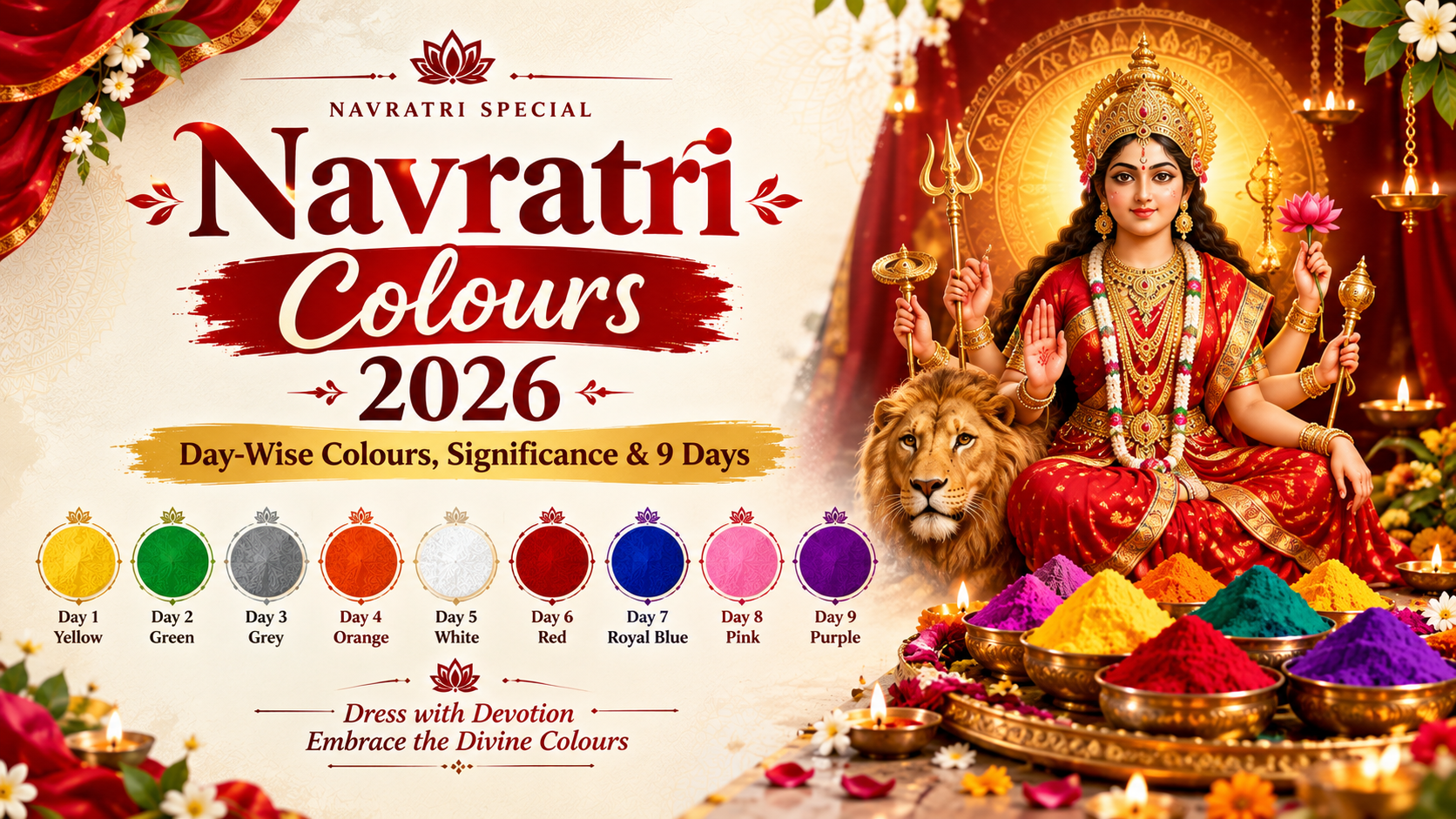
Shardiya Navratri 2026 begins on Sunday, 11 October and ends on Monday, 19 October, followed by Vijayadashami on Tuesday, 20 October. Because Day 1 falls on a Sunday, the festival opens in orange, and the colour then moves through white, red, royal blue, yellow, green, grey, purple and peacock green across the nine nights. This guide gives you the verified day-wise colour calendar, the goddess linked to each day, what the colours actually mean, and simple, practical ways to observe them - along with where the colour tradition ends and personal devotion, like Maa Baglamukhi Puja at Nalkheda, begins.
Quick Answer: Navratri Colours 2026
Start date: Sunday, 11 October 2026 (Ghatasthapana)
End date: Monday, 19 October 2026 (Maha Navami), followed by Vijayadashami on Tuesday, 20 October 2026
Day 1 colour: Orange, for Maa Shailputri
Day 9 colour: Peacock Green, for Maa Siddhidatri
Number of colours: 9, one for each day of Sharad Navratri
Important note: The colour order is a popular custom, not a scriptural rule, and it changes every year depending on which weekday Navratri begins on. You may see slightly different lists online this year - the reasons for that variation are explained in this guide.
Navratri Colours 2026: Day-Wise Table
This table is built from the weekday on which each Navratri day falls in 2026, cross-checked against multiple current Panchang and festival sources. It is designed to be easy to screenshot and easy to scan day by day.
A quick way to remember it: match today's date on your calendar to the "Date (2026)" column above, and you have the colour for that day. If you want the fuller story behind each of the nine forms, the complete Shardiya Navratri guide covers the dates, Ghatasthapana muhurat and rituals for all nine days in one place.
Planning your Navratri worship? Beyond the colour of the day, many devotees also use these nine nights to begin or deepen a specific sankalp. If that is on your mind, the Shardiya Navratri page walks through the puja vidhi, muhurat and what a nine-day observance typically involves.
Why Do Navratri Colours Change Every Year?
Direct Answer: Navratri colours change every year because the sequence is tied to the weekday on which Navratri begins, not to a fixed calendar date. Each weekday has a traditionally associated colour, and since Navratri can start on any of the seven days, the entire nine-day sequence shifts accordingly from one year to the next.
The logic behind this is rooted in the classical association between the seven weekdays and the seven grahas (celestial bodies) of Hindu astrology: Sunday with the Sun (orange), Monday with the Moon (white), Tuesday with Mars (red), Wednesday with Mercury (royal blue), Thursday with Jupiter (yellow), Friday with Venus (green), and Saturday with Saturn (grey). Since Navratri runs for nine nights and a week has only seven days, two more colours - purple and peacock green - are added by popular convention to complete the cycle for Day 8 and Day 9.
This is a widely followed custom that Panchang publishers and festival calendars repeat every year, rather than a rule stated in scripture. Because 2026's Sharad Navratri begins on a Sunday, the cycle opens with orange and runs through the weekday-colour order in sequence. If you compare a few different websites, you may notice small disagreements, especially around Day 8 and Day 9 - some of this comes from sources mixing up Chaitra Navratri (the spring observance, in March) with Shardiya Navratri (the autumn one most of India celebrates), and some comes from regional variation in which colour is treated as "extra." The sequence used in this guide is the one most consistently published across current 2026 Panchang and festival sources for Shardiya Navratri specifically.
Do not assume last year's list applies this year. Since Navratri 2025 began on a different weekday, its colour order was different from 2026's, even though the set of nine colours themselves stays largely the same.
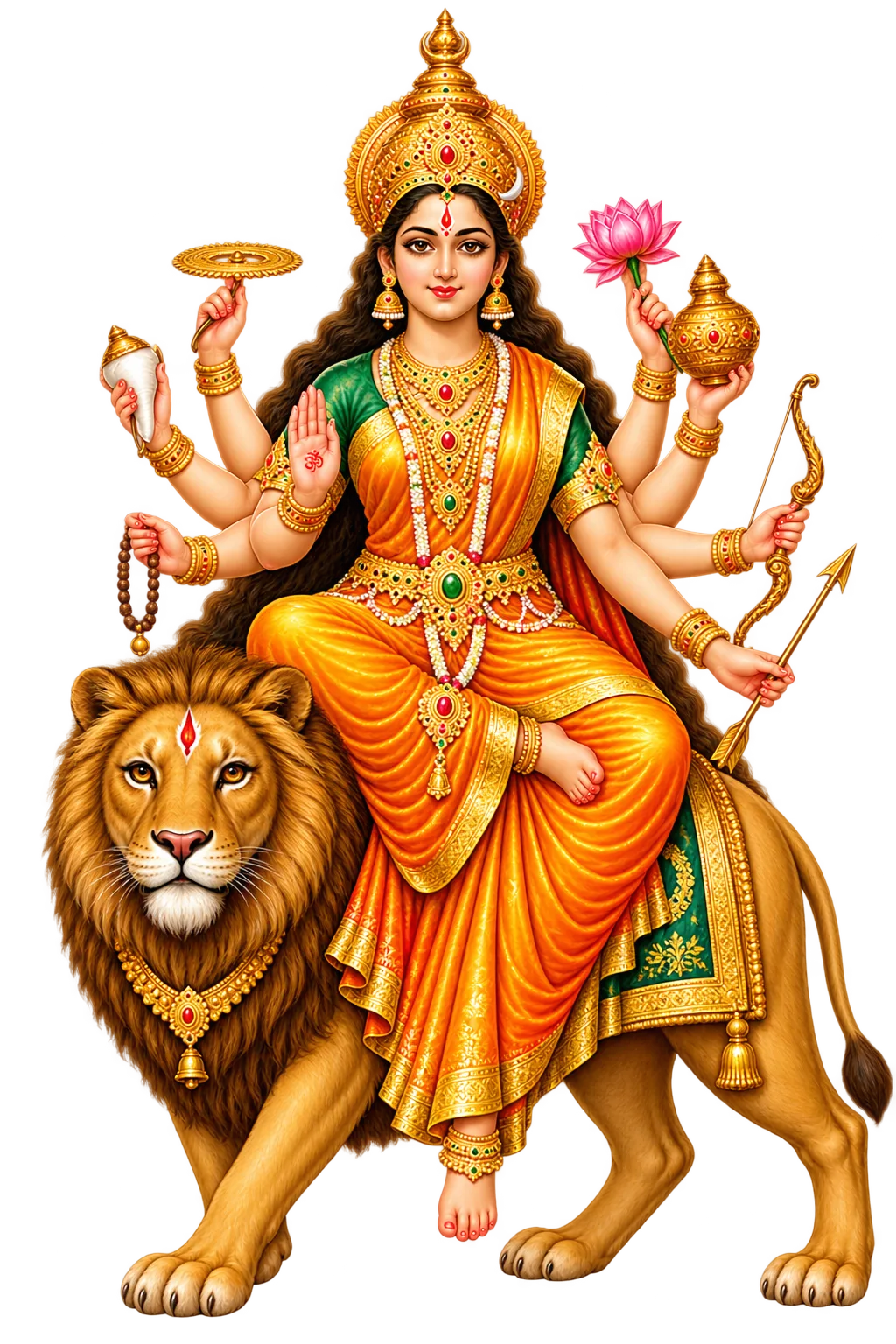
Navratri Day 1 Colour - Orange
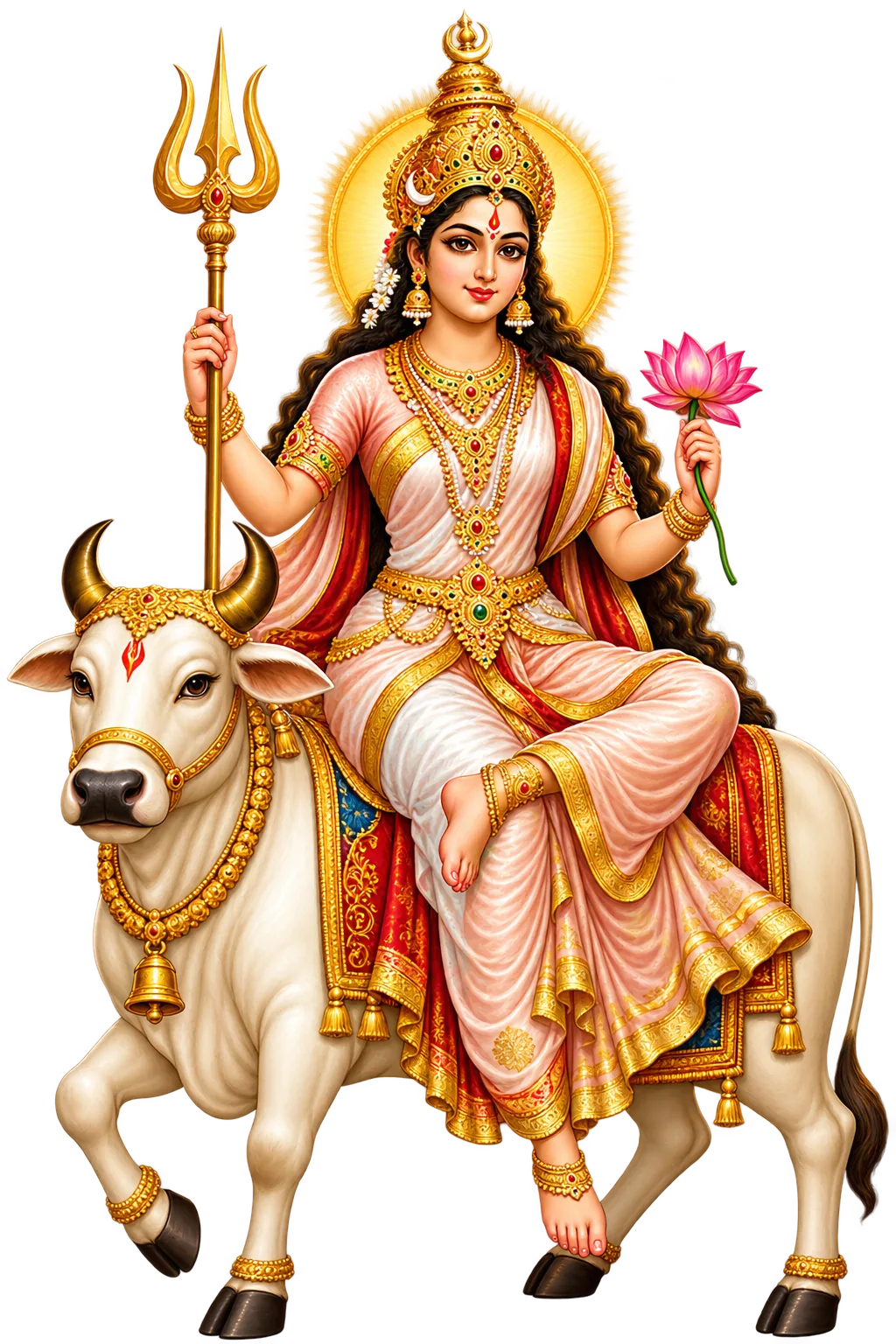
Date: Sunday, 11 October 2026 | Goddess: Maa Shailputri
Orange opens the festival on Ghatasthapana day. Traditionally associated with warmth and positive energy, it is considered a fitting colour for the day the kalash is installed and the nine-day worship formally begins. Maa Shailputri, the daughter of the Himalayas, is worshipped as the first form of Durga on this day, representing rootedness and the start of a spiritual journey.
Devotees often choose an orange saree, kurta or dupatta for the day, or bring the colour in through marigold flowers on the home altar. For the puja space itself, a simple orange or saffron cloth under the kalash works well. If you are following the full nine-day sequence, the Maa Shailputri page has more on the rituals specific to Day 1.
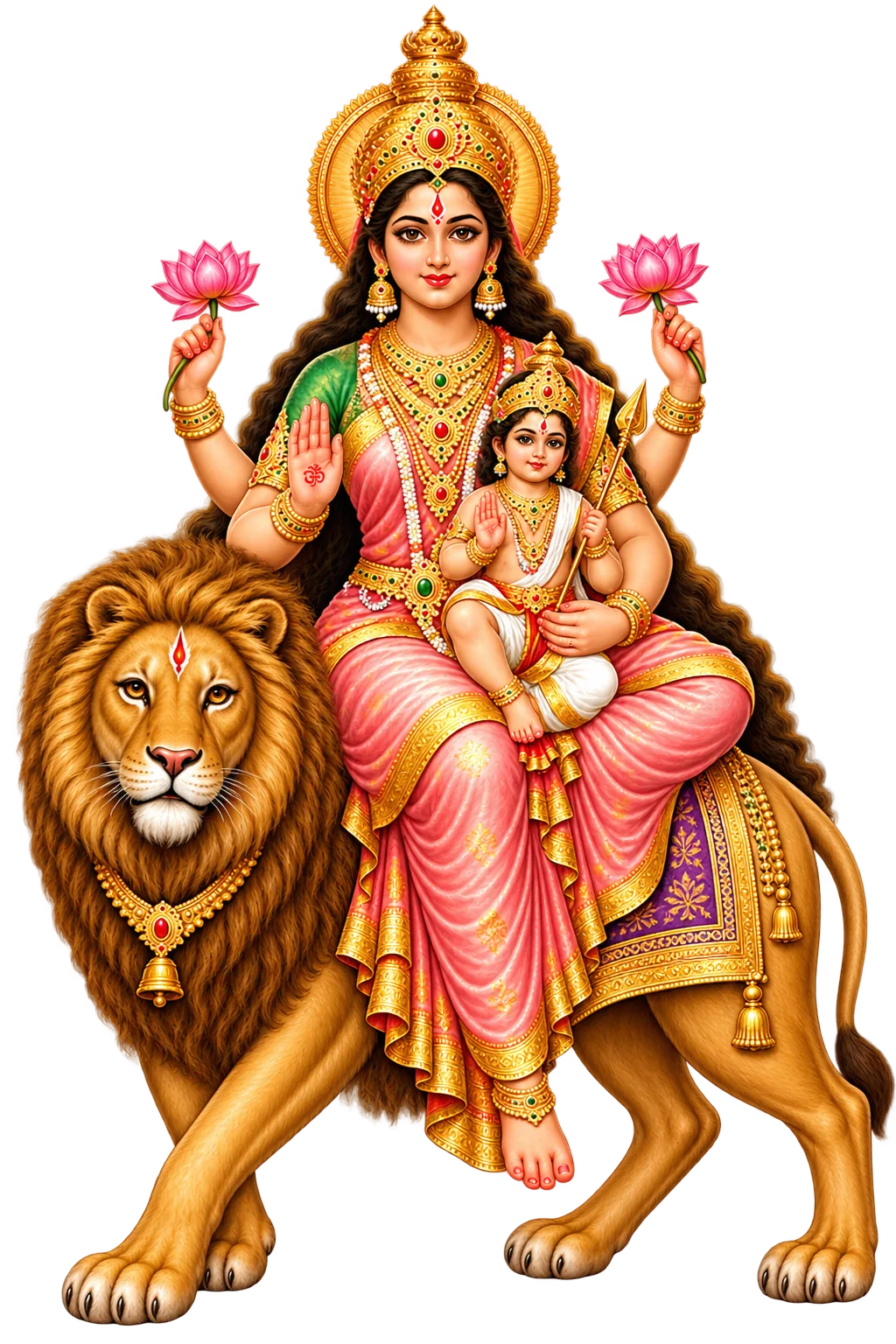
Navratri Day 2 Colour - White
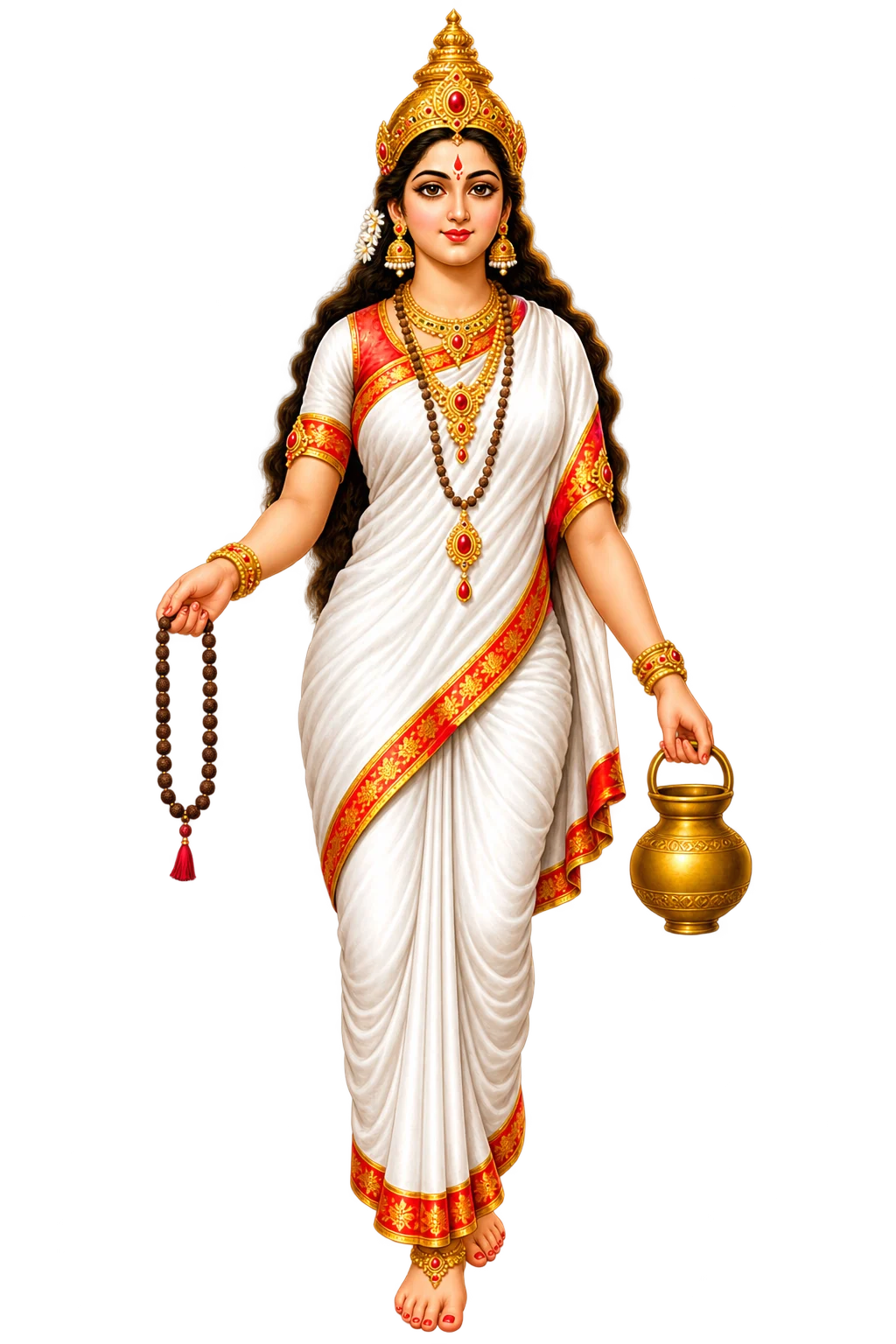
Date: Monday, 12 October 2026 | Goddess: Maa Brahmacharini
White is traditionally linked to purity, peace and simplicity - qualities associated with Maa Brahmacharini, who represents penance and unwavering discipline. It is one of the easier colours to style, since almost every wardrobe already has something white or off-white.
A white or cream outfit with silver jewellery is a common choice for the day. For the altar, jasmine or other white flowers make a simple, fitting offering. See the Maa Brahmacharini page for the day's full worship details.
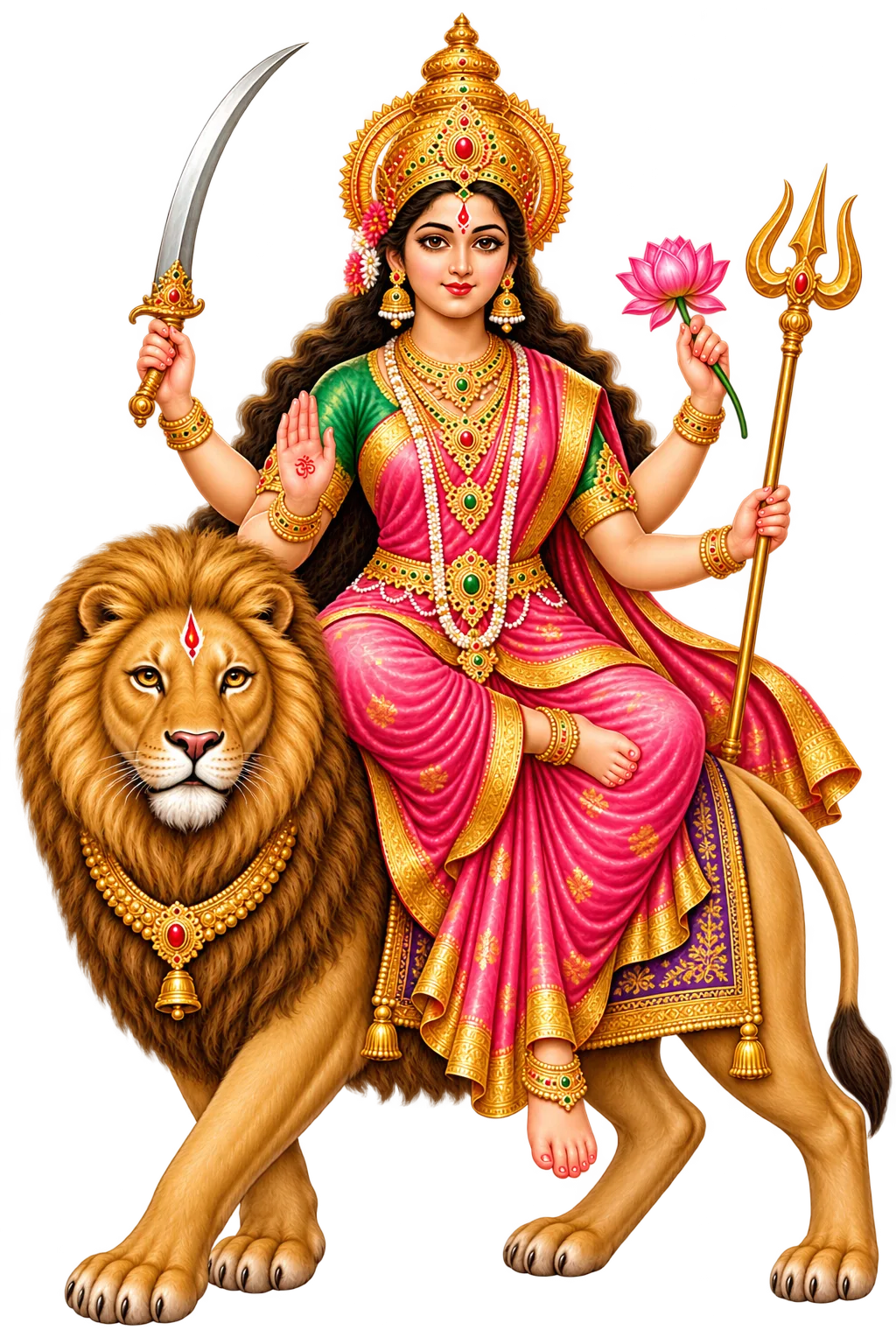
Navratri Day 3 Colour - Red
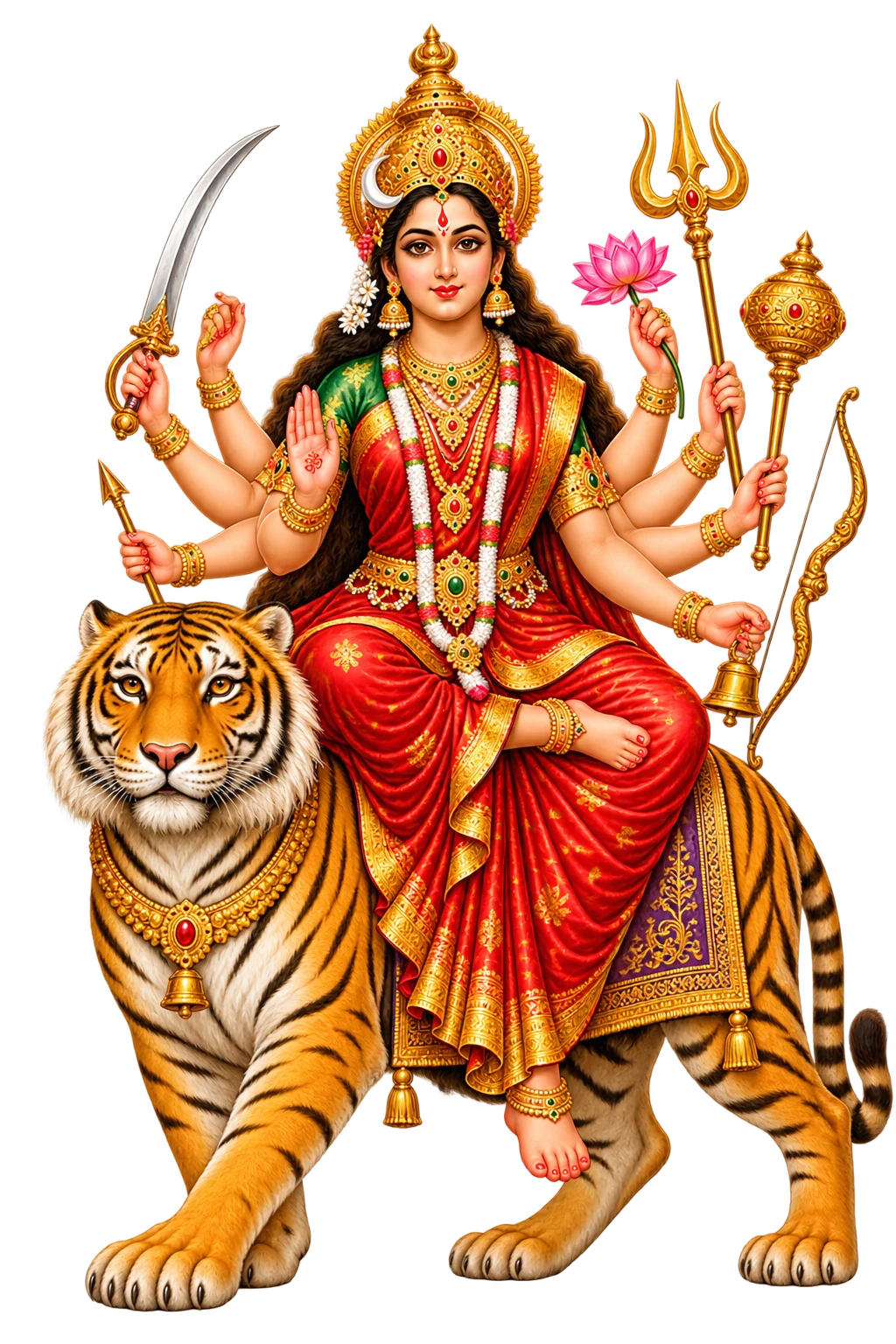
Date: Tuesday, 13 October 2026 | Goddess: Maa Chandraghanta
Red is one of the colours most closely tied to Devi worship in general, and it is also the shade most commonly used for the chunri offered to the Goddess. It is traditionally associated with courage, passion and protective strength, in keeping with Maa Chandraghanta's form as a warrior goddess.
A red saree or dupatta, or red bangles and a bindi as accents, are popular ways to mark the day. Red flowers such as hibiscus are traditionally offered during puja. More on the day's significance is on the Maa Chandraghanta page.
Navratri Day 4 Colour - Royal Blue
Date: Wednesday, 14 October 2026 | Goddess: Maa Kushmanda
Royal blue carries associations of richness, depth and calm strength. Maa Kushmanda is worshipped on this day as the form believed to have created the universe with her divine smile, and the colour is often described as reflecting her vast, creative energy.
A deep blue outfit paired with oxidised or silver jewellery works well for both puja and evening garba. Blue flowers or a blue altar cloth are simple ways to bring the colour into your puja space. Details for the day are on the Maa Kushmanda page.
Navratri Day 5 Colour - Yellow
Date: Thursday, 15 October 2026 | Goddess: Maa Skandamata
Yellow is traditionally considered a colour of optimism, brightness and cheer. Maa Skandamata, worshipped on Day 5 as the mother of Skanda (Kartikeya), is associated with nurturing strength, and yellow is often chosen to reflect that warmth.
A yellow saree, kurta or dupatta is an easy, festive choice for the day. Marigold or yellow chrysanthemum flowers work well both as an offering and as home decoration. See the Maa Skandamata page for more.
Navratri Day 6 Colour - Green
Date: Friday, 16 October 2026 | Goddess: Maa Katyayani
Green is traditionally linked to growth, harmony and renewal, in keeping with Maa Katyayani's fierce, protective energy and her connection to nature's abundance. Friday itself is traditionally associated with Venus and with feminine energy, which adds another layer to why green is chosen for this day.
A green outfit with gold accents, or simply green bangles and fresh green leaves like betel or tulsi near the altar, are common ways to observe the day. The Maa Katyayani page has more on the day's worship.
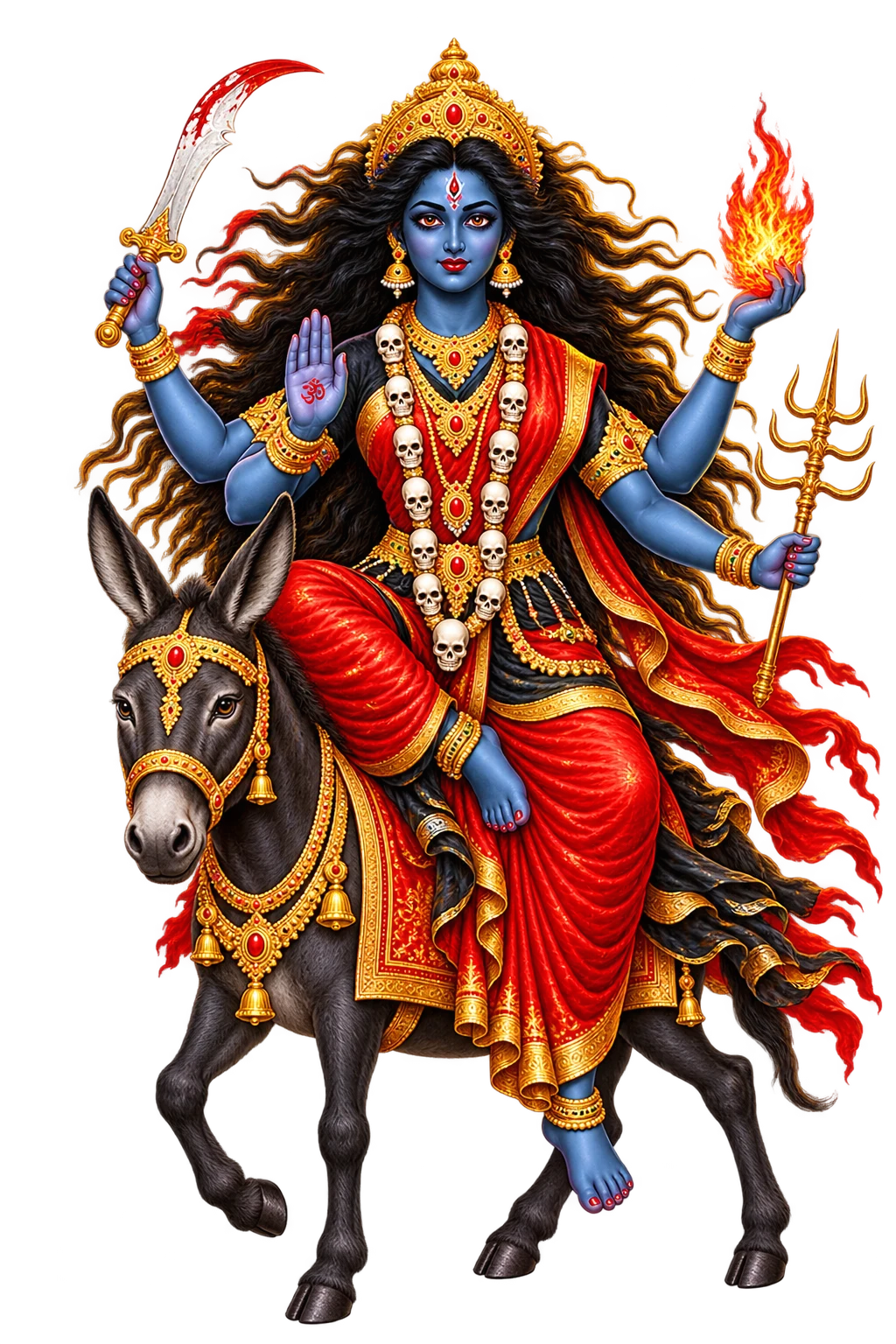
Navratri Day 7 Colour - Grey
Date: Saturday, 17 October 2026 | Goddess: Maa Kalaratri
Grey is traditionally associated with balance, quiet strength and stability. It may seem an unusual choice compared to the brighter colours elsewhere in the sequence, but it is fitting for Maa Kalaratri, the fierce form of the Goddess worshipped for protection and the removal of fear and negativity.
A grey or charcoal outfit lifted with silver jewellery keeps the day elegant rather than dull. Grey or silver-toned decor near the altar also works well. Full details are on the Maa Kalaratri page.
Navratri Day 8 Colour - Purple
Date: Sunday, 18 October 2026 | Goddess: Maa Mahagauri
Purple is traditionally associated with grandeur, dignity and richness, marking the festive shift toward the final days of Navratri. Maa Mahagauri, worshipped on Ashtami, represents serenity and grace after the fierce forms of the preceding days. For many families, Durga Ashtami, Sandhi Puja and Kanya Pujan are observed around this point in the calendar, according to family tradition and the local Panchang - the exact tithi timing can vary slightly by location, so it is worth checking a local Panchang if you plan to time Sandhi Puja precisely.
A purple or violet saree or lehenga, paired with statement jewellery, suits both puja and evening celebrations. Purple flowers or fabric near the kalash complete the look. The Maa Mahagauri page has more on the day's rituals.
Navratri Day 9 Colour - Peacock Green
Date: Monday, 19 October 2026 | Goddess: Maa Siddhidatri
The final colour of the sequence is peacock green, traditionally linked to individuality, freshness and accomplishment. It closes the nine-day cycle on Maha Navami, the day dedicated to Maa Siddhidatri, the granter of all siddhis (spiritual accomplishments), who is worshipped as the culmination of the nine-day journey.
Peacock green attire, a matching rangoli, or simple decorative fabric on the altar are popular ways to mark the day. Some households also perform Havan and conclude their nine-day sankalp on this date. See the Maa Siddhidatri page for the day's full puja details, and the main Shardiya Navratri guide for Vijayadashami timing on 20 October.
Are Navratri Colours Mandatory?
Direct Answer: No. Wearing the day's colour is a popular devotional and social custom that has grown especially strong in the last few decades, not a rule every devotee is required to follow. Personal, family and regional traditions vary, and genuine devotion during Navratri is expressed through puja, fasting and mantra, not through the exact shade of clothing worn.
Many households simply do not track the colour calendar closely, and that takes nothing away from their observance of the festival. If you enjoy coordinating outfits with the day's colour, it is a joyful, community-building part of Navratri, particularly around Garba and Dandiya. If you do not, your puja, vrat and devotion to Maa Durga remain complete without it.
What If I Don't Have the Day's Colour?
A missing outfit in the exact shade is a common, minor concern, and there are several easy ways around it:
Accessories: A dupatta, stole or scarf in the day's colour, worn over any outfit, is often enough.
Jewellery: Bangles, a bindi, or a jhumka set in the right shade can carry the colour without a full outfit change.
Flowers: Fresh flowers in the day's colour, worn in the hair or offered at the altar, are a traditional and simple option.
Puja cloth: A small piece of coloured cloth placed under the kalash or diya covers the ritual side of the tradition.
Home decoration: Coloured diyas, rangoli, or a single cushion cover or table runner can bring the colour into your space without needing new clothes.
Small accents: Even a coloured nail polish, mask, or hair tie is enough for some people to feel part of the day's theme.
None of these are prescribed requirements - they are simply practical ways devotees make the tradition work with what they already have.
Navratri Colours and the 9 Navadurga
The nine-day colour calendar and the worship of the Navadurga are related but distinct traditions. The Navadurga - Shailputri, Brahmacharini, Chandraghanta, Kushmanda, Skandamata, Katyayani, Kalaratri, Mahagauri and Siddhidatri - are the nine forms of Goddess Durga worshipped on the nine nights of Navratri, and this sequence is consistent every year. The colours, by contrast, follow the weekday-based cycle explained earlier and shift from year to year.
It would be inaccurate to say every one of the nine colours is scripturally prescribed for its specific Navadurga form. What is accurate is that popular tradition has, over time, matched a mood or quality to both the day's colour and the day's goddess, which is why the two are often described together, as in the table above. If you want to explore each Navadurga form in more depth - her iconography, mantra and the significance of her day - the nine linked pages above, starting with Maa Shailputri and ending with Maa Siddhidatri, go through each day individually.
How to Use Navratri Colours in Your Puja
Beyond clothing, the day's colour can be brought into the puja itself in a few simple, respectful ways:
Altar cloth: A cloth in the day's colour under the kalash, idol or photograph.
Flowers: Choosing flowers in or close to the day's shade for the offering.
Chunri: Especially on days associated with red, a chunri in that colour is a traditional offering to the Goddess.
Decorations: Diyas, torans or small rangoli patterns that pick up the day's colour.
Family participation: Involving children in choosing flowers or decorating the altar in the day's colour, which is often how the tradition is passed down.
None of this needs to be elaborate. A single flower, cloth, or diya in the right shade is enough to honour the custom - the emphasis in Navratri worship remains on devotion, fasting and mantra, with colour as a supporting, joyful layer rather than the centre of the practice.
Want to observe Navratri with a dedicated puja? If you would like your nine-day observance to include a structured ritual rather than colour coordination alone, many devotees choose to pair Navratri with a specific Baglamukhi Puja or Havan performed at Nalkheda, with a clear sankalp for the nine days.
Maa Baglamukhi Puja During Navratri
It is important to be precise here: Maa Baglamukhi is not one of the nine Navadurga forms worshipped during Navratri. The Navadurga are the nine forms of Durga described above, worshipped specifically across these nine nights. Maa Baglamukhi, by contrast, is one of the ten Mahavidyas - a separate group of tantric goddess forms revered for stambhan shakti, the power to still speech, obstacles and negative influences.
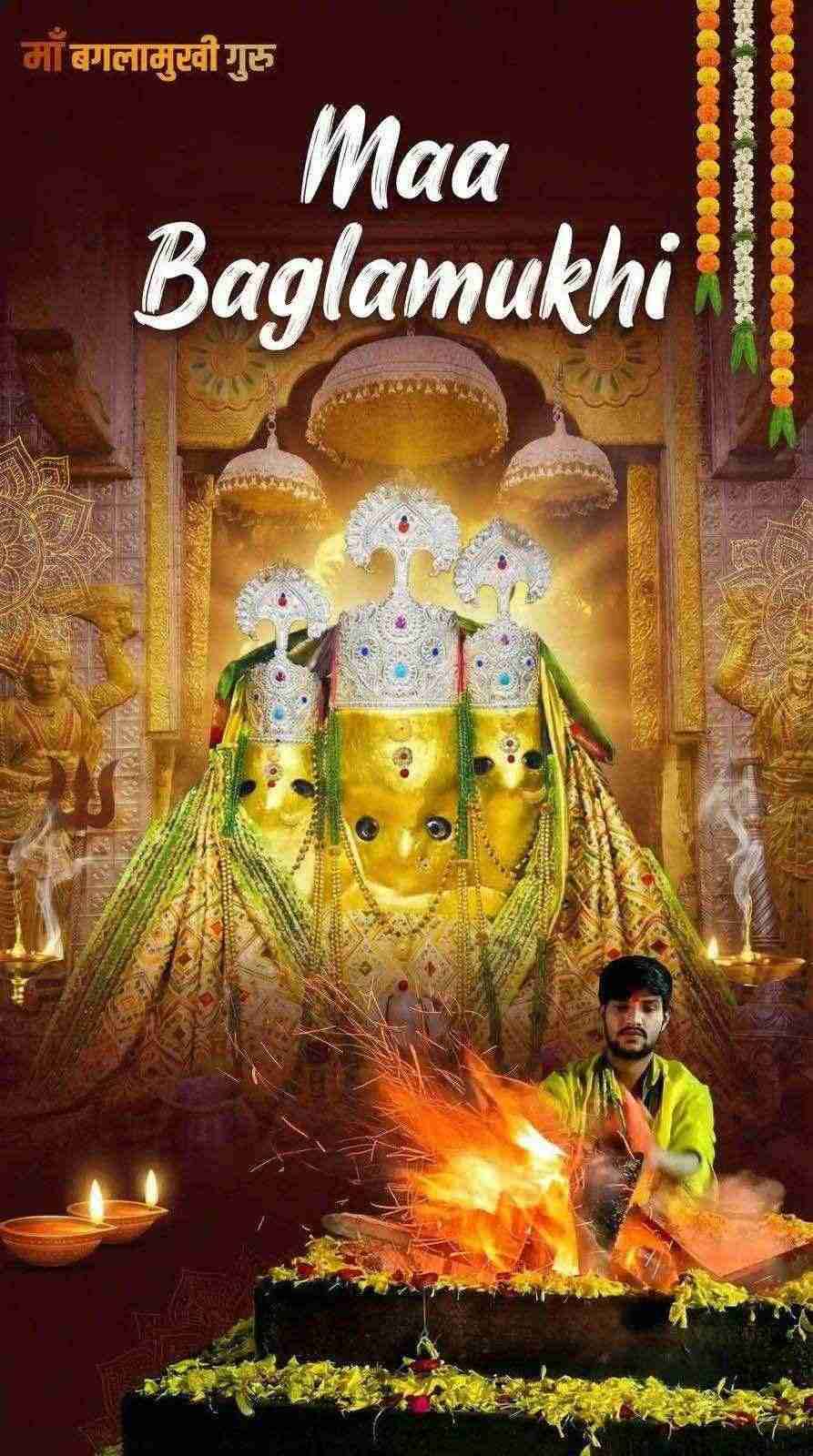
That said, Navratri remains a spiritually significant period for devotees who also worship Maa Baglamukhi, since the nine nights are broadly dedicated to Shakti, the divine feminine energy, in all her forms. Many devotees use this window to perform a Baglamukhi Mantra Jaap or Havan at home, or to arrange a puja at her ancient Siddha Peeth in Nalkheda, Madhya Pradesh, believed to date back to the Dwapar Yuga. The temple is especially active during Navratri, with devotees offering yellow flowers and performing puja and Havan for protection, clarity and the removal of obstacles.
If personally visiting Nalkheda during Navratri is not possible, the temple's rituals can also be arranged through Maa Baglamukhi online puja services, where priests perform the Sankalp, Havan and mantra chanting on the devotee's behalf, with video documentation shared afterward.
Plan Your Navratri Puja at Nalkheda Siddha Peeth. Devotees who cannot travel to Nalkheda in person during these nine days can enquire about arranging a puja through the website, with the Sankalp taken in their name and gotra under Acharya guidance. Book Navratri Puja Online
Make This Navratri Spiritually Meaningful
The nine days of Navratri are as much about intention as they are about outfits and colour charts. Whether you follow the day-wise colours closely, loosely, or not at all, the nine nights remain an opportunity to pause, observe a vrat, recite mantras, and set a sincere sankalp for the months ahead. For devotees drawn specifically to Maa Baglamukhi's protective and obstacle-removing energy, Navratri is a widely chosen time to begin a Havan, Anushthan or a focused period of mantra Japa, whether performed at home or arranged at her Siddha Peeth in Nalkheda.
If you would like guidance on which ritual suits your specific concern - whether that is protection, a legal matter, or general peace of mind during Navratri - you can explore the available Maa Baglamukhi Puja and Havan options or connect directly with the temple's Acharya for personalised guidance.
Book a Maa Baglamukhi Puja for Navratri
Frequently Asked Questions
What are the Navratri colours for 2026?
The nine Navratri colours for 2026, in order, are orange, white, red, royal blue, yellow, green, grey, purple and peacock green, running from 11 to 19 October 2026.
What is the colour for Navratri Day 1 in 2026?
Day 1, Sunday 11 October 2026, is orange, associated with Maa Shailputri and the start of the nine-day worship.
What is the colour for Navratri Day 2 in 2026?
Day 2, Monday 12 October 2026, is white, associated with Maa Brahmacharini and traditionally linked to purity and peace.
What is the colour for Navratri Day 3 in 2026?
Day 3, Tuesday 13 October 2026, is red, associated with Maa Chandraghanta and traditionally linked to courage and protection.
What is the colour for Navratri Day 9 in 2026?
Day 9, Monday 19 October 2026, is peacock green, associated with Maa Siddhidatri and the culmination of the nine-day observance.
Why do Navratri colours change every year?
Because the sequence is set by the weekday on which Navratri begins, and each weekday is traditionally linked to a colour through the seven-planet system. Since the starting weekday changes annually, so does the full colour order.
Are Navratri colours the same across India?
The core set of colours is widely followed, but regional customs, local Panchangs and individual publishers can differ slightly, particularly for Day 8 and Day 9. It is a popular tradition rather than a single fixed nationwide rule.
Are Navratri colours compulsory?
No. They are a devotional and social custom that many people enjoy following, but Navratri worship does not require any specific clothing colour to be complete.
What should I wear if I do not have the day's colour?
An accessory, dupatta, piece of jewellery or even a flower in the day's shade is enough - a full outfit change is not necessary.
Can I use the Navratri colour in my puja setup instead of my clothing?
Yes. An altar cloth, flowers, or a diya in the day's colour is a common and equally valid way to observe the tradition.
Which colour is associated with Maa Shailputri?
Orange, worshipped on Day 1 of Navratri 2026.
What are the 9 forms of Maa Durga worshipped during Navratri?
Shailputri, Brahmacharini, Chandraghanta, Kushmanda, Skandamata, Katyayani, Kalaratri, Mahagauri and Siddhidatri, worshipped in that order across the nine nights.
Is Maa Baglamukhi one of the nine Navadurga?
No. Maa Baglamukhi is one of the ten Mahavidyas, a separate tantric tradition, though many devotees also worship her during the broader Shakti-focused period of Navratri.
When does Sharad Navratri 2026 begin?
Sharad Navratri 2026 begins on Sunday, 11 October, with Ghatasthapana performed in the morning muhurat.
When is Ghatasthapana 2026?
Ghatasthapana falls on 11 October 2026, generally in the early morning window or during Abhijit Muhurat around midday; exact timings vary by city, so check a local Panchang.
When is Dussehra (Vijayadashami) 2026?
Vijayadashami falls on Tuesday, 20 October 2026, the day after Navratri's ninth day concludes.