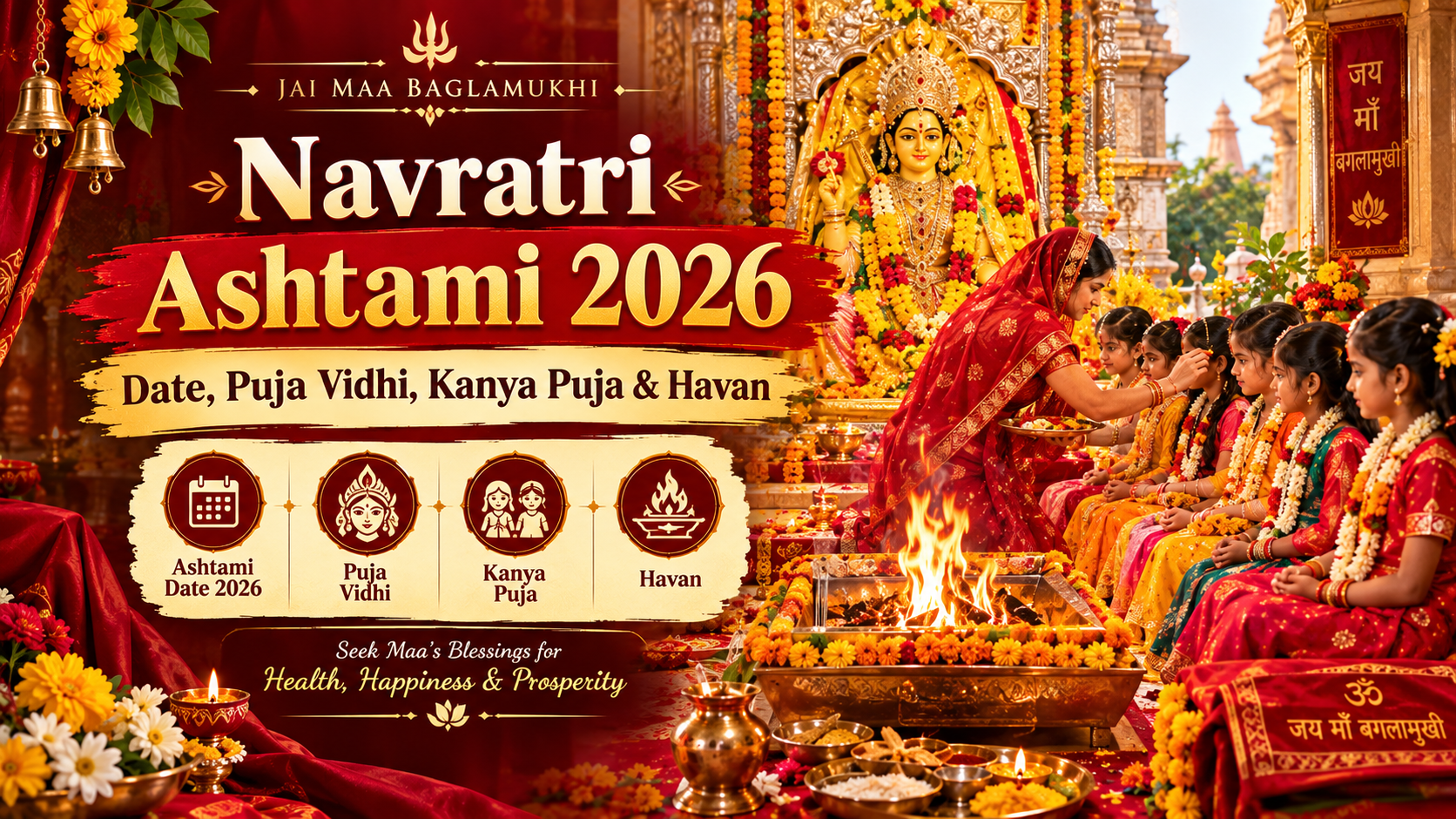
Ashtami is the day most Navratri households build their whole festival around. It is when Maa Mahagauri is worshipped, when most families perform Kanya Puja, and when many perform their Havan. If you want the correct Navratri Ashtami 2026 date, the Tithi timing behind it, the Puja Vidhi, and how Ashtami connects to Kanya Puja and Havan, this guide walks through all of it with verified 2026 Panchang information.
Quick Answer: Navratri Ashtami 2026
Durga Ashtami (Maha Ashtami) 2026 falls on Monday, 19 October 2026.
The Ashtami Tithi is present at sunrise on 19 October and runs until approximately mid-morning, generally cited around 10:51 to 10:53 AM in most North Indian Panchangs, after which the Navami Tithi begins.
Because Navami starts right after Ashtami ends on the same day, most Panchangs place Durga Ashtami and Maha Navami together on 19 October 2026, with Vijayadashami following on 20 October.
Puja Muhurat on Ashtami is generally taken in the morning while the Tithi is active, though exact timing shifts with local sunrise, so devotees should confirm with a city-specific Panchang.
Kanya Puja is most commonly performed on Ashtami in North and Central India, though many families instead perform it on Navami, and there is no single rule that applies to every household.
Havan is often performed on Ashtami as well, though many families reserve it for Navami; both traditions are valid depending on family and regional custom.
Many devotees observing a nine-day Navratri Vrat treat Ashtami as a milestone day, with the fast typically broken after Navami rituals are complete.
What Is Navratri Ashtami?
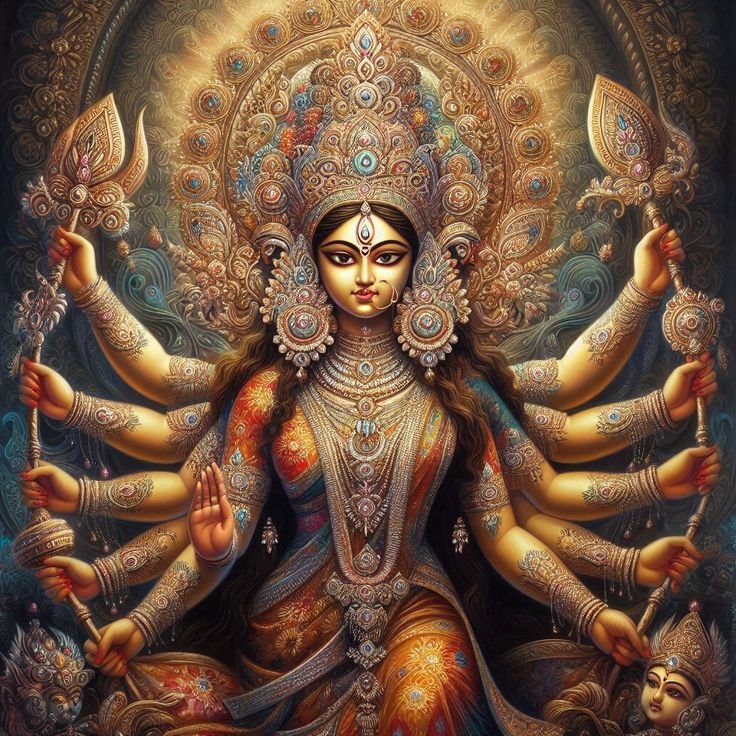
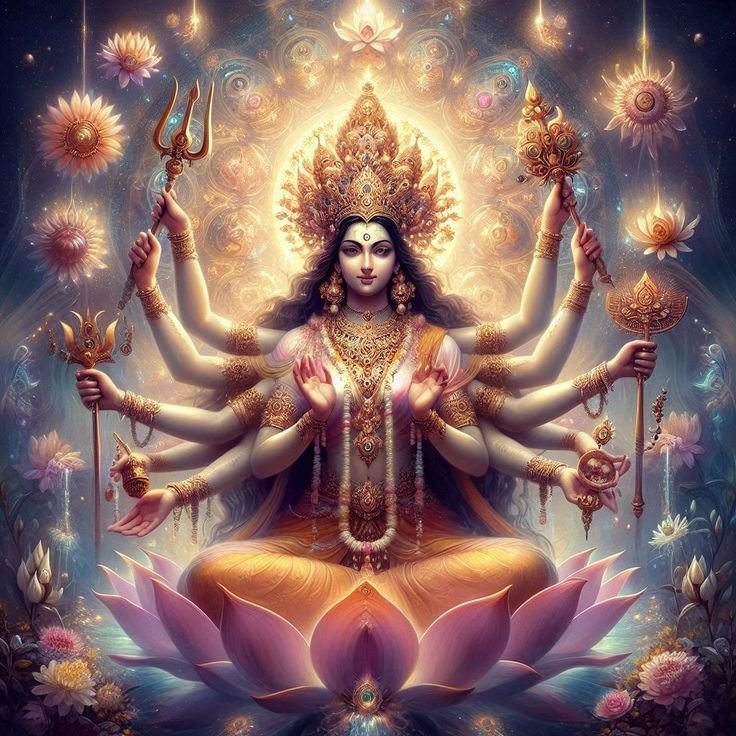
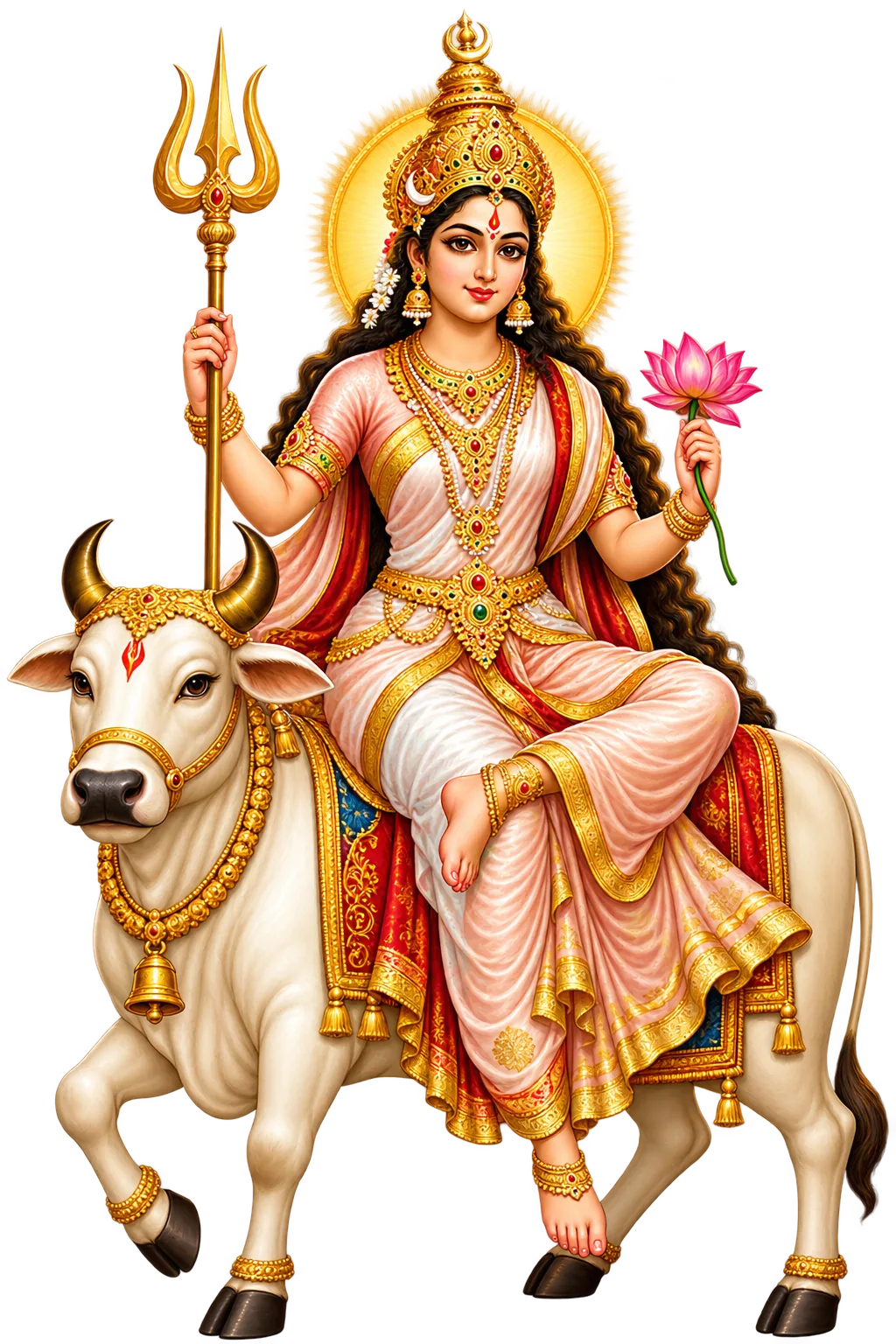
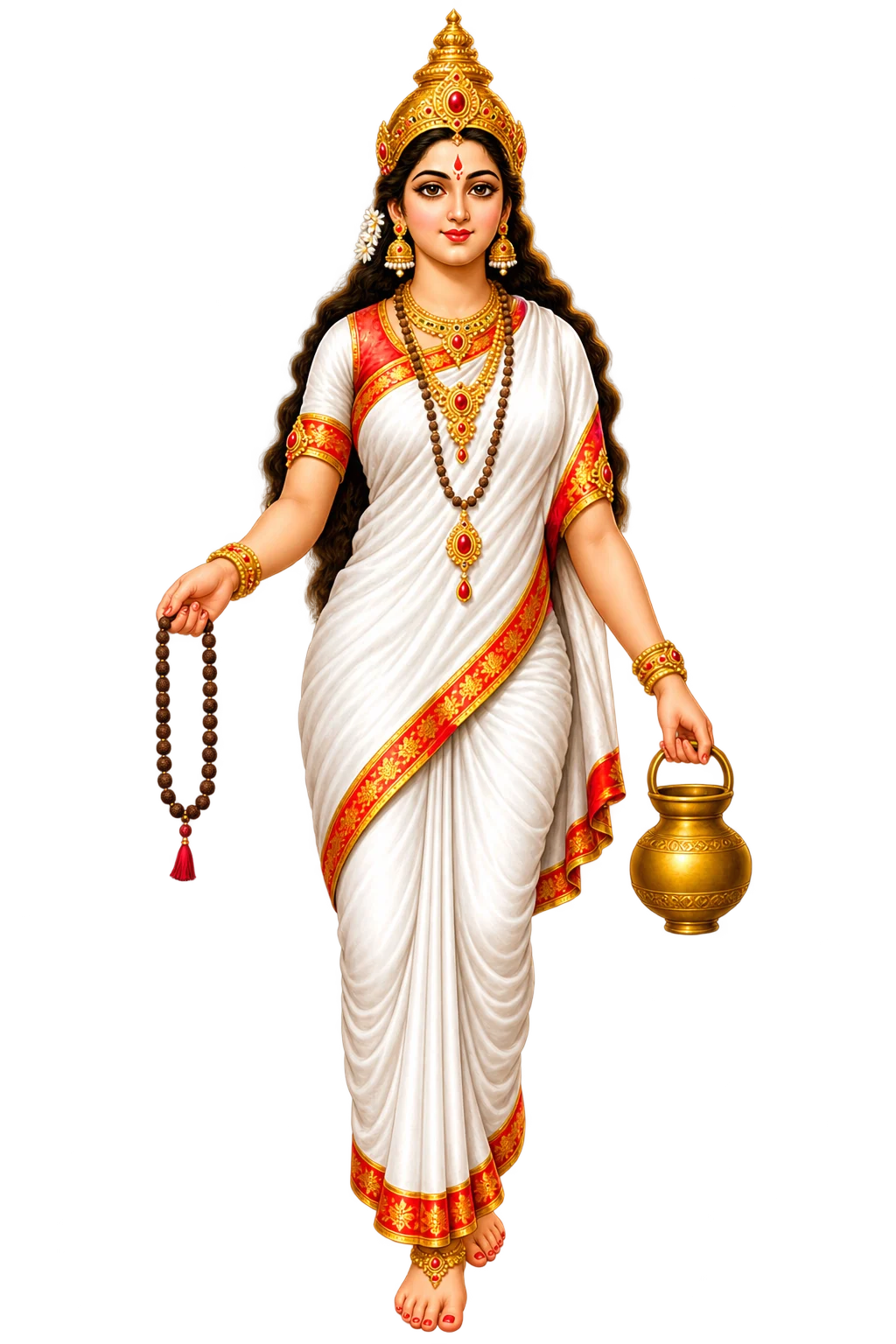
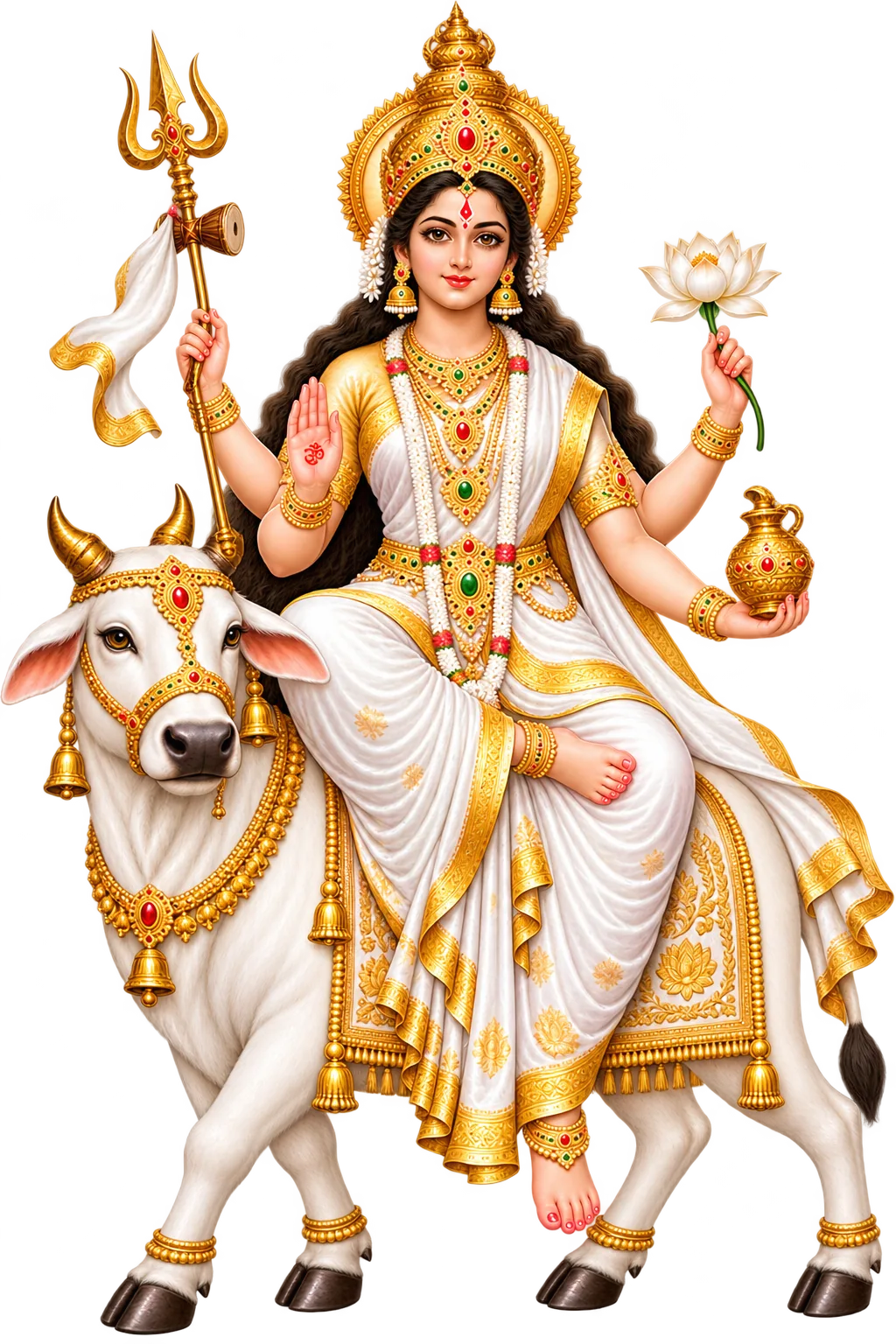
Ashtami is the eighth day of Sharad Navratri, dedicated to Maa Mahagauri, the eighth form of the Navadurga. According to Hindu tradition, Mahagauri represents purity, calm strength and the washing away of past errors, often depicted in white, riding a bull. Ashtami is widely regarded by devotees as one of the two or three most important days of the nine-day festival, alongside Navami and the opening day of Ghatasthapana.
In many regional traditions, Ashtami is also called Durga Ashtami or Maha Ashtami, and it is closely associated with Kanya Puja, Sandhi Puja in Bengali Durga Puja tradition, and, in many North Indian households, Havan. The devotional significance attached to the day, such as the belief that worship on this Tithi brings the blessings of Maa Durga, is a matter of Hindu religious tradition and personal faith rather than something that can be independently verified.
Navratri Ashtami 2026 Date
Sharad Navratri 2026 begins on Sunday, 11 October 2026 with Ghatasthapana and concludes with Vijayadashami on Tuesday, 20 October 2026. Within this cycle, Durga Ashtami falls on Monday, 19 October 2026, according to Panchang references that use sunrise-based Tithi calculation for cities such as Delhi and, by extension, Nalkheda in Madhya Pradesh.
The Tithi behind this date is important to understand, since Ashtami is not simply "one calendar day" in the way a Gregorian date is. The Ashtami Tithi of Ashwin Shukla Paksha begins on the evening of 18 October 2026 and continues until roughly mid-morning on 19 October, after which the Navami Tithi takes over for the rest of the day. Because the Tithi that is active at sunrise decides which day is observed as Ashtami, most Panchangs mark 19 October as Durga Ashtami, and, since Navami begins later the same morning, Maha Navami is also observed on 19 October by the same reckoning. Some regional and Bengali Durga Puja calendars instead separate the two, observing Ashtami on 18 October and Navami on 20 October.
Because sunrise time itself shifts slightly from city to city, devotees in Nalkheda and elsewhere in Madhya Pradesh should confirm the exact Tithi transition with a local Panchang rather than assuming the Delhi-based timing applies everywhere, particularly if planning a precisely timed ritual such as Sandhi Puja.
Navratri Ashtami Muhurat 2026
The Puja Muhurat for Ashtami is generally taken during the morning hours while the Ashtami Tithi is active, that is, from sunrise on 19 October 2026 until roughly mid-morning. In Delhi, sunrise on 19 October 2026 is around 6:24 AM, while sunset is around 5:47 PM; sunrise in cities to the east, such as Kolkata, is earlier, and in cities to the west, such as Mumbai, it is somewhat later, which is why city-specific Panchangs can show slightly different Muhurat windows.
For families combining Ashtami with Sandhi Puja, the most precise window is the transition point between the Ashtami and Navami Tithis, generally placed around 10:30 AM to 11:15 AM on 19 October 2026 in most North Indian Panchangs, though this exact minute should be checked locally.
Kanya Puja does not require the same precise astronomical window as Sandhi Puja. Most families perform it any time during the morning or early afternoon of Ashtami, once the household Puja and Bhog preparation is complete. Havan Muhurat, where performed on Ashtami, generally follows the same broad morning-to-midday window, though families who prefer to perform Havan on Navami instead often do so later in the day once the Navami Tithi is fully underway. Because exact timings vary by location and by which ritual you are prioritising, it is worth confirming with a family priest or a Nalkheda-based Panchang before finalising your schedule, particularly if you are combining Ashtami with a priest-guided Baglamukhi Puja or Havan.
Ashtami vs Navami 2026
One of the most common points of confusion during Navratri is whether a particular ritual belongs on Ashtami or Navami. The table below compares the two days as they fall in 2026.
In 2026, because both Tithis fall within the same civil day for most Panchangs, many households will naturally combine Ashtami and Navami rituals, performing Kanya Puja, Puja and Havan across the single day of 19 October rather than spreading them across two separate days. Families that follow a Panchang placing Ashtami on 18 October and Navami on 20 October should simply plan their rituals across those two days instead. Whichever convention your family follows, the guiding rule is your own family and community tradition rather than a single nationwide rule.
Maa Mahagauri and Ashtami
Maa Mahagauri is the eighth of the nine Navadurga forms worshipped during Navratri. According to tradition, she represents purity and calm strength, often shown in white clothing, riding a bull, with a trident and a drum among her attributes. Devotees traditionally regard worship of Mahagauri on Ashtami as a way to seek forgiveness for past mistakes and to invite peace and stability into the home.
Common worship practices on this day include offering white or light-coloured flowers, lighting a Diya, and reciting Durga Saptashati verses associated with the eighth form. It is worth being clear that Maa Mahagauri belongs to the Navadurga tradition and is distinct from Maa Baglamukhi, who belongs to the separate Dash Mahavidya tradition; the two should not be treated as the same figure or worshipped through the same ritual framework.
Navratri Ashtami Puja Vidhi
The sequence below is a general, practical guide. Exact wording of Sankalp, specific Mantras, and whether Havan or Kanya Puja is included can vary by family and regional tradition, so treat this as a foundation rather than a fixed script.
Clean the Puja area. Tidy the space around the Kalash that has been in place since Ghatasthapana.
Prepare the altar. Arrange the idol or image of Maa Durga or Maa Mahagauri, along with fresh flowers and a clean cloth.
Perform Sankalp. State your intention for the day's worship while holding water, akshat and flowers.
Invoke Maa Durga or Maa Mahagauri. Follow your family's usual invocation for the eighth day.
Offer flowers. White or light-coloured flowers are commonly used for Mahagauri worship.
Offer Bhog. Prepare the day's Bhog, commonly including Halwa, Puri and Kala Chana.
Light the Diya. Keep it burning through the main part of the Puja.
Chant the appropriate prayer or Mantra. Recite Durga Saptashati verses or your family's usual Ashtami prayer.
Perform Aarti. Conclude the core worship with Aarti for the household.
Perform Kanya Puja, if this is your family's Ashtami tradition. Welcome the Kanyas, offer Tilak, Bhog and Dakshina.
Perform Havan, if this is part of your family tradition for Ashtami. Follow a safe, well-ventilated setup, as outlined in the site's separate guide to Navratri Havan Vidhi, Samagri and Muhurat.
Distribute Prasad. Share the Bhog and Prasad with family and any guests present.
Steps 10 and 11 are optional and regional rather than universal; many families perform Kanya Puja or Havan on Navami instead, and some perform both across the two days.
Ashtami Puja Samagri
Most of these items are the same ones kept ready for daily Navratri Puja, so Ashtami mainly adds the Bhog ingredients, Kanya Puja items, and Havan Samagri if your family includes those rituals on this day.
Ashtami Bhog
The Halwa-Puri-Chana combination is closely tied to Kanya Puja, since it is the meal traditionally served to the young girls invited for worship on this day.
Ashtami Kanya Puja
Kanya Puja is one of the central reasons Ashtami holds such importance for many families. According to tradition, young girls, most often nine in number and generally between roughly two and ten years of age, are invited into the home and worshipped as living representations of the Navadurga.
A typical Ashtami Kanya Puja includes:
Welcoming the Kanyas respectfully, often with a gentle washing of their feet.
Applying Tilak on their foreheads and tying a Moli or Kalawa on their wrists.
Offering flowers and seating them comfortably for the meal.
Serving Bhog, typically Halwa, Puri and Kala Chana.
Offering Dakshina, small gifts, or new clothes as a gesture of respect.
Seeking their blessings before they leave.
While Ashtami is the most common day for Kanya Puja in many North and Central Indian households, it is not the only day used across Hindu tradition; a significant number of families perform it on Navami instead, and in some traditions it may be observed across several days of the festival. For a complete, detailed walkthrough of ages, Vidhi, Bhog options and etiquette, the site's dedicated Navratri Kanya Puja 2026 guide covers this ritual in full depth and is worth reading alongside this article if Kanya Puja is central to your family's Ashtami plans.
Ashtami Havan
Havan is performed on Ashtami by many families, though a similar number reserve it for Navami as the concluding fire ritual of Navratri. Neither pattern is universally mandatory, and both are considered valid within Hindu tradition.
Where Havan is performed on Ashtami, the basic process includes preparing the Havan Kund, arranging Samagri such as ghee, Samidha and a Havan Samagri mix, performing Sankalp, offering Ahuti while reciting the appropriate Mantra, and closing with Purnahuti, typically a larger offering including a whole coconut and fruits. Fire safety matters throughout: use a proper Havan Kund, keep the area well ventilated, never leave the fire unattended, and keep children and pets at a safe distance.
Because the exact Vidhi, number of Ahutis and Mantras can vary between families, and because this is an area where accuracy matters, the site's separate Navratri Havan 2026 guide walks through the full Vidhi, Samagri list, verified Mantras and Muhurat considerations in detail, and is the right place to look before attempting a home Havan for the first time. Devotees who would prefer a priest-led Havan, particularly for a more elaborate or specialised ritual, can also look into priest-guided Havan and Puja services rather than managing every step independently.
Ashtami Fasting and Parana
Fasting patterns around Ashtami vary considerably between families. Some devotees observe a fast through all nine days of Navratri and continue fasting on Ashtami itself, while others fast selectively on specific days, including Ashtami, and eat normally on the rest.
For most devotees observing a full nine-day Vrat, Ashtami is treated as a significant milestone rather than the day the fast ends; Parana, or the breaking of the fast, is generally timed to the completion of Navami rituals rather than Ashtami. Some regional traditions instead break the fast after Ashtami-day worship is complete, particularly where Kanya Puja and Havan are both concentrated on Ashtami itself.
Because fasting practices and Parana timing depend heavily on family custom and local Panchang guidance, this article does not prescribe one universal rule, and it does not offer medical advice; anyone with a health condition that could be affected by fasting should consult a doctor before undertaking or continuing a Vrat. For a complete walkthrough of permitted foods, daily fasting guidance and Parana timing across the whole festival, the site's Navratri Fasting Rules article is a useful companion to this one.
Ashtami Puja at Home
A simple, practical routine for Ashtami Puja at home looks like this:
Morning preparation Wake early, bathe, and set aside time before the day's other responsibilities for the main Puja.
Puja setup Clean the altar area around the Kalash, arrange the Samagri listed above, and prepare the Bhog ingredients in advance so the ritual is not interrupted by cooking.
Puja sequence Follow the step-by-step Vidhi outlined earlier: Sankalp, invocation, flowers, Bhog, Diya, prayer and Aarti.
Kanya Puja, if part of your tradition Invite the Kanyas in advance so timing works around their availability, and keep the meal, Tilak items and Dakshina ready before they arrive.
Havan, if desired and safely possible Only attempt a home Havan if you have a proper Havan Kund, a well-ventilated space, and are comfortable with the basic Vidhi and fire safety; otherwise, consider a priest-guided option instead.
Aarti and Prasad Close the day's worship with Aarti and distribute Prasad to everyone present, including the Kanyas if Kanya Puja was performed.
This routine can be completed in a single morning by most households, and it does not require an elaborate setup to be considered complete and meaningful.
Maa Baglamukhi Connection
Maa Baglamukhi is one of the Dash Mahavidyas, the ten great wisdom forms of the Divine Feminine within Hindu Tantric tradition. She is not one of the nine Navadurga forms worshipped during standard Navratri, and Ashtami worship in its traditional form is centred on Maa Mahagauri, not on Maa Baglamukhi. The two traditions should not be merged, and Baglamukhi should not be presented as "the Ashtami form" of the Navadurga, which would be inaccurate.
That said, some devotees choose to combine their Navratri observance with a separate, dedicated Maa Baglamukhi Puja or Havan, often because of an existing devotional connection to Baglamukhi worship or to the Siddha Peeth at Nalkheda. This is a distinct devotional practice performed alongside, rather than as part of, standard Ashtami Navadurga worship. Readers interested in this connection can find more detail in the site's dedicated article on Maa Baglamukhi's significance and worship practices, which also touches on Navratri-season worship at Nalkheda.
Ashtami Puja in Nalkheda
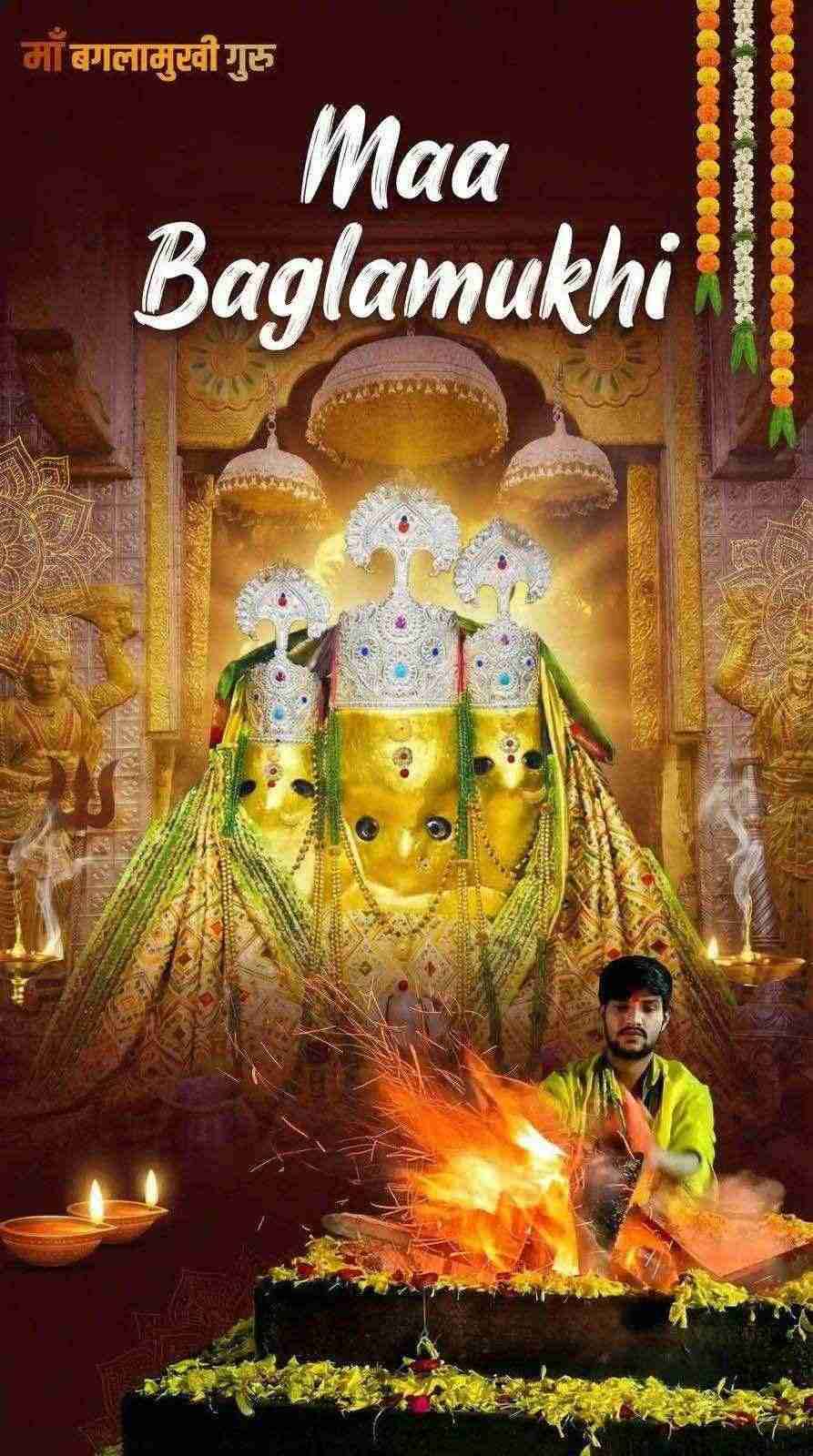
Nalkheda, in Madhya Pradesh, is home to the Maa Baglamukhi Siddha Peeth, and devotional activity around Navratri, including Ashtami, increases here as both local families and visiting devotees perform their Puja, Kanya Puja and, for those with a specific Sankalp, priest-guided Baglamukhi Puja or Havan.
For devotees who cannot travel to Nalkheda for Ashtami itself, priest-guided Puja and Havan arrangements allow a Sankalp to be carried out in the devotee's name by an Acharya at the Nalkheda Siddha Peeth. This is a genuinely offered service on this website, and devotees are encouraged to confirm current availability and Muhurat directly at the time of booking rather than assuming a fixed schedule. This article does not repeat unverified historical claims, miracle stories or superlative descriptions about the temple; for the fuller Navratri 2026 calendar and day-by-day worship guide connected to Nalkheda, see the complete Sharad Navratri 2026 page.
Common Ashtami Puja Mistakes
Confusing Ashtami and Navami dates instead of checking the actual Tithi timing for the year.
Ignoring the local Panchang and assuming a nationwide Muhurat applies everywhere.
Using an incorrect or outdated Muhurat carried over from a previous year.
Treating one regional tradition, such as performing Kanya Puja only on Ashtami, as a universal rule.
Missing essential Samagri such as Roli, Akshat or Bhog ingredients due to late preparation.
Setting up an unsafe, poorly ventilated Havan if attempting one at home.
Confusing Maa Mahagauri, the Navadurga form, with Maa Baglamukhi, a separate Dash Mahavidya.
Making exaggerated claims about guaranteed results from Ashtami worship.
Ashtami Day Checklist
Ashtami Tithi verified against the current Panchang
Local Muhurat checked for your city
Puja area cleaned and altar arranged
Puja Samagri ready
Bhog prepared
Kanya Puja arrangements ready, if applicable
Havan Samagri ready, if applicable
Prasad ready
Aarti items ready
Navami timing checked for the day after
Frequently Asked Questions
When is Navratri Ashtami in 2026? Durga Ashtami, also called Maha Ashtami, falls on Monday, 19 October 2026, according to most Panchangs that use sunrise-based Tithi calculation.
What is the date of Durga Ashtami 2026? Durga Ashtami 2026 is on 19 October 2026. Some regional and Bengali calendars instead observe it on 18 October, so it is worth checking your family's Panchang.
When does Ashtami Tithi start in 2026? The Ashtami Tithi begins on the evening of 18 October 2026 and continues into the morning of 19 October, which is why 19 October is generally treated as the main day of observance.
When does Ashtami Tithi end? Most North Indian Panchangs place the end of Ashtami Tithi around 10:51 to 10:53 AM on 19 October 2026, after which the Navami Tithi begins.
Is Navratri Ashtami on 19 October 2026? Yes, for most Panchangs. Because of how the Tithi falls this year, both Ashtami and Navami are commonly placed on 19 October, though some traditions separate them across 18 and 20 October.
When does Navami begin? Navami begins immediately after Ashtami ends, around mid-morning on 19 October 2026, and continues into the following day for many Panchangs.
Is Kanya Puja performed on Ashtami or Navami? Both are common. Many North and Central Indian families perform it on Ashtami, while others perform it on Navami; there is no single rule that applies to every tradition.
Can Kanya Puja be done on Ashtami? Yes, Kanya Puja on Ashtami is one of the most widely followed traditions in North Indian households, particularly alongside the day's main Puja.
What is the Ashtami Puja Vidhi? The general sequence includes cleaning the Puja area, Sankalp, invoking Maa Mahagauri, offering flowers and Bhog, lighting a Diya, chanting prayers, Aarti, and, where part of the family tradition, Kanya Puja and Havan.
What Bhog is offered on Ashtami? Common Bhog includes Halwa, Puri and Kala Chana, along with seasonal fruits, and this combination is also the traditional meal served during Kanya Puja.
What is Ashtami Puja Samagri? Core items include Roli, Akshat, flowers, a Diya, incense, fruits, coconut, Chunri and Bhog ingredients, with Havan Samagri added only if Havan is part of the day's worship.
Is Havan performed on Ashtami? Yes, by many families, though an equally common tradition reserves Havan for Navami instead; both practices are valid within Hindu tradition.
Should Havan be done on Ashtami or Navami? This depends on family and regional custom. Households that combine Kanya Puja and Havan on the same day often do both on Ashtami, while others perform Havan separately on Navami.
What is the Ashtami fasting rule? Devotees observing a nine-day Vrat generally continue fasting through Ashtami, with Parana usually timed to the completion of Navami rituals rather than to Ashtami itself.
When should Ashtami fast be broken? Most traditions break the fast after Navami worship is complete, though some regional customs break it after Ashtami-day rituals if Kanya Puja and Havan are both performed that day.
Who is worshipped on Navratri Ashtami? Maa Mahagauri, the eighth of the nine Navadurga forms, is worshipped on Ashtami, alongside the broader worship of Maa Durga.
What is the significance of Maa Mahagauri? According to tradition, Maa Mahagauri represents purity and calm strength, and her worship on Ashtami is associated with seeking forgiveness for past errors and inviting peace into the home.
Can Ashtami Puja be performed at home? Yes, a complete Ashtami Puja, including Kanya Puja, can be performed at home with basic Samagri, without needing a priest, though many families prefer priest guidance for Havan or more elaborate rituals.
Can Maa Baglamukhi Puja be performed during Navratri Ashtami? Yes, some devotees combine a separate, dedicated Maa Baglamukhi Puja or Havan with their Navratri observance, though this is distinct from standard Ashtami Navadurga worship centred on Maa Mahagauri.
What is the difference between Ashtami and Navami? Ashtami is the eighth day, dedicated to Maa Mahagauri, while Navami is the ninth and final day, dedicated to Maa Siddhidatri; both days can include Kanya Puja and Havan depending on family tradition, and in 2026 they largely fall on the same civil date for most Panchangs.
Plan Your Maa Baglamukhi Puja During Navratri
If your Ashtami plans this year include a dedicated Maa Baglamukhi Puja, Havan or Anushthan alongside your regular Navratri worship, Maa Baglamukhi Guru offers priest-guided rituals conducted by Acharya Pandit Vishnu Sharma at the Siddha Peeth in Nalkheda, Madhya Pradesh. Whether you want a focused Puja, a Havan timed around the Ashtami-Navami window, or a multi-day Anushthan, arrangements can be made either in person at Nalkheda or remotely for devotees who cannot travel during the festival. Every ritual is explained honestly, with Dakshina based on the scale of chanting and materials involved, and without exaggerated promises of guaranteed outcomes. If you would like to plan your Ashtami worship or Havan for this Navratri, you can review the available options and book your Puja or Havan with the Nalkheda team.