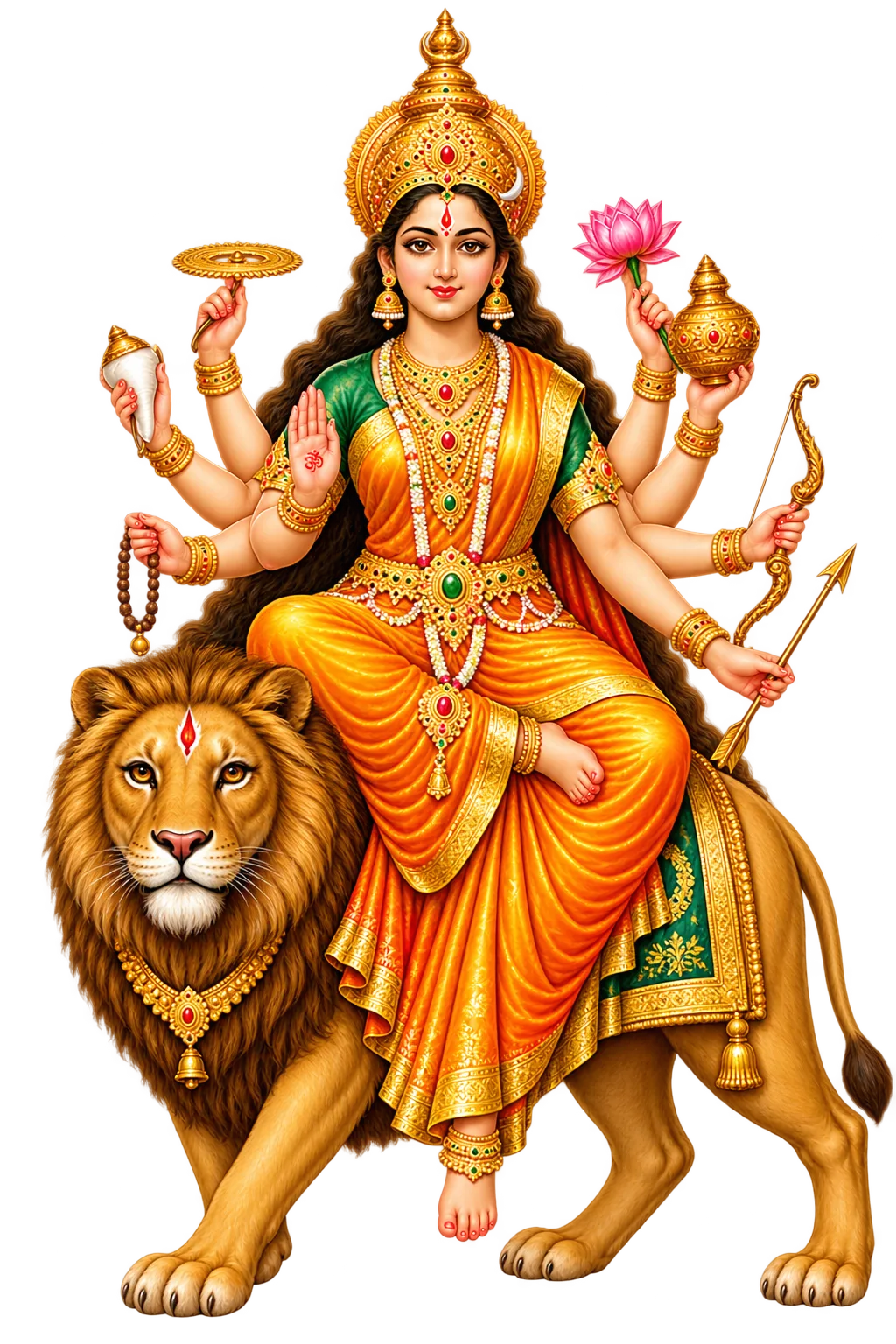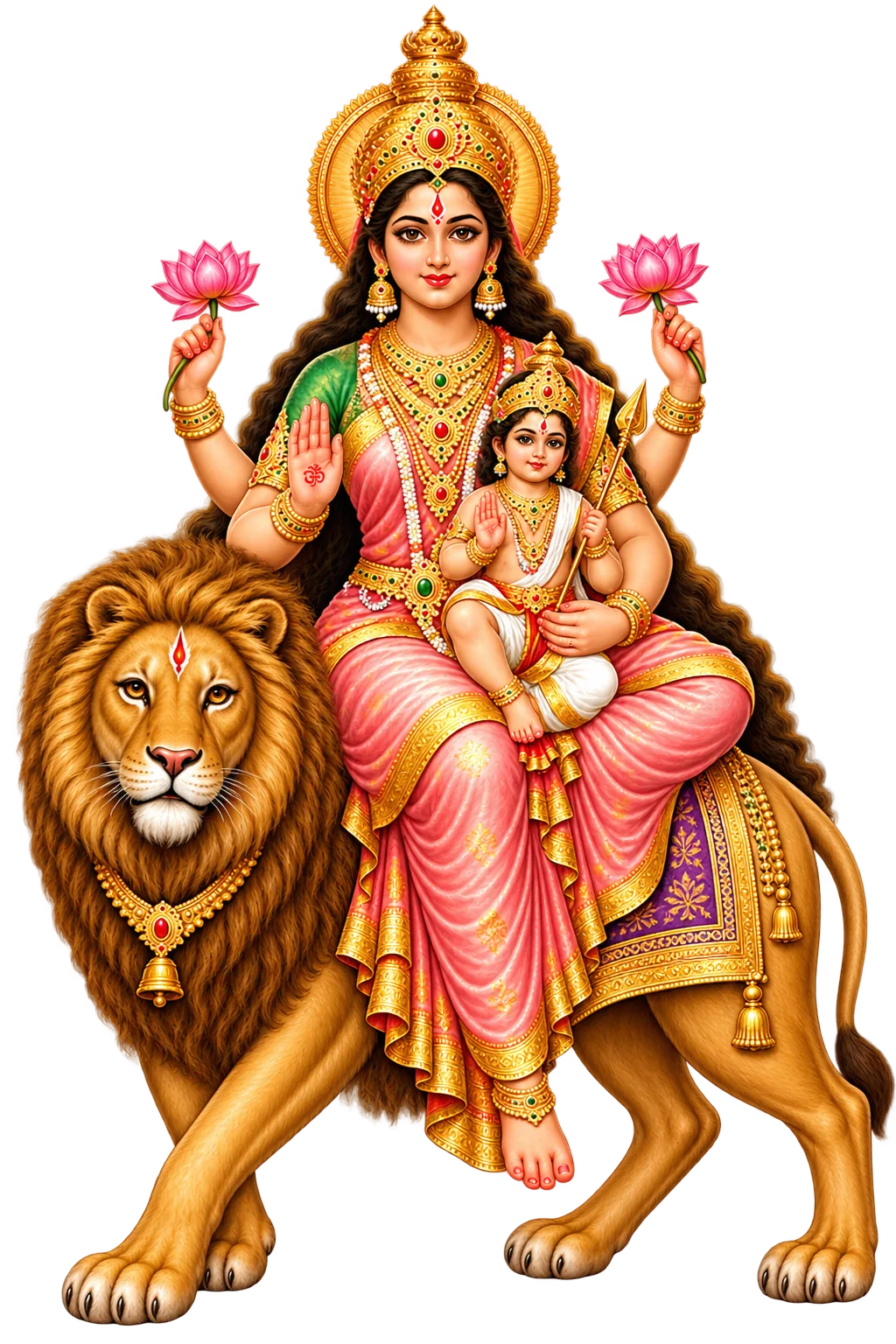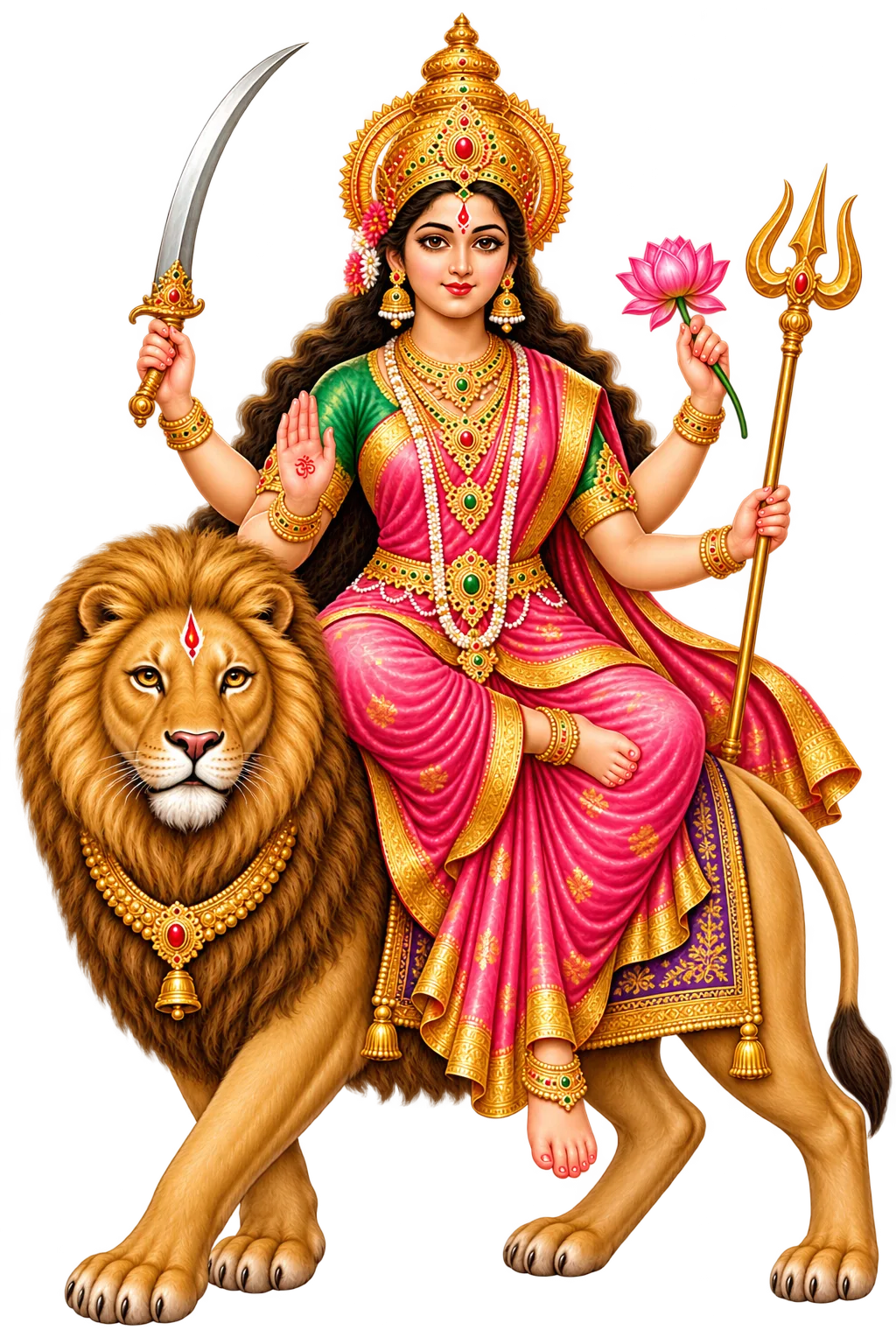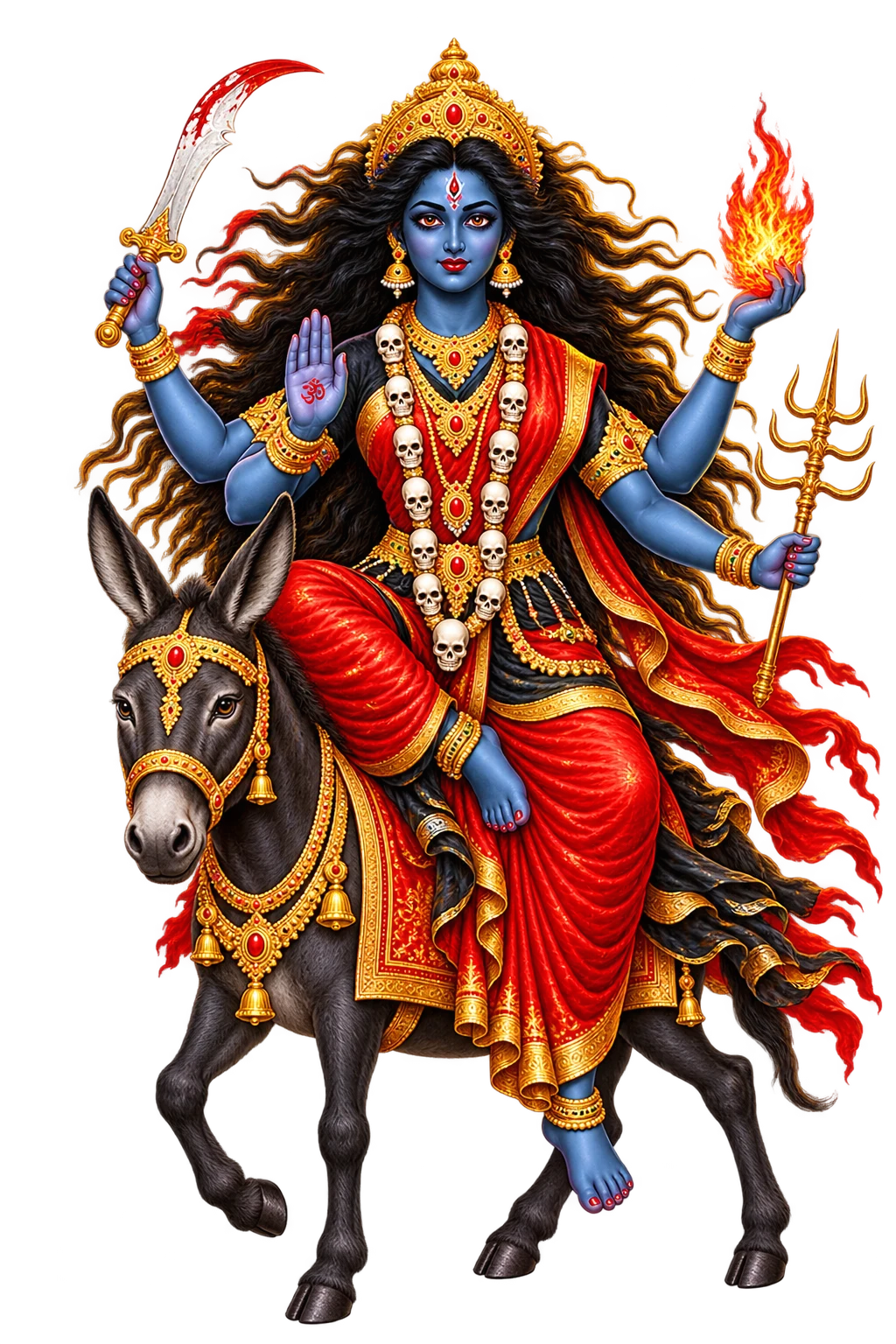
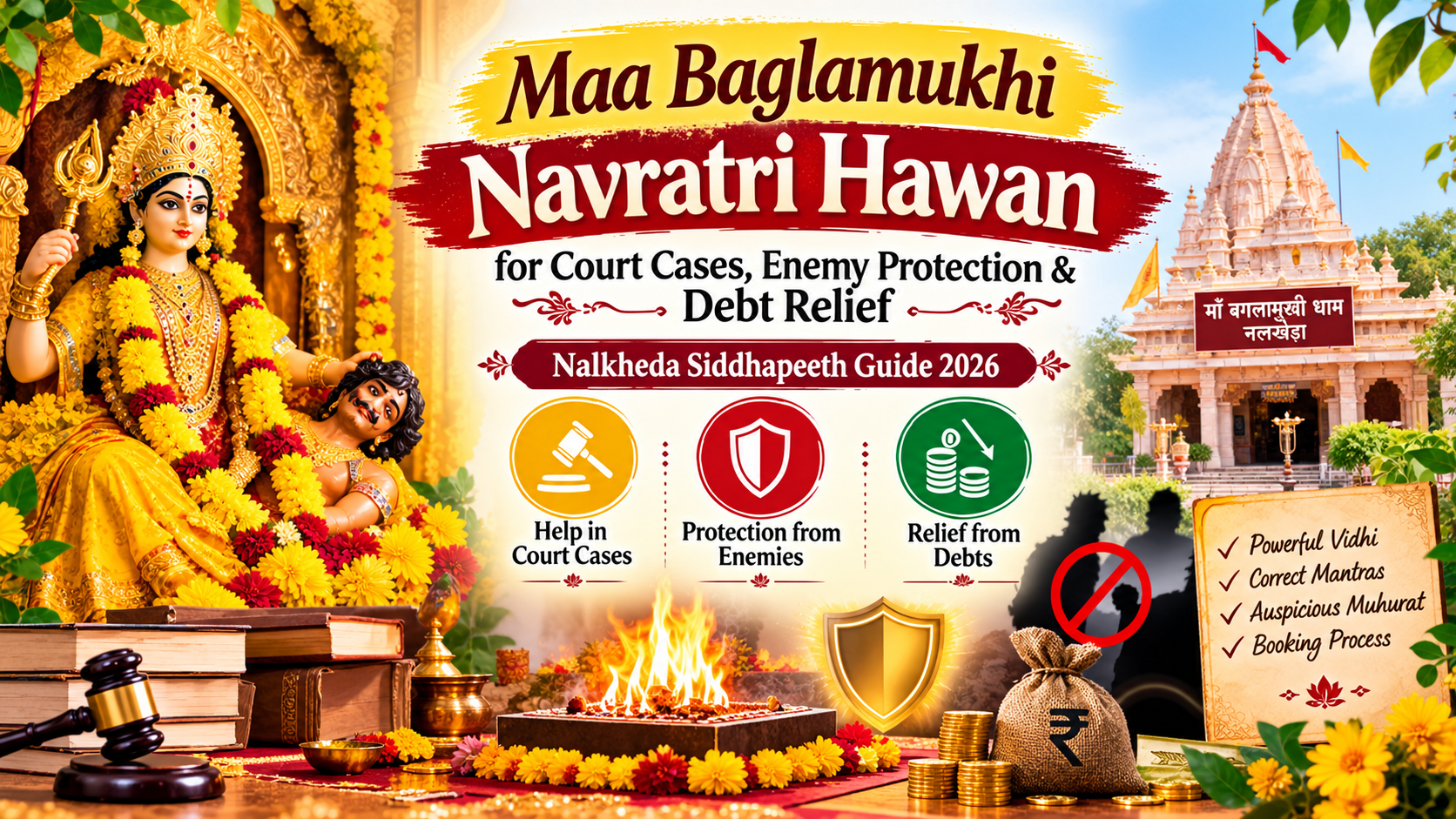
Facing protracted court litigation, interpersonal hostility, or overwhelming financial debt can leave an individual feeling completely drained, emotionally isolated, and uncertain about the future. When worldly efforts seem stuck in endless delays, many devotees turn toward the sacred traditions of Sanatana Dharma to seek inner equilibrium, moral fortitude, and divine grace. Within the Shakta tradition, Maa Baglamukhi is revered as the eighth Mahavidya, embodying the supreme power of Stambhan (the stillness of negative impulses, speech, and harmful intent).
During Shardiya Navratri, when the divine feminine energy is venerated across the country, devotees often turn to Maa Baglamukhi worship to find spiritual solace. Many choose to visit or connect with the ancient Maa Baglamukhi Siddha Peeth located at Nalkheda in Madhya Pradesh, a sacred pilgrimage site long associated with intense spiritual sadhana and Vedic Hawan rituals.
Whether an individual is navigating an unresolved legal dispute, feeling unsettled by workplace hostility, or working through distressing financial pressure, a traditional Hawan serves as an intentional prayer for clarity, righteousness, and spiritual shelter. This comprehensive guide outlines the traditional significance of Maa Baglamukhi Hawan during Shardiya Navratri 2026, what scriptural traditions say regarding legal and financial challenges, how rituals are organized at Nalkheda Siddhapeeth, and the practical steps required to enquire about authentic arrangements through online puja booking.
Quick Answer: Maa Baglamukhi Navratri Hawan for Court Cases, Protection and Debt Concerns
Maa Baglamukhi is traditionally associated with Stambhan Shakti in Hindu devotional traditions, representing the power to silence hostility, immobilize negativity, and bring mental stillness during periods of deep crisis. Devotees often seek her divine blessings when facing complex legal disputes, persistent interpersonal conflicts, or heavy financial stress.
Shardiya Navratri is widely regarded as a sacred period for Devi worship, although the precise ritual date and Muhurat depend on individual family tradition, Tithi calculations, and priest guidance. Prior to scheduling any ritual, devotees should confirm the specific Hawan procedure, materials, priest availability, Dakshina, and booking requirements directly with an established service provider.
Most importantly, spiritual worship is an act of faith, self-reflection, and prayer. A Vedic Hawan does not guarantee legal verdicts or financial windfalls, and it must never replace qualified legal counsel, formal financial planning, or professional consultation.
Maa Baglamukhi and Her Traditional Spiritual Significance
To understand why devotees seek the shelter of Maa Baglamukhi during times of severe adversity, one must explore her place within the Shakta philosophical framework. Maa Baglamukhi is the eighth manifestation among the Dashamahavidyas (the ten wisdom goddesses of Tantra and Vedic philosophy). While deities like Maa Tripura Sundari represent transcendent beauty and Maa Bhuvaneshwari embodies cosmic space, Maa Baglamukhi represents the concentrated power of divine justice, stillness, and speech control.
The Theological Meaning of Stambhan Shakti
The word Stambhan derives from the Sanskrit root meaning to freeze, immobilize, restrain, or bring to a complete standstill. In popular folklore, Stambhan is sometimes misunderstood as an aggressive or mystical weapon. However, classical texts like the Sankhyayana Tantra and Baglamukhi Rahasya explain that Stambhan is an internal and defensive spiritual force.
It signifies three key spiritual dimensions:
Vak Stambhan: The silencing of slander, falsehood, deceit, and malicious speech.
Buddhi Stambhan: The calming of an agitated, fearful intellect to restore wisdom and clarity.
Shatru Stambhan: The peaceful neutralizing of external hostility through defensive shielding, without causing harm.
Devotees revere her as Pitambara Devi, the golden goddess adorned in yellow garments, seated on a golden throne in the midst of an ocean of nectar (Sudha Samudra). Her golden radiance represents spiritual purity, wisdom, and unyielding truth.
Devotional Approach and Realistic Expectations
Scriptural traditions emphasize that Maa Baglamukhi worship requires utmost reverence, truthfulness, and ethical intention. She is the protector of Satya (truth) and Dharma (righteous conduct). Devotees are taught to approach her altar not with malice or a desire to harm competitors, but with humility, asking for the protection of their dignity, the preservation of truth, and the strength to endure challenging life tests.
Why Do Devotees Consider Maa Baglamukhi Hawan During Navratri?
Navratri represents the divine cycle of nine nights when cosmic feminine energy is at the forefront of Hindu ritual observance. While millions of households perform general Devi prayers, fasting, and Kalash worship, individuals facing acute trials often choose this sacred nine-day window to participate in targeted spiritual observances.
The traditional progression of this worship follows a clear path:
A devotee facing uncertainty turns to the sacred nine nights of Navratri.
The devotee takes a formal Sankalp (a conscious prayer of intent for truth, peace, and clarity).
Qualified priests perform Vedic fire offerings (Hawan) at an established Peeth or consecrated shrine.
The devotee attains inner calmness, spiritual fortitude, and emotional resilience to face worldly challenges.
The Central Role of the Sankalp
In any Vedic fire sacrifice, the ritual takes its spiritual direction from the Sankalp (a formal, conscious declaration of intent). When a devotee arranges a Navratri Hawan, the Acharya recites the devotee's name, Gotra, location, and the specific nature of their spiritual request before the consecrated fire.
During Navratri, the atmosphere is spiritually focused, making it a natural time for devotees to take a vow of discipline, pray for the peaceful resolution of disputes, and offer oblations of yellow mustard, turmeric, and pure ghee into the sacred fire. However, the exact day and timing of such an offering must be decided in consultation with experienced priests who understand Panchang nuances.
If you are evaluating whether an intensive ritual is appropriate for your specific circumstances during this festive season, you can review our verified service options and consult experienced priests regarding scheduling.
Maa Baglamukhi Hawan for Court Cases and Legal Difficulties
One of the most common reasons devotees seek out Maa Baglamukhi worship is the presence of prolonged legal disputes, civil litigation, divorce conflicts, false criminal allegations, or property arbitration.
Legal battles often involve severe psychological trauma, public humiliation, financial drainage, and years of uncertainty. In these trying moments, the human spirit seeks higher reassurance.
Traditional Devotional Associations with Legal Matters
Historically, Maa Baglamukhi has been associated with victory in debates, legal hearings, and contested assemblies. In sacred lore, she holds the tongue of the demon Madansur while subduing him with her mace, symbolizing the silencing of deceitful words and the triumph of truthful speech.
When a devotee participates in a court case puja, the devotional prayer is framed around:
Seeking clarity of thought to present the case truthfully and effectively.
Neutralizing false testimonies, biased evidence, and fabricated allegations.
Removing unnecessary procedural adjournments through a focused court case delay solution.
Praying that judges, arbitrators, and legal representatives discern the truth without prejudice.
Critical Legal Disclaimer: Faith vs Professional Legal Work
It is vital to maintain clear boundaries between religious faith and legal responsibility. A Vedic Hawan or mantra japa:
Does not influence the legal judicial process directly or manipulate a court verdict.
Does not replace the need for an experienced, qualified attorney.
Does not waive the necessity of thorough document verification, evidence gathering, and court appearances.
Spiritual rituals provide emotional resilience, courage, and peace of mind during moments of acute stress. Devotees should always work closely with competent legal counsel while continuing their personal spiritual prayers for justice and fair resolution.
Maa Baglamukhi Puja for Protection and Dispute-Related Concerns
Hostility can take many forms: bitter corporate rivalries, family property friction, aggressive neighbors, or continuous professional jealousy. In traditional Indian thought, these conditions are often described as Shatru Badha (obstacles caused by adversaries) or Nazar Dosh (malefic energetic envy).
Spiritual Protection vs Physical Threats
Spiritual Remedy Approach:
Reciting protective chants like the Baglamukhi Kavach or Mool Mantra.
Cultivating emotional self-control, patience, and non-aggression during provocation.
Building inner spiritual fortification against fear, paranoia, and sleeplessness.
Practical Protocol for Real Threats:
Documenting written threats, unlawful harassment, property encroachment, or extortion.
Involving community mediators, legal experts, or law enforcement authorities.
Never relying on spiritual prayer alone when physical personal safety is compromised.
Understanding Spiritual Protection
In authentic Vedic philosophy, performing a shatru vinash puja is never about wishing physical harm, illness, or death upon an opponent. True Shakta practice explicitly forbids invoking divine energy for revenge, malicious destruction, or harm to another person's family. Doing so brings severe negative karmic reactions upon the practitioner.
Instead, the traditional prayer in a Baglamukhi ritual seeks:
Protection from Unprovoked Harm: Preventing unjustified attacks on one's livelihood, character, or family safety.
Dispelling Hostile Intent: Causing the adversary's aggressive impulses to subside naturally, leading to peaceful disengagement.
Removing Internal Paranoia: Eliminating constant fear, sleeplessness, and psychological anxiety caused by ongoing tensions.
Practical Steps for Real-World Safety
If an individual is facing verifiable physical danger, extortion, domestic abuse, or stalking, they must immediately contact local law enforcement authorities and seek legal protection orders. A spiritual ritual must complement practical safety measures, never substitute for them.
Maa Baglamukhi Hawan for Debt and Financial Difficulties
Financial insolvency, crippling debt interest, business downturns, and loss of livelihood create severe emotional distress. In such situations, individuals often feel trapped and look for any avenue of spiritual reassurance.
The Role of Prayer During Financial Crisis
Devotees frequently enquire about a debt relief ritual to seek relief from unmanageable financial pressure. In the Shakta tradition, Maa Baglamukhi's Stambhan power is believed to help halt the continuous drainage of household wealth (Dhana Hani).
When undertaking a spiritual observance during times of financial hardship, a devotee's Sankalp traditionally focuses on:
Gaining intellectual clarity to manage debts and stop impulsive financial choices.
Creating an atmosphere of peace at home so rational discussions on debt restructuring can occur.
Overcoming unexpected business blockages, payment delays, or unfair trade practices.
Cultivating the discipline and perseverance needed to rebuild income sources gradually.
The Need for Practical Financial Discipline
A Vedic Hawan cannot magically erase bank loans, eliminate legal credit obligations, or guarantee lottery windfalls. Devotees facing severe debt should:
Consult certified financial advisors, credit counselors, or banking representatives.
Develop a realistic, strict household budget and open transparent communication with creditors.
Avoid taking high-interest informal loans to pay for expensive religious rituals.
Spiritual rituals should remain a source of moral comfort and focus, carried out within one's reasonable financial means without adding to existing debt.
What Is Maa Baglamukhi Hawan? Vidhi and Traditional Procedure
A Hawan (fire sacrifice) is an ancient Vedic ritual where consecrated oblations are offered into consecrated fire while chanting specific Vedic or Tantric mantras. In the worship of Maa Baglamukhi, the ritual follows specialized protocols handed down through monastic and priestly traditions.
The standard step-by-step procedure includes:
Shuddhi, Asana Sthapana & Guru Vandana: Complete physical purification of the worship area and seeking blessings from the spiritual lineage.
Formal Sankalp: Recording the devotee's legal name, Gotra, residence, and explicit prayer intentions.
Kalash & Navagraha Pujan: Propitiating planetary energies and invoking universal harmony.
Agni Sthapana & Consecration of Hawan Kund: Kindling the sacred fire with Vedic mantras and purifying the fire altar.
Ahuti Offerings: Offering prescribed yellow mustard, dried turmeric, and pure cow ghee into the fire with mantra recitations.
Purnahuti, Aarti & Kshama Prarthana: Performing the final coconut oblation, devotional songs, and asking forgiveness for any unintended procedural mistakes.
Specialized Offerings (Samagri)
Maa Baglamukhi is uniquely associated with yellow ingredients. Traditional offerings used during the Hawan include:
Yellow mustard seeds (Peeli Sarson).
Dry turmeric pieces (Haldi Gaanth).
Pure cow ghee.
Camphor, lotus seeds (Kamalgatta), and Guggal.
Puffed rice and sacred woods like mango or palash.
Note: Specific ritual procedures, mantra counts, and materials vary across different lineages and traditions. Devotees should always confirm the exact sequence with their chosen officiating priest.
Maa Baglamukhi Hawan During Shardiya Navratri 2026: Dates and Muhurat
Shardiya Navratri in 2026 falls in the month of Ashwin. The festival begins on Pratipada and concludes with Dussehra (Vijayadashami). Devotees seeking to organize a Maa Baglamukhi Hawan during this sacred window must confirm the specific Tithi and local sunrise timings before finalizing their plans.
Shardiya Navratri 2026 Calendar and Hawan Windows
Understanding Tithi Variations and Hawan Timing
Unlike standard Vedic home pujas that occur exclusively during early morning hours, certain Mahavidya fire rituals are traditionally scheduled during:
Abhijit Muhurat: A midday astrological window considered universally auspicious.
Nisha Kaal / Sandhi Kaal: The transition period between Ashtami and Navami, which tantric and priestly traditions view as particularly focused for peaceful Stambhan rituals.
Because exact Muhurat timings fluctuate based on geographic latitude and longitude, devotees should cross-check local Panchang data or confirm exact timings with their presiding priest prior to scheduling.
Why Do Devotees Visit Nalkheda for Maa Baglamukhi Worship?
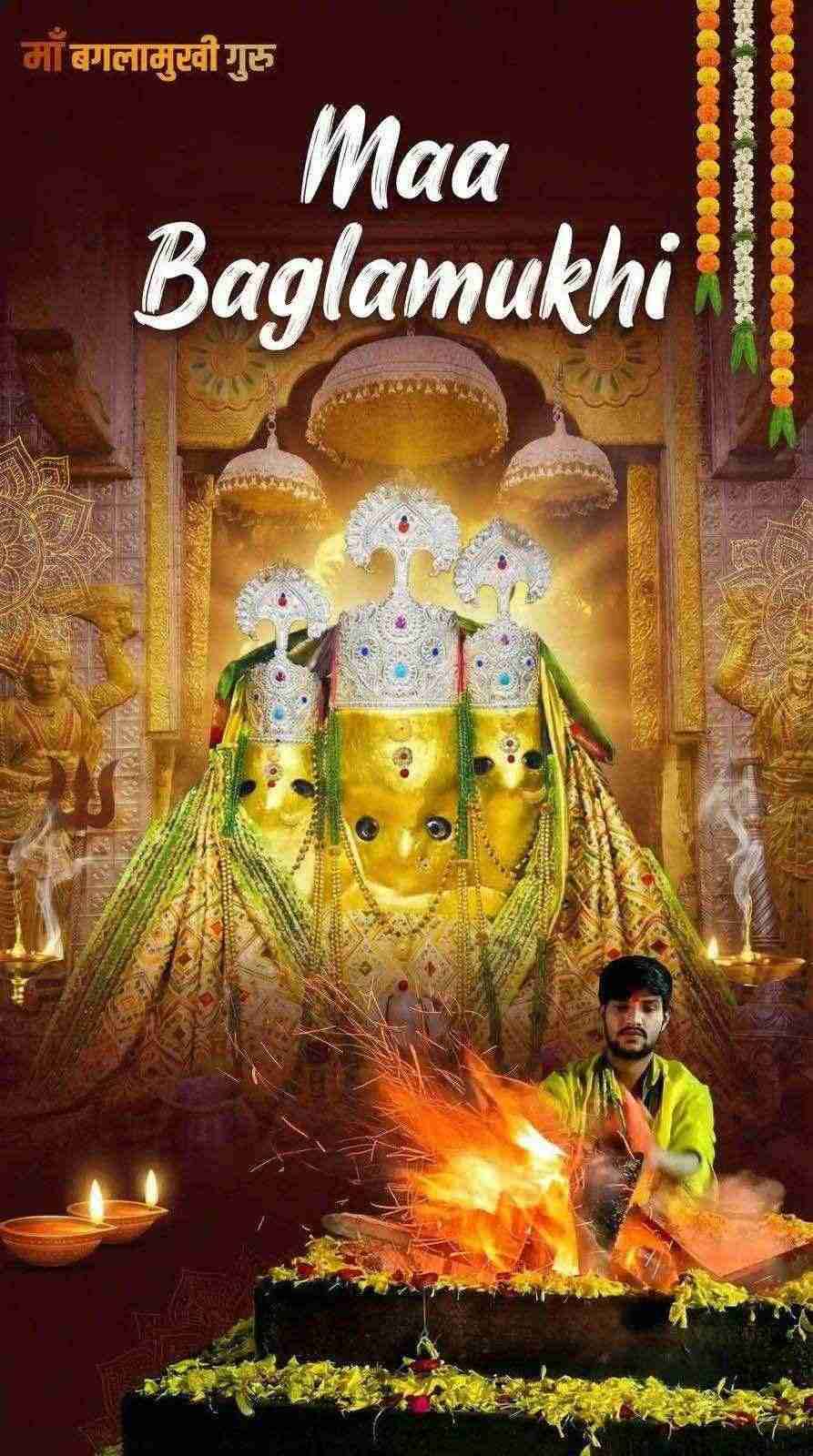
Located along the banks of the sacred Lakhundar River in the Agar Malwa district of Madhya Pradesh, Maa Baglamukhi Mandir, Nalkheda stands as one of India's most renowned Shakti pilgrimage centers.
Key Highlights of Nalkheda Siddhapeeth
Geographical Location: Situated on the banks of the Lakhundar River, District Agar Malwa, Madhya Pradesh.
Traditional Spiritual Status: Revered as an ancient, swayambhu (self-manifested) Siddha Peeth dating back centuries.
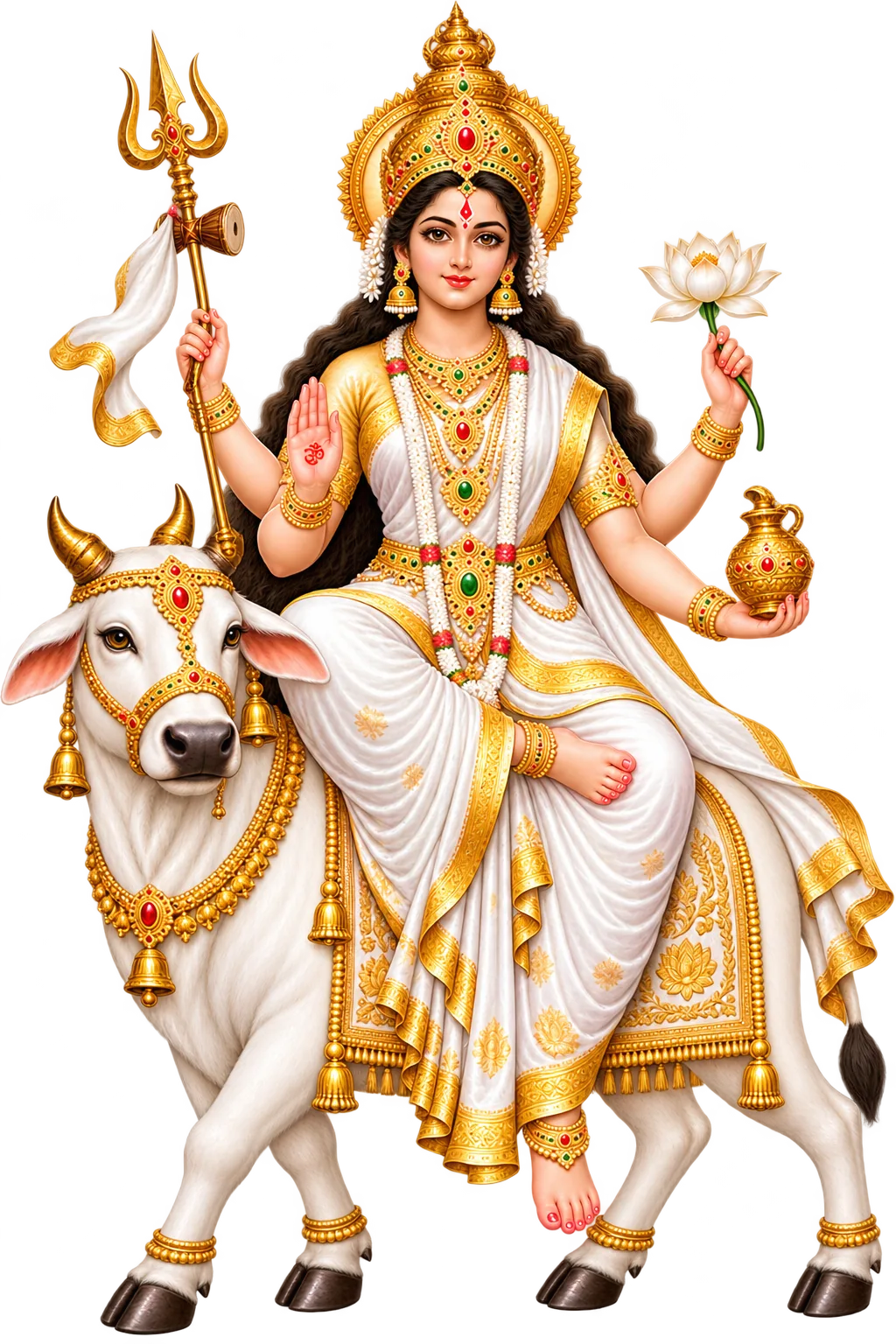
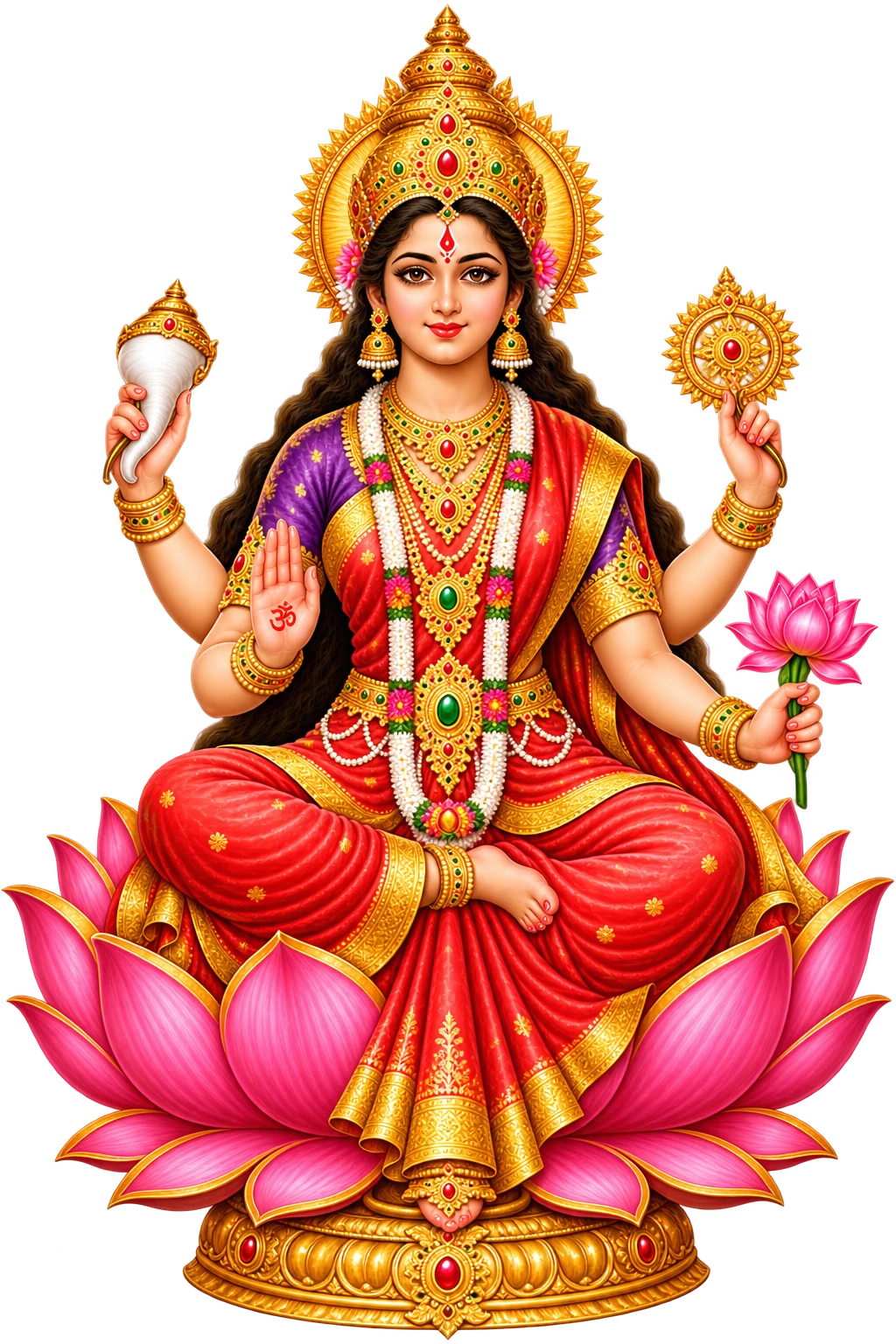
Unique Iconography: Features a rare Trishakti presence where Maa Baglamukhi, Goddess Mahalakshmi, and Goddess Mahasaraswati are enshrined together.
Ancient Hawan Kunds: Renowned for specialized open-air fire altars where unbroken fire rituals have been performed continuously across generations.
Regional Travel Distance: Approximately 98 kilometers from Ujjain and 58 kilometers from Shajapur.
Temple Darshan vs Private Hawan Booking
Devotees traveling to Nalkheda must understand the distinction between general temple darshan and private ritual arrangements:
General Temple Darshan: Open to all pilgrims visiting the sanctum sanctorum during temple operating hours. The official temple grounds are managed by the government-constituted administrative committee (Shaskiya Maa Baglamukhi Mandir Prabandh Samiti).
Private Hawan & Anushthan: Independent Vedic priests and traditional Acharyas residing in Nalkheda facilitate personalized Hawan ceremonies, Sankalps, and multi-day Anushthans in dedicated Hawan Shalas near the temple precinct.
If you are planning to visit the temple in person during Navratri, check our Nalkheda pilgrimage guide to confirm local travel arrangements, accommodation, and crowd advisories.
Maa Baglamukhi Hawan vs Puja vs Anushthan
Devotees frequently encounter terms like Puja, Hawan, and Anushthan and wonder which option corresponds best to their personal circumstances. The table below outlines the core differences:
No single ritual format is universally superior. A sincere, simple Puja performed with pure devotion can provide deep peace, while a large Anushthan requires extensive planning and financial commitment. Devotees should choose based on their practical capacity and sincere devotional need.
Can You Enquire About Maa Baglamukhi Hawan Online?
In an interconnected world, many devotees residing in major metropolitan centers or living overseas as NRIs cannot travel physically to Nalkheda during Navratri due to work, visa, or health constraints. Many established Acharyas and service portals offer structured remote enquiry and booking services.
The remote enquiry process follows five straightforward steps:
Selecting the Ritual Focus: Identify whether the prayer relates to legal matters, personal protection, or general spiritual balance.
Submitting Devotee Details: Provide your legal name, Gotra (ancestral lineage), current residence, and the specific prayer intent.
Confirming the Date and Muhurat: The officiating priest checks the Panchang and assigns a suitable Navratri day.
Sankalp Participation: On the scheduled day, the devotee joins a live video connection or holds water and flowers at home while the priest recites their Sankalp at Nalkheda.
Prasad Delivery: Following completion of the fire ritual, energized items like sacred ash (Bhasma), yellow raksha sutra, and dry Prasad are couriered to the devotee's physical address.
Devotees interested in learning about available dates, priest scheduling, and remote participation options can submit an inquiry through the verified online booking portal.
What Should You Confirm Before Booking a Maa Baglamukhi Hawan?
Before making financial commitments or finalizing arrangements for any spiritual service, every devotee should exercise due diligence. Use this practical 10-point checklist:
Exact Category of Ritual: Confirm whether the service is a simple Aarti, a standard Hawan, or an extended multi-day Anushthan.
Total Mantra Count: If booking an Anushthan, confirm the promised number of mantra chants (such as 11,000, 36,000, or 125,000).
Number of Participating Priests: Ask how many qualified Brahmins will sit for the chanting and fire offerings.
Accurate Gotra and Name Details: Ensure your personal details are properly recorded for the formal Sankalp.
Total Cost and Dakshina: Ask for a clear breakdown of costs, covering priest honorarium, Hawan Samagri, flowers, and courier charges.
Expected Duration and Timing: Know the start and completion time of the ritual.
Mode of Participation: Understand whether you need to join via video call, phone audio, or if a recording will be shared post-ritual.
Physical Code of Conduct: Ask the priest what personal disciplines you should follow at home during the ritual day (e.g., fasting, vegetarianism, celibacy).
Prasad and Delivery Logistics: Check the timeline and domestic or international courier arrangements for ritual Prasad.
Rescheduling Policy: Ask what happens if unforeseen domestic emergencies necessitate shifting the chosen date.
Important Considerations Before Choosing a Spiritual Remedy
Spiritual practices are deeply personal expressions of faith and tradition. However, in vulnerable moments, people can easily fall victim to superstitious exploitation or financial deception. Please consider the following ethical and practical guidelines:
Reject Guaranteed Outcomes: No genuine priest or astrologer can guarantee a legal court victory, complete debt cancellation, or instantaneous wealth.
Beware of Fear Tactics: Avoid any practitioner who claims your family is under an immediate death curse to demand urgent, exorbitant sums of money.
Keep Financial Boundaries: Never borrow money, take high-interest loans, or liquidate essential assets to fund an expensive religious ritual.
Honor Professional Roles: Continue consulting certified attorneys for legal disputes and qualified financial planners or bankers for debt management.
Voluntary Devotion: Authentic worship is based on peace of mind, reverence, and free personal will.
Devotional fire sacrifices should bring solace, mental peace, and renewed hope. Approach them with an open heart, clear boundaries, and grounded common sense.
Frequently Asked Questions About Maa Baglamukhi Navratri Hawan
1. What is Maa Baglamukhi Hawan?
Maa Baglamukhi Hawan is a traditional sacred fire ritual in the Shakta tradition where offerings of yellow mustard, sesame, turmeric, and pure ghee are made into consecrated fire accompanied by specific mantras. It is performed to invoke divine protection, mental clarity, and peace during life crises.
2. Can Maa Baglamukhi Hawan be performed during Navratri?
Yes. Shardiya Navratri is widely considered one of the most auspicious periods for all forms of Devi worship, including Mahavidya rituals. Devotees often choose the sacred nine days to perform special Sankalps.
3. Which day is most suitable for Maa Baglamukhi Hawan during Navratri?
While any Navratri day can be utilized based on family tradition, Maha Saptami, Maha Ashtami (specifically the Sandhi Puja window), and Maha Navami are traditionally preferred for intensive fire rituals.
4. Is Maa Baglamukhi Puja traditionally associated with court-case difficulties?
Yes. In traditional Hindu lore, Maa Baglamukhi is revered as the deity of Stambhan (silencing falsehood and immobilizing deceit). Devotees traditionally pray to her for moral courage, fair hearings, and the peaceful resolution of legal disputes.
5. Does performing a Hawan guarantee a favourable court verdict?
No. A religious ritual is an act of spiritual faith, not a legal instrument. It does not manipulate the judicial process or guarantee any verdict. Devotees must always rely on qualified legal representation and truthful legal presentations.
6. Can Maa Baglamukhi Puja be performed for protection against enemies?
Yes. Devotees traditionally seek her protection against malice, unprovoked hostility, and professional jealousy. Scriptural tradition emphasizes defensive spiritual shielding rather than causing physical harm to opponents.
7. Does Maa Baglamukhi worship encourage revenge against adversaries?
No. Authentic Vedic and Shakta scriptures strictly forbid invoking divine energy for revenge, violence, or harm. Prayers are meant to neutralize negativity and restore ethical balance, not inflict injury.
8. Can Baglamukhi Puja help devotees facing heavy debt and financial stress?
Spiritual worship provides inner discipline, mental calmness, and reassurance during financial stress. However, it does not erase debt or replace practical financial planning, debt restructuring, and responsible budgeting.
9. What is the difference between a Baglamukhi Puja and a Hawan?
A Puja involves direct prayers, offerings of flowers, incense, food, and chanting before an idol or yantra. A Hawan involves offering sacred herbal ingredients into consecrated fire (Agni) accompanied by mantra oblations.
10. What is the difference between a Hawan and an Anushthan?
A Hawan is typically a single-day fire ritual lasting a few hours. An Anushthan is a disciplined multi-day spiritual observance (often spanning 5, 7, 9, or 11 days) involving fixed mantra repetitions, strict fasting, and concluding fire sacrifices.
11. Can Maa Baglamukhi Hawan be arranged at Nalkheda?
Yes. Nalkheda in Madhya Pradesh is a celebrated Siddha Peeth dedicated to Maa Baglamukhi. Qualified local priests facilitate traditional Hawans and Anushthans in dedicated ritual spaces near the temple precinct.
12. Can a devotee participate in a Nalkheda Hawan remotely?
Yes. Devotees who cannot travel physically can arrange remote participation where their name and Gotra are included in the Sankalp, with live video feeds or recorded updates provided by the officiating priests.
13. What details are required to take a Hawan Sankalp?
To take an authentic Sankalp, the devotee must provide their full legal name, Gotra (ancestral lineage), current city of residence, and the specific nature of their spiritual prayer.
14. What should a devotee do if they do not know their Gotra?
If a devotee does not know their ancestral Gotra, traditional priestly convention uses the universal Kashyapa Gotra for the Sankalp invocation.
15. How can I confirm the cost of a Maa Baglamukhi Hawan?
Costs vary based on the duration, quantity of materials, number of participating priests, and mantra counts. Devotees should request a written, transparent cost breakdown directly from the service provider before booking.
16. Can NRI devotees living abroad book a Maa Baglamukhi Hawan?
Yes. International devotees living in the USA, UK, Canada, Australia, and other countries regularly book remote Hawans with time-zone adjustments for their live video Sankalp.
17. What personal rules should a devotee follow on the day of the Hawan?
Devotees are advised to observe personal cleanliness, take a morning bath, wear clean yellow or traditional clothes, observe a vegetarian diet, refrain from alcohol and tobacco, and maintain celibacy on the ritual day.
18. Can spiritual rituals replace professional legal or financial advice?
Never. Spiritual rituals provide psychological resilience, peace of mind, and religious comfort. They must never be treated as substitutes for certified attorneys, chartered accountants, financial planners, or medical doctors.
Conclusion and Summary of Spiritual Guidance
The journey through acute litigation, persistent opposition, or heavy financial hardship is undeniably exhausting. Navratri offers a sacred annual opportunity to pause, take stock of one's spiritual center, and seek shelter under the benevolent gaze of the Divine Mother.
Maa Baglamukhi's eternal message is one of truth, mental stillness, and moral fortitude. When approaching her sacred fire at Nalkheda Siddha Peeth, let your prayers be grounded in righteousness, humility, and faith in the ultimate triumph of justice.
Looking to enquire about Maa Baglamukhi Hawan during Navratri 2026? Contact the service team to confirm the available ritual options, suitable dates, Sankalp requirements, and booking details by visiting our online booking page or reaching out through our official contact page.