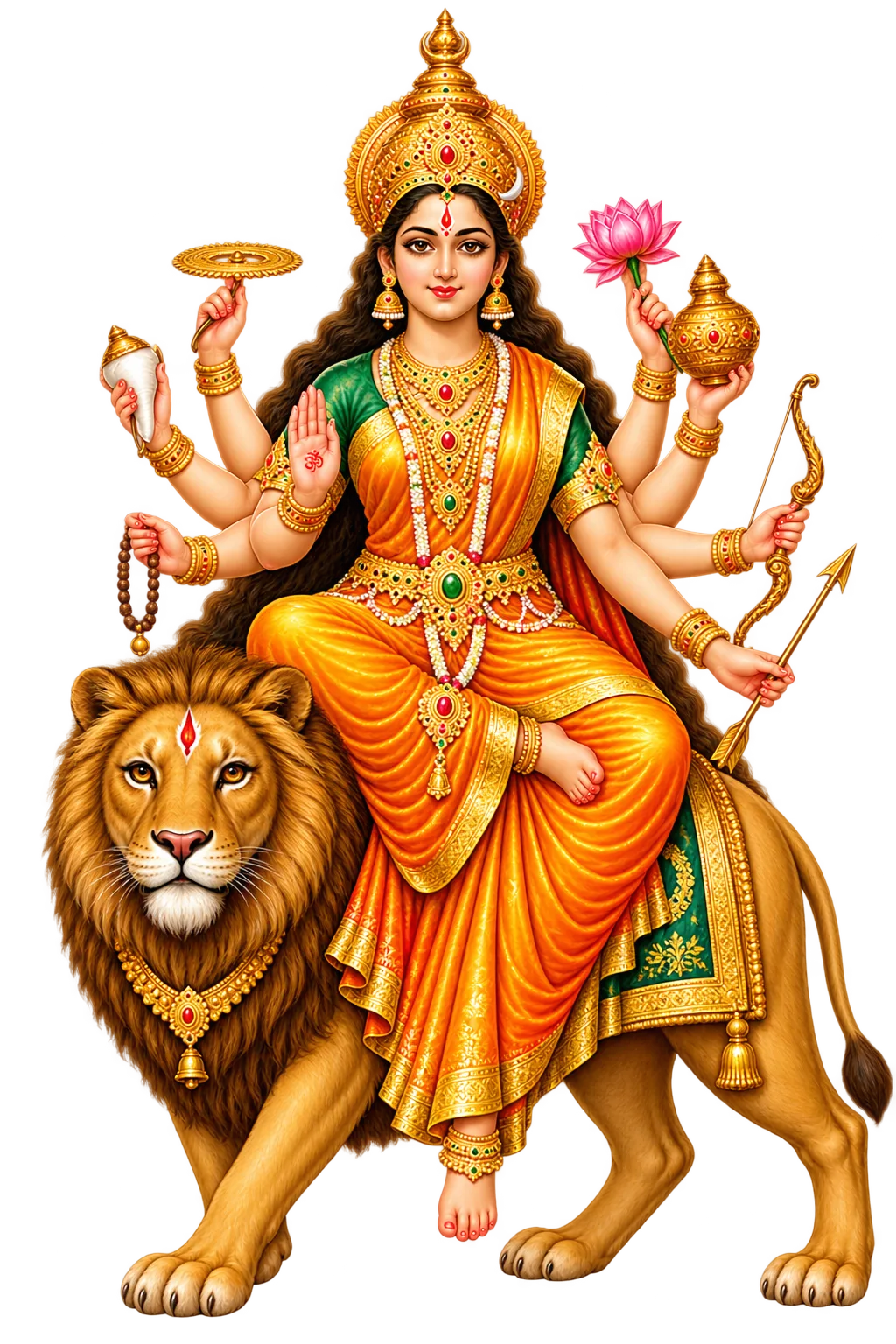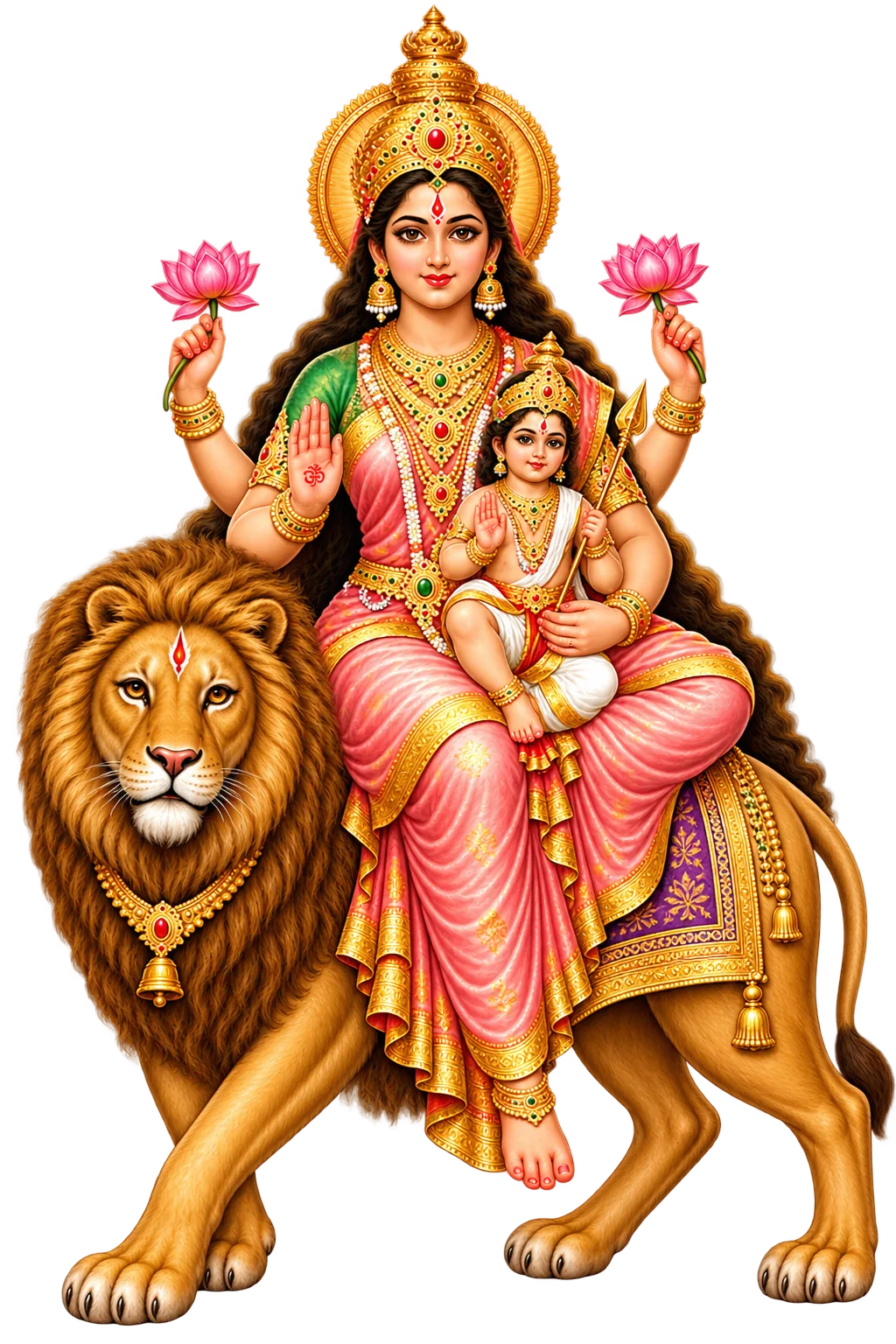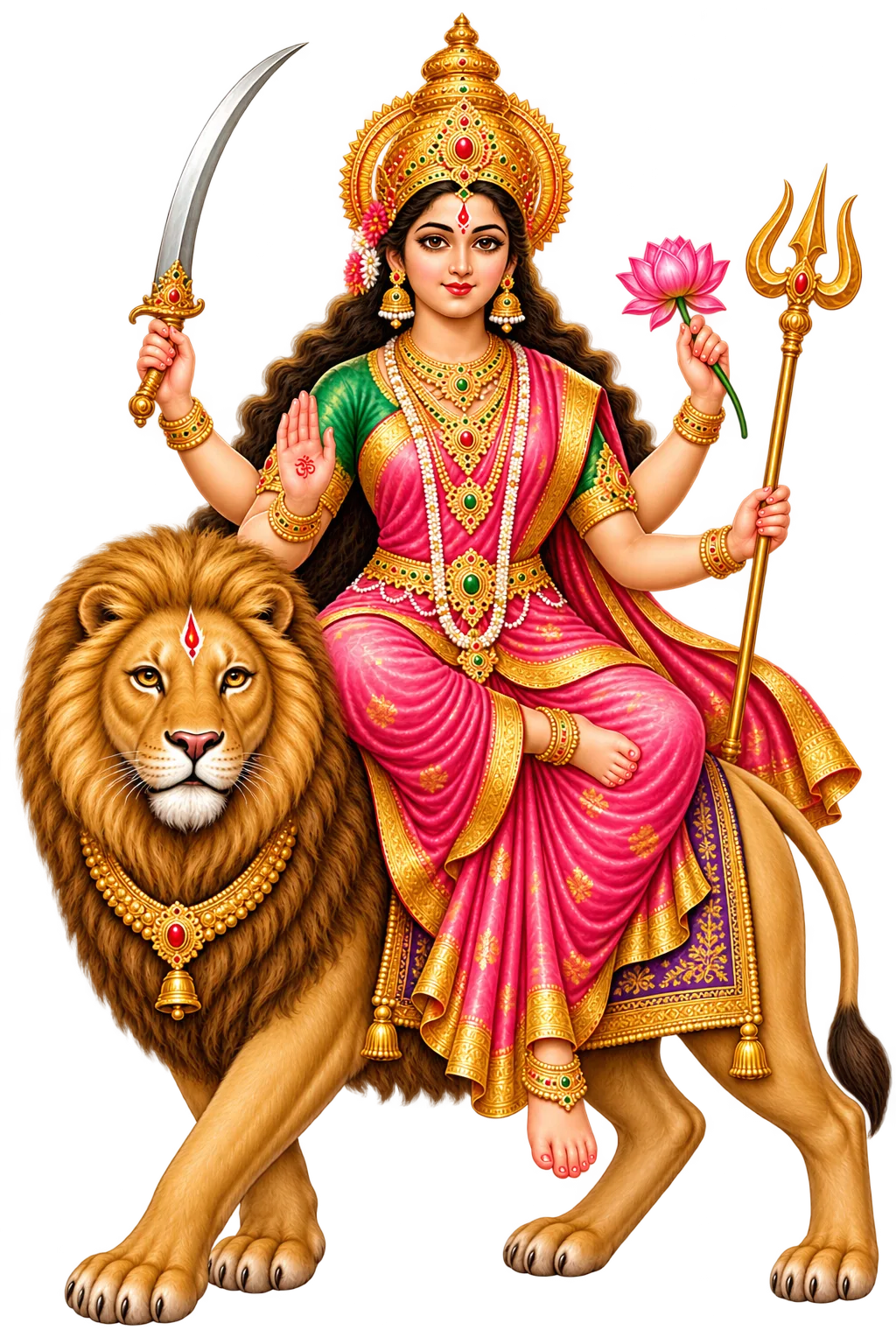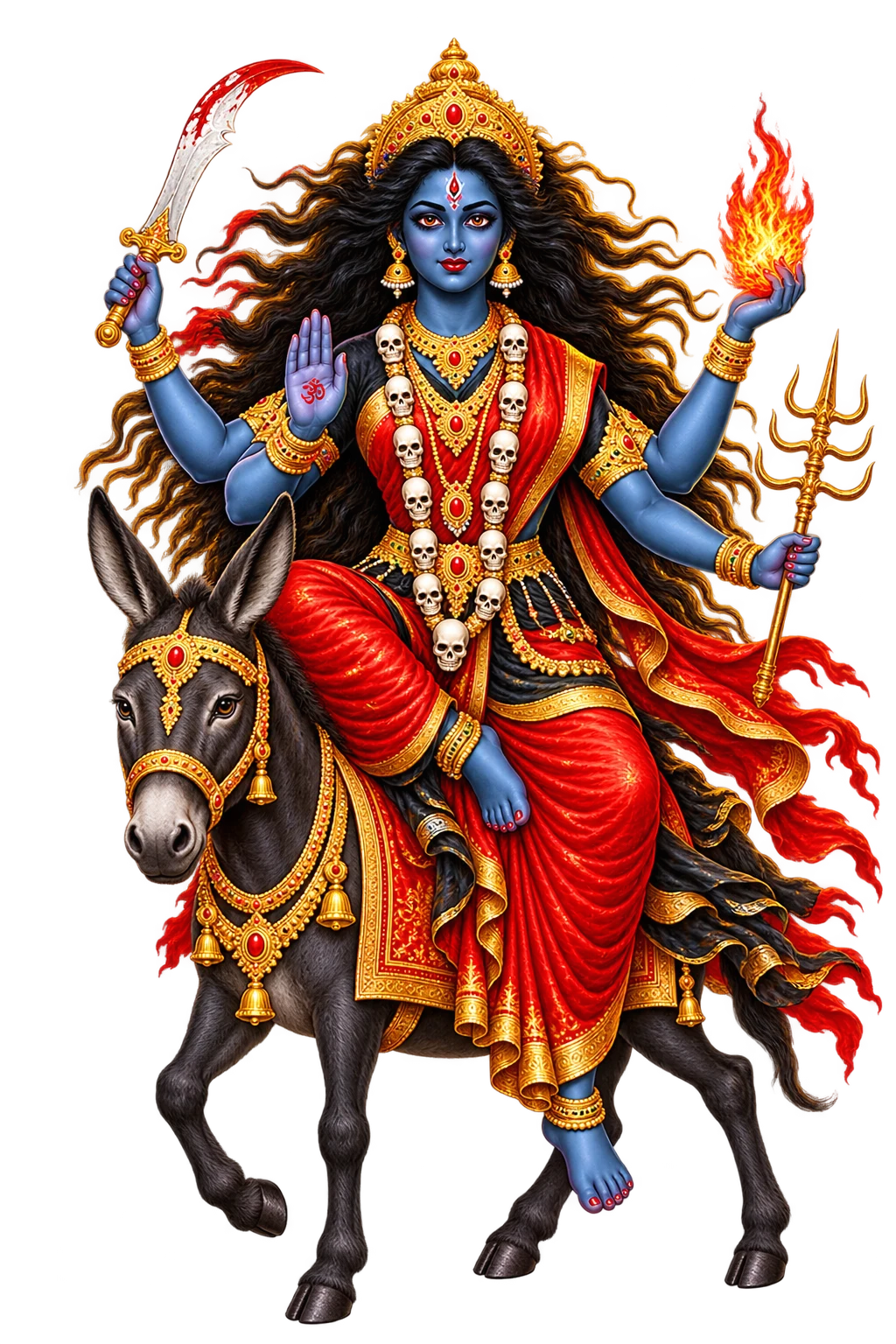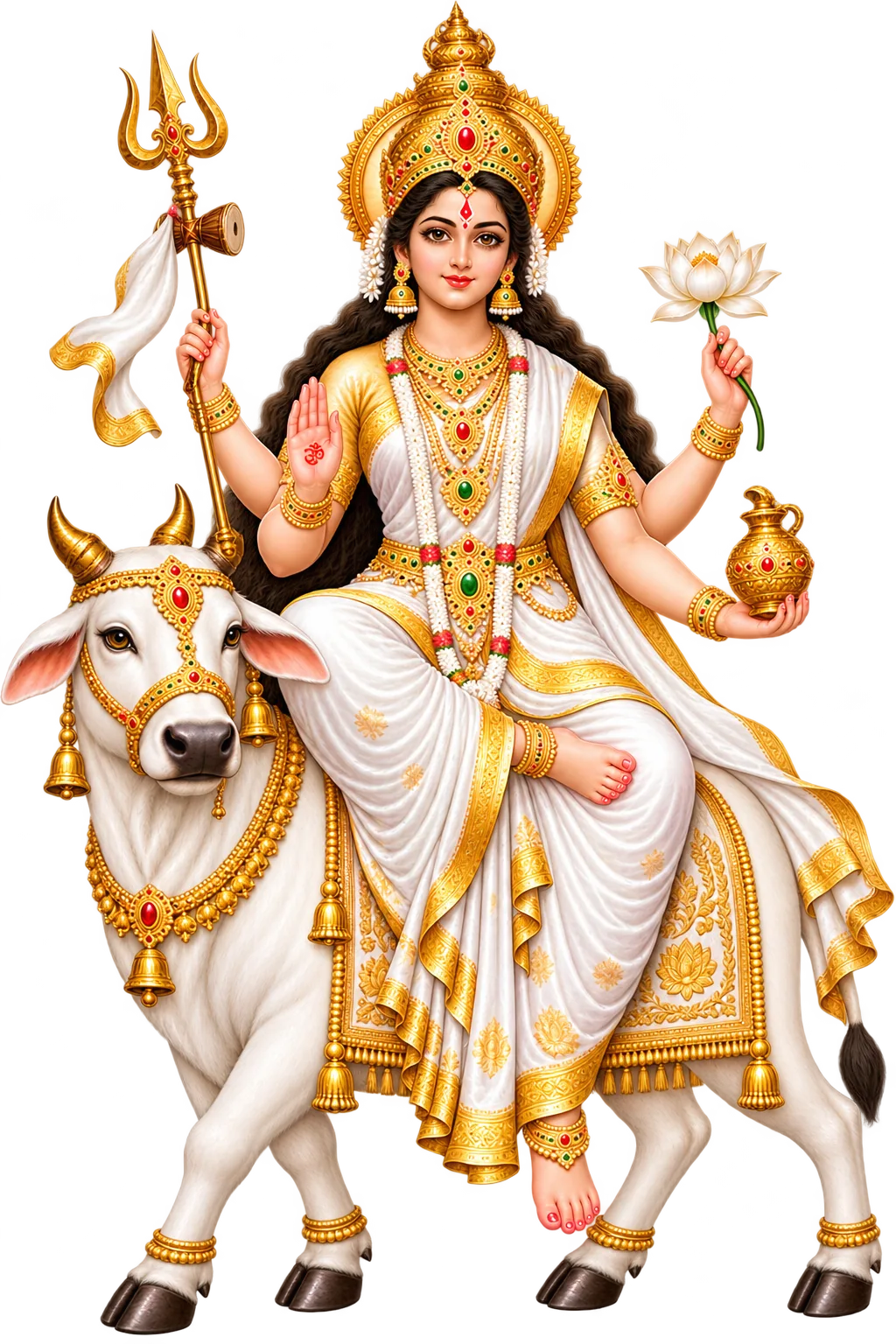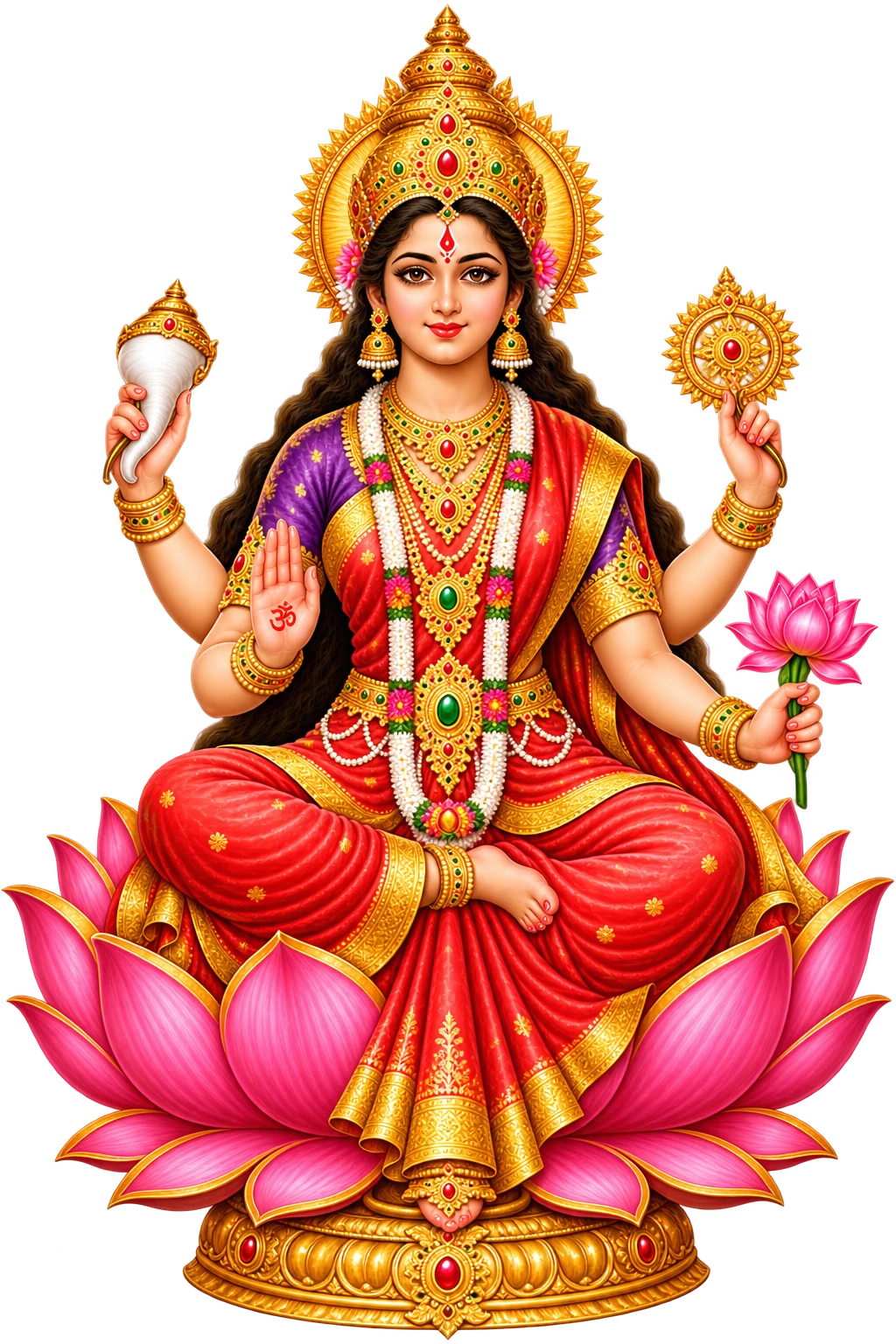

Ghatasthapana 2026 falls on Sunday, 11 October, the first day of Sharadiya Navratri. It marks the ritual installation of the sacred Kalash that invites Maa Durga's presence for the nine nights ahead. The most widely cited morning muhurat is roughly 6:19 AM to 10:12 AM (Delhi reference), with an Abhijit Muhurat option around midday. Because Panchang timings shift with your city's sunrise, always confirm the exact window for your own location before you begin.
Quick Answer
Ghatasthapana 2026 Date and Muhurat
Ghatasthapana, also called Kalash Sthapana, is performed on the day the Ashwin Shukla Pratipada tithi prevails in the morning hours. For Sharadiya Navratri 2026, that day is Sunday, 11 October, and it is also Day 1 of the nine-day Navratri 2026 calendar, when devotees begin worship of the Navdurga with Maa Shailputri.
According to Panchang data cross-checked across multiple sources, the Pratipada tithi for Delhi begins around 9:19 PM on 10 October 2026 and continues until roughly 9:30 PM on 11 October 2026. Because the tithi is present for almost the entire day, the earlier morning hours are generally treated as the most favourable window.
A couple of things are worth flagging honestly rather than glossing over. First, Chitra Nakshatra and Vaidhriti Yoga are both present for a large part of 11 October according to Panchang calculations. Classical guidance treats these two as inadvisable for Ghatasthapana, but not strictly forbidden, so the morning and Abhijit windows above are still usable if you are unable to avoid them entirely. Second, different Panchang engines round the Abhijit Muhurat slightly differently, some list it as starting at 11:44 AM and others at 11:45 AM for Delhi. The difference is a rounding artefact of how each engine calculates local solar noon, not a real disagreement about the ritual.
These timings are calculated for New Delhi. If you live in Mumbai, Chennai, Kolkata, Bengaluru, or any other city, the sunrise and solar noon differ, which shifts every muhurat window earlier or later. A devotee in eastern India will typically see an earlier window than someone in western India on the same date. There is no single Ghatasthapana Muhurat that applies uniformly across the country, so please check a Panchang calculated for your own city, or consult a knowledgeable Acharya, before fixing your puja time. NRI devotees observing Navratri outside India should similarly convert the Muhurat to their local time zone rather than following the IST window directly.
What Is Ghatasthapana?
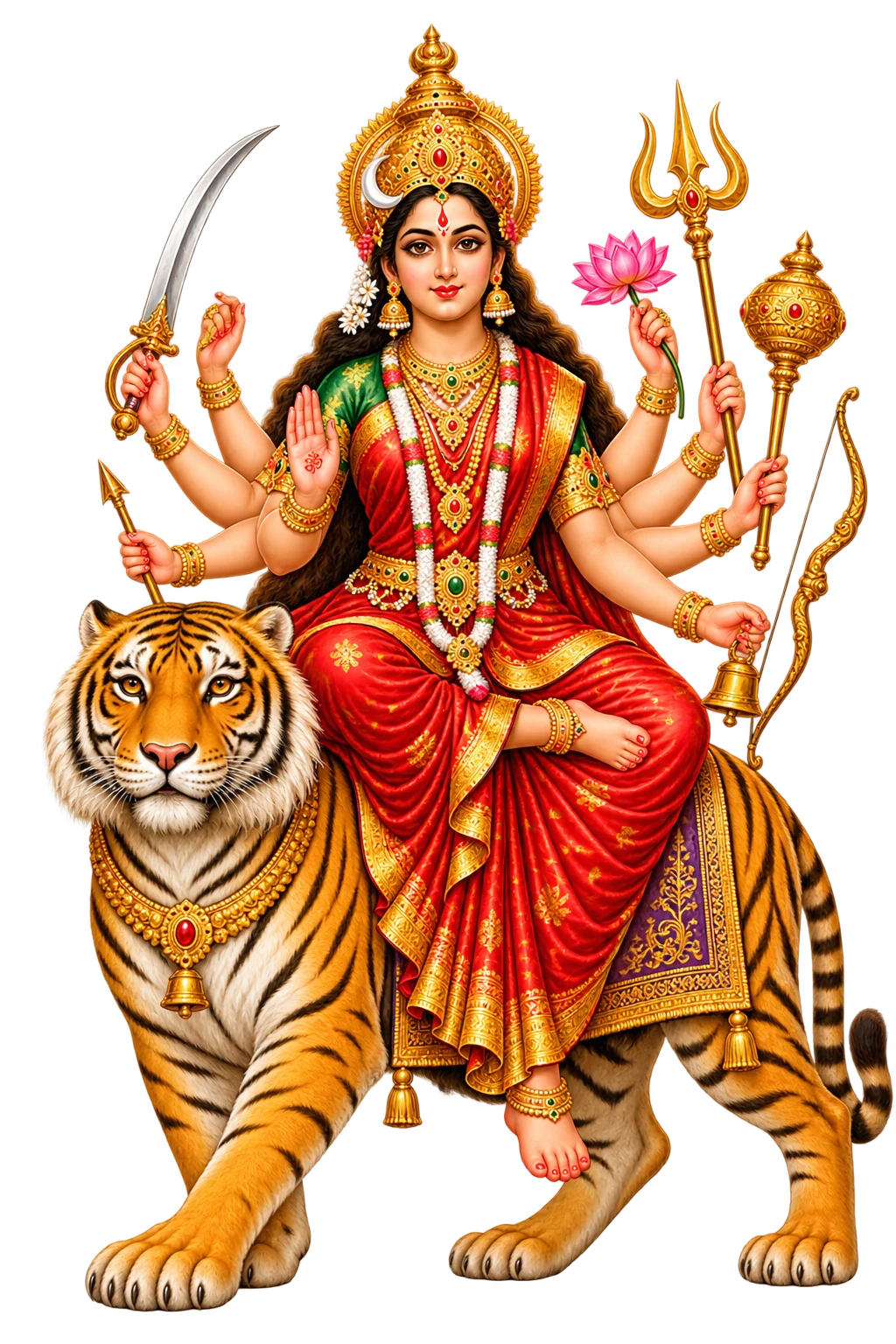
Ghatasthapana literally means "establishing the pot." Ghata refers to the Kalash, a sacred vessel, and Sthapana means to install or establish. It is the opening ritual of Navratri, performed on the first morning to invoke Maa Durga's presence into a consecrated Kalash that then stays in place for all nine days.
In simple terms, think of it as formally welcoming a deeply respected guest into your home. The Kalash, filled with water and topped with mango leaves and a coconut, becomes a symbolic seat for the Goddess for the duration of the festival. Once installed, it is not moved until the closing rituals on Navami or Dashami.
Why Is Ghatasthapana Important During Navratri?
Ghatasthapana sets the tone for the entire nine-day observance. Because the rest of Navratri, the daily puja, the Vrat, the Akhand Jyot, and the worship of each Navdurga form, is built around the Kalash that gets installed on Day 1, getting this first step right (or at least approached with sincerity) matters more to most devotees than any single day later in the festival.
Traditionally, the ritual is also tied to agricultural symbolism. Barley seeds sown alongside the Kalash sprout over the nine days, representing growth, renewal, and the expectation of a good harvest season. The lamp lit beside the Kalash, if kept burning as an Akhand Jyot, is meant to represent an unbroken current of devotion through the festival.
Ghatasthapana vs Kalash Sthapana - Are They the Same?
Yes. Ghatasthapana and Kalash Sthapana refer to the same ritual and are used interchangeably across Panchang sources and regional traditions. "Ghatasthapana" is the more common term in Hindi-speaking and northern/western regions, while "Kalash Sthapana" is often used as a more descriptive, pan-India phrase. Some Bengali traditions also use the term Kalparambha for a related invocation performed on a different day within the Durga Puja calendar, which can cause confusion, but for the purposes of home Navratri puja anywhere outside West Bengal, Ghatasthapana and Kalash Sthapana mean the same ceremony performed on Pratipada.
Ghatasthapana Puja Samagri 2026
Samagri requirements vary somewhat by region and family tradition, so treat the list below as a practical starting point rather than a rigid rulebook.
If you cannot arrange every item on this list, that is not considered a reason to skip the puja altogether. A clean Kalash, water, a coconut, and sincere intention are enough for a simple home observance; the fuller list is for those who wish to follow the more elaborate version of the ritual.
How to Perform Ghatasthapana at Home
Clean the puja space. Choose a quiet corner, ideally north-east, and clean it thoroughly the previous evening or early on the morning of 11 October.
Bathe and wear clean clothes before beginning any part of the ritual.
Prepare the barley bed, if your tradition includes this step, by spreading soil in a wide clay pot and sowing barley seeds in it (detailed below).
Prepare the Kalash by cleaning it, filling it roughly three-quarters with water, and adding a coin, supari, durva grass, and akshat, according to what your family follows.
Tie the moli around the neck of the Kalash and place five mango leaves at its mouth.
Place the coconut on top of the Kalash, usually wrapped in a red cloth, with its pointed end facing upward or toward you.
Position the Kalash on the barley pot, or directly on a small mound of rice if you are not sowing barley, within your chosen Muhurat window.
Invoke the Goddess with a short Sankalp, stating your name, family, and the intention behind the puja, then light the diya beside the Kalash.
Offer flowers, akshat, roli, and Naivedya, and perform a brief Aarti to complete the opening ritual.
Maintain the Kalash and lamp daily for the following nine days, sprinkling a little water on the barley if you have sown it, until Ashtami or Navami closes the cycle.
Kalash Sthapana Vidhi Step by Step
This is a slightly more detailed walk-through of the same process, useful if you are doing it for the first time.
Cleaning the space. Wipe down the area, place a wooden chowki or platform, and cover it with a red cloth. Many households also draw a Swastik or a small Rangoli in front of it.
Sowing the barley (Jau). This step is widely followed in North Indian and many Hindi-belt households, though it is a regional custom rather than a scriptural requirement observed everywhere. Spread a layer of soil in a wide clay pot, scatter barley seeds, add another thin layer of soil, and sprinkle a little water. The seeds are expected to sprout into small green shoots by Ashtami or Navami.
Preparing the Kalash. Wash the pot, fill it with clean water (Gangajal if available), and add a coin, betel nut, and a pinch of akshat. Some families also add a few drops of scent or sandalwood paste.
Adding mango leaves and thread. Tie the moli around the neck, then arrange five mango leaves around the rim so they slightly overhang the water.
Placing the coconut. Wrap an unbroken coconut in red cloth and set it on the mouth of the Kalash. In some traditions the coconut is left unwrapped; both are acceptable regional variations.
Drawing the Swastik. Using kumkum or chandan, draw a Swastik on the body of the Kalash before positioning it on the barley pot or a small rice mound.
Invoking Devi and lighting the lamp. Recite your Sankalp, invoke Maa Durga and the Navdurga forms, and light the diya beside the Kalash. If you intend to keep an Akhand Jyot for all nine nights, this is when it is lit.
Daily care. Offer a short Aarti morning or evening, water the barley lightly if sown, and avoid moving the Kalash from its spot until the closing rituals.
It helps to remember that soil and barley preparation, the wrapped versus unwrapped coconut, and even the exact mantras used can differ from one family or region to another. None of these variations make a puja incorrect. They are customary differences, not universal rules, so it is fine to follow what your own family has always practised.
Ghatasthapana Rules and What to Avoid
Can Ghatasthapana Be Done at Home Without a Priest?
Yes, a large number of households across India perform Ghatasthapana themselves every year without a priest present. The core requirements are a clean space, a properly prepared Kalash, and sincere intention; these do not require ordained assistance. That said, if you are planning a more elaborate Anushthan, a multi-day Havan, or a puja tied to a specific goal such as legal, career, or health concerns, many devotees prefer guidance from an experienced Acharya to ensure the Sankalp, mantras, and sequence are followed correctly. If you would like that kind of guided puja performed on your behalf, you can arrange a Navratri puja booking with our team, or explore the available puja and Havan services for Navratri.
What to Do After Ghatasthapana?
Once the Kalash is installed, the daily Navratri routine generally includes a short morning or evening Aarti, Mantra Japa according to your chosen deity or tradition, offering Bhog, and watering the barley if you have sown it. Many devotees also read from the Durga Saptashati across the nine days, a chapter or portion at a time. Fasting rules (Vrat) vary widely, from a single fruit-only day to a full nine-day fast, and should be adapted to your own health and family custom rather than followed rigidly if it does not suit you.
Ghatasthapana and Navratri Day 1 - Maa Shailputri
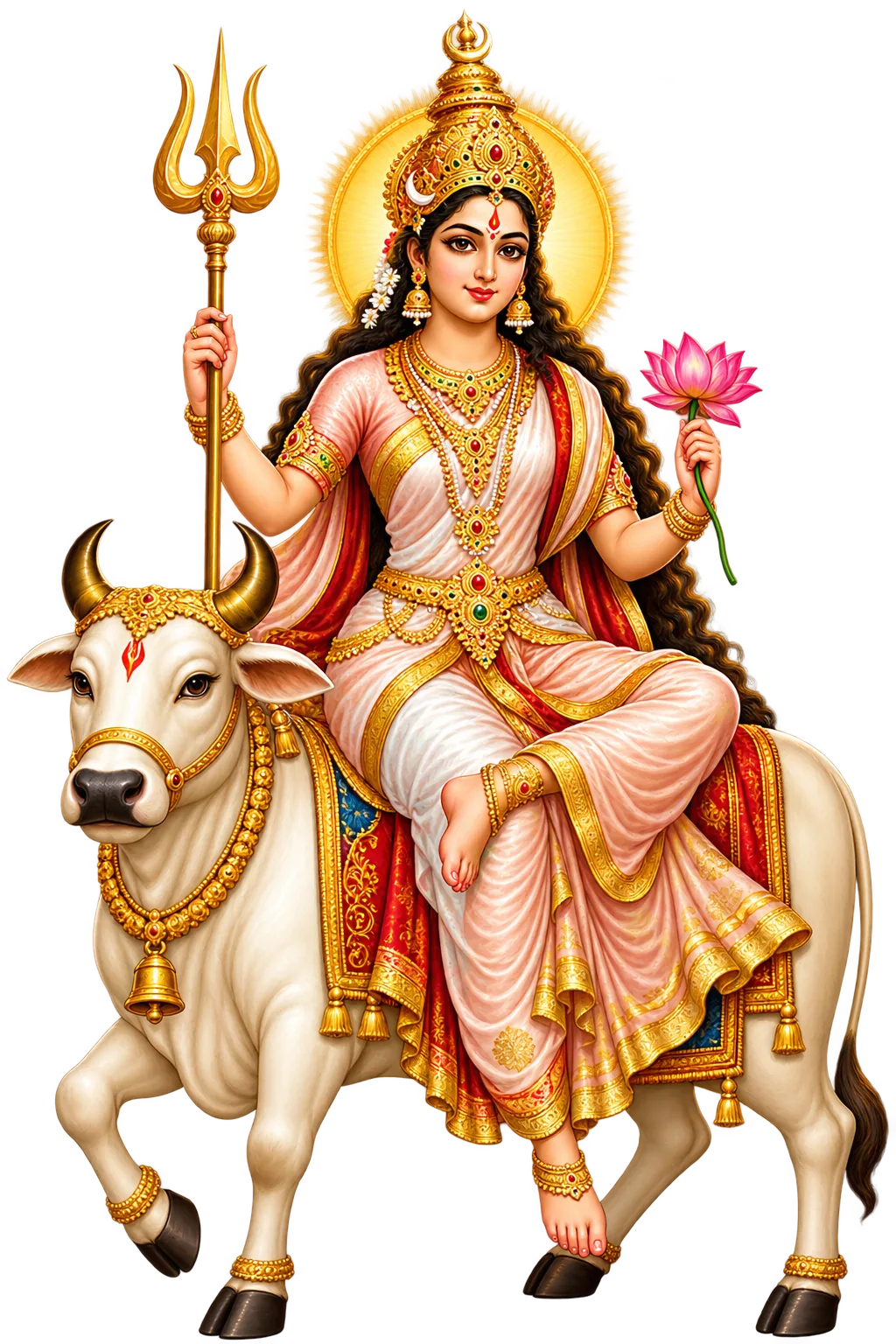
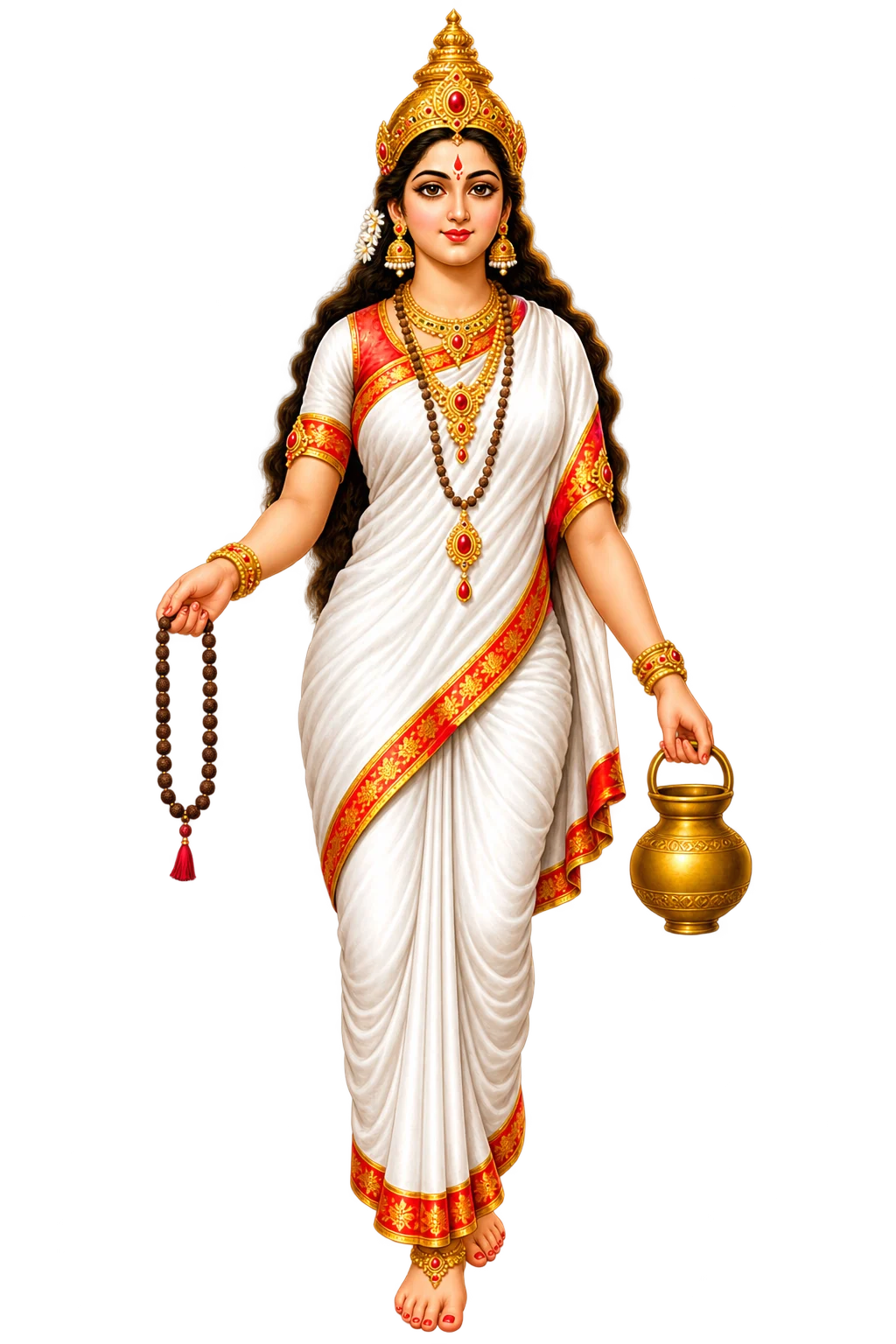
Ghatasthapana and the worship of Maa Shailputri happen on the same day, 11 October 2026. After the Kalash is installed, the day's puja continues with prayers to Maa Shailputri, the first of the nine Navdurga forms, representing stability and the mountain-born aspect of Shakti. You can read the full Day 1 Puja Vidhi for Maa Shailputri for the specific mantras, colour, and offerings associated with this form.
What Happens During the 9 Days After Ghatasthapana?
Many families perform Kanya Pujan on Ashtami (18 October) or Navami (19 October), depending on regional custom, followed by Kalash Visarjan a day or two later. For the complete nine-day overview, dates, colours, and Baglamukhi connection, see the Navratri 2026 hub page.
Common Ghatasthapana Mistakes
Maa Baglamukhi Puja During Navratri
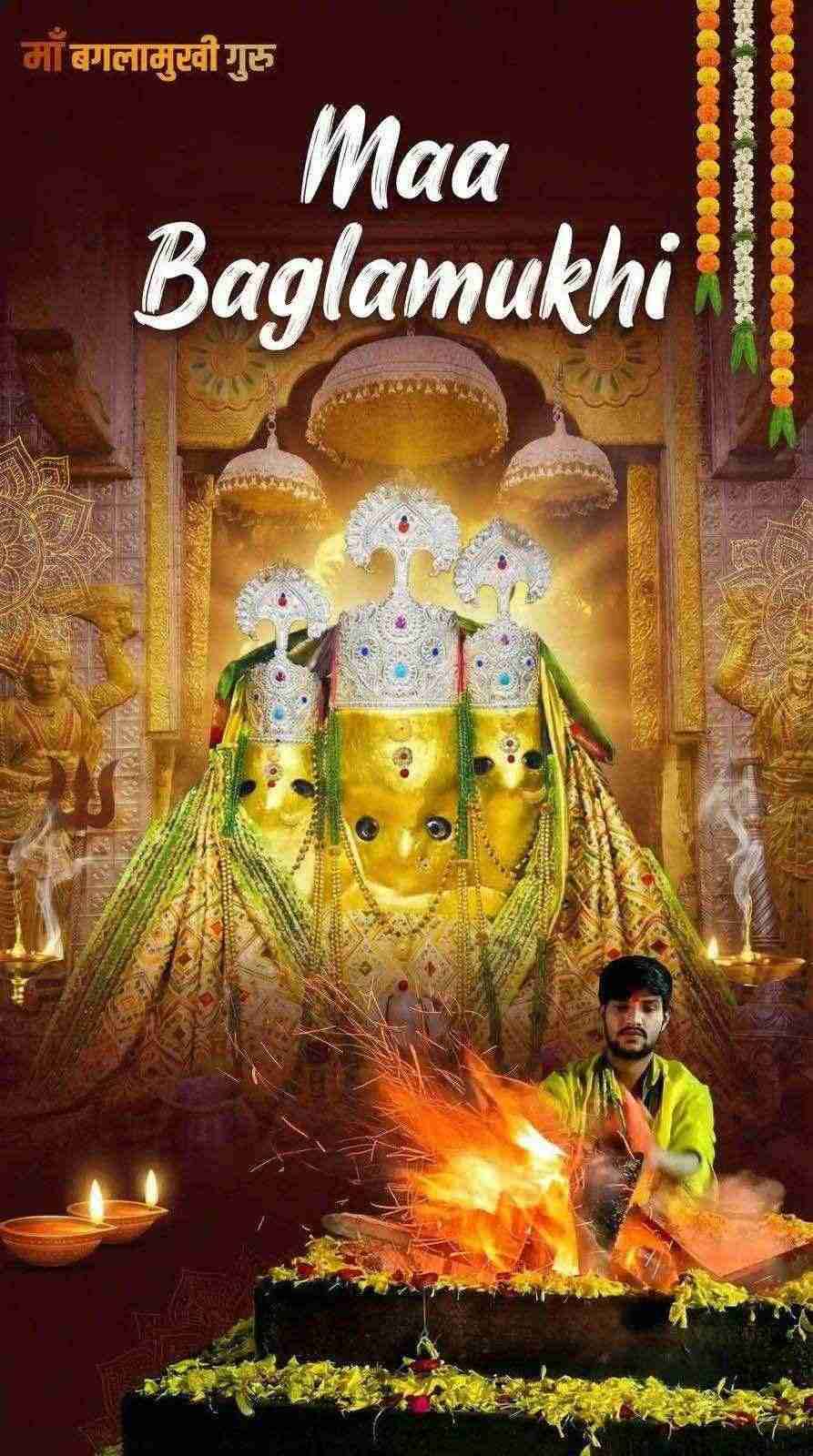
It is worth being precise here. The Navdurga are the nine forms of Maa Durga worshipped one per day during Navratri, and Maa Baglamukhi is not counted among them. Maa Baglamukhi is one of the ten Mahavidyas of the Shakta tradition, a separate and distinct group of goddess forms, and she is worshipped at Maa Baglamukhi Siddha Peeth, Nalkheda, on her own terms.
That said, Navratri remains a period when many devotees who are already connected to Maa Baglamukhi choose to intensify their Baglamukhi Mantra Japa or arrange a special Baglamukhi Havan or Anushthan at Nalkheda alongside their regular Navratri observance, since the nine nights are broadly regarded as an auspicious period for Shakti worship. If you wish to combine your family's Navratri puja with a dedicated Baglamukhi ritual, you can review our Navratri and Baglamukhi puja options or speak with our team before booking.
FAQs
When is Ghatasthapana in 2026? Ghatasthapana for Sharadiya Navratri 2026 falls on Sunday, 11 October 2026, on Ashwin Shukla Pratipada.
What is the Muhurat for Ghatasthapana 2026? For New Delhi, the widely cited morning window is approximately 6:19 AM to 10:12 AM, with an Abhijit Muhurat alternative around 11:44 AM to 12:31 PM. These timings shift for other cities based on local sunrise, so confirm with your own Panchang.
Can Ghatasthapana be done at home? Yes. A large majority of households perform it themselves with a clean space, a Kalash, water, mango leaves, a coconut, and a lamp, without requiring a priest.
What is needed for Ghatasthapana? At minimum, a Kalash, water, mango leaves, a coconut, moli thread, akshat, and a diya. A fuller Samagri list, including barley for sowing, is given earlier in this guide.
Is Ghatasthapana the same as Kalash Sthapana? Yes, the two terms describe the same ritual and are used interchangeably across most of India.
Can Ghatasthapana be done without a priest? Yes, for a standard home puja. For elaborate Anushthans or goal-specific rituals, guidance from an experienced Acharya is commonly preferred.
What should be placed inside the Kalash? Commonly water, a coin, supari, akshat, and durva grass, topped with mango leaves and a coconut. Exact contents vary by family tradition.
How long should the Ghatasthapana Kalash remain in place? It typically stays untouched from Day 1 until the closing rituals around Ashtami, Navami, or Dashami, depending on family custom.
What happens if I miss the Muhurat? If you miss the morning window, the Abhijit Muhurat later in the day is considered an acceptable alternative in most traditions.
Can NRI devotees perform Ghatasthapana? Yes. NRI devotees can perform the ritual at home in their own time zone, converting the Muhurat accordingly, or arrange an online Navratri puja performed on their behalf at Nalkheda.
What should be done after Ghatasthapana? Continue with daily Aarti, Mantra Japa, Bhog offerings, and care of the barley and lamp through the nine days, closing with Kanya Pujan and Visarjan.
Is Maa Baglamukhi one of the nine Navdurga worshipped during Navratri? No. The Navdurga are nine specific forms of Maa Durga. Maa Baglamukhi belongs to a separate group, the ten Mahavidyas, though some devotees choose to combine Navratri with Baglamukhi worship as a personal practice.
Do Ghatasthapana rules differ by region? Some elements, such as sowing barley or wrapping the coconut in red cloth, are regional customs rather than universal requirements. The core timing principles (avoiding Amavasya, night time, and preferring the Pratipada morning window) are more broadly shared.
What if I do not have all the Puja Samagri? A simplified version with the essential items is considered a valid observance. Devotion matters more than a complete checklist.
This guide was researched and compiled with reference to multiple established Panchang sources for Sharadiya Navratri 2026, cross-checked for the Ghatasthapana date, tithi, and muhurat. Timings shown are for New Delhi and are provided for general guidance only; please verify the exact muhurat for your own city before performing the ritual. For questions about combining your Navratri puja with a Baglamukhi Havan or Anushthan at Nalkheda, you can get in touch with our team or read more in our Navratri Puja Vidhi guide and common Navratri