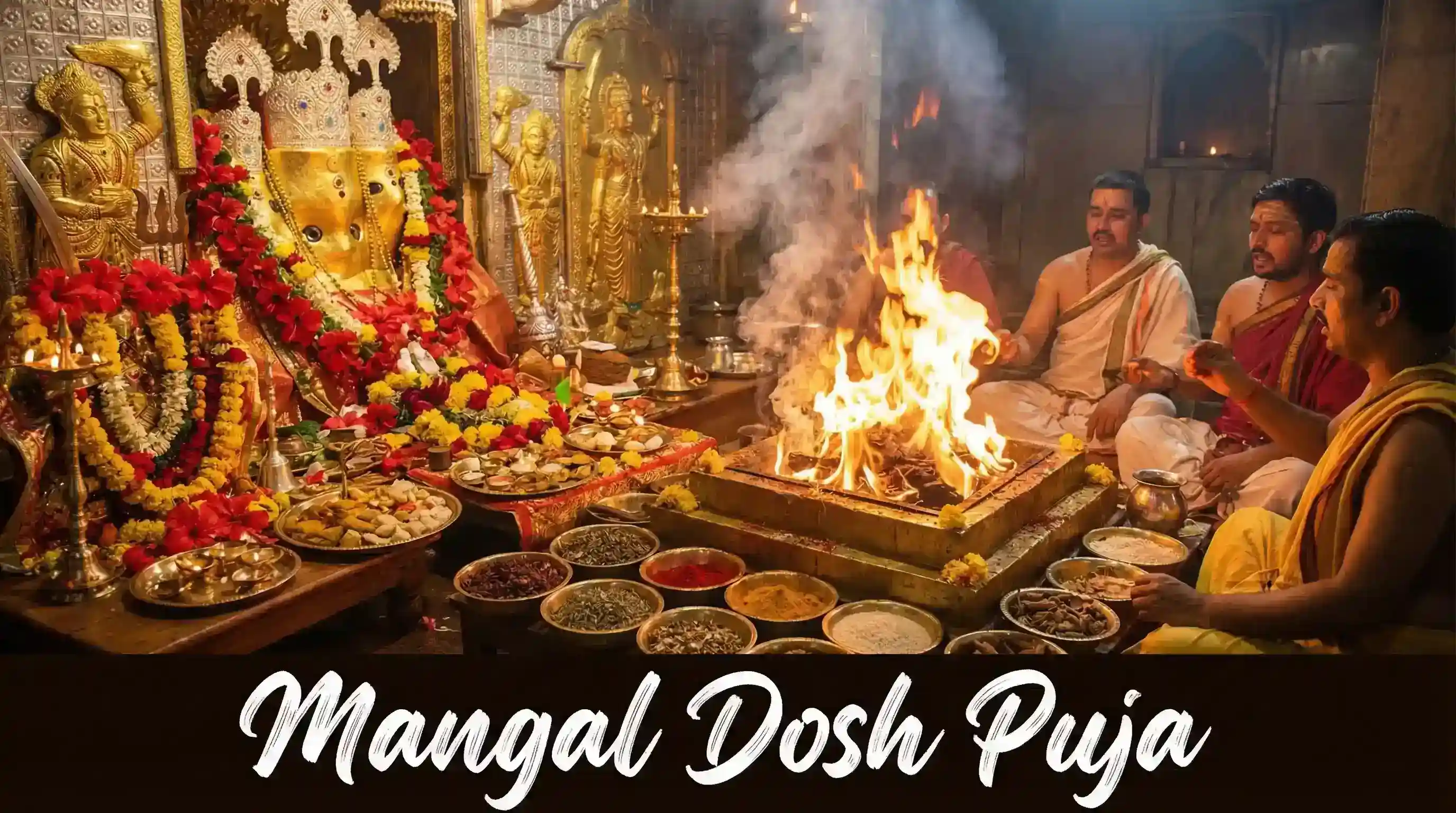
Mangal Dosha Puja is a traditional Vedic ritual performed by experienced priests to seek divine blessings for harmony, confidence, and a positive spiritual direction in life. Conducted at the revered Nalkheda dham, it honours Mangal Graha (the planet Mars) with prayers for inner balance, courage, and relief from challenges associated, in Vedic astrology, with Mangal Dosha. It is a devotional practice rooted in Hindu tradition - never a guarantee of marriage or any specific life outcome.
Marriage Concerns
Devotees whose horoscopes indicate Manglik Dosha pray for harmony, patience, and spiritual reassurance.
Relationship Friction
Those navigating misunderstandings seek calm, balance, and a more composed temperament.
Quick Anger or Restlessness
Devotees pray to soften reactivity and cultivate emotional steadiness.
Decision Confusion
Facing important crossroads, devotees seek clarity, courage, and a focused mind.
Identified Mangal Dosha
Those advised of Mangal or Kuja Dosha in their kundli seek traditional remedies.
Self-Doubt
Worn down by uncertainty, devotees pray for confidence, hope, and a positive outlook.
Connect with Acharya Vishnu Sharma for authentic guidance and rituals.
All pujas are performed at Nalkheda - the sacred seat of Maa Baglamukhi - by experienced Vedic priests, and may be witnessed online or attended at the dham.
Suitable for a focused traditional remedy for Mangal Dosha
Suitable for deeper worship of Mangal Graha through sacred fire
Suitable for sustained prayer across 11, 21, or 36 days
Mangal Dosha (also called Manglik Dosha or Kuja Dosha) is a concept in Vedic astrology referring to specific placements of Mangal Graha (Mars) in the birth chart, traditionally associated with phases that may feel testing - particularly around relationships and marriage. Mangal Dosha Puja is the time-honoured devotional response: a Vedic ritual offered to seek harmony, confidence, and spiritual reassurance.
Through Sankalp, Sanskrit mantras, and offerings to Mangal Graha and the Navagrahas, devotees pray for emotional balance, patience, and a positive direction. It is a devotional practice rooted in Hindu tradition - it complements, but never replaces, informed kundli consultation, healthy communication, and responsible decisions, and it does not guarantee marriage, relationships, or any life outcome.
Devotees pray for warmth, patience, and understanding in valued bonds.
A heartfelt prayer for steadiness, calm, and reduced reactivity.
Devotion offered to nurture self-belief during important life transitions.
A sense of devotional comfort during astrologically testing phases.
A prayer for a calmer mind and more focused, thoughtful decisions.
Devotion to approach challenges with hope, courage, and optimism.
Worship offered for harmony, warmth, and positivity at home.
Devotion that nurtures resilience and a faith-filled heart.
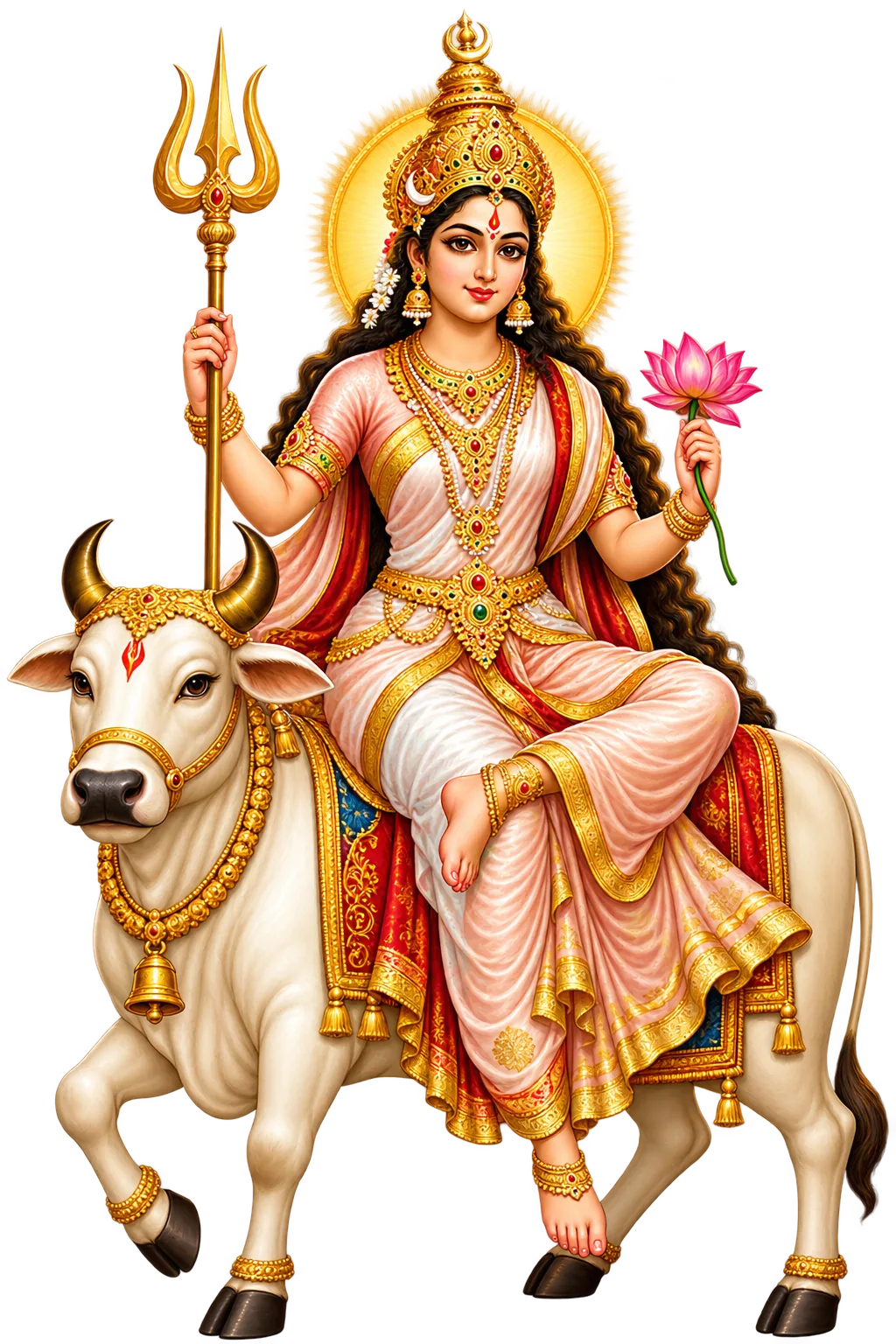
In Vedic astrology, Mangal Graha - the planet Mars - is honoured among the Navagrahas as a force of energy, courage, drive, and decisive action. He is associated with the colour red, the metal copper, and Tuesdays, and is revered, not feared. The Vedic tradition approaches Mangal with respect, recognising his role in shaping both inner strength and the lessons of life.
When kundli placements suggest Manglik Dosha, the time-honoured devotional response is worship through Sanskrit mantra, sacred fire, and offerings dear to Mangal. The tradition is rooted in faith, balance, and responsibility - devotees offer their prayers while continuing their own thoughtful choices, sincere communication, and respectful relationships.
The planetary force of courage, drive, and energy - honoured among the Navagrahas with reverence in Vedic astrology.
A traditional, scripture-based response of prayer, mantra, and offerings - seeking harmony, balance, and a positive inner direction.
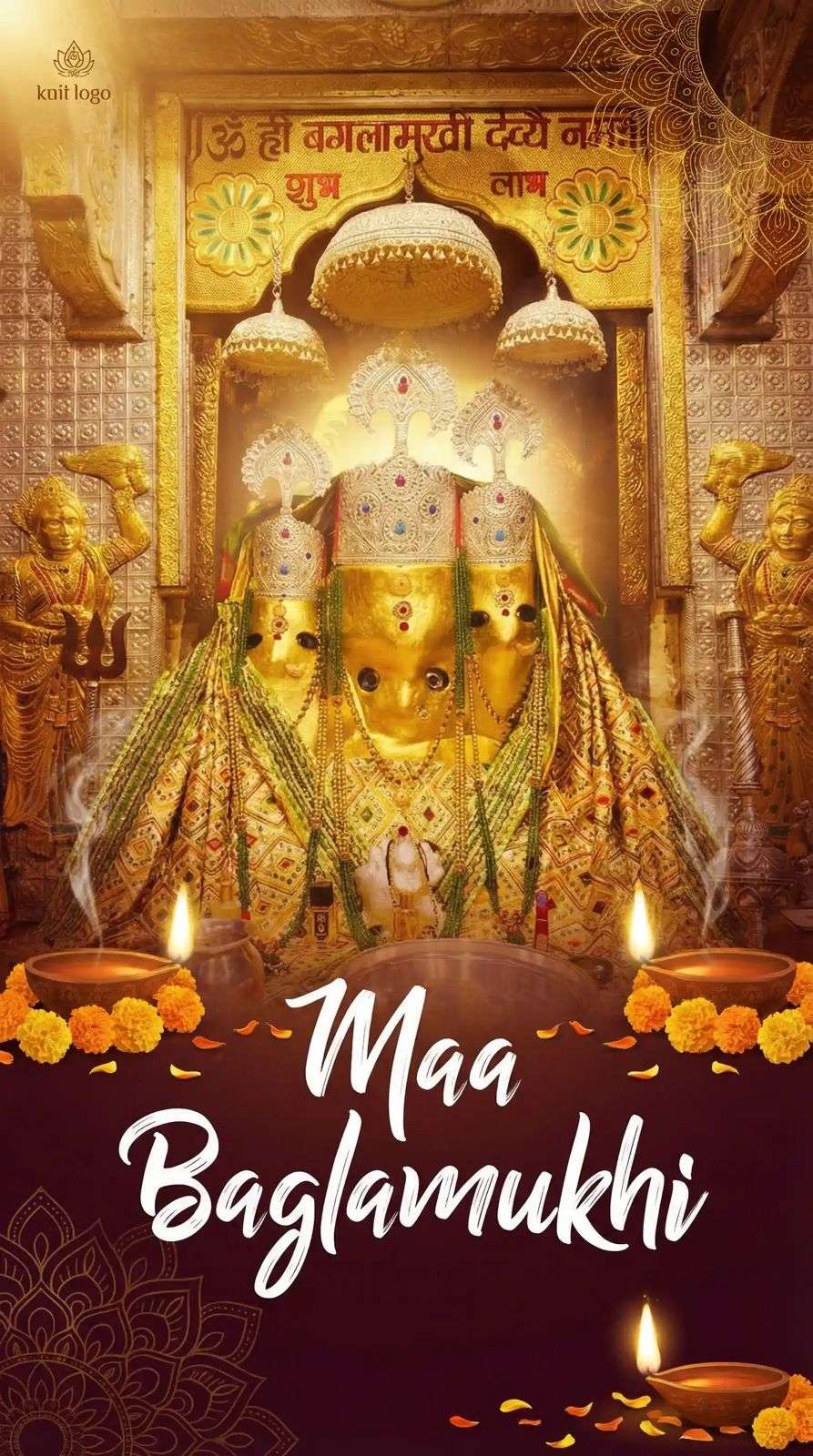
Maa Baglamukhi is the eighth of the Dasha Mahavidyas, the ten great wisdom goddesses of the Shakta tradition. She embodies Stambhan Shakti — the divine power to stop, still, and neutralise negativity and hostility. Tradition holds she manifested from Haridra Sarovar, the turmeric-hued lake, to still a cosmic storm threatening creation.
Known as Pitambara Devi, "the one clothed in yellow," she is worshipped with turmeric and yellow offerings symbolising purity, auspiciousness, and focus. She is also revered for Vaak Siddhi — mastery over speech — and her grace is said to flow toward those who stand on truth. Devotees across generations turn to her for courage, protection, and spiritual strength.
Speak with our spiritual team to understand whether Maa Baglamukhi Hawan aligns with your devotional intentions.
The Devi's defining power to halt negativity, hostility, and chaos. Devotees seek it as a spiritual shield during life's most challenging phases.
Mastery over speech, granting clarity, firmness, and truthful expression. Devotees pray for it before courtrooms, negotiations, and difficult conversations.
Everything you need to know about Mangal Dosha Puja.