
A vrat is not merely going without food. In the Hindu understanding, a vrat is a vow - a promise held with the body and the mind together, so that discipline becomes devotion. The Gupt Navratri vrat carries this meaning in its purest form, because these are the secret nine nights, observed quietly, without display. In 2026, the Ashadha Gupt Navratri vrat runs from 15 July to 23 July.
This guide covers everything a devotee needs: the vrat katha, the kalash sthapana vidhi that opens the vow, the fasting rules, the do's and don'ts, and the benefits as tradition describes them. Wherever a belief is described, it is presented as tradition holds it, not as a guaranteed outcome.
Table of Contents
What is the Gupt Navratri vrat?
Gupt Navratri vrat 2026 dates
Gupt Navratri vrat katha
Kalash Sthapana (Ghatasthapana) vidhi
Types of vrat - how to fast
What to eat and what to avoid
Vrat rules, do's and don'ts
Daily routine during the vrat
How to break the vrat (paran)
Benefits according to tradition
Who should avoid strict fasting
Quick summary
Frequently asked questions
What is the Gupt Navratri vrat?
The Gupt Navratri vrat is a nine-day vow of fasting, purity and devotion observed during the secret Navratris of Ashadha and Magha, dedicated to the ten Mahavidyas. Unlike public Navratri fasts, it is kept quietly and privately, as the season's name suggests.
The vrat combines three elements: restraint in food, discipline in conduct, and daily worship with mantra japa. Together these form the vow. It begins with kalash sthapana and a sankalp on the first day, and concludes on Navami - nine days of steady, unbroken practice.
Gupt Navratri vrat 2026 dates
The Ashadha Gupt Navratri vrat 2026 runs from 15 July to 23 July - nine days, opening with kalash sthapana on the morning of 15 July.
Confirm the exact muhurat for your city, as timings shift with local sunrise.
Gupt Navratri vrat katha
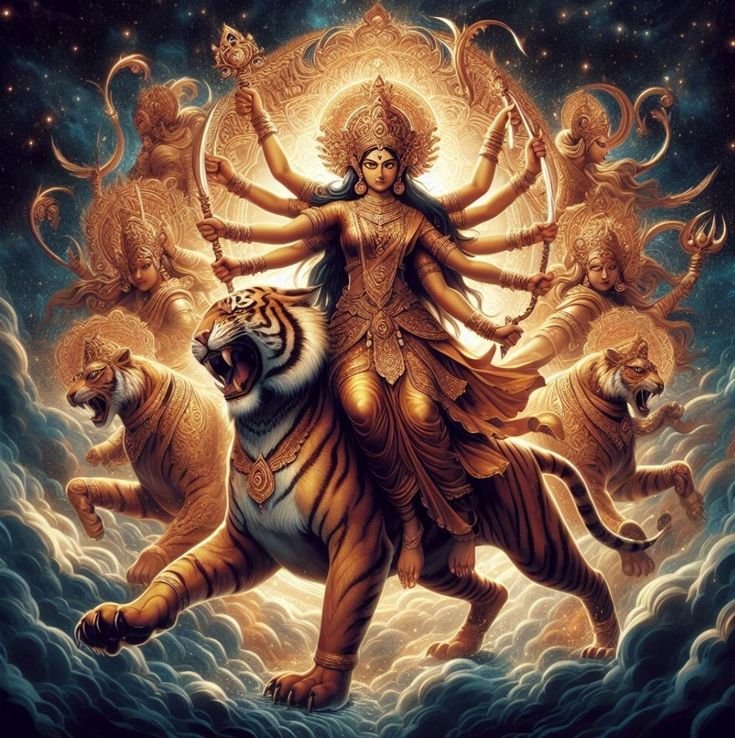
The vrat katha of Gupt Navratri is traditionally told through the glory of the Divine Mother as recounted in the Devi Bhagavata Purana and the Devi Mahatmya (Durga Saptashati) - the accounts of how the Goddess took form to protect creation when darkness threatened it.
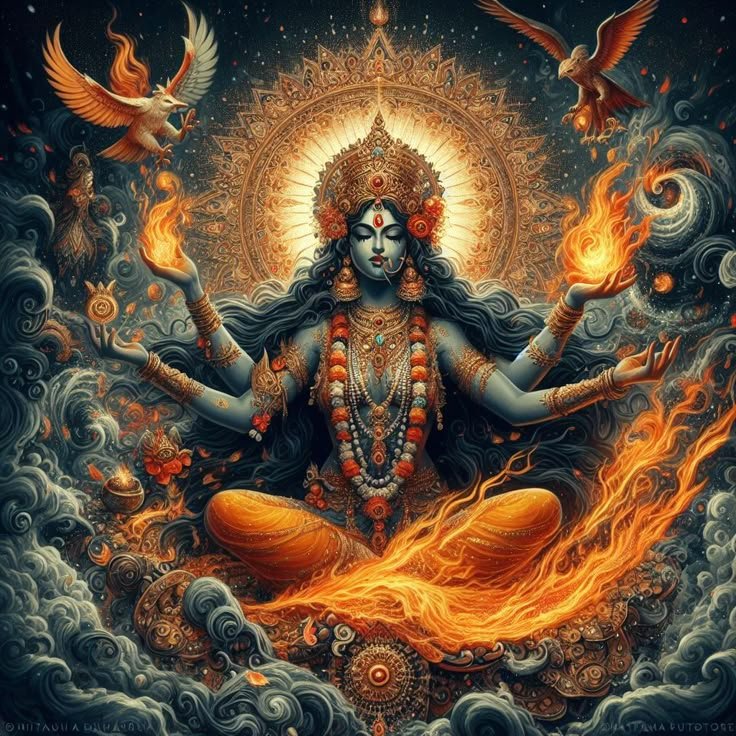
The essential teaching of the katha is this: when the devas were overwhelmed and every ordinary power had failed, it was the Mother's Shakti that restored order. She appears in many forms - gentle and fierce, gracious and terrifying - and in the Gupt Navratri tradition she appears as the ten Mahavidyas, each a distinct face of that one power.
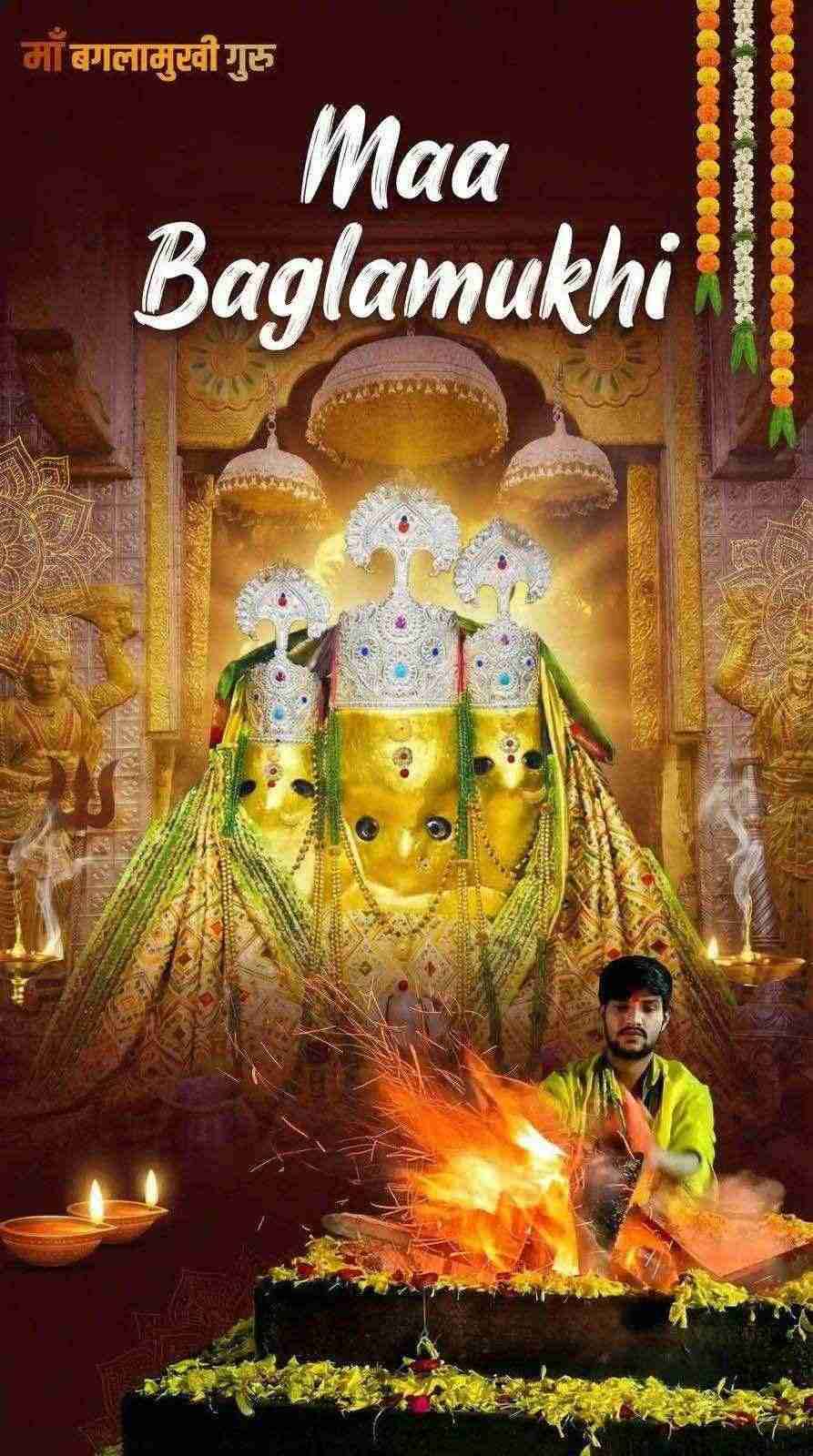
For devotees of Maa Baglamukhi, the associated tradition tells of a great storm that threatened to destroy creation, when the Goddess arose from the turmeric-hued Haridra Sarovar and stilled it - the origin of her power of Stambhan, the stilling of destructive force. Learning about Maa Baglamukhi and her form deepens the meaning of the vrat considerably.
Reading or listening to the Durga Saptashati daily through the nine days is itself considered part of observing the katha.
Kalash Sthapana (Ghatasthapana) vidhi
Kalash sthapana opens the vrat on Day 1 and must be done during the morning muhurat:
Purify. Bathe early and clean the place of worship; sprinkle Gangajal.
Prepare the base. Spread clean soil in a wide vessel and sow barley seeds.
Fill the kalash. Fill a brass or copper pot with clean water; add a coin, betel nut, akshat and a few drops of Gangajal.
Adorn it. Place five mango leaves around the rim and set a coconut on top, wrapped in red or yellow cloth.
Install. Place the kalash on the soil vessel before the deity's image, ideally facing east.
Light the lamp. Light a ghee lamp - an Akhand Jyoti if you can tend it safely for nine days.
Take sankalp. State your name, gotra and the intention of your vrat, quietly and honestly.
The kalash remains in place through all nine days and is respectfully concluded after Navami.
Types of vrat - how to fast
Devotees observe the Gupt Navratri vrat according to their capacity. All three forms are valid when kept sincerely:
Devotion is measured by sincerity, not severity. A partial fast kept honestly is worth more than a strict fast kept resentfully.
What to eat and what to avoid
Vrat rules, do's and don'ts
Daily routine during the vrat
A simple, sustainable rhythm for the nine days:
Early morning: bathe, light the lamp, main puja, mantra japa on a turmeric mala.
Midday: brief darshan, offer naivedya, tend the jyoti.
Evening: aarti, a shorter round of japa, reading from the Durga Saptashati.
Devotees of Maa Baglamukhi chant her Baglamukhi mantra through the vrat, and often conclude with a Baglamukhi Havan on Ashtami or Navami.
How to break the vrat (paran)
The vrat is concluded (paran) after the Navami worship on 23 July 2026, once the final puja, havan and aarti are complete. Traditionally, devotees offer prasad, feed young girls (Kanya Pujan) or brahmins where possible, express gratitude for the completed sankalp, and then take their first full meal - beginning with sattvic prasad.
Conclude the kalash respectfully, and use the sprouted barley as a blessing.
Benefits according to tradition
The Gupt Navratri vrat is believed to bring - as fruits of faith and disciplined practice, not guaranteed outcomes:
Purification of body, mind and speech
Increased self-discipline and willpower
Protection from negativity and obstacles
Fulfilment of the sincere sankalp taken at the start
Mental calm, clarity and reduced restlessness
Spiritual progress through steady mantra practice
Who should avoid strict fasting
Strict fasting is not required of everyone, and the tradition never asks a devotee to harm their health in the name of devotion. Those who are unwell, pregnant or nursing, elderly, diabetic, on regular medication, or physically weak should observe a partial or simply sattvic vrat instead.
If you have any medical condition, please follow your doctor's guidance on fasting. A vrat kept safely, with devotion in the heart and food in the body, is entirely valid - the vow is of the mind first.
Quick summary
Gupt Navratri vrat 2026: 15–23 July, nine days, kept quietly.
Opens with: kalash sthapana and sankalp on 15 July morning.
Katha: the Devi Mahatmya tradition; for Baglamukhi devotees, the Haridra Sarovar and Stambhan.
Types: strict, phalahaar, or simple sattvic - as your capacity allows.
Rules: purity, truthfulness, privacy, daily japa, unbroken continuity.
Paran: after Navami worship on 23 July.
Health first: the unwell should not fast strictly.
Complete your Gupt Navratri vrat with authentic worship
A vrat kept sincerely at home is complete in itself - but many devotees wish to seal their nine-day vow with a proper havan, or have the full worship performed with correct vidhi and muhurat. The acharyas of Maa Baglamukhi Guru at Nalkheda Siddha Peeth perform authentic Baglamukhi puja, havan and anushthan in your name and gotra, with live sankalp, video of the ceremony, and prasad couriered worldwide. Book your Gupt Navratri Baglamukhi Puja before 15 July 2026 to align with the festival. 📞 +91 73895 67650 · Jai Maa Baglamukhi.
FAQ Section
1. What is the Gupt Navratri vrat?
It is a nine-day vow of fasting, purity and devotion observed during the secret Navratris, dedicated to the ten Mahavidyas and kept quietly and privately.
2. When is the Gupt Navratri vrat in 2026?
The Ashadha Gupt Navratri vrat runs from 15 July to 23 July 2026, beginning with kalash sthapana on the morning of 15 July.
3. What is the Gupt Navratri vrat katha?
It is told through the Devi Bhagavata Purana and Devi Mahatmya - how the Mother took form to protect creation. Reading the Durga Saptashati daily is part of observing it.
4. How do I perform kalash sthapana for Gupt Navratri?
Sow barley in clean soil, fill a pot with water adding a coin, betel nut and akshat, place mango leaves and a coconut on top, install it before the deity facing east, light the lamp, and take your sankalp.
5. What can I eat during the Gupt Navratri vrat?
Fruits, milk, curd, sabudana, samak rice, kuttu or singhara flour, potato and dry fruits with rock salt. Avoid onion, garlic, meat, alcohol and, in strict fasts, grains and pulses.
6. Is fasting compulsory during Gupt Navratri?
No. Fasting is observed according to capacity - strict, partial, or simply sattvic food. Sincerity matters more than severity.
7. Who should not keep a strict fast?
Those who are unwell, pregnant or nursing, elderly, diabetic, on medication, or physically weak should observe a partial or sattvic vrat and follow their doctor's guidance.
8. How do I break the Gupt Navratri vrat?
Paran is done after the Navami worship on 23 July 2026, following the final puja, havan and aarti - offering prasad, expressing gratitude, then taking a sattvic meal.
9. Can I keep the vrat if I work full-time?
Yes. A phalahaar or sattvic vrat with brief morning and evening worship is entirely practical alongside work. Consistency matters more than elaborate ritual.
10. Should the vrat be kept secret?
Traditionally, yes. Gupt Navratri is observed quietly, and devotees keep their vrat and sankalp private as part of the discipline.