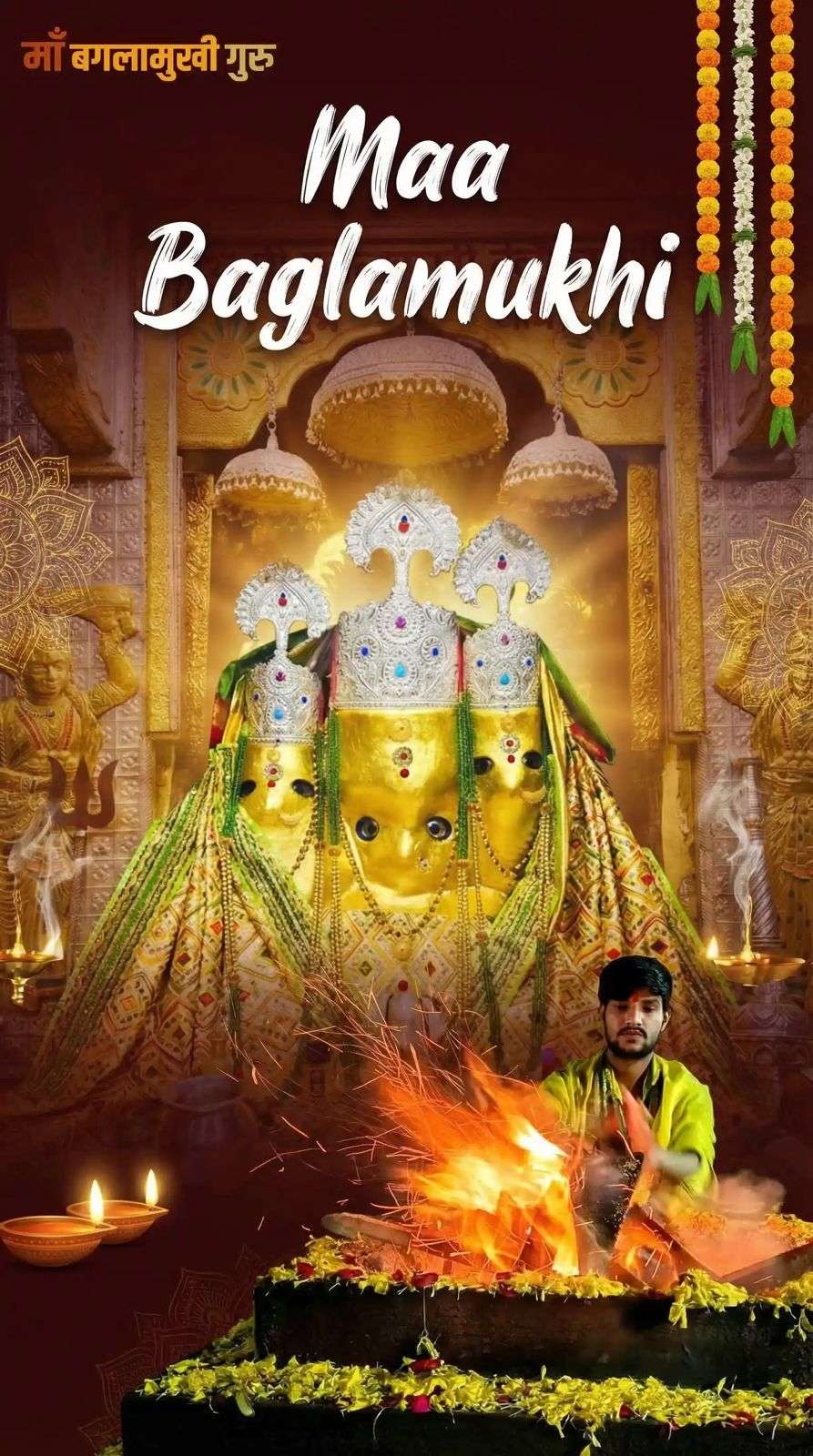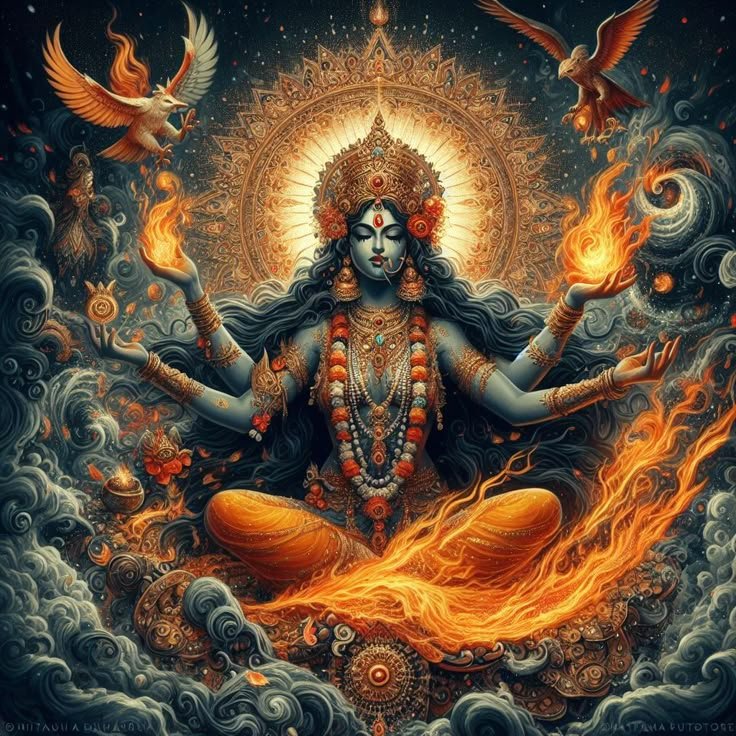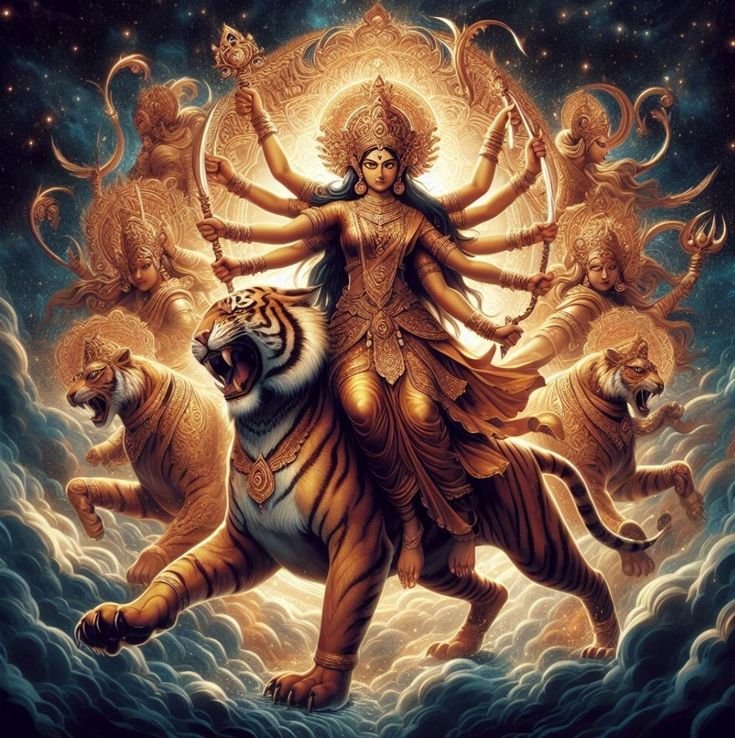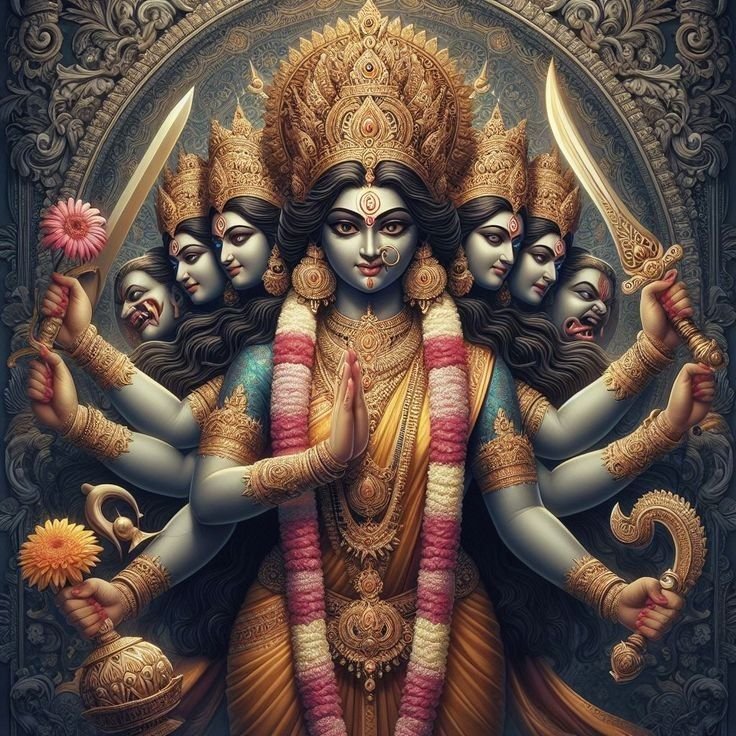

Of all the rituals connected with Maa Baglamukhi, the havan - the sacred fire ceremony - is the one devotees turn to when they want the worship completed with full force. Mantra japa builds the energy; the havan seals and offers it through Agni, the fire, who in the Vedic understanding carries every oblation to the divine. For those facing prolonged conflict, disputes, or persistent obstruction, a Baglamukhi havan performed correctly is considered the decisive step.
This guide explains the Baglamukhi havan honestly and completely - what it is, its traditional benefits, the samagri required, the step-by-step vidhi, and how it is performed at Nalkheda. Wherever a belief is described, it is presented as tradition holds it, not as a guaranteed outcome.
What is Baglamukhi havan?
A Baglamukhi havan is a sacred Vedic fire ritual (yajna) performed to invoke Maa Baglamukhi and her power of Stambhan - the stilling of hostility and obstacles. Offerings of ghee, herbs and grains are made into the consecrated fire while her mantra is chanted, so that the worship is carried through Agni to the Goddess.
In the Vedic tradition, fire is not a symbol but a living intermediary - the mouth that receives and conveys every oblation. A havan therefore completes and intensifies what mantra japa begins. When dedicated to Maa Baglamukhi, the fire ritual channels her protective, obstacle-stilling energy toward the devotee's stated sankalp.
Why is havan performed with Baglamukhi worship?
Havan is performed with Baglamukhi worship because fire is considered the most direct and powerful way to offer the accumulated energy of mantra japa. The ritual purifies the atmosphere, seals the sankalp, and is traditionally held to activate Baglamukhi's Stambhan Shakti with full intensity for protection and victory over obstacles.
There is also a practical, experiential side. A havan gathers the household or the sadhaka into a single focused act - the crackle of the fire, the rising fragrance of herbs and ghee, the steady rhythm of the mantra. This concentration of attention and intention is part of what devotees describe as the ritual's strength. The fire "closes the circuit" that japa opens.
Benefits according to tradition
In the devotional tradition, a Baglamukhi havan is believed to bring the following benefits. These are described as the fruits of faith and correctly performed ritual, not as guaranteed outcomes:
Protection from enemies, conspiracy and harmful intent
Steadiness and support in legal disputes and court matters
Removal of obstacles in business, career and finances
Relief from negativity and the effects of black magic, in traditional belief
Purification of the home and its atmosphere
Courage, confidence and freedom from fear
Peace of mind and spiritual strength
As always, serious practical matters - legal, medical, financial - call for proper worldly effort alongside the ritual. Faith and action work best together.
When should a Baglamukhi havan be performed?
A Baglamukhi havan is most auspicious during Gupt Navratri, Sharad and Chaitra Navratri, and on Tuesdays, as well as on the Ashtami tithi. Beyond the calendar, it is performed whenever a devotee faces a serious, pressing difficulty that calls for the complete, sealed form of worship.
For urgent matters, a havan can be arranged on a suitable day without waiting for a festival, calculated to an appropriate muhurta.
Samagri (materials required)
A Baglamukhi havan uses yellow-themed and traditional samagri, in keeping with Pitambara Devi's association with the colour yellow. Purity and correct materials matter, as the tradition treats each offering as meaningful.
The exact herb combination varies by the purpose of the havan and is best determined by the officiating priest.
Baglamukhi havan vidhi - step by step
A Baglamukhi havan follows a clear ritual sequence. Below is the essential order; a full anushthan-scale havan includes additional detailed procedures performed by trained priests.
Purification (shuddhi). Purify the space, the participants and the materials with Gangajal and sankalp of cleanliness.
Ganesh & kalash sthapana. Invoke Lord Ganesha for an obstacle-free ritual and establish the kalash.
Sankalp. State the devotee's name, gotra and precise intention - the ritual's target.
Invocation (avahana). Invite Maa Baglamukhi into the yantra or image with her mantra.
Agni sthapana. Kindle the sacred fire in the havan kund with proper procedure.
Ahuti (oblations). Offer ghee, herbs and grains into the fire with each recitation of the mantra, saying "Swaha."
Purnahuti. Make the final, full oblation with a coconut and ghee to seal the havan.
Aarti & prayer. Perform the Maa Baglamukhi aarti, offer prayers, and take blessings.
Prasad & bhasma. Distribute prasad and the sacred ash (bhasma), and tie the raksha sutra.
The havan mantra & ahuti method
During the havan, the Baglamukhi mantra is chanted with each oblation, ending in "Swaha" as the offering is placed in the fire. Her beej mantra is Hleem, and the mool mantra is used for the ahutis, repeated a fixed number of times according to the sankalp.
The number of ahutis is significant - commonly a fraction (often one-tenth) of the japa count completed beforehand, which is why havan usually follows a period of mantra japa or anushthan. You can find the mantra with its meaning in our Baglamukhi mantra guide and the beej mantra page. Correct pronunciation is essential; for this reason the havan mantra is best chanted by, or learned from, an experienced priest.
Havan vs anushthan - what is the difference?
A havan is a fire ritual - typically a single-day ceremony that offers and seals the worship. An anushthan is an intensive, multi-day discipline of continuous mantra japa (sometimes lakhs of repetitions) that usually culminates in a havan. In short, the anushthan builds the energy; the havan offers it.
For deep or long-standing concerns, devotees often choose the full Baglamukhi anushthan, which concludes with a havan.
Can you do a Baglamukhi havan at home?
A simple, small Baglamukhi havan can be done at home by a devotee who understands the basic vidhi, offers with sincerity, and maintains fire safety and purity. However, a full-scale havan with the correct mantra counts and procedures is best performed by experienced priests, because errors in mantra, sequence or ahuti are held in the tradition to weaken the result.
If you do perform a small havan at home, keep it modest and safe: a proper havan kund, good ventilation, controlled fire, and the mantra learned correctly beforehand. For anything connected to serious matters - court cases, black magic, persistent enemies - the wiser and safer path is to have the havan performed authentically under proper sankalp.
Rules, do's and don'ts
Common mistakes to avoid
Performing a large havan without training. Full-scale havans have exacting procedures; attempt only what you genuinely know, or have it performed by priests.
Ignoring the sankalp. Without a clear intention the ritual loses its focus.
Wrong or impure samagri. Materials matter; using the wrong herbs or impure ghee weakens the offering.
Poor fire safety. A havan involves an open flame - ventilation and care are non-negotiable.
Careless mantra. Incorrect pronunciation or count undermines the ritual.
Harmful intent. Contrary to the protective spirit of Baglamukhi's worship.
Baglamukhi havan online at Nalkheda
If you want the havan performed with full authenticity - correct samagri, correct mantra counts, and the right muhurta - our priests at Nalkheda Siddha Peeth perform Baglamukhi Havan on your behalf. We take your sankalp by name and gotra, perform the ritual with strict procedure, share the video, and courier the tirth prasad, bhasma and raksha sutra to your home - anywhere in the world.
Devotees from India, the USA, UK, Canada, Australia, UAE, Singapore, Nepal and Mauritius can book entirely online, with live sankalp and worldwide prasad delivery. For deeper concerns, ask about the full Baglamukhi Anushthan that concludes with a havan.
📞 Speak with Acharya Vishnu Sharma: +91 73895 67650, or message on WhatsApp for guidance and pricing before you book.
Quick summary
Baglamukhi havan is a Vedic fire ritual that offers and seals Baglamukhi worship through Agni.
Purpose: protection, court/legal support, obstacle removal, negativity relief - as traditional belief.
Best times: Gupt Navratri, Navratri, Tuesdays, Ashtami; or a determined muhurta for urgent needs.
Samagri: ghee, sesame, barley, turmeric, herbs and yellow offerings.
Havan vs anushthan: havan is the fire rite; anushthan is the multi-day japa it often completes.
At home: a small havan is possible; full-scale havans are best performed by experienced priests.
Conclusion
The Baglamukhi havan is where worship becomes complete - where the quiet accumulation of mantra is offered, through fire, to the Mother. Performed with clean intent, correct samagri and proper procedure, it stands as one of the most powerful forms of her worship. Keep a home havan simple and safe; for serious concerns, let the full ritual be done by those who know its discipline. May the sacred fire carry your prayers, and may the Goddess grant you protection and steadiness. Jai Maa Baglamukhi.
FAQ Section
1. What is Baglamukhi havan?
A Baglamukhi havan is a Vedic fire ritual in which ghee, herbs and grains are offered into a consecrated fire with the Baglamukhi mantra, to invoke her protective Stambhan Shakti for a devotee's sankalp.
2. What are the benefits of Baglamukhi havan?
Traditionally, protection from enemies, support in legal disputes, removal of business obstacles, relief from negativity, home purification, courage and peace of mind - described as fruits of faith, not guaranteed outcomes.
3. Can I do Baglamukhi havan at home?
A small, simple havan can be done at home with basic knowledge, sincerity and fire safety. Full-scale havans with correct mantra counts are best performed by experienced priests.
4. What samagri is needed for Baglamukhi havan?
Havan kund and wood, pure cow ghee, sesame, barley, rice, turmeric, traditional havan-samagri and herbs, plus yellow flowers, gram, jaggery and ritual items like a kalash and coconut.
5. Which mantra is chanted during Baglamukhi havan?
Her beej mantra is Hleem; the mool mantra is chanted with each oblation, ending in Swaha. Correct pronunciation is essential, so it is best chanted by an experienced priest.
6. When should a Baglamukhi havan be performed?
It is most auspicious during Gupt Navratri, Navratri, Tuesdays and Ashtami - or on a determined muhurta for urgent matters like court cases or persistent difficulties.
7. What is the difference between havan and anushthan?
A havan is a fire ritual, usually one day. An anushthan is a multi-day discipline of continuous mantra japa that often concludes with a havan. The anushthan builds the energy; the havan offers it.
8. How much does a Baglamukhi havan cost?
Cost depends on the scale and duration of the ritual. Contact the temple for current pricing; simple havans and full anushthan-scale havans are priced differently.
9. Can I book a Baglamukhi havan online from abroad?
Yes. The havan is performed in your name at the correct muhurta, with sankalp by name and gotra, live video, and prasad, bhasma and raksha sutra couriered to your address worldwide.
10. Is Baglamukhi havan safe?
Performed with proper sankalp and procedure, it is safe and protective. Any home havan must observe strict fire safety, and advanced rituals should be done under experienced guidance.
11. What do I receive after the havan?
Devotees typically receive prasad, sacred bhasma (ash) from the fire, and a raksha sutra, along with a video record when the havan is performed on their behalf.
12. Does a havan guarantee results?
No. The benefits are traditional and scriptural beliefs, not guarantees. Serious legal, medical or financial matters also require proper worldly effort and counsel.