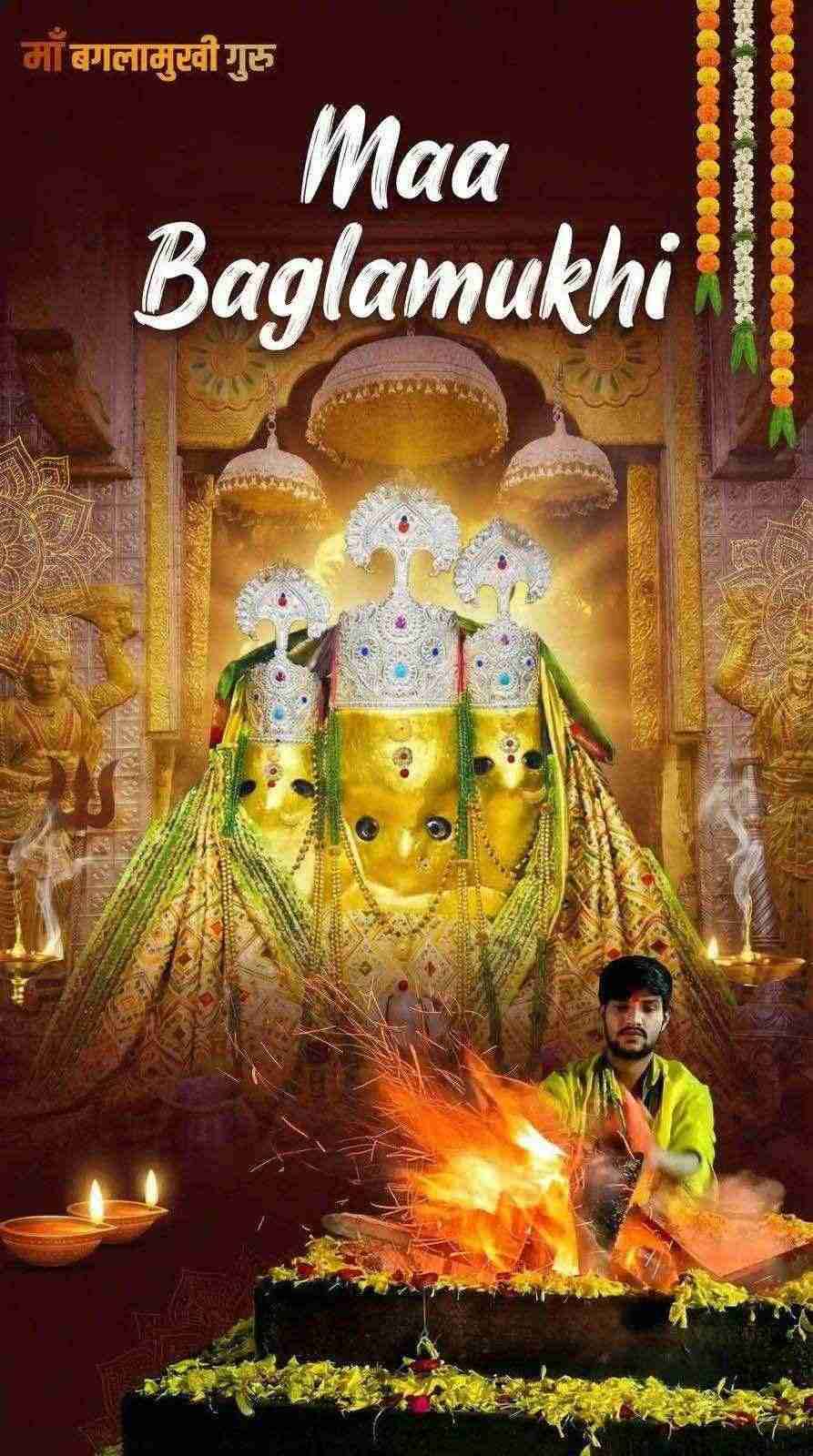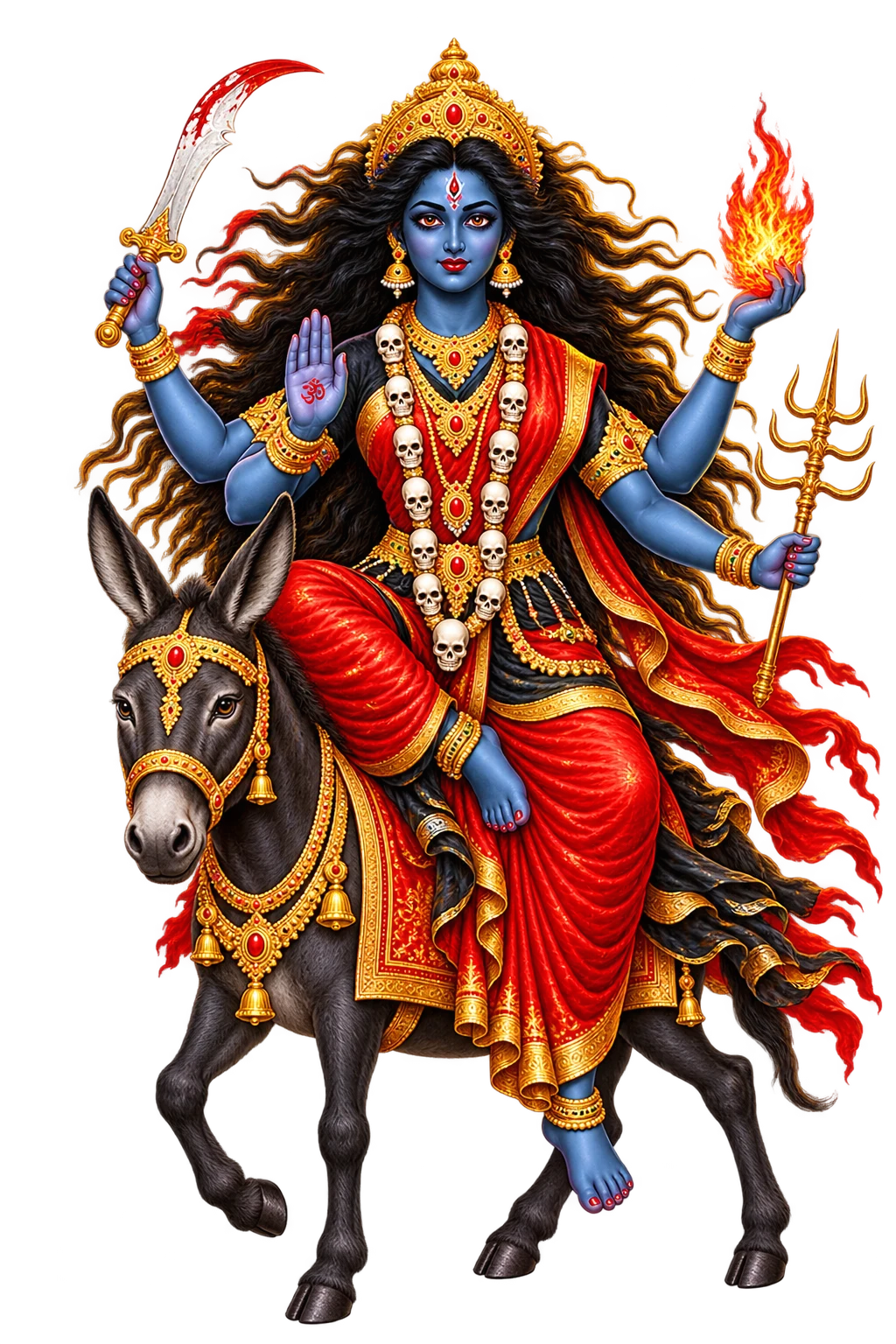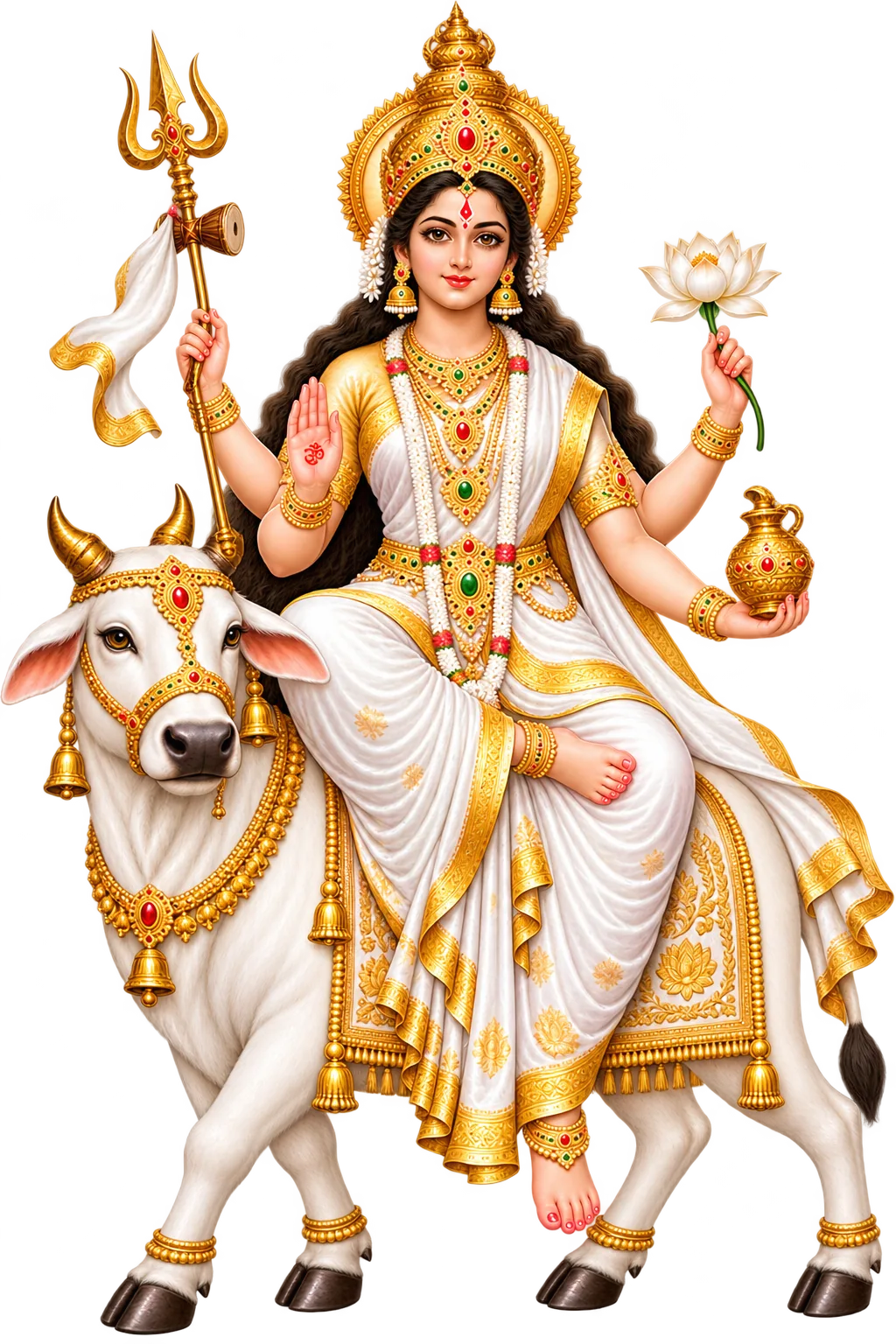

Aasadh Gupt Navratri 2026 begins on Wednesday, 15 July 2026 and ends on Thursday, 23 July 2026, spanning the Shukla Paksha Pratipada to Navami of the Aasadh (Ashadha) month. It is the second Gupt Navratri of the year - the "monsoon Navratri" - and is regarded by sadhaks as the most potent time for Mahavidya worship, especially Maa Baglamukhi Puja at the Nalkheda Siddha Peeth.
Aasadh Gupt Navratri 2026 Date & Panchang Details
Ghatasthapana muhurat differs by location; devotees booking at Nalkheda receive a personally calculated Siddha Muhurta from Acharya Pandit Vishnu Sharma.
What Makes Aasadh Gupt Navratri Special?
Aasadh Gupt Navratri arrives at the threshold of Chaturmas, when Lord Vishnu is said to enter Yoga Nidra and the cosmic guardianship passes to the Divine Mother. Sadhaks hold that during these nine monsoon nights:
Devi consciousness is at its annual peak, making mantra sadhana many times more fruitful.
The ten Mahavidyas - including Maa Baglamukhi, the goddess of Stambhan Shakti - respond swiftly to secret, disciplined worship.
Difficult, long-standing problems (court cases, enemies, black magic, debt) that resist ordinary remedies can be addressed through intensive rituals like the Baglamukhi Anushthan.
Unlike Sharad Navratri's public garba and pandals, Aasadh Gupt Navratri is inward: quiet fasting, private mantra jaap, and Sankalp-based worship - worship done gupt (secretly) is believed to multiply its own merit.
Day-Wise Worship in Aasadh Gupt Navratri 2026
Day 1 (15 July): Ghatasthapana, Sankalp, Maa Kali
Day 2 (16 July): Maa Tara
Day 3 (17 July): Maa Tripura Sundari (Shodashi)
Day 4 (18 July): Maa Bhuvaneshwari
Day 5 (19 July): Maa Chhinnamasta
Day 6 (20 July): Maa Tripura Bhairavi
Day 7 (21 July): Maa Dhumavati
Day 8 (22 July): Maa Baglamukhi - the most important day for Pitambara sadhana
Day 9 (23 July): Maa Matangi & Maa Kamala, Havan, Kanya Pujan
On Day 8, devotees wear yellow, offer haldi and yellow flowers, and chant the Baglamukhi Beej Mantra - Om Hleem - in multiples of 108.
Simple Puja Vidhi for Devotees at Home
Bathe before sunrise; wear clean yellow clothes.
Establish the Kalash on Day 1 with barley, water, mango leaves and coconut.
Light a ghee diya; offer turmeric, yellow flowers, besan sweets.
Chant your chosen Devi mantra daily on a haldi mala (minimum 1, 5 or 11 malas).
Maintain sattvic food, celibacy and truthfulness for all nine days.
Conclude with havan and daan on Navami.
Aasadh Gupt Navratri 2026 at Nalkheda Baglamukhi Siddha Peeth
The ancient Nalkheda Baglamukhi Temple in Madhya Pradesh is one of India's rare Siddha Peeths of Pitambara Devi. During Aasadh Gupt Navratri 2026 (15–23 July), Acharya Pandit Vishnu Sharma and his team of Vedic pandits conduct:
9-day Gupt Navratri Baglamukhi Anushthan (up to 1.25 lakh mantra jaap)
Daily Baglamukhi Havan with 36 sacred yellow samagris
Shatru Vinash, Court Case Victory, Vyapar Vridhi and Political Success rituals
Devotees who cannot travel can join through Online Baglamukhi Puja - with live Sankalp video call in your name and gotra, live streaming of every havan, and energized prasad (Raksha Sutra, bhasma, yantra) couriered worldwide.
FAQs on Aasadh Gupt Navratri 2026
Q1. When is Aasadh Gupt Navratri 2026?
It runs from 15 July 2026 (Ghatasthapana) to 23 July 2026 (Navami).
Q2. How is Aasadh Gupt Navratri different from Sharad Navratri?
Sharad Navratri is public and celebratory; Aasadh Gupt Navratri is secret, sadhana-oriented, and dedicated to the Das Mahavidyas.
Q3. Which puja is best during Aasadh Gupt Navratri?
Maa Baglamukhi Puja, Havan and Anushthan are traditionally considered the most powerful, as Baglamukhi is a principal Mahavidya of this period.
Q4. Can NRIs participate in Aasadh Gupt Navratri 2026 puja?
Yes - devotees from 50+ countries book online puja at Nalkheda with video Sankalp and international prasad delivery.
Q5. Is fasting compulsory?
No. Fast as per capacity; sincerity of Sankalp matters more than severity of vrat.
Book your Aasadh Gupt Navratri 2026 seva before 15 July - slots at the Siddha Peeth are limited.