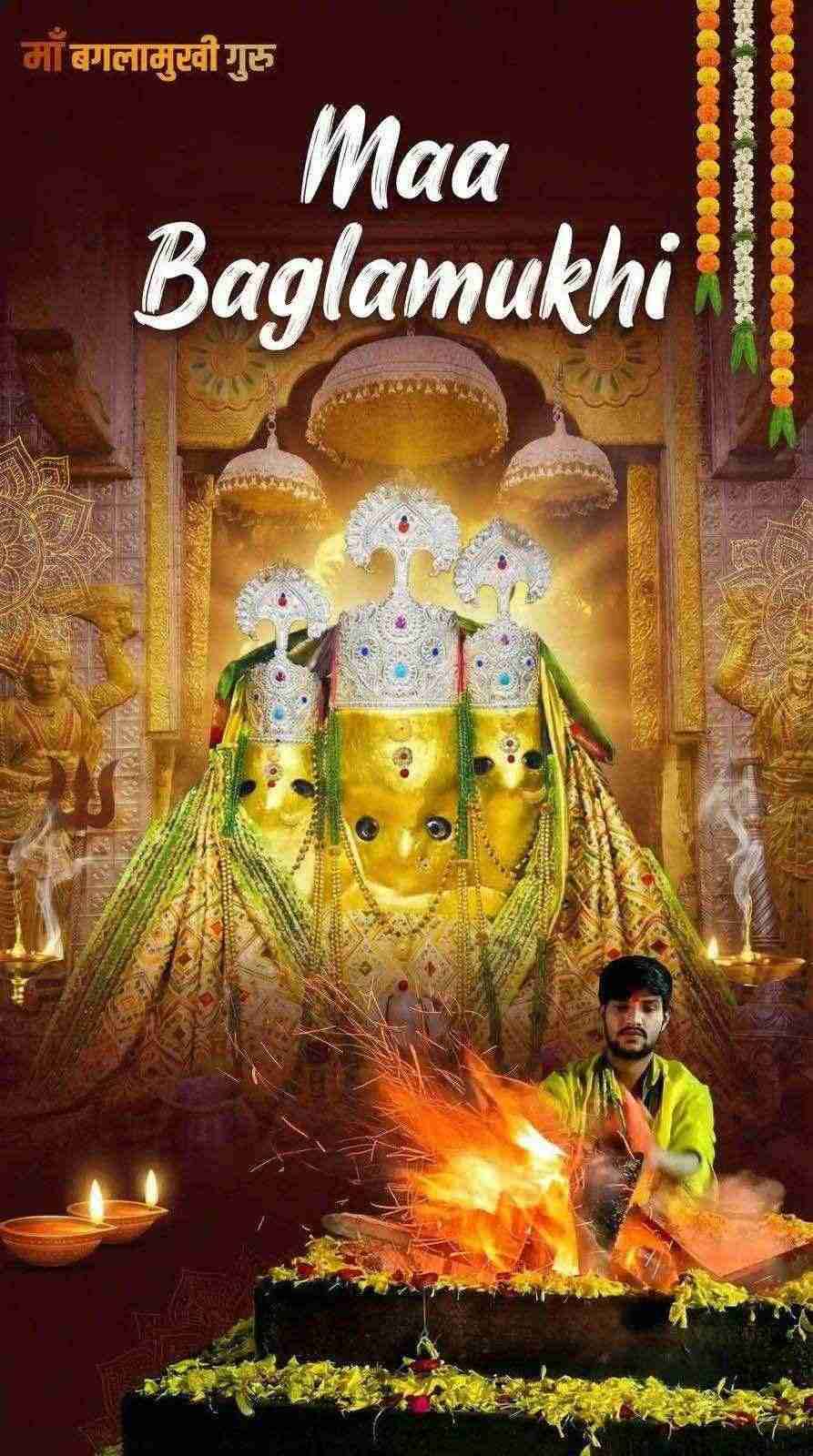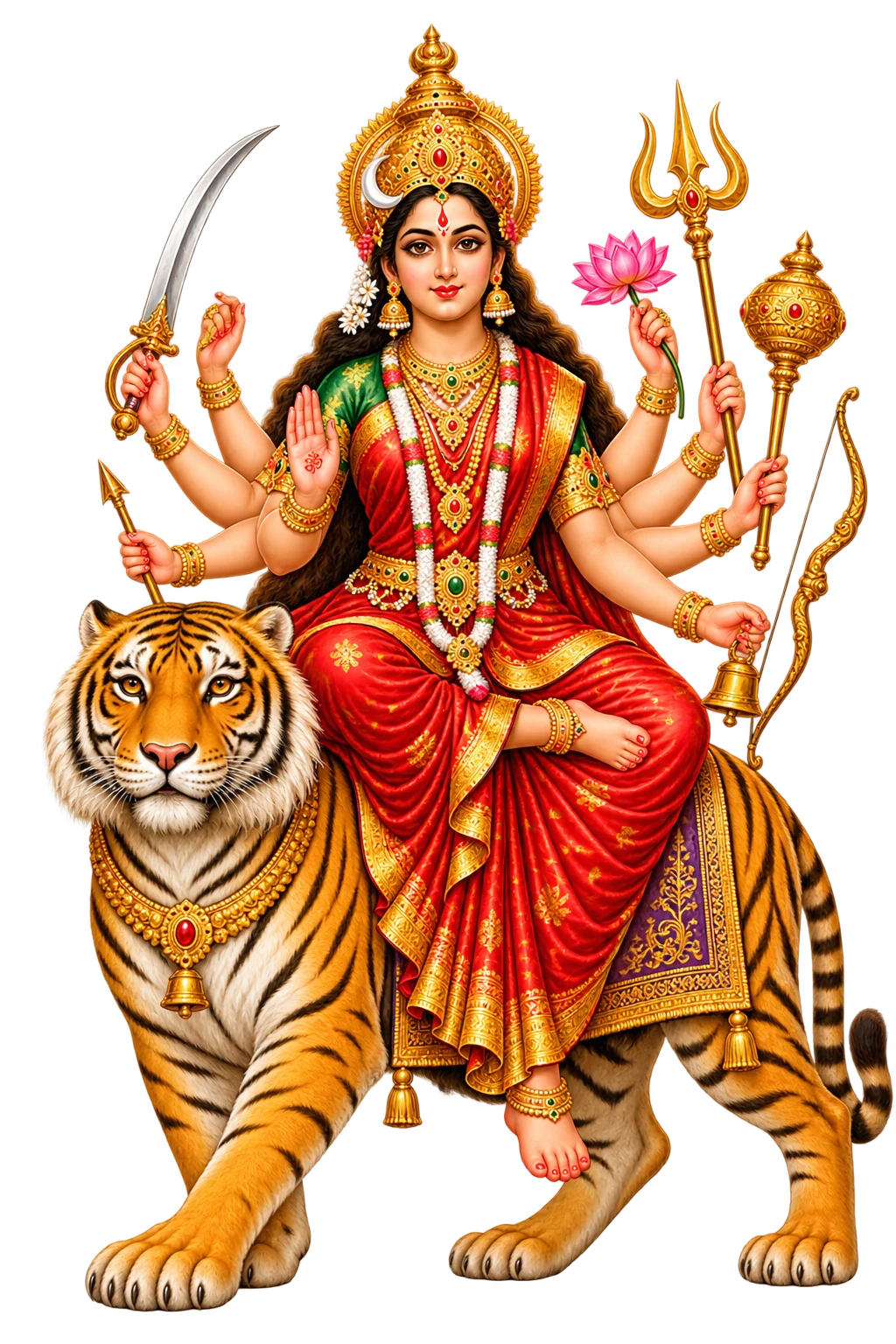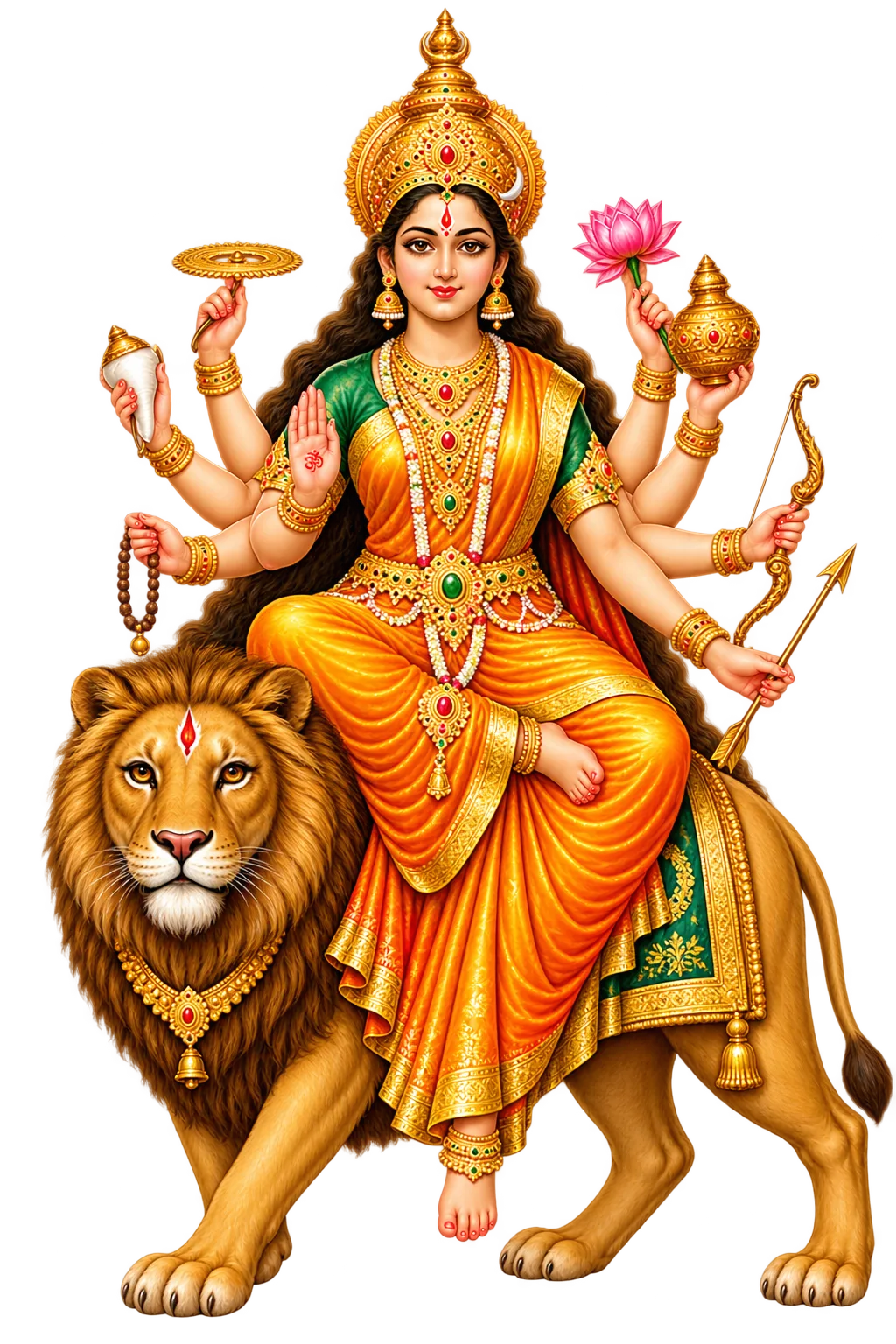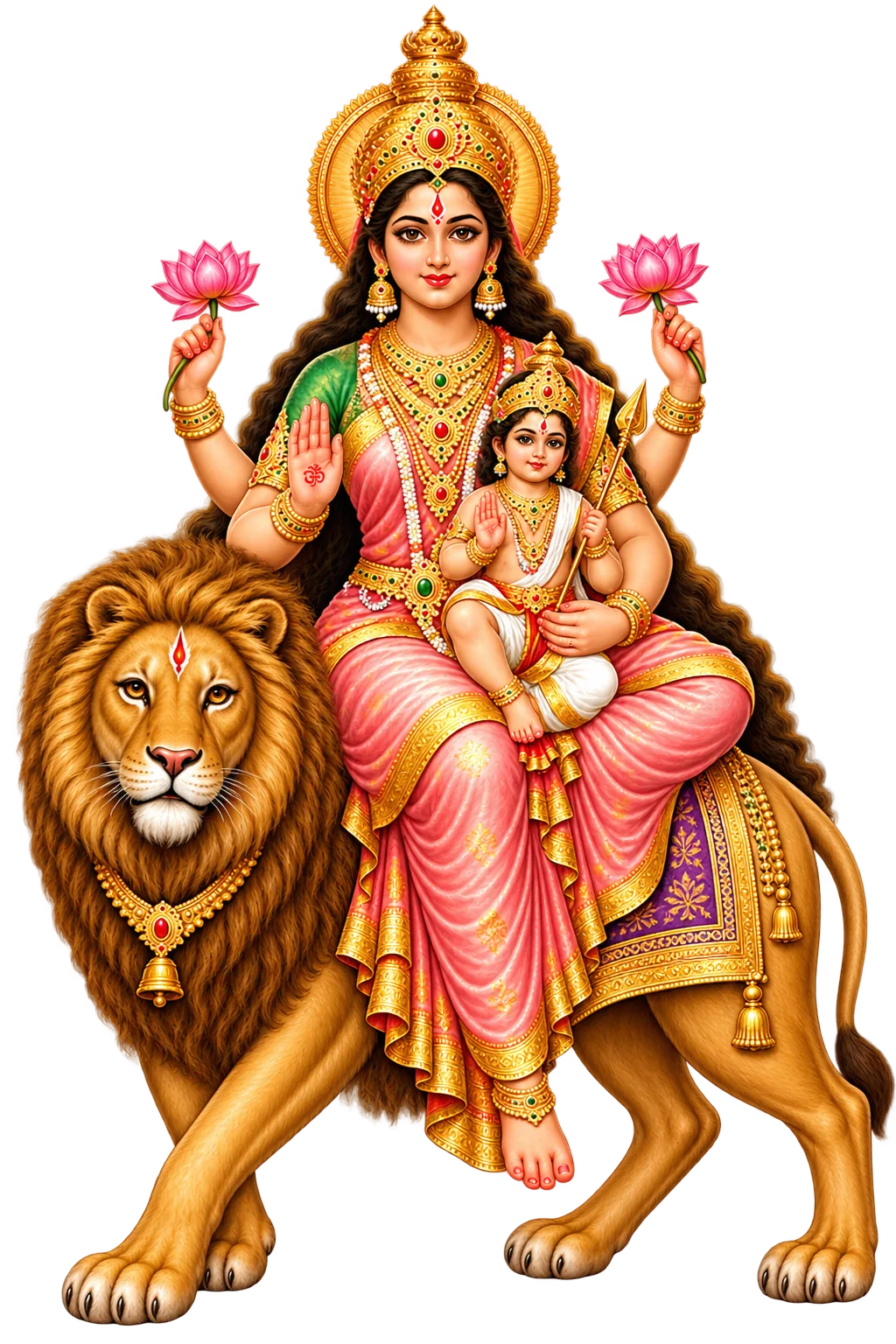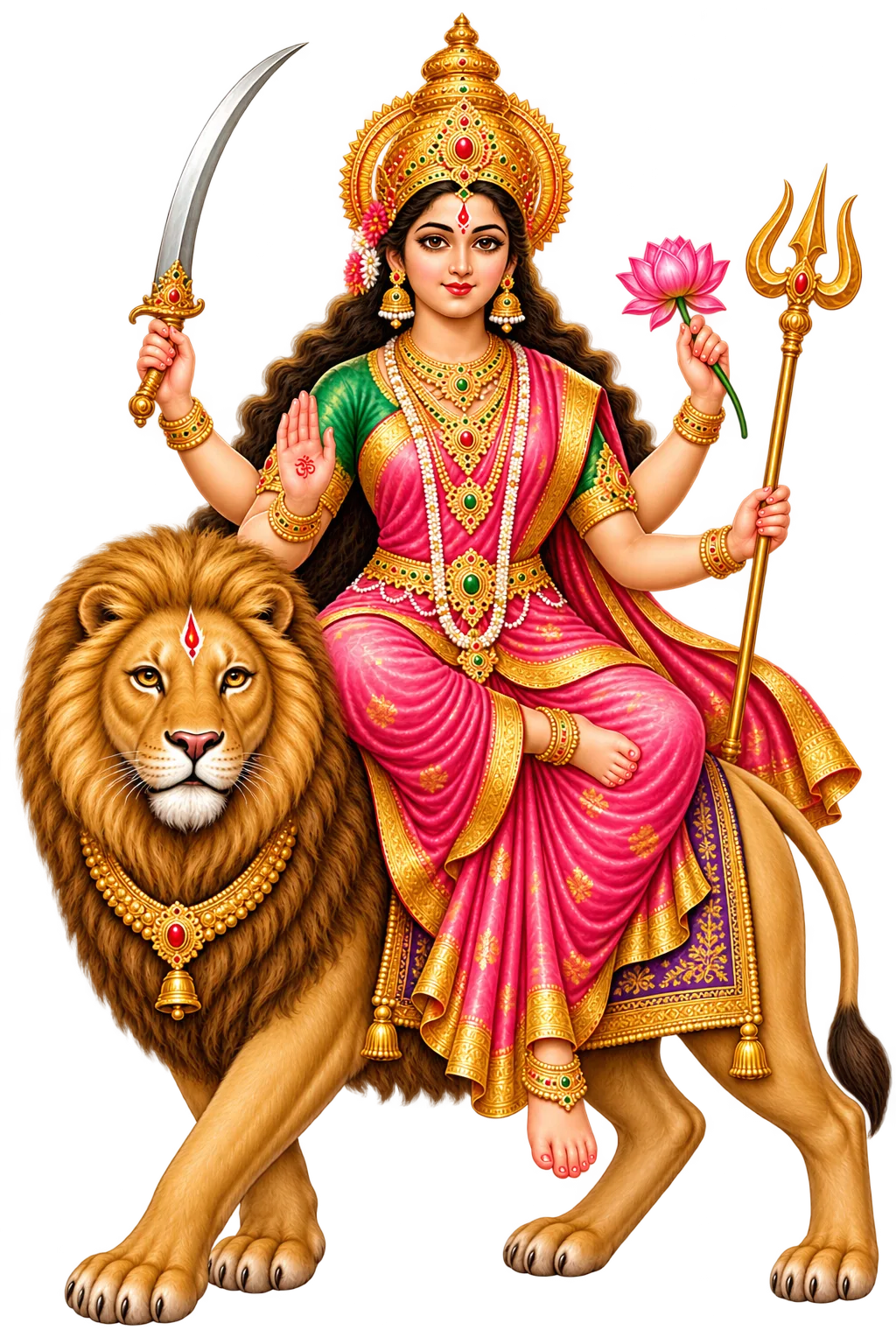

Maa Baglamukhi is one of the most fascinating and powerful deities in the Hindu Tantric tradition. As the eighth of the ten Mahavidyas (great wisdom goddesses), she occupies a unique position - the goddess who can paralyze the entire universe with a single thought. Her domain is Stambhan: the cosmic power to freeze, immobilize, and silence any force, whether human, natural, or supernatural.
This comprehensive guide covers everything about Maa Baglamukhi - her origin story, her place among the Das Mahavidyas, the meaning of her iconography, her temples across India, and why millions of devotees turn to her for protection and victory. For spiritual services, visit our About Maa Baglamukhi page.
Quick Answer: Maa Baglamukhi is the 8th Mahavidya (Great Wisdom Goddess) in the Hindu Tantric tradition. She is the goddess of Stambhan Shakti - the power to paralyze enemies, silence falsehood, and freeze negative forces. Also known as Pitambara Devi (the yellow-clad goddess), she manifested from the Haridra Sarovar (turmeric lake) to stop a cosmic storm that threatened creation.
Who Is Maa Baglamukhi?
Maa Baglamukhi - also known as Pitambara Devi, Brahmastra Roopini, and Stambhini Devi - is a form of the Supreme Goddess (Adi Shakti) who embodies the cosmic power of Stambhan (restraint/paralysis). The name “Baglamukhi” comes from:
“Bagala” / “Valga” - meaning “bridle” or “restraint” (the instrument used to control horses)
“Mukhi” - meaning “faced” or “one whose face is the bridle”
The name signifies a goddess whose very gaze has the power to stop anything in its tracks - whether it is a lying tongue, a hostile army, a raging storm, or the malicious thoughts of an enemy. She is the universal restraining force.
In simpler terms: if Goddess Durga destroys demons through battle, Maa Baglamukhi defeats them without fighting - by simply freezing them in place. This makes her particularly relevant to modern-day challenges where the “enemies” are lying lawyers, corrupt officials, office politics, business competitors, and online defamers.
The Origin Story of Maa Baglamukhi
According to the Swatantra Tantra and Kalki Purana traditions, Maa Baglamukhi’s manifestation is one of the most dramatic divine appearances in Hindu mythology.
The Cosmic Storm
In the Satya Yuga (the first age of the cosmic cycle), a devastating storm arose that threatened to destroy all creation. The wind was so violent that mountains crumbled, oceans surged beyond their shores, and the very fabric of the universe began to tear apart. The gods were powerless against this cosmic destruction.
Vishnu’s Meditation
In desperation, Lord Vishnu performed intense meditation at the Haridra Sarovar (a mystical lake of turmeric) in the Saurashtra region. His meditation was so deep and so focused that it activated the primordial Shakti - the feminine cosmic force that predates all creation.
The Golden Goddess Manifests
From the golden waters of the Haridra Sarovar, Maa Baglamukhi emerged in radiant yellow form. Her complexion was golden like turmeric, her clothes were yellow, her ornaments were yellow, and she sat upon a yellow lotus throne. The entire creation was bathed in her golden light.
The Cosmic Stambhan
In a single moment, without weapon or warfare, Maa Baglamukhi simply willed the storm to stop. The winds froze mid-gust. The churning oceans became still as glass. The crumbling mountains held steady. She had performed the first act of Stambhan - the complete paralysis of destructive forces through pure divine will.
This original act of cosmic Stambhan is what devotees invoke in their personal lives. When they chant Baglamukhi mantras for court cases, enemy problems, or business obstacles, they are calling upon the same power that once stopped the storm that was destroying the universe.
Maa Baglamukhi Among the Das Mahavidyas
The Das (ten) Mahavidyas represent ten aspects of the Supreme Goddess, each embodying a specific cosmic function:
Maa Baglamukhi’s position as the 8th Mahavidya is significant. In Vedic numerology, 8 represents Saturn (Shani) - the planet of karma, justice, and consequences. This aligns perfectly with Baglamukhi’s role: she ensures that karmic justice is served, that liars face consequences, and that the righteous prevail.
She is also called “Brahmastra Roopini” because the Brahmastra (the most powerful weapon in Hindu mythology, capable of destroying anything) is considered a manifestation of her energy. Where the Brahmastra destroys through force, Maa Baglamukhi achieves the same result through restraint - stopping the destruction without creating new destruction.
Iconography - Why Is She Yellow?
Every visual element of Maa Baglamukhi carries deep symbolic meaning:
The Golden/Yellow Colour
Yellow (Peeta) is the colour of the planet Jupiter (Brihaspati) in Vedic astrology. Jupiter represents wisdom, dharma, teaching, and divine grace. Maa Baglamukhi’s golden form signifies that she operates through wisdom and divine intelligence, not brute force. Her solutions are elegant - she doesn’t destroy the enemy, she simply removes their power to cause harm.
Yellow also represents Haldi (turmeric), which is both sacred and medicinal in Indian culture. Just as turmeric heals and purifies, Maa Baglamukhi heals situations by purifying them of falsehood and negativity.
The Tongue-Pulling Gesture
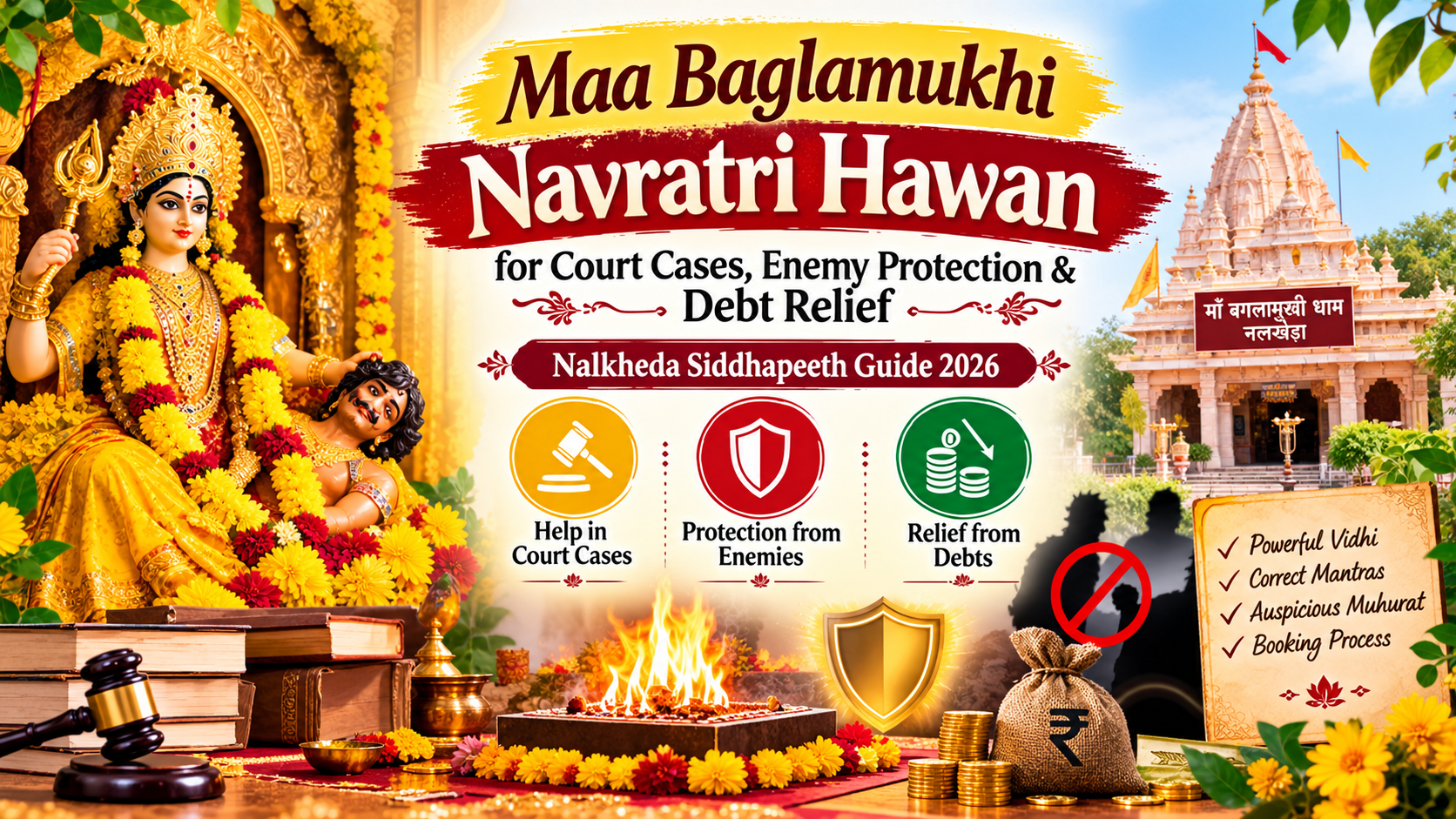
In her most iconic form, Maa Baglamukhi is shown pulling the tongue of a demon (Madan) with her left hand while striking his head with a mace (gada) in her right hand. This represents:
Left hand pulling tongue - silencing false speech, stopping lies, controlling hostile communication
Right hand with mace - striking the ego and arrogance that generates hostility
The demon Madan - represents “Mada” (intoxication of pride) that makes enemies behave irrationally
The Yellow Lotus Throne
She sits on a yellow lotus in a golden lake, signifying that she rises above the muck of worldly conflicts while remaining accessible to those trapped in it. The lotus represents purity amidst chaos - no matter how dirty the water (how complex your problems), the goddess remains pure and effective.
The Concept of Stambhan Shakti
Stambhan is Maa Baglamukhi’s unique contribution to the cosmic order. While other Mahavidyas destroy, create, or transform, Baglamukhi restrains. Stambhan operates in several dimensions:
All six forms are activated through the Baglamukhi Mool Mantra, making it one of the most comprehensive defensive mantras in the entire Vedic tradition.
Major Baglamukhi Temples in India
To book puja at Nalkheda Siddha Peeth or learn about the temple, visit our Baglamukhi Temple Nalkheda page.
Why Do People Worship Maa Baglamukhi?
Maa Baglamukhi’s devotees come from every walk of life, united by a common need: protection and justice. The most common reasons include:
Court case victory - lawyers, litigants, and accused persons seeking favourable verdicts
Enemy protection - people facing active threats from known or unknown adversaries
Career advancement - government job aspirants, corporate professionals, business owners
Black magic removal - families experiencing unexplained suffering, illness, or financial losses
Political success - candidates, elected officials, and party workers seeking influence
Academic excellence - students in competitive exams needing concentration and victory over competition
Spiritual growth - Tantric practitioners, Mahavidya sadhakas, and seekers of Vaak Siddhi
Explore the full range of Maa Baglamukhi Services available at our centre.
How to Begin Maa Baglamukhi Worship
For newcomers, here is the simplest path to begin:
Start with daily Baglamukhi Chalisa recitation (10–15 minutes)
Add the Baglamukhi Kavach for daily protection (8–10 minutes)
Begin Beej Mantra jaap - “Om Hleem” × 108 daily
When ready, progress to the Mool Mantra for specific problems
For maximum results, book a professional Hawan at Nalkheda Siddha Peeth
This graduated approach lets you build a relationship with the goddess before taking on intensive sadhana. Explore our complete service offerings for guidance.
Maa Baglamukhi in the Modern World
In today’s world, the “enemies” have evolved - they are social media trolls, corporate saboteurs, corrupt bureaucrats, biased media, and invisible online attackers. But Stambhan Shakti remains as relevant as ever. The power to silence lies, freeze hostile actions, and protect truth transcends any era.
Modern devotees include high-profile lawyers who recite the Kavach before court, politicians who perform annual Baglamukhi hawan, CEOs who keep energized yantras in their offices, and students who chant beej mantras before exams. The goddess’s relevance has only grown as conflict and competition have intensified in contemporary life.
Frequently Asked Questions
Is Maa Baglamukhi a Tantric goddess?
Yes. She belongs to the Das Mahavidya Tantric tradition. However, her worship has both Tantric (advanced mantra sadhana, hawan, anushthan) and Bhakti (devotional prayer, Chalisa) paths. Anyone can worship her through the devotional path without Tantric initiation.
Is Baglamukhi worship suitable for beginners?
Absolutely. Start with the Chalisa and Kavach, which require no special initiation. Progress to mantra jaap when comfortable. The goddess welcomes all sincere devotees regardless of experience level.
Why is yellow so important in Baglamukhi worship?
Yellow represents Jupiter (wisdom), turmeric (purification), and gold (divine wealth). Wearing yellow, offering yellow flowers, and using haldi are all ways to align with the goddess’s vibrational frequency.
Can non-Hindus worship Maa Baglamukhi?
Maa Baglamukhi is a cosmic force, not limited by religious boundaries. Anyone who approaches her with sincerity and respect can benefit from her grace. The goddess does not discriminate.
What is the difference between Baglamukhi and Pitambara Devi?
They are the same goddess. “Pitambara” means “yellow-clad” and is an alternate name. The Pitambara Peeth in Datia and the Baglamukhi temple in Nalkheda worship the same deity.
Connect with Maa Baglamukhi
Maa Baglamukhi’s grace is available to everyone who seeks it with sincerity. Begin with a simple daily prayer and watch her protection unfold in your life. For personalized guidance, connect with Acharya Vishnu Sharma or book a puja at Nalkheda Siddha Peeth.