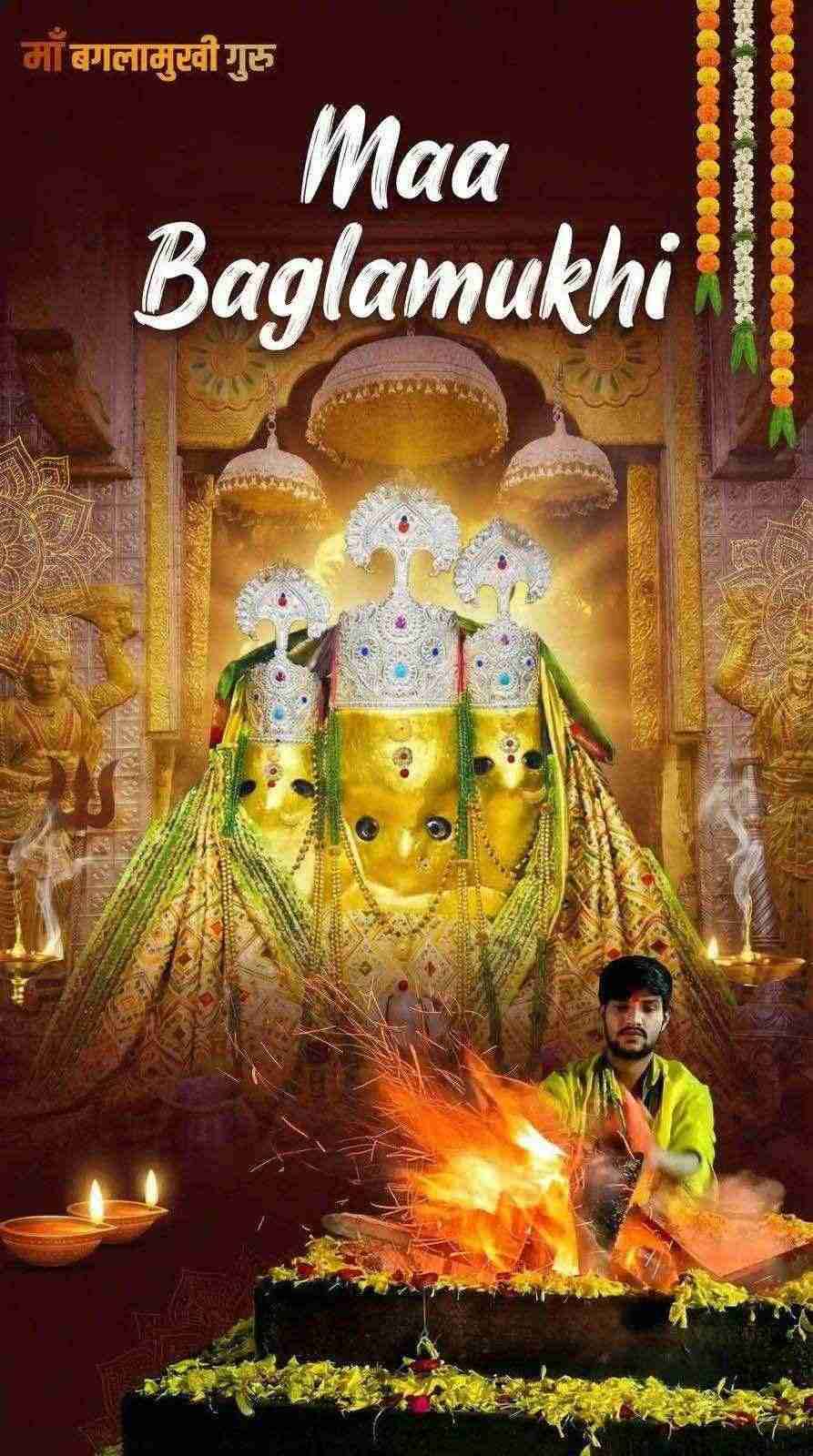

Some difficulties do not yield to a single prayer. When a problem has settled in and refuses to move - a case that drags for years, an enemy who will not relent, a crisis that has resisted every remedy - the tradition answers with its deepest instrument: the anushthan, a sustained nine-day discipline of mantra and fire. And of all times to undertake it, the tradition holds few more powerful than Gupt Navratri, when the nine nights themselves are devoted to the Mahavidyas. In 2026, that window is 15 to 23 July.
This guide explains the Gupt Navratri 2026 Baglamukhi anushthan - what the nine-day sadhana involves, its rules and process, its benefits, and why it is performed under experienced guidance. Wherever a belief is described, it is presented as tradition holds it, not as a guaranteed outcome.
What is a Gupt Navratri Baglamukhi anushthan?
A Gupt Navratri Baglamukhi anushthan is an intensive nine-day sadhana in which the Baglamukhi mantra is chanted a fixed, high number of times across the festival under strict rules, concluding with a havan - undertaken for a specific, serious purpose stated in a clear sankalp.
Unlike a single puja or havan, an anushthan is a sustained campaign of worship, bound by rules of count, timing, diet and conduct from the first day to the last. Performed across the nine nights of Gupt Navratri, it aligns this intensity with a season the scriptures reserve for Mahavidya sadhana - which is why it is considered the most complete way to seek Maa Baglamukhi's grace for a deep-rooted difficulty.
Why the nine nights are ideal for it
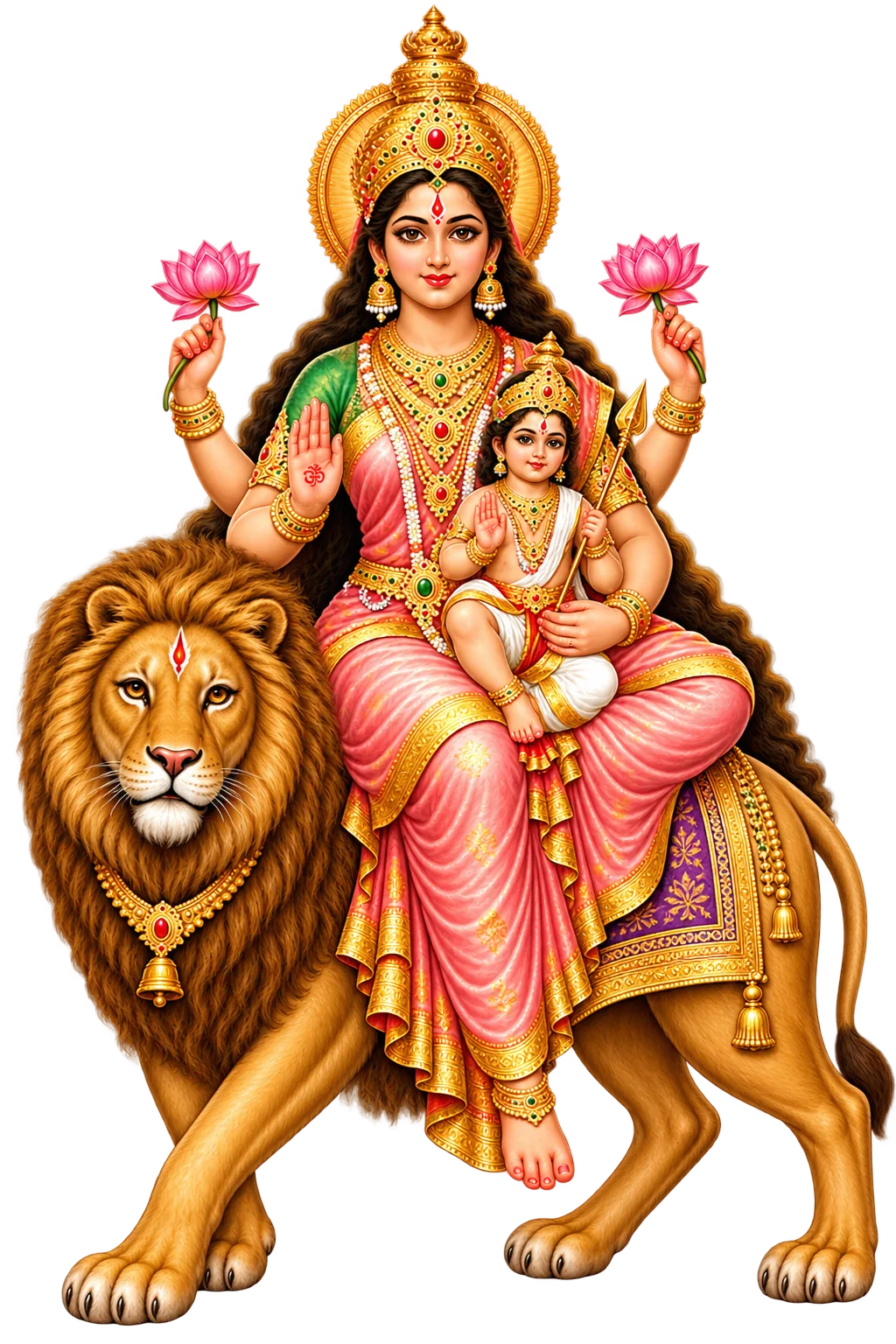
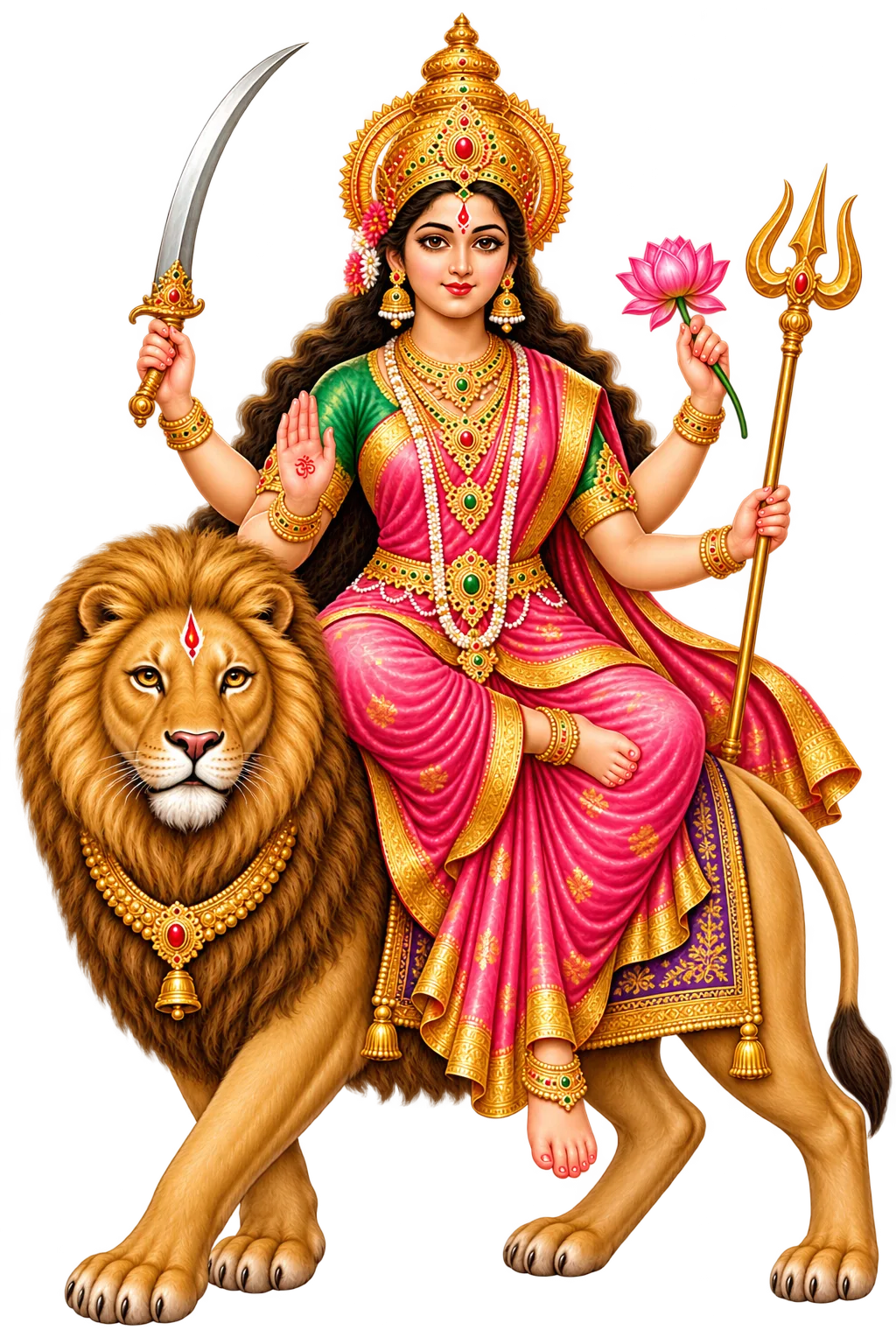
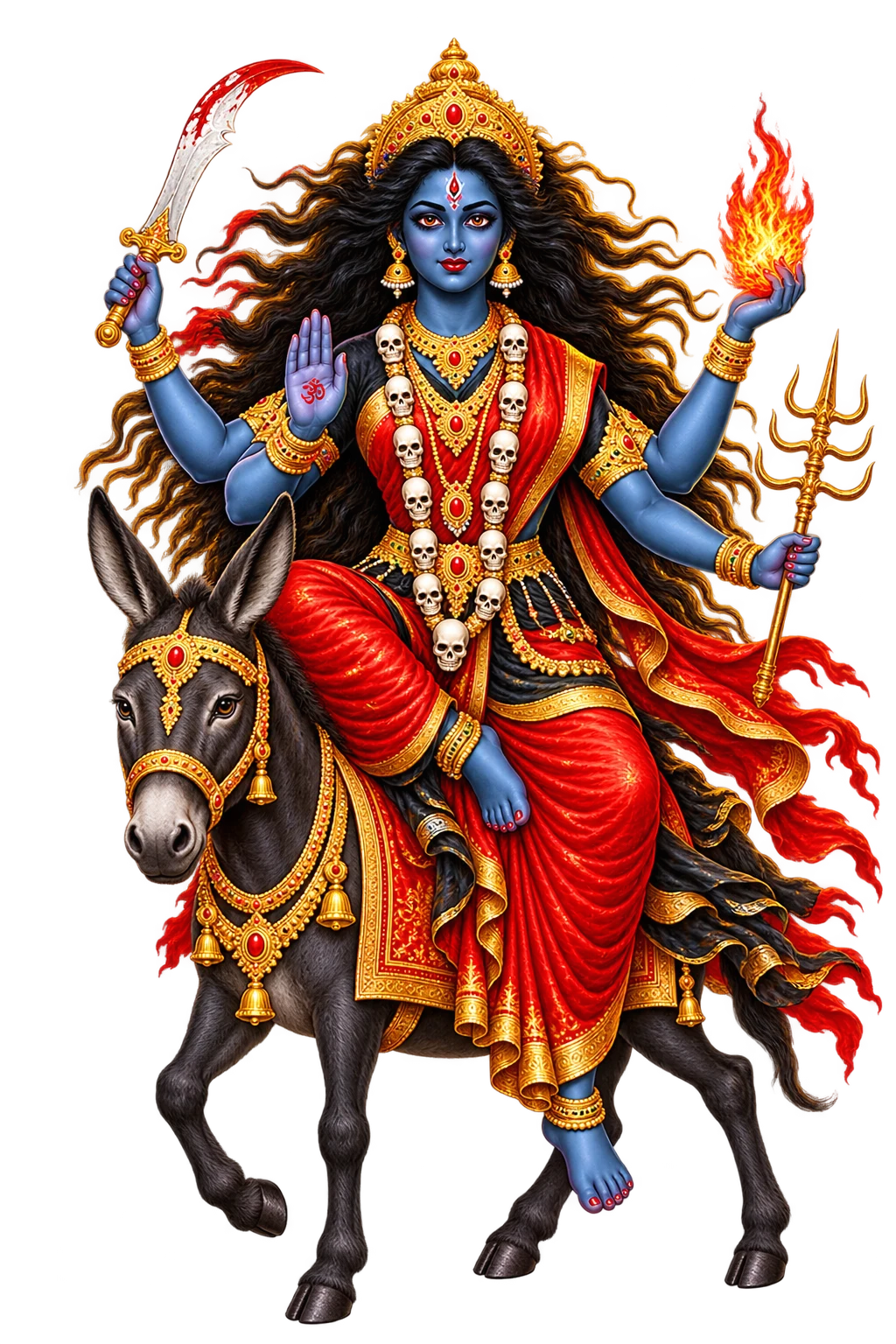
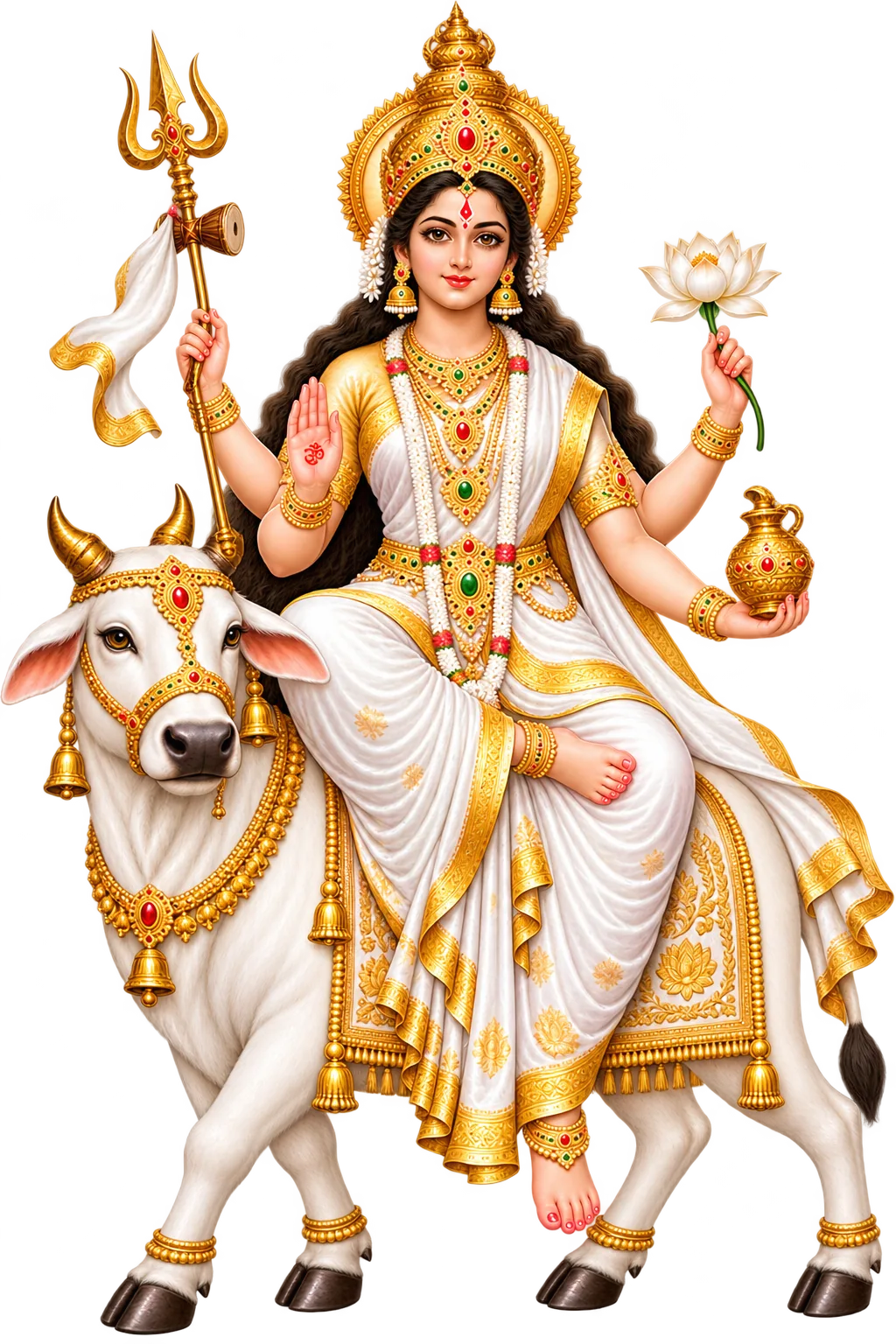
Gupt Navratri is ideal for a Baglamukhi anushthan because its nine days map naturally onto a nine-day sadhana, and because the season itself is dedicated to the ten Mahavidyas, of whom Baglamukhi is the eighth. The tradition holds this a peak period for her worship.
There is a natural fit here. An anushthan needs an unbroken stretch of disciplined days; Gupt Navratri provides exactly that, framed by the festival's own energy and observances. Beginning on Ghatasthapana and concluding on Navami, the sadhana rides the rising intensity of the nine nights and is sealed by a havan at their peak. Few settings suit the anushthan as well.
Gupt Navratri 2026 dates for the anushthan
Ashadha Gupt Navratri 2026 runs from 15 July to 23 July - nine days that frame the anushthan from Ghatasthapana to the concluding havan.
For a specific need, acharyas may set the count and concluding day according to the devotee's sankalp and the tradition's guidance.
The nine-day structure - day by day
A nine-day anushthan follows a clear arc - invocation, sustained japa, and a sealing havan. The following shows the essential structure; a full anushthan includes additional detailed rites performed by trained acharyas.
Understanding the mantra count
An anushthan is defined by its fixed mantra count - commonly a purashcharana running into lakhs of repetitions of the mool mantra, with the intensive form often set around 1.25 lakh (125,000). The count is completed across the nine days and is not arbitrary.
Tradition links the japa total to the accompanying rites in fixed proportions - typically a tenth for the havan (ahutis), and further fractions for tarpan and marjan. This is why the anushthan must be carried through correctly and in proportion; the counts and the rites built upon them form a single, complete undertaking. You can read the mantra itself in our Baglamukhi mantra guide and the beej mantra page.
Rules of the anushthan (niyam)
A Gupt Navratri anushthan is governed by strict niyam, observed unbroken across all nine days:
Unbroken continuity. The daily count and practice are completed without a single break.
Fixed count, time and place. The same daily japa total, hours and seat throughout.
Strict purity. Daily bathing, clean clothes, a purified space, a turmeric mala.
Sattvic diet and often brahmacharya. No onion, garlic, meat, alcohol or intoxicants; restraint and celibacy through the period.
Truth and calm. Avoidance of anger, deceit, quarrels and idle talk.
Privacy. The anushthan and its sankalp are kept quiet.
An honest sankalp. The purpose is stated precisely and ethically at the outset.
Right intention. Protection and resolution - never harm to an innocent person.
Benefits according to tradition
In the devotional tradition, a correctly performed Gupt Navratri Baglamukhi anushthan is believed to bring the deepest fruits of her worship. These are described as fruits of faith and disciplined ritual, not guaranteed outcomes:
Powerful protection from enemies, conspiracy and negativity
Resolution of deep-rooted or long-standing difficulties
Strong support in serious disputes and legal matters
Relief from persistent obstacles in business and finances
Removal of the effects of black magic, in traditional belief
Lasting courage, steadiness and spiritual strength
Purification of the atmosphere around the devotee
Who should consider it
A Gupt Navratri anushthan is for those facing a serious, deep-rooted, or long-resisting difficulty who seek the most complete form of Baglamukhi's worship during her most powerful season. It suits prolonged disputes, persistent enemies, stubborn financial crises, and black-magic concerns.
For lighter or newer difficulties, a simple Gupt Navratri puja or a single havan may be enough. The anushthan is the tradition's response to the heaviest problems; if you are unsure which level your situation calls for, describe it to an experienced acharya, who can recommend proportionately.
Why it needs trained acharyas
An anushthan should be performed under trained acharyas because its counts, proportions, timing, diet and conduct are exacting, and errors are held in the tradition to weaken or distort the result. Sustaining lakhs of correctly pronounced repetitions unbroken over nine days, with proportionate havan and concluding rites, is not a task for the untrained.
A single serious lapse - a broken count, a mispronounced mantra, a neglected rule - can compromise the whole undertaking. This is precisely why serious devotees have the anushthan performed on their behalf: trained acharyas carry the discipline and procedure correctly while the devotee provides the sankalp and receives the fruits.
Booking a Gupt Navratri 2026 anushthan
Our acharyas at Nalkheda Siddha Peeth perform the Baglamukhi Anushthan across Gupt Navratri 2026 with correct counts, proportionate rites and the right muhurta. We take your sankalp by name and gotra, maintain the discipline through the nine days, perform the concluding havan on an auspicious day, share updates and the havan video, and courier the tirth prasad, bhasma and raksha sutra to your home - anywhere in the world.
Devotees from India, the USA, UK, Canada, Australia, UAE, Singapore, Nepal and Mauritius are welcome. Because a nine-day anushthan must begin with the festival, early booking is essential.
📞 Book your Gupt Navratri anushthan: +91 73895 67650, or message on WhatsApp for guidance and pricing. Please book before 15 July 2026.
Quick summary
Gupt Navratri anushthan is an intensive nine-day mantra-and-fire sadhana for serious problems.
2026 window: 15–23 July - the nine nights map onto the nine-day sadhana.
Structure: Ghatasthapana and sankalp (Day 1) → daily fixed-count japa → concluding havan on Ashtami/Navami.
Count: a purashcharana, often ~1.25 lakh, completed in proportion with the rites.
Needs trained acharyas - errors weaken the result.
For deep, persistent matters; lighter needs suit a puja or single havan.
Conclusion
The Gupt Navratri anushthan is faith at its most determined - nine unbroken days of discipline offered to Maa Baglamukhi during the very season of the Mahavidyas. Its power lies in that rigour, which is why it is entrusted to those trained in it. If your difficulty is heavy and long-resisting, and you seek the fullest measure of the Mother's grace, the nine nights of 2026 offer the most powerful setting the year provides. Undertake it correctly, sincerely, and with an honest heart. Jai Maa Baglamukhi.
FAQ Section
1. What is a Gupt Navratri Baglamukhi anushthan?
It is an intensive nine-day sadhana in which the Baglamukhi mantra is chanted a fixed high number of times across Gupt Navratri under strict rules, concluding with a havan, for a specific serious purpose.
2. Why is Gupt Navratri ideal for the anushthan?
Because its nine days map onto a nine-day sadhana, and the season is dedicated to the ten Mahavidyas, including Baglamukhi - considered a peak period for her worship.
3. What are the Gupt Navratri 2026 dates for the anushthan?
The anushthan runs across 15–23 July 2026, beginning on Ghatasthapana (15 July) and concluding with a havan on Ashtami or Navami (22–23 July).
4. How many mantras are chanted in the anushthan?
A purashcharana, often running into lakhs - commonly around 1.25 lakh (125,000) repetitions of the mool mantra - completed across the nine days in proportion with the havan and concluding rites.
5. What are the rules of the anushthan?
Unbroken continuity, a fixed daily count/time/place, strict purity, a sattvic diet (often with brahmacharya), truthfulness, privacy, and a clear, honest sankalp.
6. Can I do the anushthan myself at home?
It is not advisable. The exacting counts, proportions and conduct mean errors can weaken the result. An anushthan should be done under a guru or by trained acharyas.
7. What are the benefits of a Gupt Navratri anushthan?
Traditionally, powerful protection, resolution of deep-rooted difficulties, support in serious disputes, and lasting steadiness - described as fruits of faith, not guarantees.
8. Who should consider a Gupt Navratri anushthan?
Those facing serious, deep-rooted or long-resisting problems who want the most complete form of Baglamukhi's worship. Lighter needs suit a simple puja or single havan.
9. Can I have the anushthan performed on my behalf?
Yes. Trained acharyas perform it with correct procedure while you provide the sankalp; you receive updates, the concluding havan video, and prasad.
10. Can I book a Gupt Navratri anushthan online from abroad?
Yes. Sankalp is taken by name and gotra, the anushthan is performed across the festival, and the havan video, prasad, bhasma and raksha sutra are couriered to you worldwide.
11. When should I book the anushthan?
Well before 15 July, since a nine-day anushthan must begin with the festival and preparation is needed.
12. Does an anushthan guarantee results?
No. The benefits are traditional and scriptural beliefs, not guarantees. Serious legal, medical or financial matters also require proper worldly effort and counsel.