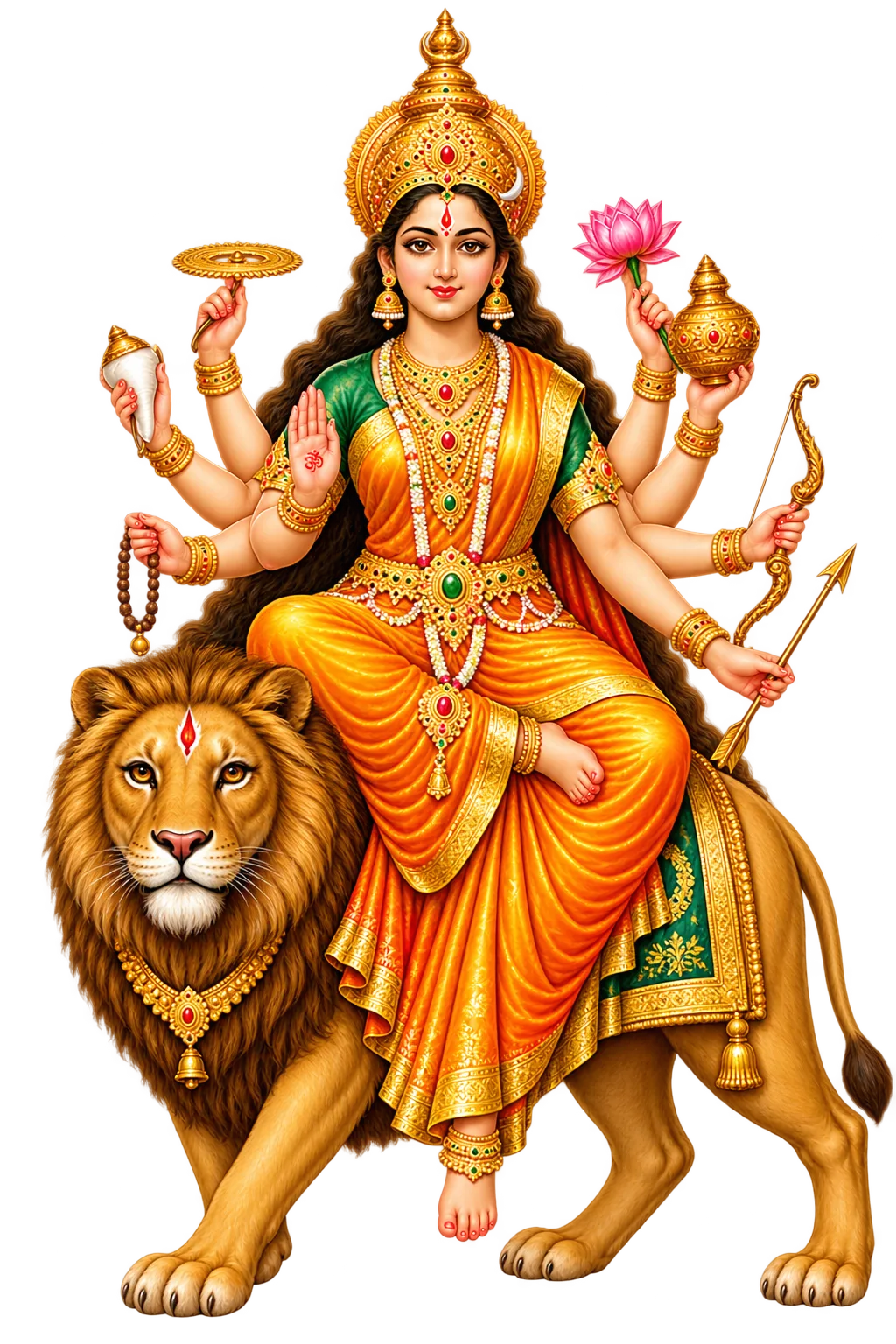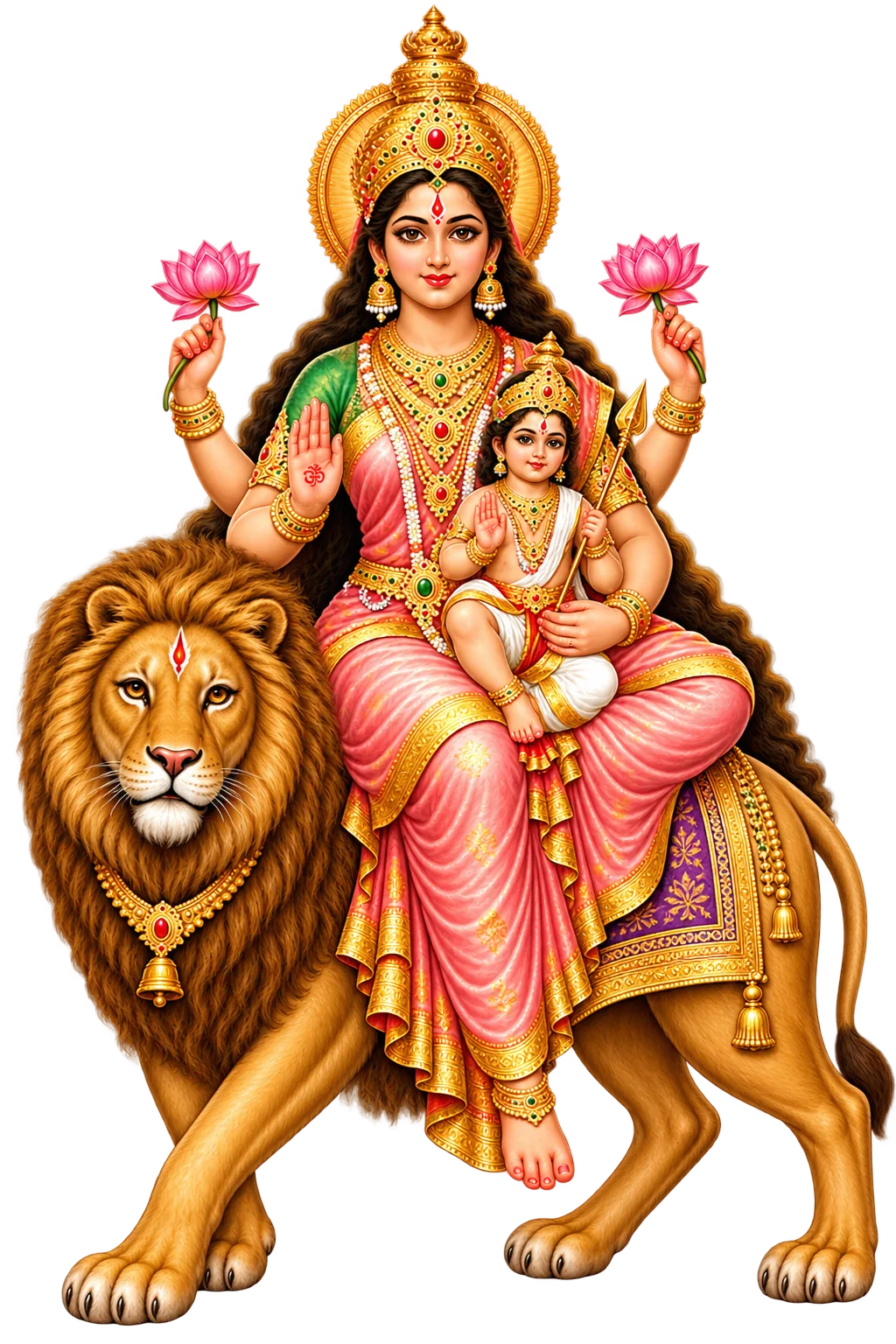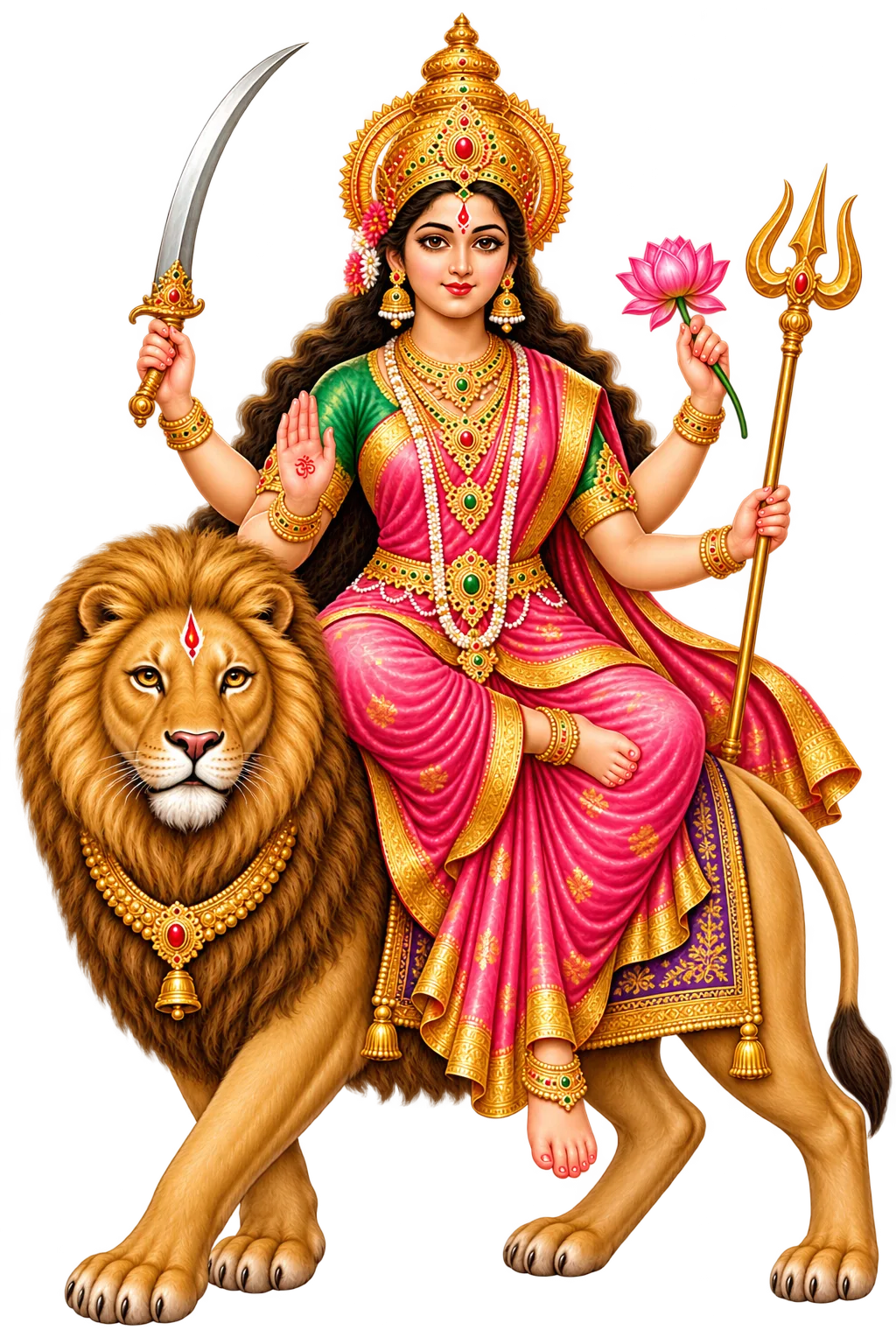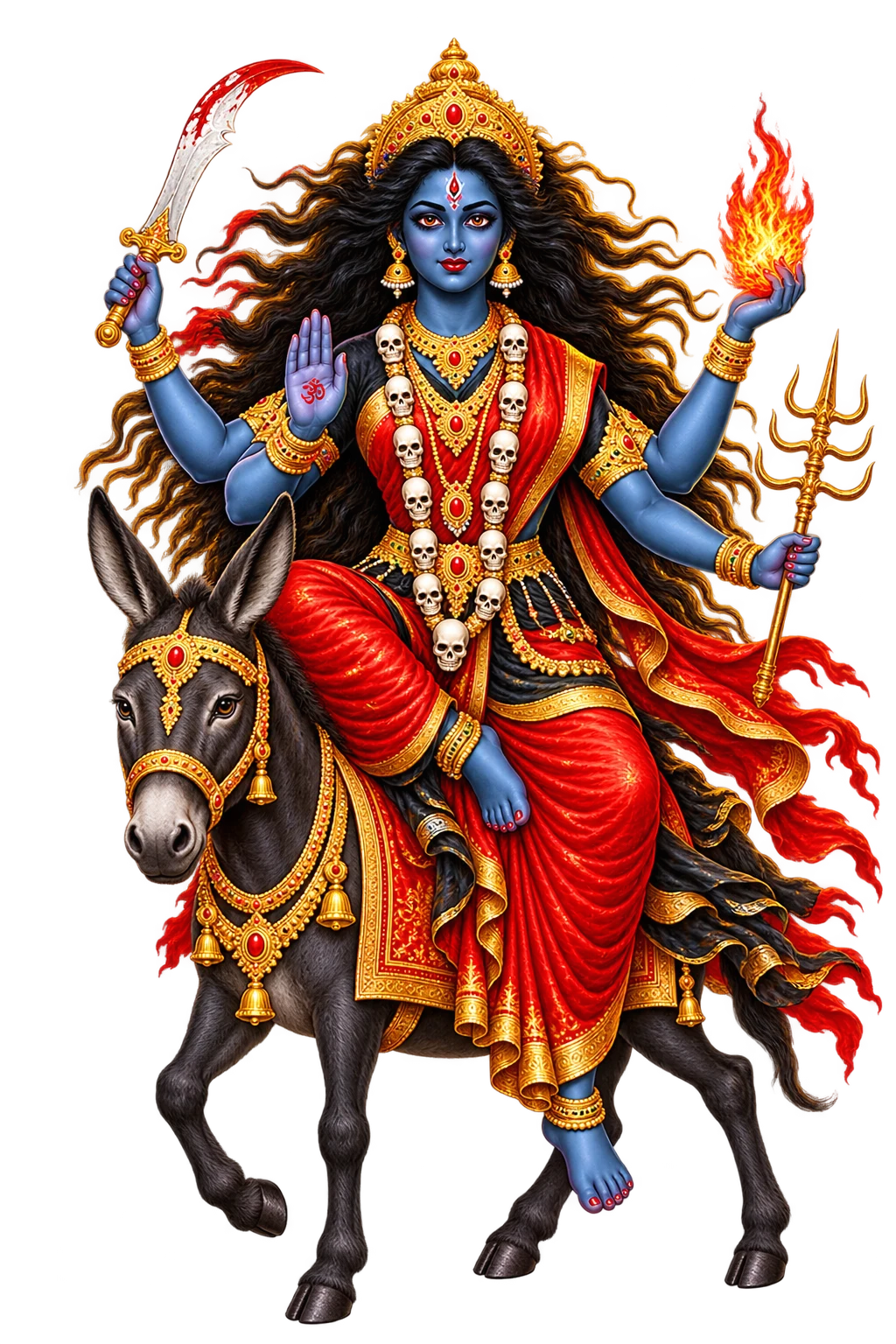

Every year, twice over, the Hindu calendar opens a quieter door. While the whole country celebrates Chaitra and Sharad Navratri with garba, jagran and public pandals, there are two other Navratris that most people never notice - the Gupt Navratris, the "secret" nine nights. Gupt Navratri 2026 (Ashadha) falls from 15 July to 23 July 2026, and for sadhaks, Shakti devotees and seekers of the ten Mahavidyas, this is one of the most spiritually charged windows of the year.
This guide is written from years of performing these rituals at Nalkheda. It covers the exact 2026 dates and Ghatasthapana muhurat, the scriptural background, the step-by-step puja vidhi you can follow at home, fasting rules, common mistakes, benefits as the tradition describes them, and honest guidance on who should - and should not - undertake the deeper sadhana. Wherever a belief is described, it is presented as tradition and scripture hold it, not as a guaranteed result.
What is Gupt Navratri?
Gupt Navratri is one of the two "secret" nine-night festivals of the Hindu year, observed in the months of Ashadha (June–July) and Magha (January–February). It is dedicated to the Dasha Mahavidyas - the ten wisdom goddesses of the Shakta tradition - and is kept privately by spiritual practitioners rather than celebrated in public.
The word gupt means hidden or secret. Unlike Chaitra and Sharad Navratri, which are outward and festive, Gupt Navratri turns inward. Its worship is quiet, disciplined and personal. In older times these sadhanas were passed guru to disciple and never displayed; even today, devotees keep their observance and their sankalp private. There are two Gupt Navratris each year, and the Ashadha one in 2026 runs across nine days and nights, from Pratipada on 15 July to Navami on 23 July.
Gupt Navratri 2026 date & Ghatasthapana muhurat
Ashadha Gupt Navratri 2026 begins on Wednesday, 15 July and ends on Thursday, 23 July 2026. Ghatasthapana (Kalash Sthapana), which opens the festival, is performed on the morning of 15 July during the Pratipada muhurat.
There are two Gupt Navratris in a year: Magha Gupt Navratri (January–February) and Ashadha Gupt Navratri (June–July). This guide focuses on the Ashadha observance of 2026. Please confirm your local muhurat. Tithi and muhurat timings shift with your city's sunrise. Devotees outside India especially should verify the Ghatasthapana window for their location with a reliable panchang - or have the puja performed on their behalf at the correct Indian muhurat.
Historical & scriptural background
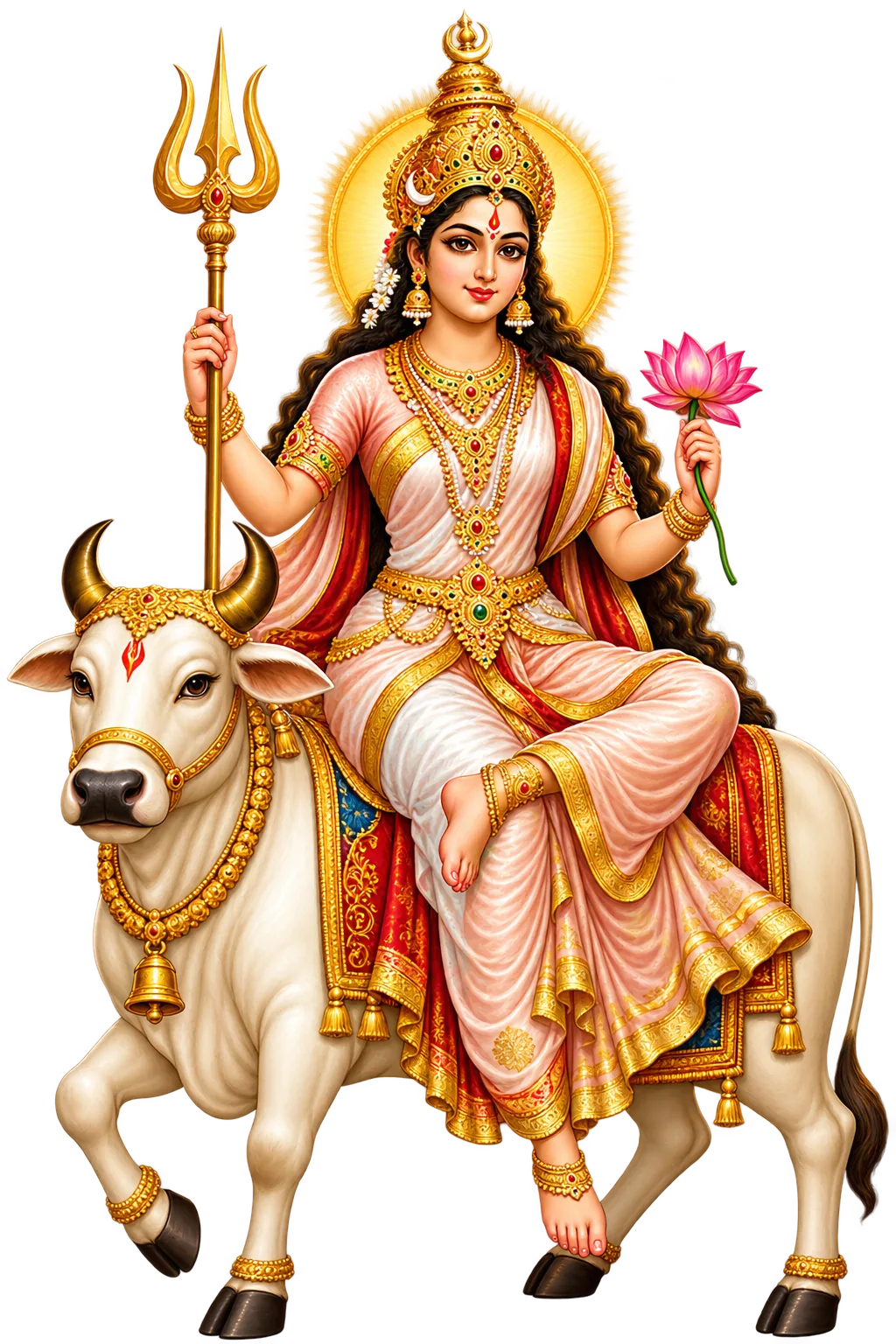
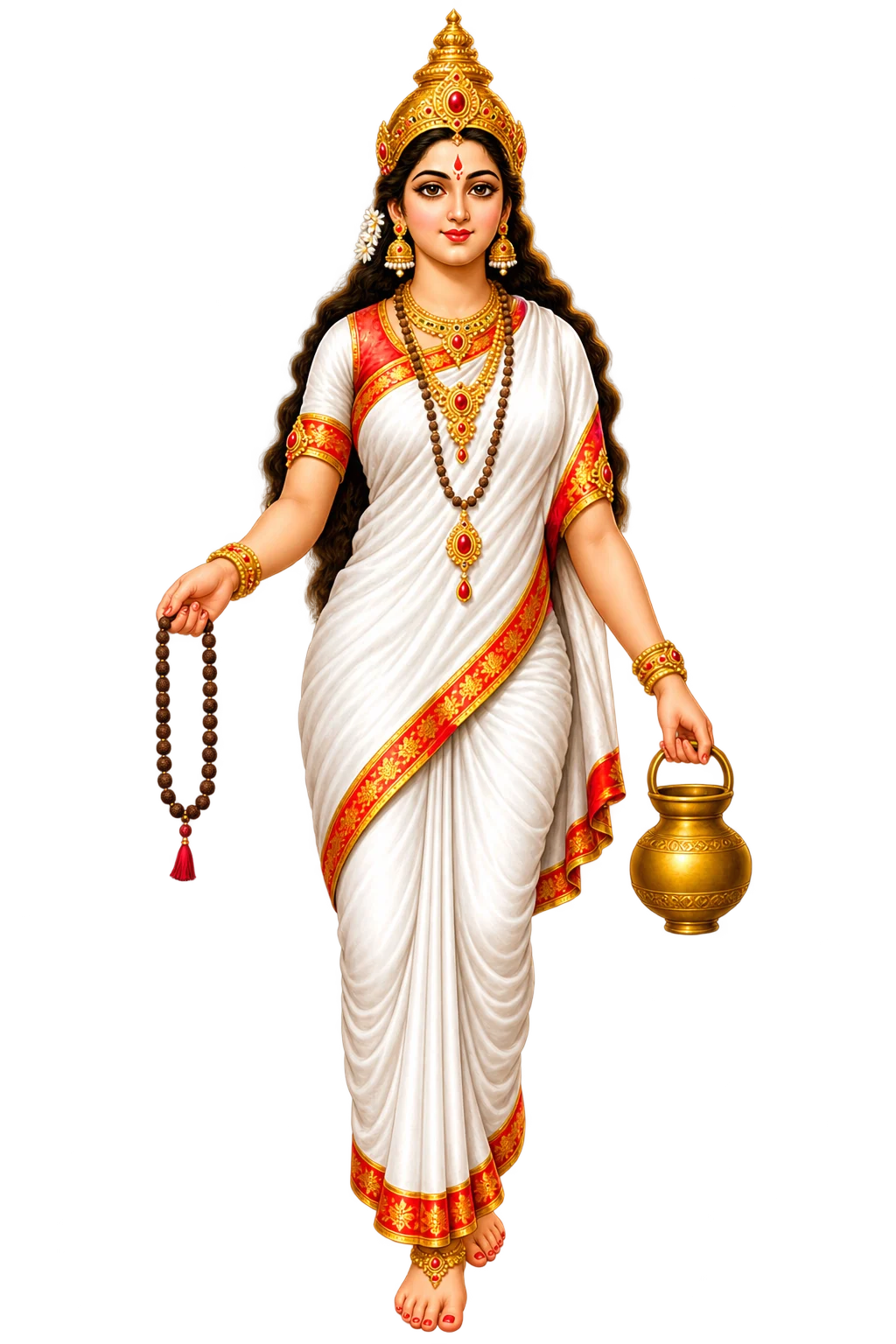
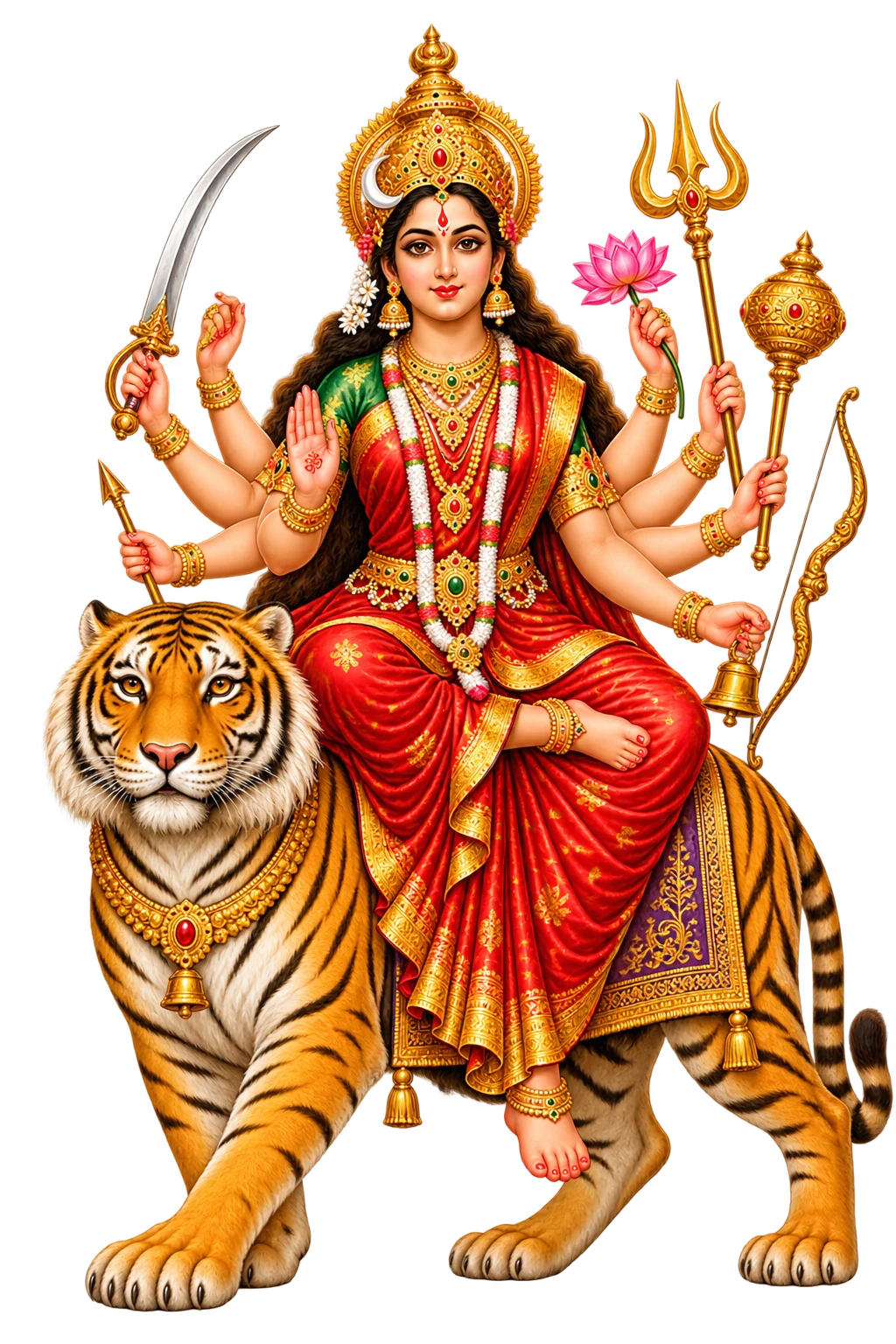
The worship of the ten Mahavidyas during Gupt Navratri draws on the Shakta tradition and texts such as the Devi Bhagavata Purana and the Devi Mahatmya (Durga Saptashati), which celebrate the many forms of the Divine Mother. Just as the nine forms of Durga (Navadurga) are honoured in Chaitra and Sharad Navratri, tradition assigns the ten Mahavidyas to the Gupt Navratris.
The Mahavidyas themselves are described in Tantric and Puranic literature as ten aspects of the one Shakti - from Kali, the first, to Kamala, the tenth. The tradition around Maa Baglamukhi, the eighth Mahavidya, holds that she arose from the Haridra Sarovar, the turmeric-hued lake, to still a cosmic storm that threatened creation - a story that gives her the enduring association with the colour yellow and with Stambhan, the power to halt and steady.
At Nalkheda in Madhya Pradesh, local tradition and long-held belief connect the Baglamukhi Siddha Peeth to the Mahabharata era. These are matters of faith and living tradition rather than documented history, and we present them here as the devotional heritage of the place, honestly, without overstating them as proven fact.
Spiritual significance of the secret nine nights
Gupt Navratri is significant because it is a season for inner sadhana rather than outer celebration. The energy of these nine nights is traditionally described as subtle and inward-turning, favouring mantra japa, self-discipline and quiet devotion over festivity.
Three ideas sit at the heart of this festival. First, secrecy - the practices were kept private, and keeping one's own worship quiet is considered part of the discipline. Second, concentration - the nine nights are seen as a time of pratyahara, drawing the senses inward, which is why solitary, focused practice is valued. Third, shakti - this is a period for building spiritual strength through consistent mantra sadhana. For a householder, even a simple daily lamp, a clean altar and sincere mantra japa across the nine days carry real meaning.
The ten Mahavidyas worshipped in Gupt Navratri
During Gupt Navratri, the ten Mahavidyas are worshipped as the ten great forms of wisdom-shakti. Each represents a distinct facet of the Divine Mother, and together they map the full spectrum of her power - from the fierce to the gracious.
Devotees may honour all ten across the nine nights, while often keeping a special focus on the Mahavidya whose grace they most seek - for many, that is Maa Baglamukhi.
Why Maa Baglamukhi is central to this season
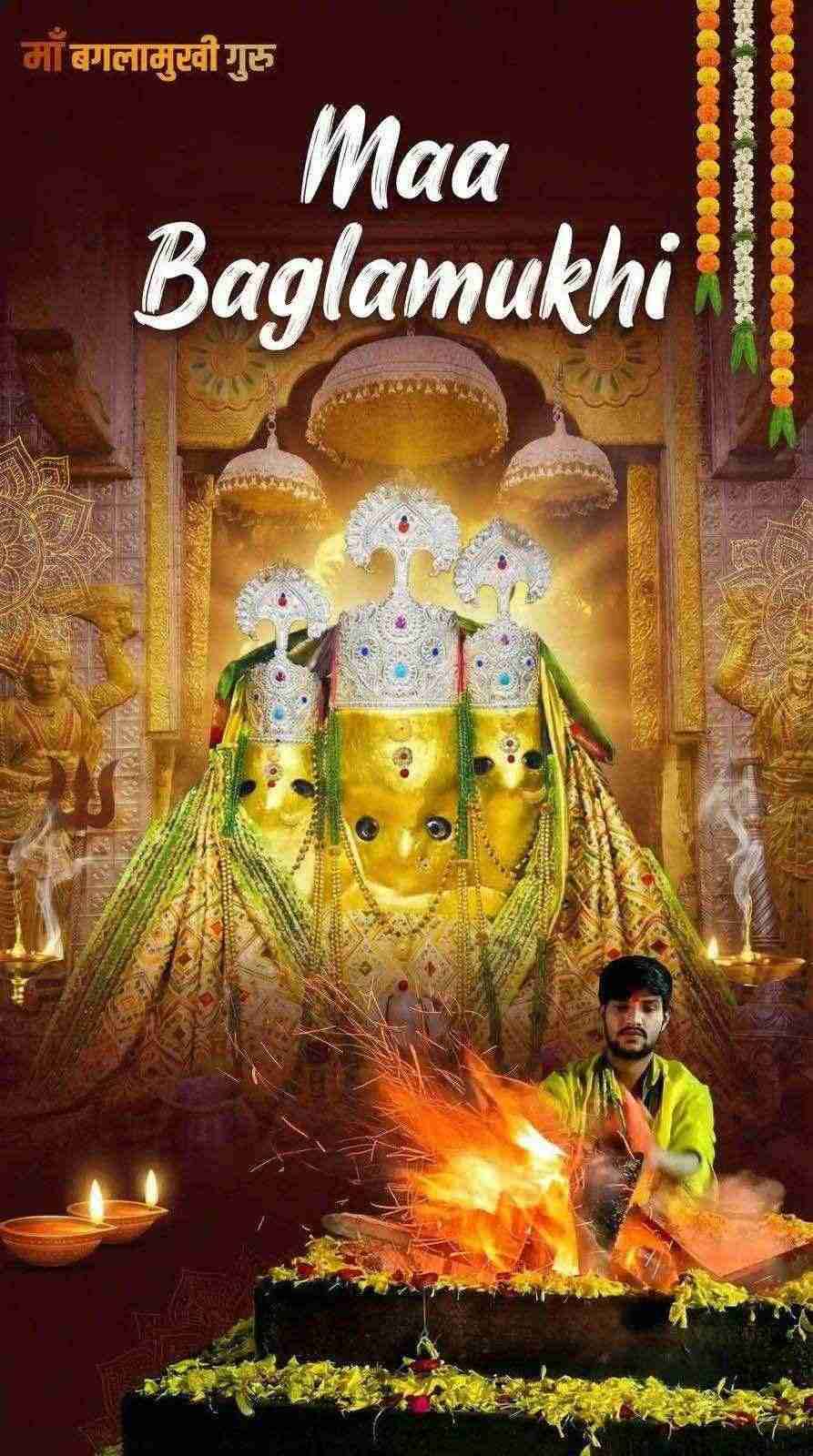
Maa Baglamukhi holds a special place in Gupt Navratri because she embodies Stambhan Shakti - the power to still, restrain and silence hostility. For devotees facing conflict, disputes, opposition or persistent negativity, hers is the grace most often sought during these nine nights.
She is the eighth Mahavidya, also revered as Pitambara Devi, "she who is robed in yellow." Her worship uses turmeric, yellow cloth and yellow flowers throughout, and japa is done on a turmeric mala. In her iconography she holds the tongue of a demon and a club - an image the tradition reads as her power to silence lies and paralyse harmful intent. It is important to hold this correctly: in the devotional understanding, her "victory over enemies" means protection and the calming of conflict, restoring the devotee's own steadiness - not causing harm to others. To understand her form and story more deeply, read our detailed guide on who Maa Baglamukhi is.
Gupt Navratri 2026 puja vidhi - step by step
A householder can observe a sincere Baglamukhi puja at home through the nine days of Gupt Navratri. The vidhi below is the simple, sattvic form suitable for devotees; advanced tantric anushthan is a separate matter addressed later.
Purify yourself and the space. Wake early, bathe, and clean the area of worship. Sprinkle a little Gangajal to purify the altar.
Set up the altar. Place an image or yantra of Maa Baglamukhi on a yellow cloth over a clean wooden platform, ideally facing east.
Perform Ghatasthapana (Day 1). Install the kalash - a pot of clean water topped with mango leaves and a coconut - and light a lamp. Many keep an Akhand Jyoti burning through the nine days where it can be tended safely.
Take sankalp. Quietly state your name, gotra and the sincere intention with which you are observing the vratam. A clear intention gives the worship its focus.
Invoke and offer. Offer yellow flowers, turmeric, kumkum, akshat (rice), gram (chana), jaggery and a ghee or sesame-oil lamp. Yellow offerings are traditional to Pitambara.
Chant the mantra. Perform japa of the Baglamukhi mantra on a turmeric mala, calmly and with steady focus. Learn the correct pronunciation first - you will find it in our Baglamukhi mantra guide.
Recite sacred texts. Reading the Durga Saptashati or Devi Mahatmya through the nine days is considered highly meritorious.
Aarti and gratitude. Close each session with the Maa Baglamukhi aarti and a moment of gratitude, keeping the practice quiet and consistent.
Repeat this daily through all nine days. Consistency matters more than elaborate arrangements - a simple puja done sincerely every day is worth far more than one grand day followed by neglect.
Puja samagri (materials required)
Keep your samagri ready before Day 1 so the nine days flow without interruption. A simple home puja typically needs:
Image or yantra of Maa Baglamukhi
Yellow cloth (peela vastra) and a clean wooden platform
Brass or silver kalash, fresh mango leaves, a coconut
Turmeric (haldi), kumkum, akshat (unbroken rice)
Yellow flowers (marigold, champa) and a turmeric (haldi) mala
Ghee or sesame-oil lamp, cotton wicks, incense
Gram (chana), jaggery, seasonal fruit for naivedya
Gangajal, betel leaves, and homemade sattvic prasad
Best muhurat & a simple daily schedule
The single most important muhurat is Ghatasthapana on the morning of 15 July 2026. After that, the tradition favours the Brahma Muhurta (roughly pre-dawn, around 4:00–6:00 AM) and the early morning for daily japa, when the mind is calm and undistracted.
A simple, sustainable daily rhythm for the nine days:
Tuesdays and the Ashtami tithi within the festival are considered especially powerful for Baglamukhi worship.
Fasting rules, do's and don'ts
Fasting during Gupt Navratri is observed according to one's capacity - a strict fast of sattvic food once a day, or a partial phalahaar of fruits and milk for those who cannot fast fully. Devotion never requires harming the body; those with medical conditions should fast only as their health allows.
Common mistakes to avoid
Even sincere devotees stumble on a few recurring points:
Skipping the sankalp. Worship without a clear intention loses its focus. State it simply and truthfully on Day 1.
Chanting advanced mantras without guidance. Fixed high-count purashcharana and tantric prayogs have strict rules; done wrong, the tradition holds the result is weakened or distorted. Begin with simple devotional recitation.
Inconsistency. One elaborate day and eight forgotten ones defeats the purpose. Steadiness is everything.
Ignoring purity and conduct. Diet, truthfulness and a calm mind are part of the practice, not optional extras.
Treating it as transactional. The season is about devotion and inner strength; approaching the Goddess only to harm a rival contradicts the very spirit of her worship.
Benefits according to tradition
In the devotional tradition, sincere Baglamukhi worship during Gupt Navratri is believed to support a devotee in several ways. These are described as the fruits of faith and disciplined practice, not as guaranteed outcomes:
Protection from hostility, conspiracy and harmful speech
Confidence and steadiness in disputes, including legal and professional matters
Removal of obstacles in business and career
Relief from negativity and the effects of black magic, in traditional belief
Calm, clarity, reduced fear and greater mental stability
Spiritual growth through consistent mantra sadhana
Serious practical matters - legal, medical or financial - also call for proper worldly counsel and effort alongside one's prayers. Faith and action work best together.
Who should perform it - and who should avoid it
Simple, devotional Gupt Navratri worship is open to anyone - men and women, householders and seekers - who approaches it with sincerity and a clean heart. There is no danger in a daily lamp, offerings and gentle mantra japa.
Advanced tantric sadhana is different. Formal high-count anushthan, fire-based prayogs and the ritual energising of yantras carry strict rules of diet, conduct and procedure. These should only be undertaken under a qualified guru, never learned casually from a book or video. Those who are unwell, unable to maintain the discipline, or unsure of the method are better served by simple devotion at home - or by having the advanced ritual performed correctly on their behalf by experienced acharyas. Above all, anyone approaching the worship with intent to harm another should not proceed; that is contrary to the tradition itself.
Temple traditions & regional variations
Across India, Gupt Navratri is observed in different ways. In many homes it passes quietly with a daily lamp and japa; in Shakta and Tantric traditions it is a serious sadhana season; and at temples dedicated to the Mahavidyas, special pujas and havans are performed through the nine days.
For Baglamukhi devotees, a few temples hold particular significance. The Nalkheda Baglamukhi Siddha Peeth in Madhya Pradesh is among the most revered centres of her worship, and Gupt Navratri there is marked by havan and anushthan performed with strict Vedic procedure. Other well-known Baglamukhi shrines include those at Datia (Pitambara Peeth) in Madhya Pradesh and Bankhandi in Himachal Pradesh. You can learn more about the tradition at our Nalkheda temple page. Regional customs vary in detail - the offerings, the songs, the fasting style - but the inward, disciplined spirit of Gupt Navratri stays the same everywhere.
Modern relevance & a balanced viewpoint
Gupt Navratri remains relevant today because its core is discipline, focus and inner steadiness - qualities that serve anyone, in any century. Stripped to its practice, the festival asks for early rising, clean living, a simple diet, daily quiet, and sustained concentration on a single sound. Those are demanding, valuable habits.
From a complementary, everyday perspective, several elements have understandable benefits. Turmeric, central to this worship, is well known in traditional medicine and modern research for its properties. Fasting and a lighter sattvic diet give the body rest. Mantra japa is a form of focused, repetitive attention that many people find calming, much like other contemplative practices. Ritual and routine provide structure and a sense of agency in difficult times. None of this "proves" the spiritual claims, and it is not meant to - faith stands on its own ground. But it does show why a nine-day discipline of this kind can leave a devotee genuinely calmer, clearer and stronger, whatever their circumstances.
Expert tips from Acharya Vishnu Sharma
A few things I tell devotees every year:
Prepare before Day 1. Have your samagri, your altar and your intention ready, so the nine days run without scramble.
Keep it quiet. The power of Gupt Navratri is in its privacy. Do your practice; don't advertise it.
Learn the mantra correctly first. Pronunciation carries the intention. If you are unsure, take it from a knowledgeable guide before you begin serious japa.
Be regular, not grand. The Goddess responds to consistency and sincerity, not to expense.
Know your limit. Simple devotion at home is always safe. For serious anushthan - court matters, deep-rooted problems, black-magic concerns - have it performed by experienced acharyas under proper sankalp rather than attempting advanced sadhana alone.
Book an authentic Gupt Navratri puja
If you cannot keep a full nine-day observance, or you want the havan and anushthan performed with correct procedure at the right muhurat, our acharyas at Nalkheda Siddha Peeth can perform the puja in your name. We take your sankalp by name and gotra, perform the ritual authentically, share the video, and courier the tirth prasad to your home - anywhere in the world.
Explore the Gupt Navratri 2026 Baglamukhi Puja service, a dedicated Baglamukhi Havan, or the intensive Baglamukhi Anushthan for deeper, long-standing concerns. Devotees from the USA, UK, Canada, Australia, UAE, Singapore, Nepal and Mauritius are welcome - the entire process works remotely, with live sankalp and worldwide prasad delivery.
📞 Speak with Acharya Vishnu Sharma: +91 73895 67650 · or message on WhatsApp for free guidance before you book. Gupt Navratri slots are limited - please arrange your puja before 15 July 2026.
Quick summary
Gupt Navratri 2026 (Ashadha): 15–23 July 2026, nine days and nights.
Ghatasthapana: morning of 15 July (verify your local muhurat).
Deities: the ten Mahavidyas - Maa Baglamukhi is the special focus for protection and Stambhan.
Home vidhi: yellow altar, kalash, sankalp, yellow offerings, mantra japa on a turmeric mala, Saptashati, aarti.
Discipline: sattvic diet, cleanliness, truthfulness, privacy - and consistency across all nine days.
Benefits (traditional belief): protection, steadiness in disputes, removal of obstacles, mental calm, spiritual growth.
Advanced anushthan should be done under a qualified guru or by experienced acharyas.
Conclusion
Gupt Navratri is the year's quiet invitation to turn inward. In 2026, from 15 to 23 July, devotees have nine nights to sit with the Mahavidyas, to steady the mind, and to seek the protective grace of Maa Baglamukhi. You do not need grandeur - a clean altar, a yellow lamp, a sincere sankalp and consistent japa are enough to make the season meaningful. And where the practice calls for the deeper havan or anushthan, let it be done correctly, with proper guidance. May these nine nights bring you steadiness, protection and clarity. Jai Maa Baglamukhi.
FAQ Section
1. When is Gupt Navratri in 2026?
Ashadha Gupt Navratri 2026 runs from 15 July to 23 July, nine days and nights, with Ghatasthapana on the morning of 15 July.
2. What are the two Gupt Navratris in a year?
There are two: Magha Gupt Navratri (January–February) and Ashadha Gupt Navratri (June–July). Both are dedicated to the ten Mahavidyas.
3. Which deity is worshipped in Gupt Navratri?
The ten Mahavidyas - Kali, Tara, Tripura Sundari, Bhuvaneshwari, Chhinnamasta, Tripura Bhairavi, Dhumavati, Baglamukhi, Matangi and Kamala. Maa Baglamukhi is a common special focus.
4. Why is it called Gupt (secret) Navratri?
Because its rituals were traditionally kept private and its energy is inward-turning. Devotees keep their observance and sankalp quiet as part of the discipline - it is not about exclusion.
5. Is Gupt Navratri only for tantriks?
No. While favoured by sadhaks, householders can observe it with simple, quiet devotion - a daily lamp, offerings and gentle mantra japa.
6. What is the Ghatasthapana muhurat for Gupt Navratri 2026?
Ghatasthapana is on the morning of 15 July 2026, approximately 05:33–10:09 AM IST. Confirm the exact window for your city with a reliable panchang.
7. Can I do Baglamukhi sadhana at home during Gupt Navratri?
Yes - simple devotional worship and gentle mantra japa are safe for anyone at home. Advanced tantric anushthan should only be done under a qualified guru.
8. What should I offer to Maa Baglamukhi?
Yellow offerings are traditional: yellow flowers, turmeric, gram, jaggery and a ghee or sesame-oil lamp, placed on yellow cloth before her image or yantra.
9. What are the fasting rules for Gupt Navratri?
Fast according to capacity - either sattvic food once a day, or a partial phalahaar of fruits and milk. Avoid onion, garlic, meat and intoxicants; those with health conditions should fast only as their body allows.
10. Which mantra is chanted for Baglamukhi in Gupt Navratri?
Her beej mantra is Hleem, and devotees chant her mool mantra on a turmeric mala. Learn the correct pronunciation from a knowledgeable guide before serious japa.
11. Can I book a Gupt Navratri Baglamukhi puja online from abroad?
Yes. The puja is performed in your name at the correct Indian muhurat, with sankalp by name and gotra, live video shared on WhatsApp, and prasad couriered to your address worldwide.
12. Which Navratri is best for Baglamukhi sadhana?
The Gupt Navratris - Ashadha and Magha - are traditionally held to be especially auspicious for Baglamukhi and Mahavidya sadhana.
13. How many days is Gupt Navratri 2026?
Nine days and nights, from 15 July to 23 July 2026.
14. Do the benefits of Baglamukhi puja come with a guarantee?
No. The benefits described are traditional and scriptural beliefs, not guaranteed outcomes. Serious legal, medical or financial matters also need proper worldly counsel alongside prayer.