
Few subjects in the Tantric tradition attract as much curiosity - and as much confusion - as Baglamukhi sadhana. Some people are told it is dangerous and must never be attempted at home. Others are handed a mantra online and told to chant it lakhs of times without a word of caution. Both extremes are wrong, and both can leave a sincere devotee either fearful or misled.
The truth is calmer and clearer. There is a form of Baglamukhi sadhana that any devotee can practise safely at home, and there is an advanced form that genuinely requires a guru. This guide, written from years of practice at Nalkheda, explains exactly where that line sits - the correct vidhi, the rules and precautions, the mantra and japa method, and honest guidance on when to seek expert help. Wherever a belief is described, it is presented as tradition holds it, not as a guaranteed outcome.
What is Baglamukhi sadhana?
Baglamukhi sadhana is the disciplined spiritual practice of worshipping Maa Baglamukhi - the eighth Mahavidya - through mantra japa, meditation and ritual, to invoke her grace and her defining power of Stambhan (the stilling of hostility and obstacles). It ranges from simple daily devotion to intensive, rule-bound tantric practice.
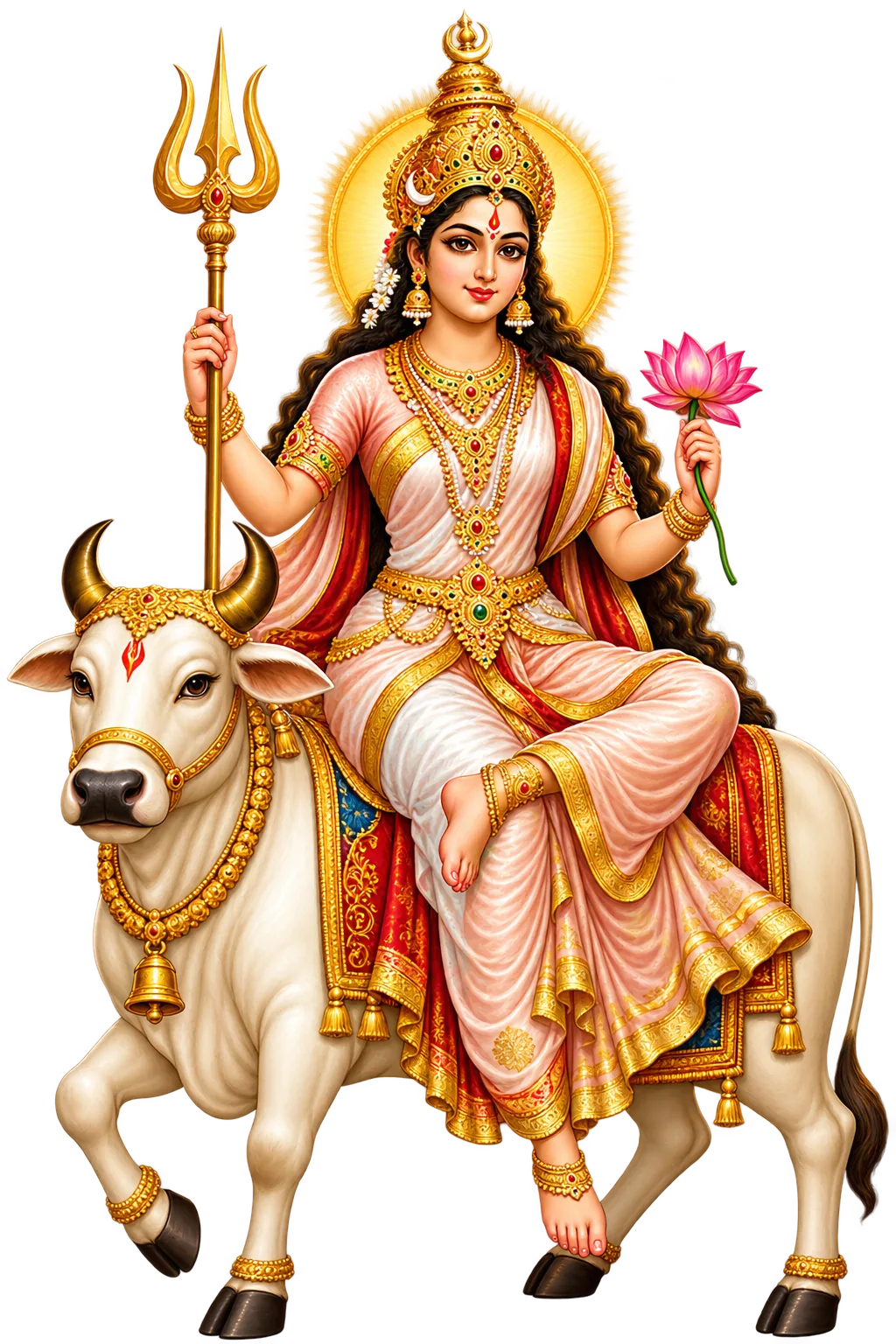
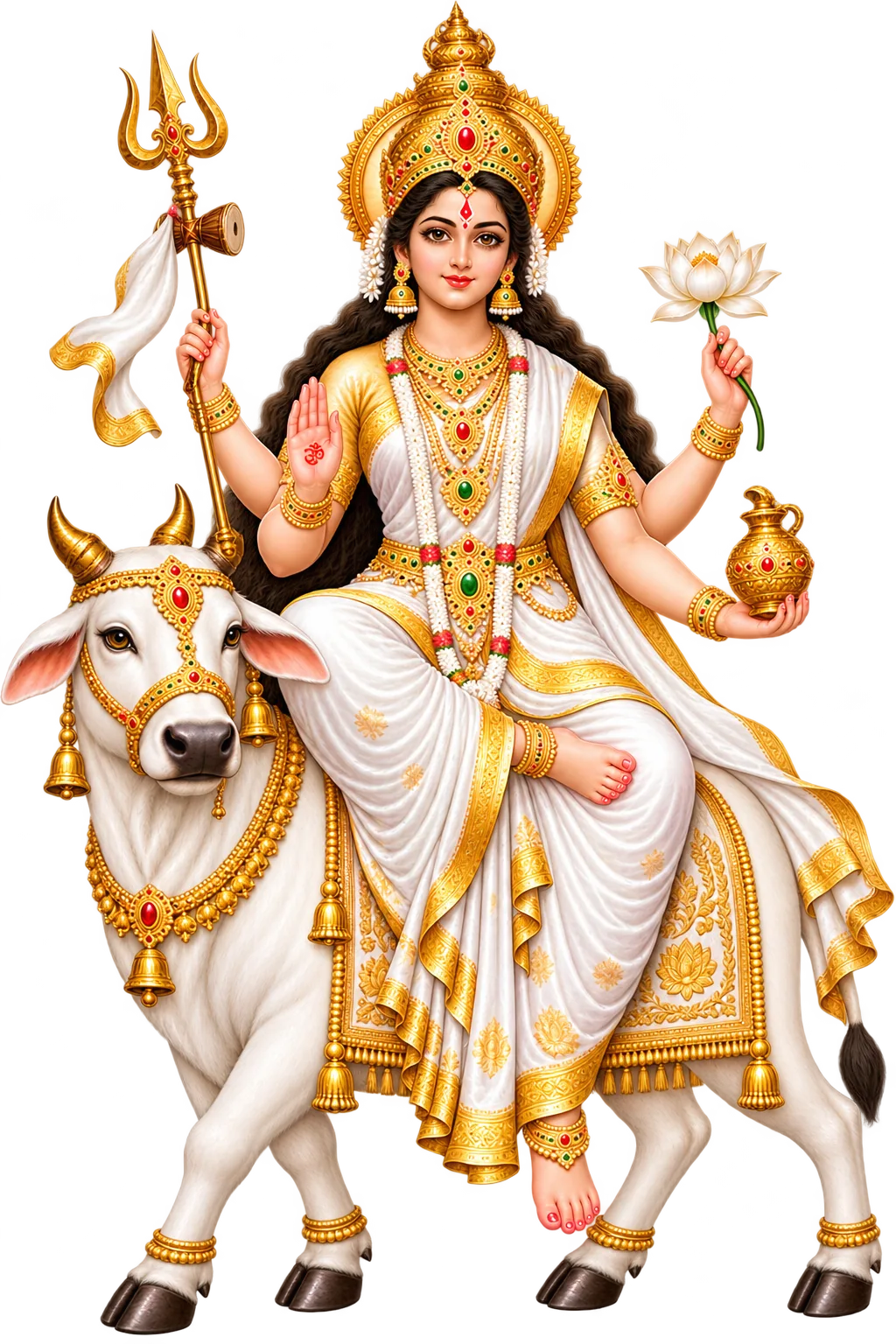
At its heart, sadhana means steady effort toward a spiritual goal. In Baglamukhi's case, that goal is usually protection, courage, steadiness in conflict, and inner clarity. The practice centres on her mantra, chanted on a turmeric (haldi) mala before her image or yantra, supported by purity of diet, conduct and intention. She is also revered as Pitambra devi "robed in yellow," which is why her worship uses turmeric and yellow offerings throughout.
Can you do Baglamukhi sadhana at home?
Yes - you can do simple Baglamukhi sadhana at home safely. Daily devotion, a clean altar, offerings and gentle mantra japa with a pure heart carry no danger and are open to anyone. What should not be attempted alone at home is advanced tantric sadhana - high-count purashcharana, fire-based prayogs and ritually energised yantras - which requires a qualified guru.
This distinction is the single most important thing to understand before you begin. Think of it as two doors. The first door - sincere daily worship and mantra japa - is always open to a devotee. The second door - formal, high-intensity anushthan with its strict procedures and vows - should only be opened under guidance, because an error in mantra, method or conduct is held in the tradition to weaken or distort the result. Most people who ask "can I do Baglamukhi sadhana at home" are really asking about the first door, and the honest answer there is a confident yes.
Who can practise it - the question of adhikara
Simple devotional Baglamukhi sadhana is open to everyone - men and women, young and old, householders and seekers - regardless of caste or background, provided they approach with sincerity, cleanliness and good intention. In the tradition, adhikara (eligibility) for the deeper practice is a matter of readiness and guidance, not birth.
A few sensible considerations apply. Beginners should start gently rather than leaping to high mantra counts. Those who are seriously unwell, or unable to maintain basic discipline for a sustained period, are better suited to short daily devotion. And anyone approaching the practice with the intent to harm another should not proceed at all - that contradicts the very spirit of the Goddess's worship, which is protective, not aggressive.
Best time to begin
The most auspicious times to begin Baglamukhi sadhana are the Gupt Navratris (Ashadha and Magha), the wider Navratri periods, and Tuesdays - all considered especially favourable for her worship. Within any day, the Brahma Muhurta (pre-dawn) and early morning are ideal for japa, when the mind is calm.
If you cannot align with these, do not be discouraged - sincerity and consistency matter more than the perfect date. Begin with a clean heart, and let the practice steady you.
Rules & precautions (niyam)
Baglamukhi sadhana carries clear rules of purity and conduct, because the tradition treats discipline as part of the practice itself, not an optional add-on. Keeping these niyam protects both the sincerity and the steadiness of the sadhaka.
Cleanliness: bathe before practice; keep the altar, your seat and your clothes clean.
Fixed seat and time: sit in the same clean place, ideally at the same hour each day, facing east.
Sattvic diet: avoid onion, garlic, meat, alcohol and intoxicants during the sadhana period.
Truth and calm: avoid anger, gossip, deceit and quarrels; a disturbed mind disturbs the practice.
Privacy: keep your sadhana and your sankalp quiet, as the tradition asks.
Continuity: once begun, try not to break the daily practice; consistency is central.
Right intention: approach for protection, courage and clarity - never to harm another.
Guidance for the advanced: do not attempt high-count or fire-based prayogs without a qualified guru.
What you need - setup & materials
A simple home setup is enough to begin. You do not need elaborate or expensive arrangements - purity and steadiness matter far more than grandeur.
Baglamukhi sadhana vidhi - step by step
A simple, safe daily Baglamukhi sadhana at home follows a clear order. Do it calmly and consistently, ideally at the same time each morning.
Purify. Bathe, wear clean clothes, and clean your space. Sprinkle a little Gangajal on the altar and your seat.
Sit and settle. Take your fixed asana facing east. Sit upright, breathe slowly, and quieten the mind for a minute.
Light the lamp. Light the ghee or sesame-oil lamp and incense before the image or yantra.
Offer. Offer turmeric, kumkum, akshat and yellow flowers with a calm, devoted heart.
Take sankalp. Silently state your name, gotra and sincere intention for the practice.
Chant the mantra. Perform japa on the turmeric mala with steady focus (see the next section for the method).
Meditate briefly. After japa, sit quietly for a few minutes, resting your attention on the Goddess.
Close with aarti. End with the Maa Baglamukhi aarti and a moment of gratitude.
Repeat this daily. If you are observing a fixed sankalp over a set number of days, keep the count and timing consistent from start to finish.
The mantra & the correct japa method
Baglamukhi's beej (seed) mantra is Hleem - the concentrated sound-form of her energy. Devotees also chant her longer mool (root) mantra. Japa is done on a turmeric mala, calmly, with correct pronunciation, because in the tradition the sound and its clarity carry the intention.
You will find the full mantra with its meaning and method in our Baglamukhi mantra guide and the dedicated Baglamukhi beej mantra page. A few points on method for home practice:
Learn pronunciation first. A mantra recited incorrectly does not carry the same intention. If unsure, take it from a knowledgeable guide before serious japa.
Use a turmeric mala. Traditional to Baglamukhi; move one bead per repetition without crossing the meru (head) bead.
Start modestly. Begin with one or a few malas a day rather than committing to lakhs of repetitions. Build gradually.
Keep steady focus. Quality of attention matters more than speed. Chant neither too fast nor mechanically.
Fixed count and time. If under a sankalp, keep the daily count and hour consistent throughout.
Important: Very high-count purashcharana (the lakhs of repetitions some texts prescribe) and any fire-based or tantric prayog are advanced practices with strict rules. These should be done under a qualified guru, not attempted alone from a book or video.
Diet & conduct during sadhana
During a period of Baglamukhi sadhana, a sattvic diet and disciplined conduct are considered essential. This means simple vegetarian food and avoiding onion, garlic, meat, alcohol and intoxicants, along with truthfulness, calm and restraint in daily life.
The reasoning is practical as much as spiritual: a light, clean diet and a settled temperament make the mind steadier, and a steady mind sustains japa far better than a restless one. Those with medical conditions should adapt their diet sensibly and never harm their health in the name of discipline - devotion does not require damaging the body.
Common mistakes & warnings
Sincere devotees often stumble on the same few points. Avoiding them keeps the practice safe and meaningful.
Jumping to advanced prayogs. The most common and serious mistake. Do not attempt high-count or fire-based tantric sadhana without a guru.
Learning the mantra carelessly. Wrong pronunciation weakens the practice. Learn it properly first.
Inconsistency. Starting with enthusiasm and abandoning it midway breaks the discipline.
Neglecting purity and conduct. Diet, cleanliness and truthfulness are part of the sadhana, not extras.
Wrong intention. Approaching the Goddess to harm a rival contradicts her protective nature.
Chasing quick results. Sadhana is steady inner work; treat it as devotion, not a transaction.
Levels of sadhana - and when you need a guru
Baglamukhi sadhana exists at different levels, and knowing which level you are at prevents both fear and harm. Broadly, there are three.
Level one is always open to you. Level two is fine for a disciplined devotee, ideally after learning the method correctly. Level three - the intensive Baglamukhi anushthan - is where a guru or experienced acharya becomes necessary, because its rules of procedure, count, timing and conduct are exacting, and errors carry consequences the tradition takes seriously.
Benefits according to tradition
In the devotional tradition, sincere Baglamukhi sadhana is believed to bring several benefits. These are described as the fruits of faith and disciplined practice, not as guaranteed outcomes:
Protection from hostility, conspiracy and harmful speech
Steadiness and confidence in disputes and difficult situations
Removal of obstacles in work, business and daily life
Greater courage, focus and freedom from fear
Calm, clarity and mental stability
Deepening devotion and spiritual strength
Alongside these, remember that serious practical matters - legal, medical or financial - also need proper worldly effort and counsel. In the tradition, faith and right action are meant to work together.
When to have the sadhana performed for you
If your concern is serious or time-sensitive - a court matter, a deep-rooted difficulty, a black-magic worry - or if you cannot maintain a long sadhana yourself, the wiser path is to have the anushthan performed by experienced acharyas under proper sankalp, rather than attempting advanced practice alone.
At Nalkheda Siddha Peeth, our acharyas perform Baglamukhi anushthan and havan with authentic procedure, taking your sankalp by name and gotra, sharing the video, and couriering the tirth prasad to your home anywhere in the world. Explore a Baglamukhi Havan, the intensive Baglamukhi Anushthan, or seasonal Gupt Navratri Baglamukhi Puja. Devotees from India, the USA, UK, Canada, Australia, UAE, Singapore, Nepal and Mauritius are welcome.
📞 Speak with Acharya Vishnu Sharma: +91 73895 67650, or message on WhatsApp for guidance before you begin.
Quick summary
Baglamukhi sadhana is disciplined worship of the eighth Mahavidya through mantra japa and ritual.
Simple sadhana at home is safe for anyone; advanced tantric anushthan needs a qualified guru.
Beej mantra: Hleem; chant on a turmeric mala with correct pronunciation.
Rules: cleanliness, fixed seat and time, sattvic diet, truthfulness, privacy, right intention.
Best times: Gupt Navratri, Navratri, Tuesdays, Brahma Muhurta.
Benefits (traditional belief): protection, steadiness, courage, clarity, spiritual growth.
For serious matters, have the anushthan performed by experienced acharyas.
Conclusion
Baglamukhi sadhana does not need to be frightening, and it does not need to be reckless. Practised simply and sincerely at home - a clean altar, a turmeric mala, a steady daily japa and a pure intention - it is safe, meaningful, and quietly strengthening. Where the practice deepens into formal anushthan, let it be guided by those who know its rules. Approach the Mother with honesty and consistency, and let her steadiness become yours. Jai Maa Baglamukhi.
FAQ Section
1. Can I do Baglamukhi sadhana at home?
Yes. Simple devotional sadhana - a clean altar, offerings and gentle mantra japa - is safe for anyone at home. Advanced tantric anushthan should only be done under a qualified guru.
2. Is Baglamukhi sadhana dangerous?
Simple home devotion is not dangerous. The caution applies to advanced, high-count or fire-based tantric practices, which have strict rules and should be done under guidance.
3. What is the Baglamukhi beej mantra?
Her beej (seed) mantra is Hleem. Devotees also chant her longer mool mantra. Learn correct pronunciation from a knowledgeable guide before serious japa.
4. Do I need a guru for Baglamukhi sadhana?
Not for simple daily devotion. A guru or experienced acharya is needed for advanced purashcharana, anushthan and fire-based prayogs.
5. What are the rules of Baglamukhi sadhana?
Cleanliness, a fixed seat and time, a sattvic diet (no onion, garlic, meat or intoxicants), truthfulness, privacy, continuity, and a protective - never harmful - intention.
6. When is the best time to start Baglamukhi sadhana?
Gupt Navratri, Sharad and Chaitra Navratri, and Tuesdays are especially favoured, with early morning (Brahma Muhurta) ideal for daily japa.
7. Which mala is used for Baglamukhi japa?
A turmeric (haldi) mala is traditional, in keeping with her association with the colour yellow.
8. How many times should I chant the Baglamukhi mantra?
Begin modestly - one or a few malas a day - and build gradually. Fixed high counts (purashcharana) should only be undertaken under a guru's guidance.
9. Can women do Baglamukhi sadhana?
Yes. Simple devotional Baglamukhi sadhana is open to women and men alike, with sincerity and cleanliness.
10. What diet should I follow during Baglamukhi sadhana?
A sattvic vegetarian diet, avoiding onion, garlic, meat, alcohol and intoxicants. Those with health conditions should adapt sensibly and never harm their health.
11. What are the benefits of Baglamukhi sadhana?
Traditionally, protection, steadiness in conflict, removal of obstacles, courage, mental calm and spiritual growth - described as fruits of faith, not guaranteed outcomes.
12. Should I do the sadhana myself or have it performed?
For simple devotion, practise at home. For serious or time-sensitive matters, or intensive anushthan, it is wiser to have it performed by experienced acharyas under proper sankalp.